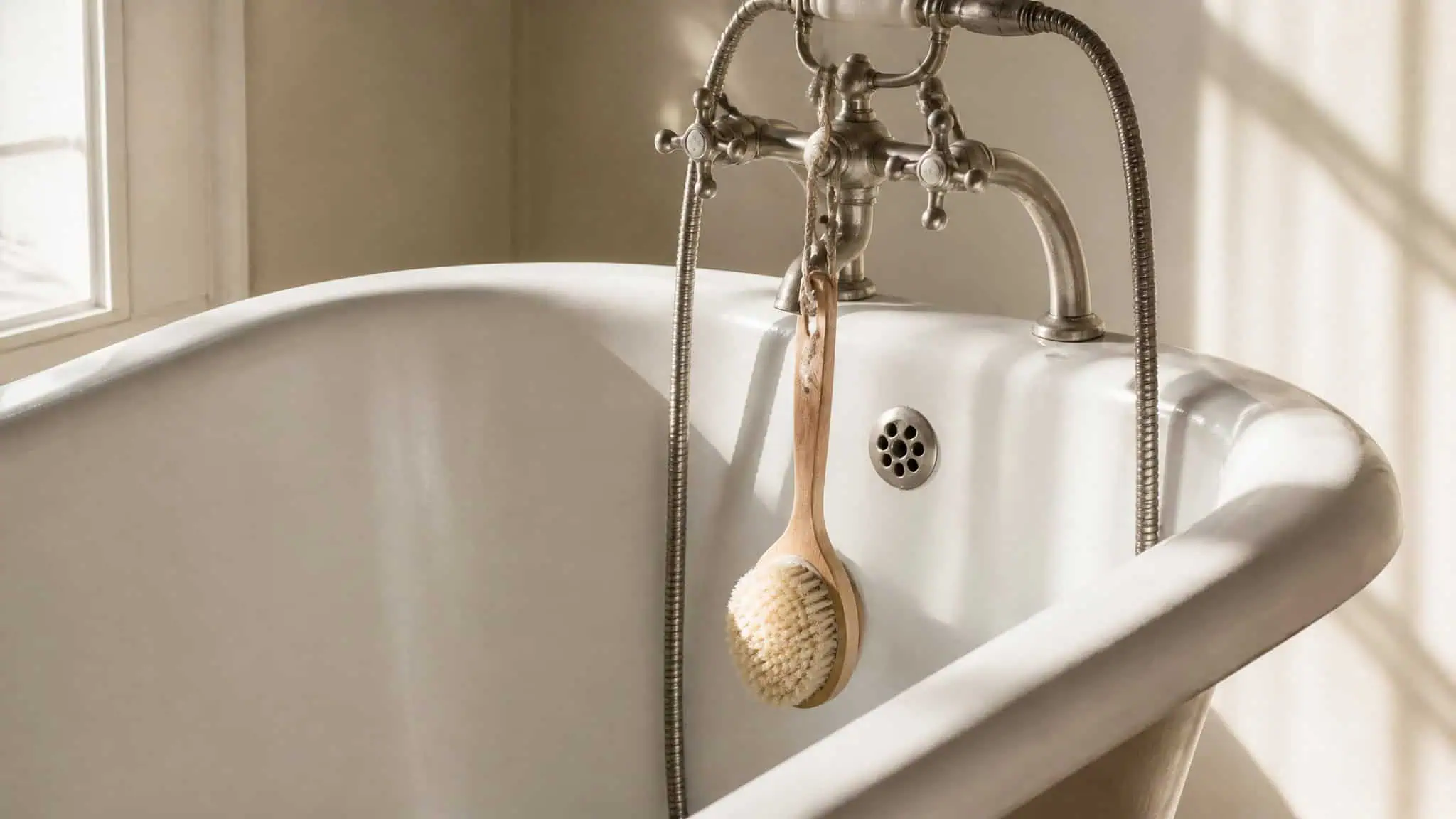
There’s a story that’s been passed around for years. Rebecca Jones wrote it for Southern Living about her grandmother’s tub. It was a big white cast-iron one, and it was always spotless. No ring, no water spots, no soap scum, ever. Her secret wasn’t a shelf full of specialty products.
It was a dedicated brush and warm water, used after every bath. That’s it. No chemicals, just consistency.
That habit matters because of what soap scum actually is. It’s the hardened fats from bar soap gripping the calcium and magnesium in your water. “Fats like tallow or coconut oils are what holds the soap bar together,” explains Ryan Knoll of Tidy Casa, and those same fats are exactly what turns into scum. Leave it alone and it hardens, trapping body oils, dirt, and mildew. In hard-water areas it’s even worse.
The whole system: Granny’s two-minute habit handles daily upkeep, the once-a-month deep clean resets everything, and the right method for your tub material prevents damage, because the wrong cleaner can ruin a surface, and if the damage is too severe, bathtub replacement becomes the only fix; how to clean bathtub stains is a different article; this one is the full system.
Key Takeaways
Soap scum is hardened bar-soap fats binding to the calcium and magnesium in your water, and the cheapest fix is a dedicated brush and warm water after each bath, with no products at all.
Clean weekly as the baseline, every three to five days when kids or pets use the tub daily, and deep clean once a month, same tub, different jobs.
Never use acid on natural stone or abrasives on acrylic, and don’t trust the baking soda-vinegar fizz in a grease-clogged drain, it produces water and trace salts, not a surfactant.
Table of Contents
How Often Should You Clean a Bathtub?
Clean your bathtub once a week as the baseline, bump it up to every three to five days if it gets daily use (kids’ baths, pet baths), and do a deeper clean once a month. The weekly pass stops scum from ever getting a foothold; the monthly one resets the tub entirely.
Even the pros land on the same numbers. Ashley Kidder, founder of Dashing Maids, recommends weekly cleaning, it’s not a huge time commitment and it keeps things from getting gross. Simple Green agrees on the monthly deep clean. This isn’t us being extra.
It’s just the frequency that works. If your tub sees daily use, move to the every-three-to-five-days cadence below.
And don’t forget the drain, once a month is enough unless a lot of hair goes down the drain, in which case you’ll want to be more proactive. More on that below.
What You’ll Need
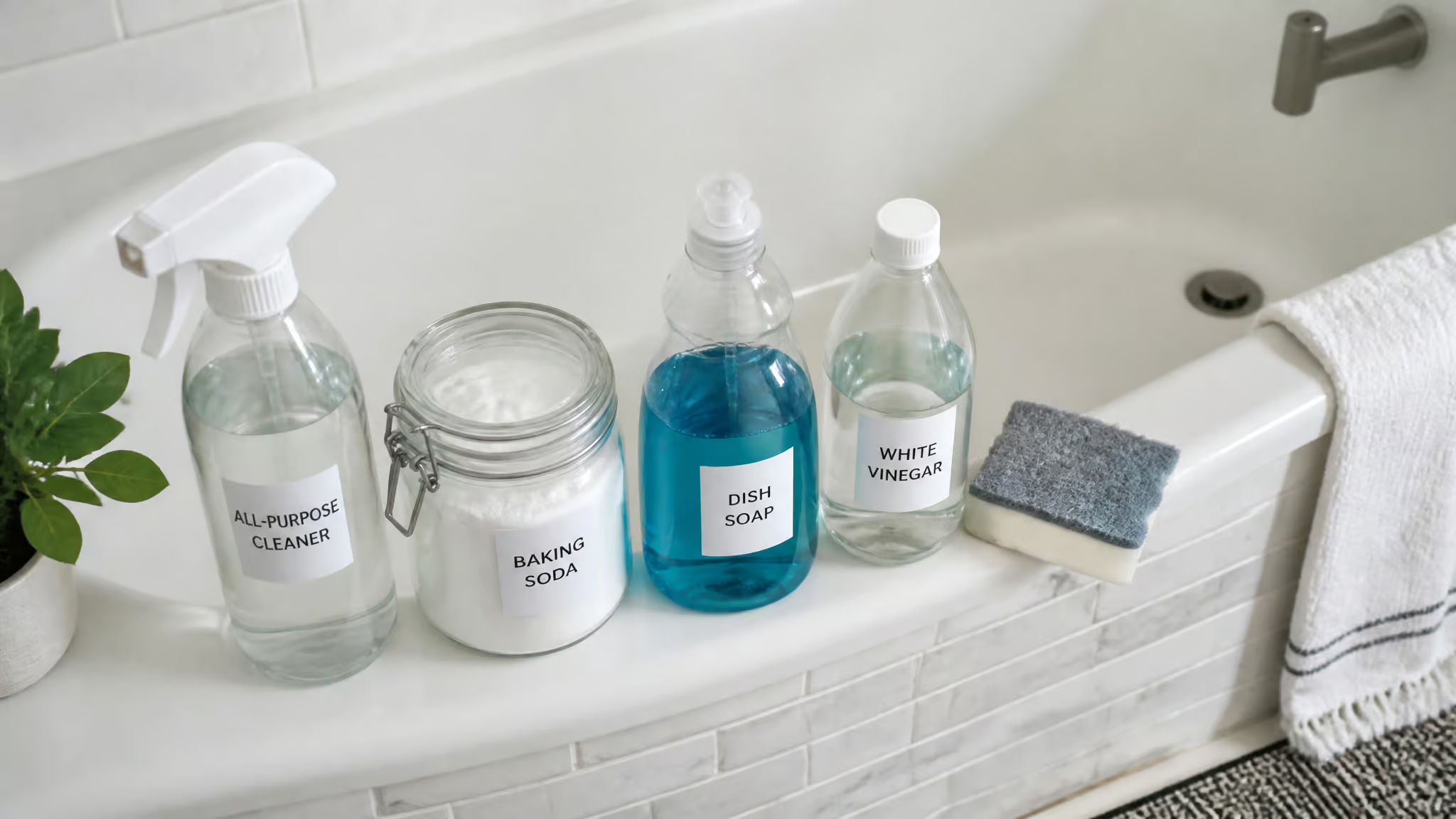
The good news: most methods only need a handful of things you probably already own.
- Baking soda
- White vinegar
- Dish soap
- A non-scratch sponge
- A soft-bristled, long-handled scrub brush (the long handle saves your back and reaches far corners)
- A microfiber cloth
Optional upgrades: lemon juice, hydrogen peroxide, a squeegee, and a plastic putty knife for damaged caulk. A spray bottle is handy for mixing and applying DIY cleaners. A face mask is optional but useful if you’re sensitive to fumes or dust. The commercial options. Simple Green, CLR, Rejuvenate, Kaboom, and Mr. Clean Magic Erasers, are worth having for extreme buildup, and they get their own section below.
The 30-Second Habit That Keeps It Clean
The best way to clean a bathtub might not involve a cleaner at all. The prerequisite is a soft-bristled, long-handled brush that hangs from the faucet, clearly a tub brush, never the one you use on the toilet, obviously. Rebecca Jones still uses her grandmother’s technique after every bath: drain the tub, run warm water, give the inside a quick brush, and let it all rinse down the drain as the water empties.
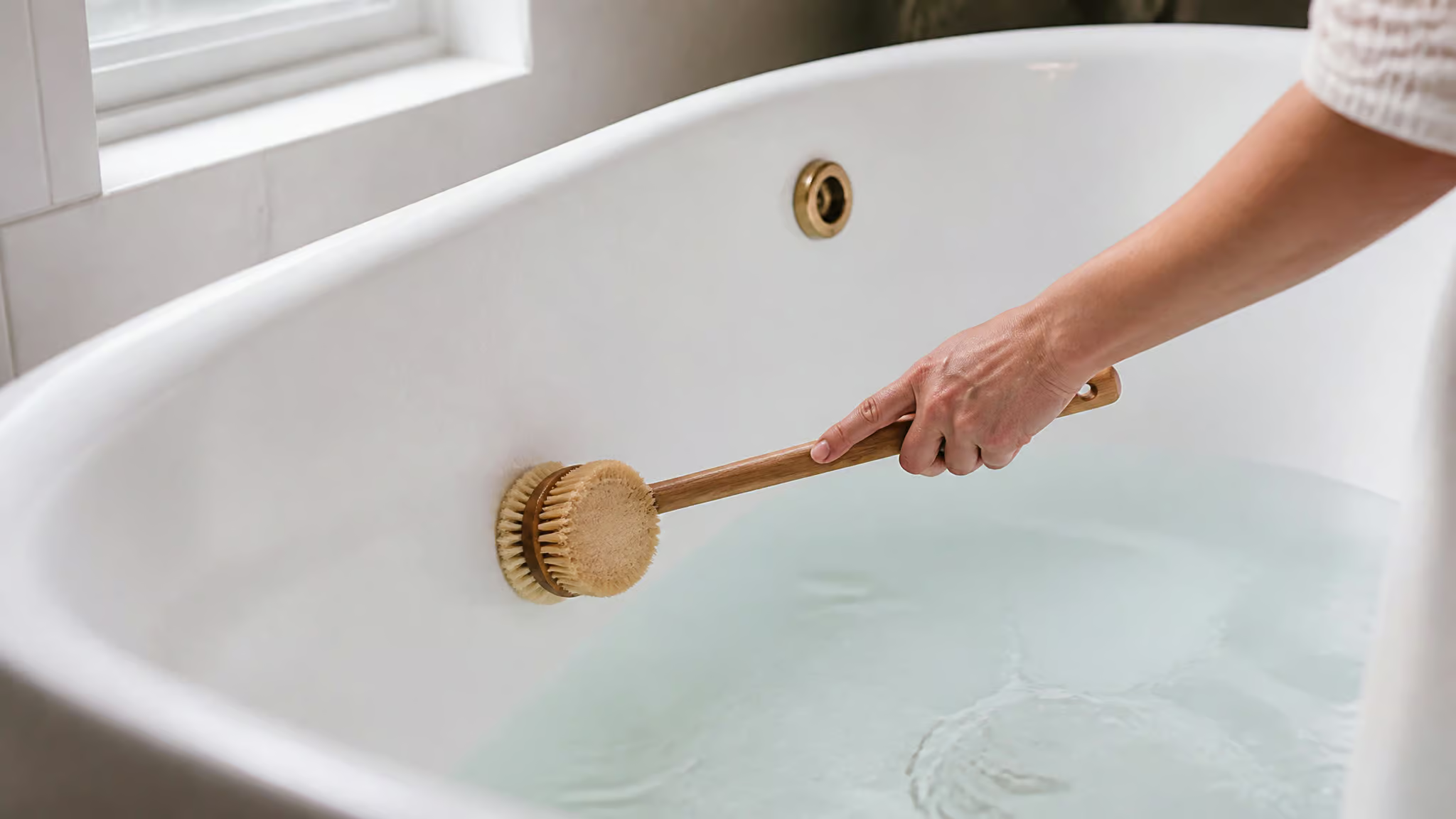
No products. Just warm water and consistency, which also makes it the simplest chemical-free way to clean a bathtub. The long handle is the secret weapon; it reaches the corners of a big tub without you contorting into positions you’ll regret. Rebecca occasionally adds a bit of cleaner for stuck-on scum, but the daily rinse-and-brush is what keeps the tub sparkling between real cleanings.
Is it enough? Granny’s tub says yes. Consistency beats intensity, the habit itself is the whole system.
The Step-by-Step Deep Clean
Once a month, or whenever things have gotten away from you, this is the full sequence. The order matters: walls before the tub, dwell time before scrubbing, drying after rinsing.
- Declutter the tub area. Remove soap bottles, toiletries, candles, and shower mats. You need access, and you don’t want your cleaner damaging anything.
- Mix your own all-purpose cleaner. Equal parts white vinegar and dish soap, plus a few drops of essential oil if you want it to smell nice. Warming the vinegar first helps it cut grease better. Vinegar’s acidity tackles mineral deposits, while dish soap cuts through body oils, so together they address both culprits.
- Clear the drain. Remove the drain cap and any visible buildup. If there’s a clog you can’t reach, that’s the drain section below.
- Clean tiles and walls first. Spray your cleaner, let it sit 3 to 5 minutes, scrub, then rinse with a bucket of water. Repeat for heavy stains. Walls before the tub, so you don’t re-soil what you already cleaned.
- Clean the tub itself. Repeat the wall process on the tub and edges. Sprinkle baking soda on stubborn stains for extra scrubbing power, hit the corners and crevices with your brush, and don’t skip the faucet, shower head, and handles, they collect grime too. Rinse everything thoroughly.
- Wash the shower curtain. Fabric curtains need regular washing to keep mold and mildew from spreading. It’s the step everyone forgets.
- Repeat if necessary. Heavy buildup may require multiple passes. That’s normal. Don’t get discouraged.
- Buff and shine. Use a dry microfiber cloth to minimize water spots. This is the satisfying payoff.
Match the Method to Your Tub Material
The best homemade bathtub cleaner depends entirely on what your tub is made of. What’s safe for porcelain will damage natural stone, and what’s safe for stone will scratch acrylic. Spot-test anything you’re unsure about in an inconspicuous corner first.
- Plastic or acrylic in hard-water areas: equal parts dish soap and vinegar is the workhorse. It’s a dependable choice because it’s affordable, effective, and safe for most tubs. The vinegar handles mineral deposits, and the dish soap breaks down body oils. Let it sit 30 to 60 minutes, wipe with a non-scratch sponge, rinse, and dry.
- Fiberglass or acrylic with light-to-moderate buildup: sprinkle baking soda over the scum, spray vinegar until it fizzes, let it sit 15 to 20 minutes, then use a soft damp sponge to scrub gently, rinse, and dry.
- Tiles and grout: baking soda with hydrogen peroxide. Sprinkle the baking soda, spray peroxide until it’s damp, and let it sit 30 to 60 minutes. Hydrogen peroxide bleaches and disinfects gently, making it well-suited for grout and tile areas where soap scum and mildew collect. Rinse thoroughly after.
- Porcelain or enamel: lemon and baking soda paste. Mix lemon juice into baking soda until you get a gritty paste, let it sit 15 to 30 minutes on heavy areas, then scrub gently, rinse, and dry. Ideal for vintage tubs.
- Natural stone (granite, marble, travertine): baking soda paste only, mix baking soda with water into a thick paste, let it sit 10 to 15 minutes, then rinse and air-dry. Never use acid on stone, and that includes vinegar and lemon.
- Grout and caulk: a baking soda and lemon juice paste for moldy grout (let it sit 5 to 10 minutes, then scrub and rinse), or an old stiff-bristled toothbrush dipped in vinegar for caulk. Damaged caulk should be replaced with a plastic putty knife, cleaning won’t fix it.
The biggest mistake I see is grabbing a powdered abrasive on an acrylic tub and ending up with a scratched, dull finish that never looks clean no matter how hard you scrub. Baking soda is versatile, but using it the right way matters.
No-Scrub Options That Do the Work for You
The best way to clean a bathtub without scrubbing is to let dwell time do the scrubbing for you. The longer a solution sits, the less effort you’ll need, sometimes none at all.
The overnight dish soap soak. Fill the tub with water, plug the drain, squirt in dish soap, and let it sit for a few hours or overnight. Drain and rinse in the morning, and the grime wipes away almost effortlessly. Ashley Kidder calls it the lazy method that works wonders overnight. If you’ve ever wanted to clean a bathtub without scrubbing, this is it.
Polymer sponges (Mr. Clean Magic Erasers). Wet the sponge, wring it out, and work soiled areas gently in circular motions. Ryan Knoll describes them as working like super-fine sandpaper, gentle but with friction. They suit most surfaces except natural stone, and you should test in an inconspicuous corner first.
Neither method is truly zero work, you still have to set things up and rinse after. But compared to elbow-grease scrubbing on hard water rings? It’s practically free. Here’s the full no-scrub breakdown.
Commercial Cleaners: When DIY Isn’t Enough
There’s no single best commercial bathtub cleaner that can be ranked head-to-head, but for extreme soap scum buildup, the commercial route is where you land. The rule: confirm the product suits your tub’s material first, and never use these on natural stone.
CLR, Rejuvenate, or Kaboom. CLR is a standout for hard-water stains and mineral buildup. Spray directly on the scum, let it sit per the label (usually 5 to 10 minutes), scrub gently with a soft sponge or brush, rinse thoroughly to avoid strong odors, and dry.
Simple Green All-Purpose Cleaner. Dissolves soap scum and cleans stains without harsh solvents or bleach, a good middle ground if you want something gentler. Spot-test on surfaces you’re unsure about.
Wherever you land, the safety rules are non-negotiable. Petya Holevich of Fantastic Services recommends plenty of air circulation and gloves, confirming the product suits your tub’s specific material, and never mixing cleaners, it can create a toxic combination. And if you use bleach-based products, be very careful about inhalation. Ventilation isn’t optional. For a head-to-head comparison of these products, see the notes below.
Clean the Drain the Right Way
Let’s clear up the myth first: baking soda and vinegar will not clear a grease-clogged bathtub drain. The reaction produces water with trace amounts of salt, not a surfactant. Surfactants are what cut grease, and neither ingredient is one. So that satisfying volcano you poured down a slow drain? The clog is probably still there.
The honest version: for light maintenance, one cup of baking soda followed by one cup of white vinegar, cap the drain to maximize the foaming, let it sit 30 to 60 minutes, then flush with hot water. That’s fine for keeping things moving. It will not clear grease-based or severe clogs.
Prevention beats reaction here. Use Simple Green regularly as a preventative drain cleaner to stop grease, soap, and lotion from building up, though it won’t clear severe or hair clogs. For those, a commercial product like Drano Max Gel is the way to go. And remember: clean the drain about once a month, more often if a lot of hair goes down the drain.
Prevention: Keep Your Tub Clean Longer
The best cleaner is the one you never need. You prevent soap scum by removing the conditions that create it: rinse and dry after every use, switch to liquid soap, and if you have hard water, soften it.
- Rinse and dry after every use. Rinse the walls and floor with warm water after each bath to wash away residual soap, body oils, and minerals before they set. Then wipe excess moisture with a squeegee, microfiber cloth, or sponge, or just run the fan and open a window. Water spots and mildew need standing moisture to form.
- Switch to liquid soap or body wash. Liquid soaps don’t incorporate fats like tallow or coconut oils, so they’re far less likely to create buildup in the first place. It’s the same reason Granny’s water-only rinse worked so well.
- Install a water softener or filter. This reduces the calcium and magnesium that combine with soap to form scum. It’s the single biggest fix for hard-water areas, though not everyone can install one overnight.
- Do a weekly wipe. A quick wipe with a mild cleaner or vinegar solution stops scum from hardening between deep cleans.
- Skip bath oils (or rinse after). Bath oils leave residue that attracts grime. If you use them, rinse the tub after. You can also mist the tub with a vinegar-water mix or a commercial anti-limescale spray after cleaning, it creates a barrier that repels buildup.
The simplest habit, rinsing and squeegeeing after each bath, is the one most people skip, and it’s exactly why buildup happens so fast in the first place.
Quick Answers and the Final Word
Here are the quick answers:
- Best all-purpose cleaner for most tubs: 50/50 dish soap and vinegar.
- How to get a tub white again: baking soda and hydrogen peroxide paste.
- Easiest way to keep it clean: Granny’s daily brush and warm water, no products needed.
- How to clean without scrubbing: overnight dish soap soaks and polymer sponges.
Here’s what this whole guide keeps coming back to: the best cleaner is the one you never need. Granny’s tub stayed spotless because a two-minute habit stopped scum from ever forming. Weekly wipes handle what slips through, monthly deep cleans reset everything, and using the right method for your material means you’re not fighting a losing battle.
Start with the habit, not the product. Your tub, and your back, will thank you.
Frequently Asked Questions
What’s the best thing to clean a bathtub with?
For most tubs, a 50/50 mix of dish soap and white vinegar is the workhorse: the dish soap cuts body oils and the vinegar dissolves mineral deposits. For a no-product daily option, a soft-bristled brush and warm water after each bath prevents scum from forming in the first place.
How do I get my bathtub white again?
Make a paste of baking soda and hydrogen peroxide, apply it to the stained areas, let it sit for 30 to 60 minutes, then scrub gently and rinse. The peroxide gently bleaches and disinfects, which helps restore whiteness without harsh abrasives.
What is the easiest way to clean a bathtub?
The easiest way is to prevent buildup in the first place: rinse the tub with warm water and give it a quick brush after every bath, no cleaner needed. For existing grime, an overnight soak with dish soap in warm water lets the soap break down oils so you can wipe it away with minimal effort.
Why does baking soda and vinegar not clear a clogged bathtub drain?
The baking soda and vinegar reaction produces water and trace salts, not a surfactant, and surfactants are what actually cut grease. So while the fizzing might feel effective, it won’t break down grease-based clogs. For light maintenance it can help keep things moving, but severe clogs need a commercial drain cleaner.
What’s the difference between cleaning an acrylic tub and a natural stone tub?
Acrylic tubs are easily scratched, so you should avoid abrasive powders and stick to gentle cleaners like dish soap and vinegar. Natural stone is damaged by acid, so vinegar and lemon are off-limits; use a simple baking soda and water paste instead.
How often should you deep clean a bathtub?
A weekly clean is the baseline to keep scum from building up, and you should deep clean once a month to reset the tub entirely. If the tub gets daily use from kids or pets, bump the weekly clean to every three to five days.