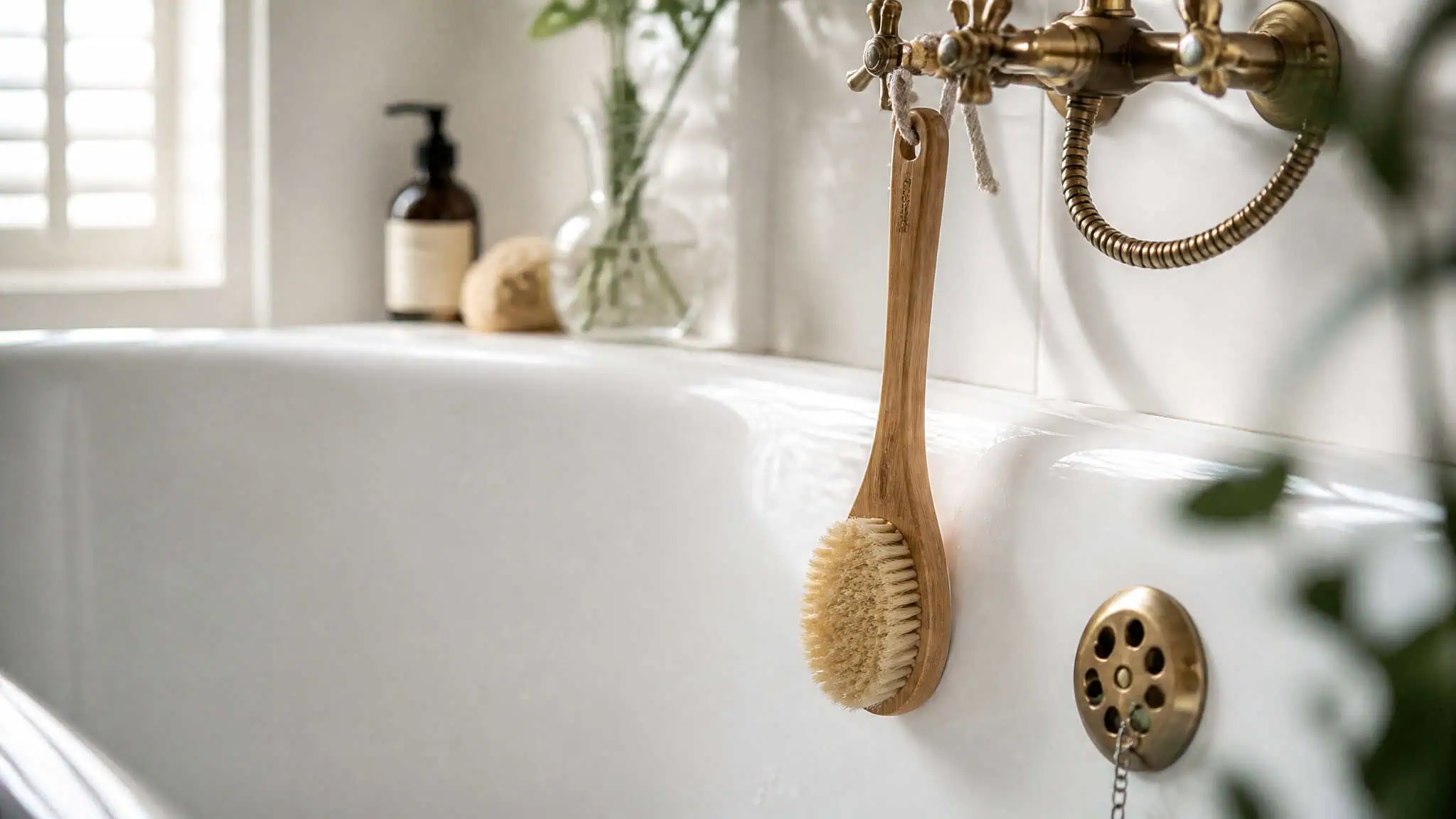
There was a toilet brush hanging from my grandmother’s bathtub faucet, and it confused me for most of my childhood.
Not the brush itself. I understood cleaning tools. What I didn’t understand was why a woman who kept a spotless house had a toilet brush sitting in her tub like it had moved in.
“You don’t use that one for the toilet, right?” I finally asked.
“That one’s for the tub,” she said, like I’d asked whether water is wet.
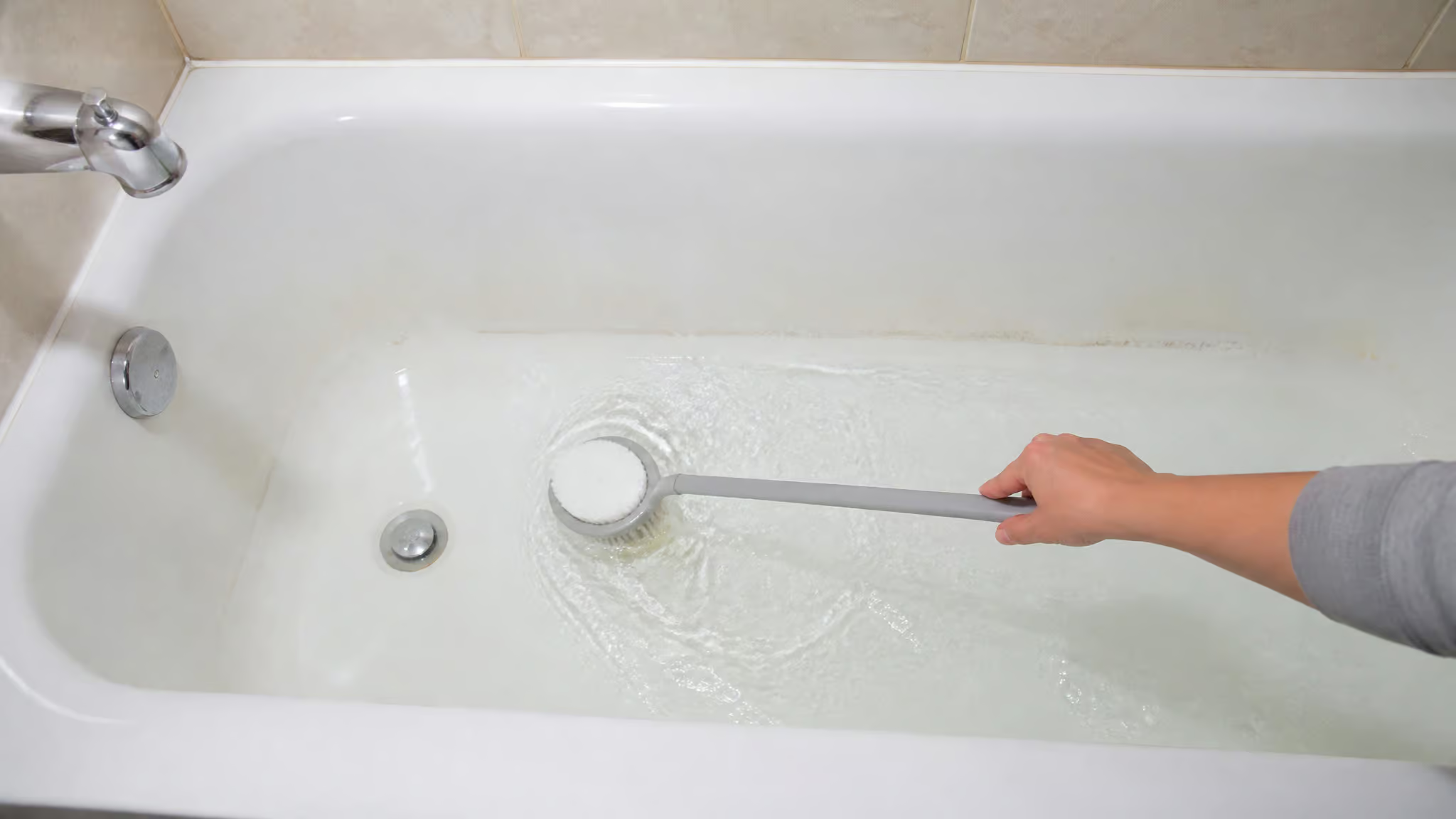
Separate brush, never confused. And what she did with it took about a minute: drain the tub, run warm water, swish that long soft-bristled handle around to loosen the soap-scum ring, sweep the water down the drain as it emptied. No cleaner at all, no harsh anything, and no kneeling.
Granny kept her home in proper order, and her tub stayed bright, with nothing but warm water and a brush she’d dedicated to the bathtub. It took me a few more decades and a few more bathrooms to realize that knowing how to clean a bathtub shower didn’t have to mean harsh chemicals, a sore back, or surrendering a Saturday.
Here’s her trick, plus the full deep-clean guide I wish someone had handed me years ago, including what to actually use on your tub’s material so you don’t permanently wreck the finish.
Key Takeaways
Granny’s daily secret: a dedicated, tub-only soft-bristled brush with a long handle, a warm-water swish after every bath, then a sweep down the drain. It takes about a minute, uses no chemicals, and the soap-scum ring never forms.
A full deep clean runs about 15-20 minutes of hands-on time, plus a one-hour vinegar soak for the showerhead and a 10-to-15-minute baking soda and vinegar drain flush.
The cleaner has to match the material: acidic cleaners are fine on ceramic, acrylic, glass, and fiberglass, but never on natural stone, and vinegar or scouring powder will permanently damage porcelain enameled steel.
Table of Contents
Gather your supplies first
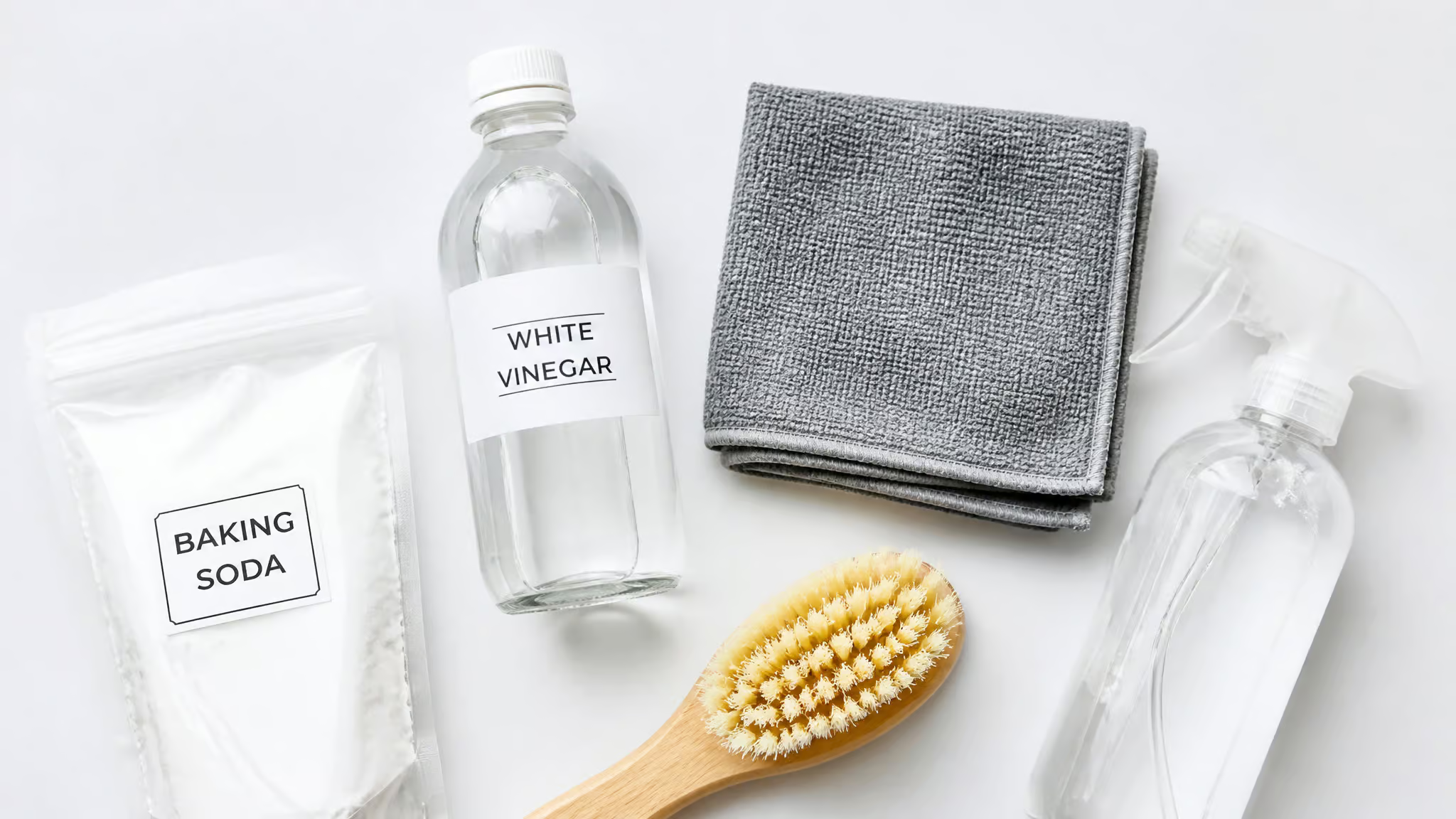
Grab everything before you start, so you’re not running back to the store mid-clean. Here’s the basket under my sink:
- Tile, stone, or glass cleaner, matched to your surface (more on that below)
- Stain remover, for spots that need focused attention
- Disinfecting spray
- Baking soda and white vinegar, the workhorses of this entire operation
- Dish soap
- Microfiber towels, the streak-free dry is worth the switch
- A squeegee, this is the daily-maintenance tool
- A soft-bristle brush
- Rubber or latex gloves, the part of cleaning that makes everything else bearable
And before you spray anything, open a window or run the fan. You’re working in a small, humid room, and ventilation isn’t optional.
The one-minute routine that beats soap scum
The daily answer to “do I really have to get down there and scrub?” is no, a dedicated brush with a long handle does all the swishing, so your knees never have to. That was Granny’s entire system, and it’s still mine:
- Drain the tub after each use. An empty tub can’t grow a soap-scum ring.
- Run warm-to-hot water to loosen whatever film is there.
- Swish the soft-bristled, long-handled brush around the whole tub.
- As the water drains, sweep the suds and film down with it.
- Repeat once or twice until the water runs clear.
No products. The repeat-until-clear part is what does the actual work, it’s not ritual, it’s the part that removes soap before it hardens into scum.
Why the dedicated brush matters
A toilet brush dedicated to the bathtub, marked, and kept somewhere it can’t be confused with the other one, because nobody wants that mix-up, is a tool with the right shape and reach for a tub. It hangs off the faucet, so it’s always there, and the long handle means you’re never bent over scrubbing. Soft bristles mean you’re loosening the film without scratching the finish.
How I use it today
I still do a version of this in my own bathroom: run the hot water, swish the long brush while the tub drains. Occasionally I’ll add a little cleaner to loosen stuck-on soap scum, but the daily habit means there usually isn’t any. That’s the whole secret: the routine keeps the deep clean from ever becoming an emergency.
The full deep clean, step by step
The two spots everyone forgets, the showerhead and the drain, have dead-simple fixes: the showerhead soaks clean in a bag of white vinegar tied over it for about an hour, and the drain gets a baking-soda-and-vinegar flush (sprinkle the soda, pour in the vinegar, close the plug, wait 10-15 minutes, then flush with boiling water). Set both and forget them while you work through everything else. A full deep clean runs about 15-20 minutes of hands-on time, plus the soaks, which fits into a real weekend.
- Prep and rinse. Pull everything out, bottles, mats, that one washcloth. Pull hair from the drain. Rinse the whole surface with clean water. Window open, fan running.
- Apply your cleaning solution. The one that matches your material. Apply generously, then let it sit for a few minutes, the soak does the scrubbing in advance.
- Scrub. Soft-bristle brush for the main surfaces, a plastic scrubber for tougher spots, an old toothbrush for corners and edges. Gentle circles. You’re cleaning, not refinishing.
- Address problem areas. Hard water, mold, rust, each has its own treatment below, and each needs to be done before the final rinse so you don’t just rinse it and pretend it’s fixed.
- Clean the fixtures and the drain. For metal faucets and fixtures, Bar Keepers Friend breaks down rust and lime scale, but not on natural stone, so check your material first. For the drain, the baking-soda-and-vinegar flush from above: soda down, vinegar over it, plug it, wait 10-15 minutes, then boiling water.
- Soak the showerhead. Fill a bag with white vinegar, secure it over the head with a twist tie or rubber band, leave it about an hour, longer if the buildup is heavy. Then remove the bag, run the water for a minute to flush it clean, and wipe the head dry.
- Wash the shower curtain and liner. Take them down and launder them. If the liner has mold that won’t come out in the wash, replace it.
- Dry everything. Microfiber cloth, all surfaces. Dry surfaces don’t grow mildew. This is the highest-payoff five minutes in cleaning.
- Put it back, and pay attention to what caused the mess. Is a bottle leaving a ring? Is the soap dish leaving a film? Fix the source, or the stain comes back with it.
- Final inspection. Check everything, especially the showerhead and the plug holes, the two spots everyone realizes they missed. Catch it now, skip the second clean next week.
Match the cleaner to your tub’s material
Glass shower doors clean best with a 50/50 water-and-vinegar solution and a microfiber cloth, which gives a streak-free finish, and the way to keep water spots from forming in the first place is a water-repellent product applied to the cleaned glass. Glass is the easy one. Everything else has rules, and getting them wrong is how finishes get permanently wrecked. If you just want the plain version, here’s the complete bathtub cleaning guide.
- Porcelain enameled steel, a workhorse: affordable, durable, easy to clean. What you skip: vinegar, scouring powder, anything abrasive. What you watch for: chips, that’s where rust starts. For a shine, a microfiber cloth with a little lemon oil does the job and smells better than any cleaner.
- Acrylic, lightweight and affordable, but it scratches. Clean with a mild soap and a soft cloth, never abrasive pads. The insider move: a coat of car wax after cleaning keeps it gleaming, and periodic waxing keeps soap scum and water spots from sticking in the first place.
- Fiberglass, a bit more fragile than it looks. For tough spots, a thick mix of baking soda, dish soap, and hot water, left to sit at least 30 minutes, then scrubbed gently, firm enough for the grime, gentle enough not to scratch. Rinse, wipe, and like acrylic, a periodic coat of fiberglass boat wax protects the surface.
- Enameled cast iron, heavy and nearly indestructible until you hit the enamel. Harsh chemicals can discolor it, so stick with a baking soda and water paste. For stubborn stains, trisodium phosphate (TSP) mixed per label instructions, gently worked in, then rinsed thoroughly.
- Cast polymer, mild soap, water, microfiber. No abrasive pads; they dull it.
- Ceramic or porcelain tile, a commercial tile cleaner for the tile, and a grout-specific cleaner for the grout lines. An old toothbrush handles the corners. And when it comes to grout and bleach? That’s a “depends”, it gets its own section below.
- Natural stone (marble, granite, travertine), the diva of the group. Never tile cleaner on natural stone. Never anything acidic, no vinegar, no lemon juice, no citrus cleaners; they etch it permanently. Use a cleaner made for stone, or mild soap and water.
Stubborn stains, solved
Hard water stains respond to vinegar and baking soda, but only if you respect the timing. Use a 50/50 white vinegar and water solution, let it sit on the stain for 15-20 minutes, then wipe and repeat as needed. Baking soda is the gentle scrubbing partner that does the physical work without scratching.
- Hard water stains, the vinegar-and-water mix, 15-20 minutes, wipe, repeat if needed. Over time, hard water also drives that yellowish discoloration on light tubs. Yellow staining has its own causes and treatments, depending on whether it’s mineral buildup, soap residue, or plain age.
- General stubborn stains, a baking soda paste or solution mixed with a half-and-half vinegar and warm water mixture handles most stubborn marks on most surfaces. Baking soda is versatile enough that it gets its own guide.
- Soap scum, the daily swish prevents it; once it’s built up, the baking-soda paste (baking soda, dish soap, and hot water) with a 30-minute sit breaks it down without abrasives.
- Mold and mildew, a diluted bleach solution applied directly to grout, left at least 10 minutes, then scrubbed and rinsed. Read the bleach section below first, especially the warning about not mixing it with vinegar.
- Rust. Bar Keepers Friend on metal fixtures works. For a rust stain that’s large or old, a commercial rust remover might be needed, read the label, test an inconspicuous spot first.
When you want to skip the scrubbing entirely
For a dirty bathtub without the bending, grab a clean, angled broom with synthetic bristles, stand up, scrub the whole tub while standing, and rinse with cold water, which chases the suds away faster than warm water. That’s the move for the days when the idea of being on your knees is a dealbreaker.
For a genuinely grimy tub: heat a solution of equal parts white vinegar and dish soap, apply it while it’s warm, and let it sit for 30 minutes. Then come back with the broom and sweep the grime loose, the soak does the heavy lifting; you just push.
And for quick touch-ups between deep cleans, a damp Magic Eraser handles most surface marks without the full routine.
Is bleach safe on a bathtub and shower?
Yes, on the right surfaces, with two warnings before you start. One: never mix bleach with acidic cleaners. The combination releases toxic chlorine gas, so after you’ve used vinegar or any acidic product, wait a full day before you even think about bleaching. Two: using bleach can void a bathtub’s warranty, check yours first.
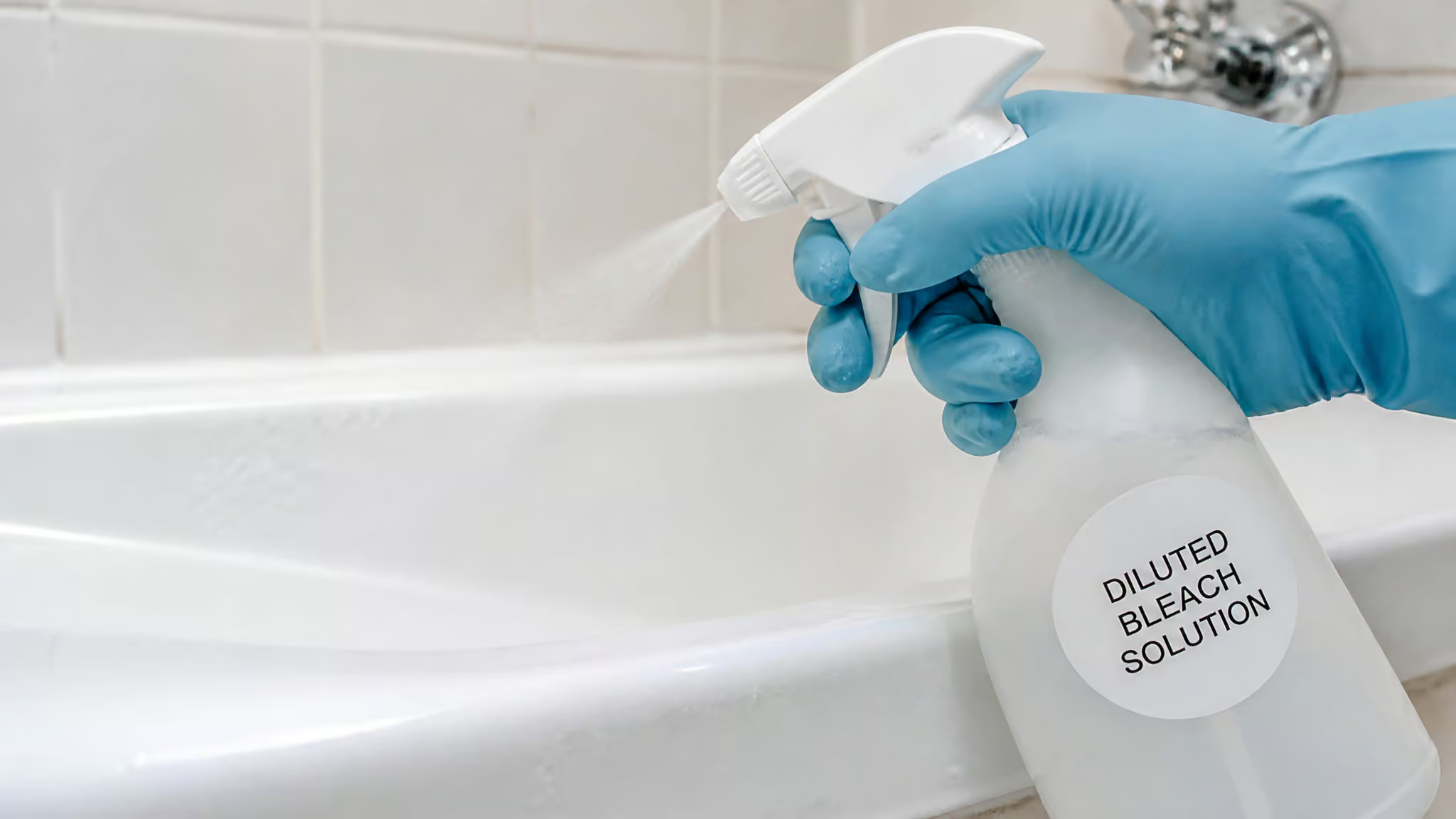
When it’s safe, the recipe is simple: 1/3 cup of bleach to a gallon of cool water. Let it sit on the surface for 6 minutes to disinfect (it kills 99.9% of germs), then rinse thoroughly.
Safe on: porcelain in good condition (no chips or cracks), glazed ceramic tile, sealed granite, acrylic, fiberglass, and chrome fixtures. Grout only if sealed, unsealed, damaged, or porous grout will discolor and degrade.
Not safe on: aluminum, chipped or cracked enamel, copper, brass, silver, unsealed wood, marble, or unsealed tile and granite. Basically: when in doubt, test an inconspicuous corner first.
If you’d rather not mix anything yourself, a ready-made bleach spray does the job: spray from 4-6 inches away until the surface is thoroughly wet, let it stand 30 seconds, then rinse or wipe.
The schedule that keeps soap scum from ever winning
Deep clean monthly if you want to stay ahead of soap scum and mildew, and if you’re consistent with the daily swish-and-squeegee habit, you can stretch it to once a quarter. Here’s the routine:
- Daily: squeegee the shower walls and floor after each use. Thirty seconds, saves you an hour.
- Weekly: wash the tub and walls with your material-appropriate cleaner, clean any suction-cup mats, including the underside, where everything hides, then dry and buff with microfiber.
- Monthly, or quarterly, if you’ve been faithful, which I believe you absolutely will be, the full deep clean from above: problem areas, mold check, fixtures, drain, showerhead.
And run the fan or open the window during and after showers. Ventilation does more mold prevention than any cleaner ever will.
What not to do (scratches are forever)
Keep a bathtub scratch-free with two rules: soft tools, and the right chemistry for the material. No abrasive pads or scouring powder anywhere, no vinegar on porcelain enameled steel or natural stone, and when a stain needs elbow grease, reach for baking soda, it scrubs without scratching.
A few more don’ts worth remembering: no steel wool, ever. No acidic cleaners on stone, they etch it permanently. Bleach is off the table for aluminum, copper, brass, silver, unsealed wood, marble, and unsealed stone. And never mix bleach with anything acidic.
When to hand it to a professional
If you’ve read all of this and your honest reaction is “someone else, please,” that’s completely valid, nothing in this article judges you. Professional cleaning services like MaidPro handle the heavy scrubbing, build you a customized cleaning schedule, and offer free estimates for an in-home visit, so you can find out what it costs with zero commitment. That exists, because cleaning a bathtub shower is real work, and sometimes the best use of your time is hiring it out.
Granny’s brush still lives on my faucet, decades and a few bathrooms later. Warm water, a swish, a sweep. It’s the cheapest cleaning habit I own, it takes about a minute, and the person who taught it to me never once got down on her knees to scrub a tub.
Neither have I.
You don’t have to either.
Frequently Asked Questions
What is the best way to clean a bathtub?
The best way depends on your tub’s material. For daily upkeep, a soft-bristled brush with warm water prevents soap scum buildup, while a deep clean with a cleaner matched to your surface—like a commercial cleaner for tile or a baking soda paste for acrylic—handles tougher grime. Avoid harsh abrasives and acidic cleaners on finishes like porcelain enamel or natural stone, which can be permanently damaged.
What do professional cleaners use to clean bathtubs?
Professional cleaners typically use non-abrasive commercial cleaners matched to the surface, along with microfiber cloths and soft-bristled brushes to avoid scratching finishes. They often rely on simple, proven solutions like dish soap and vinegar for routine grime, and they always dry surfaces afterward to prevent mildew and water spots.
Is vinegar safe to use on my bathtub?
Vinegar is safe for glass, acrylic, and fiberglass tubs, but it should never be used on natural stone or unsealed surfaces, and it will damage porcelain enamel over time. For glass shower doors, a 50/50 vinegar and water solution gives a streak-free finish. Always check your tub’s material before using any acidic cleaner.
Why does my bathtub get a soap scum ring even though I clean it?
Soap scum forms when soap residue hardens and bonds to the surface, often because it sits for too long before being wiped away. The fix is a daily rinse-and-swish routine with a soft brush right after draining the tub, which removes soap before it has time to set. This one-minute habit is more effective than occasional deep scrubbing.
What is the fastest way to remove soap scum from a bathtub?
A baking soda paste combined with dish soap and hot water is one of the fastest ways to break down soap scum without harsh chemicals. Apply the paste, let it sit for about 30 minutes, then scrub gently and rinse. For ongoing maintenance, a quick swish with a soft-bristled brush and warm water after each bath keeps the scum from ever building up.
What’s the difference between a daily bathtub clean and a deep clean?
A daily clean is a quick, product-free swish with a soft brush and warm water right after use, which stops soap scum from ever hardening. A deep clean involves matching a cleaner to your tub’s material, treating problem areas like mold and hard water spots, and flushing the drain with baking soda and vinegar—a process that takes about 15 to 20 minutes of hands-on time.