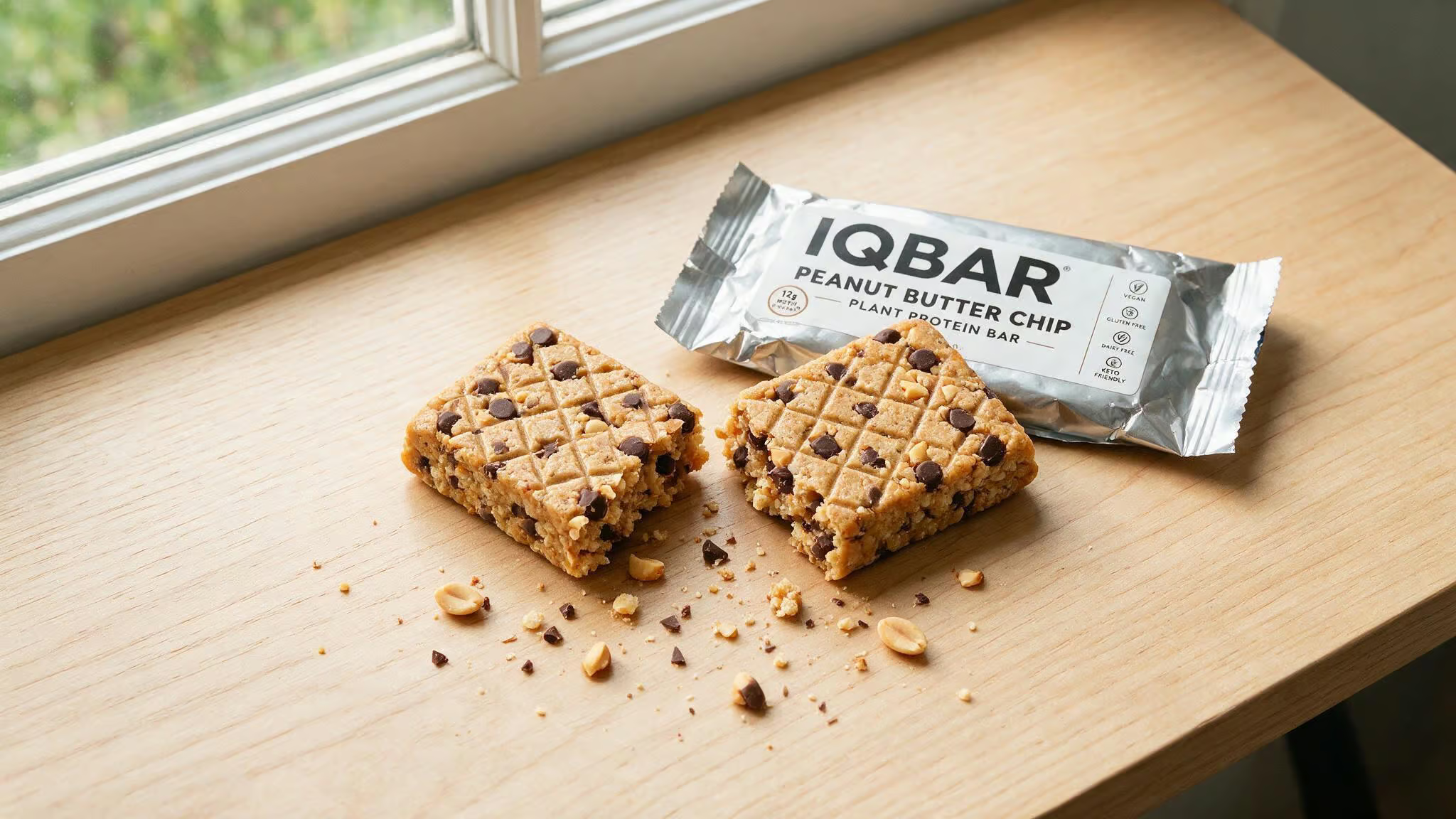
Is IQ a Good Protein Bar? I Tested the “Brain Bar” for Months
When I first saw a protein bar marketed as a brain food, I rolled my eyes. Another gimmick, I figured — slap some trendy ingredients on the label and charge a premium. Then I read the nutrition panel. Twelve grams of protein, eight grams of fiber, two grams of sugar, and a list of ingredients that didn’t look like a chemistry experiment.
I’ve tried dozens of protein bars over the years — I could live on them, and I’ve become picky. Texture matters. Taste matters. And if a bar claims to do something different, it better actually deliver.
IQBAR makes that claim loudly. The whole pitch is “brain fuel”: protein plus cognitive enhancers like Lion’s Mane mushroom and MCTs. It sounds like startup marketing copy. But the nutrition facts are impressive, and after testing these bars for months — as a sleep-deprived parent, a quick breakfast, and a hangry-prevention snack. I found myself reaching for them more than I expected.
This review holds both ideas: the concept is a little silly, and the bar is good.
Key Takeaways
IQBAR delivers 12g protein (pea-based), 8-9g fiber, and 1-2g sugar per bar — a clean macronutrient profile that meets a dietitian’s criteria for a healthy protein bar
The six “brain nutrients” (Omega-3s, MCTs, Lion’s Mane, flavonoids, Vitamin E, choline) are real ingredients at undisclosed dosages; the cognitive effect is subtle and cumulative, not a jolt
It’s online-only at about $2/bar, and the Peanut Butter Chip flavor is the standout — but the stevia/monk fruit blend leaves a slightly artificial aftertaste
Table of Contents
Nutrition — the 12g protein question
The biggest question anyone asks about a protein bar is whether the protein count works for them. IQBAR has 12 grams per bar, which I confirmed by weighing and checking multiple boxes. (One ranking source lists 11g, so there’s a minor discrepancy, but my scale says 12.) That’s a middle-ground number. It’s enough to take the edge off hunger, support muscle repair after a moderate workout, or turn a coffee into a semi-substantial breakfast. It’s not enough if you’re an athlete trying to hit 20g+ post-lift.
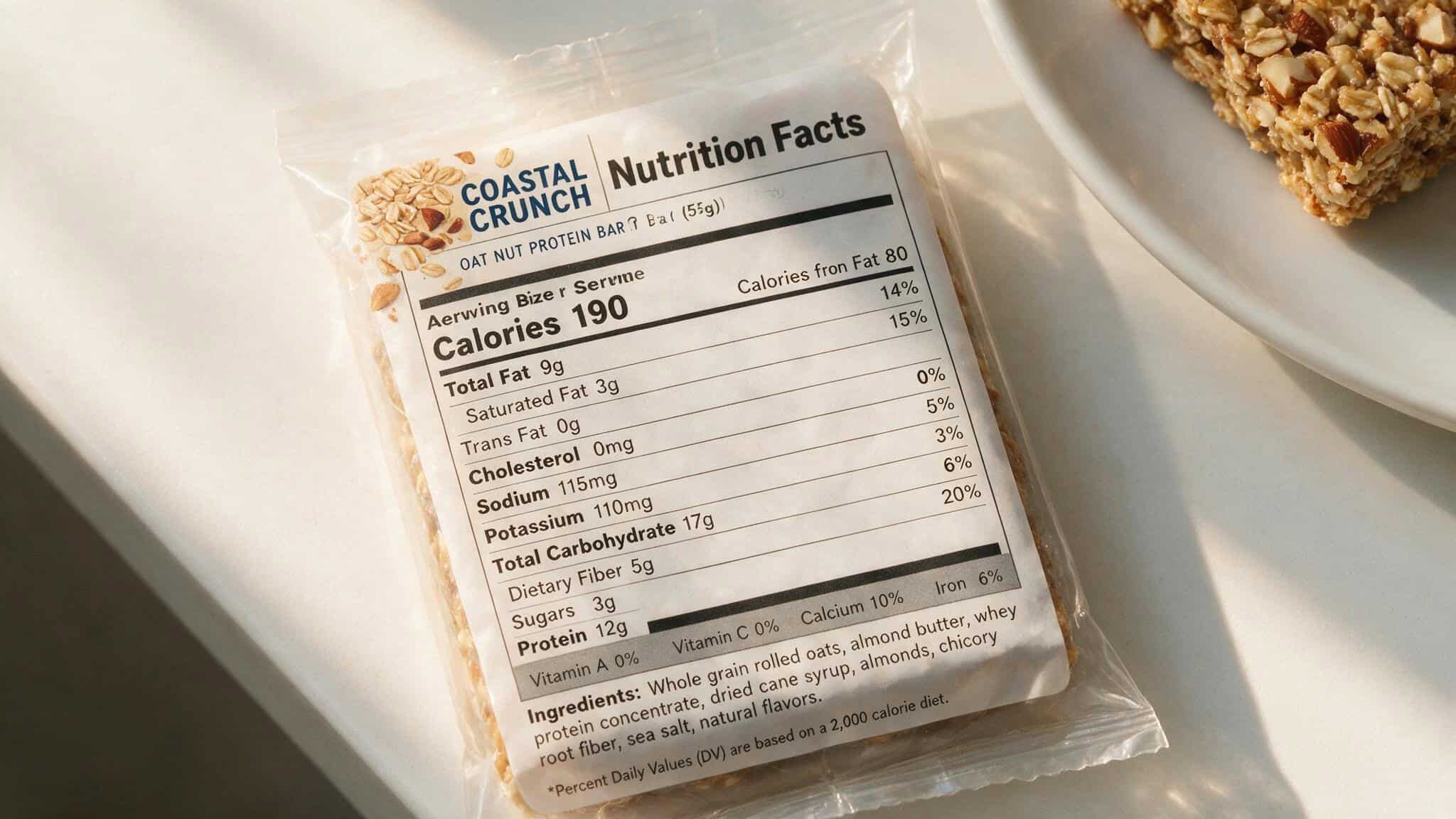
The protein comes from peas, which makes up about a quarter of the bar by weight. Pea protein isn’t a complete protein in the same way whey is — it’s lower in methionine, but for a snack bar, it’s fine. The bigger story is what else is in here. Eight to nine grams of fiber is high for a low-carb bar.
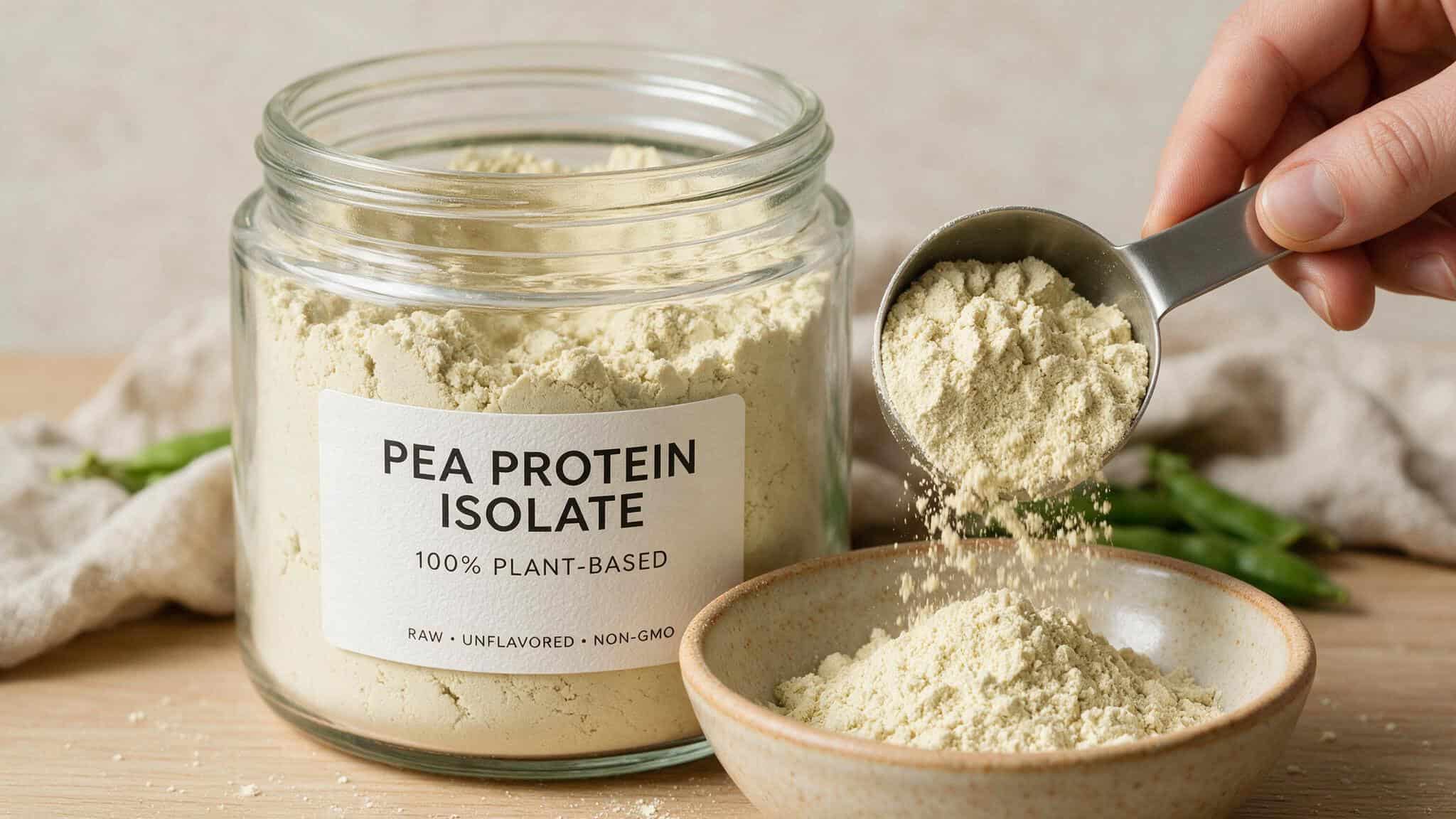
Most bars in this category hover around 3-5g. That fiber, combined with the protein and healthy fats, creates a satiety profile that rivals bars with more protein. I’ve eaten an IQBAR and felt full for three hours. That’s rare for a 200-calorie snack.
A dietitian named Megan Byrd put together a useful benchmark for evaluating protein bars: more than 10g protein, more than 5g fiber, and less than 10g added sugar. IQBAR clears all three. By those criteria, it’s a well-designed bar.
The tradeoff is familiar: more protein often means chalkier texture. At 12g, IQBAR avoids that problem entirely. Quest bars, for comparison, pack 21g protein but can taste like flavored chalk dust. RXBAR has 12g protein but is chewy and hits 13g sugar in some flavors. IQBAR lives in a smart middle zone — enough protein to matter, not so much that you’re chewing through a protein brick.
Do the cognitive benefits actually work?
Let’s address the elephant in the room. IQBAR contains six brain-targeting nutrients: Omega-3s, MCTs, Lion’s Mane mushroom, flavonoids, Vitamin E, and choline. That’s a list, not made-up marketing terms. But the dosages aren’t disclosed, and the clinical research on nootropics typically uses much higher amounts than what could fit in a 50-gram bar. Lion’s Mane, for instance, is studied at 500mg to 3g per day. No one’s telling you how much is in here.

So what does that mean in practice? I noticed cognitive benefits on days I was running on four hours of sleep or pushing through a heavy workload. Not a caffeine-like jolt — more of a mental clarity that kicked in about 45 minutes after eating. Was that the Lion’s Mane?
The MCTs? The placebo effect of eating something called a “brain bar”? Hard to say. What I can tell you is that I felt a difference during weeks when I ate these bars regularly versus weeks when I didn’t.
The honest take: this is more like slow carbs for the brain than a stimulant. If you’re expecting to feel smarter after one bar, you’ll be disappointed. If you use these consistently, especially on high-demand days, you might notice your brain feels less foggy. That’s the realistic outcome.
The ingredients are beneficial in a general sense — Omega-3s and Vitamin E are good for brain health, but no one should treat this as a clinically proven cognitive enhancer. It’s a protein bar that also supports brain function, not a smart pill you can eat.
Taste test — flavor by flavor
The texture is the first thing you notice. IQBAR is not chalky, not overly chewy, not sticky. It’s dense but pleasant, with a slight crumble that reminds me of a soft-baked granola bar. For a protein bar, that’s notable. Most bars trade protein for palatability; IQBAR found a balance that works.
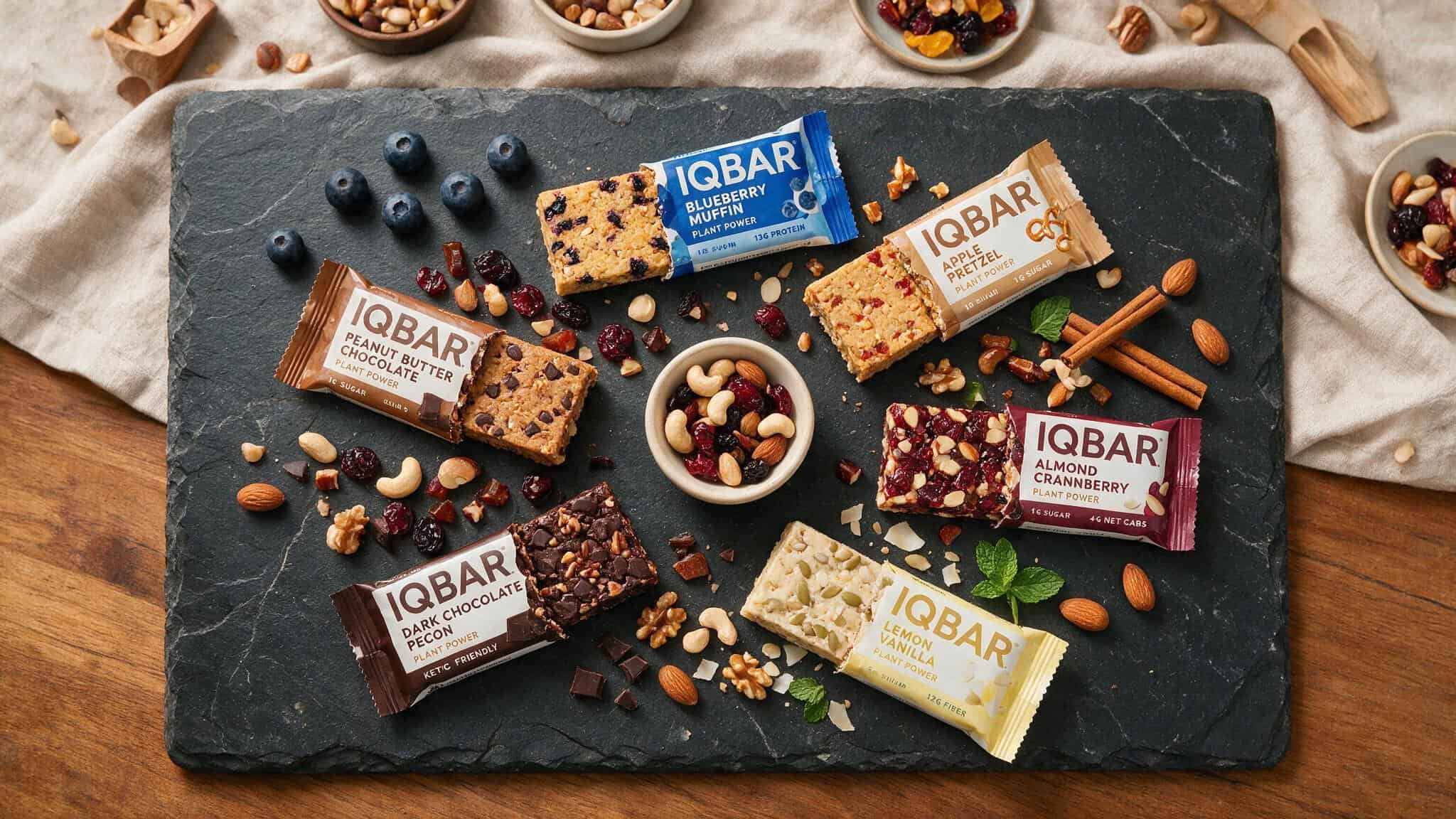
My favorite is Peanut Butter Chip. It tastes like a better-for-you peanut butter cookie — the chips add texture, the peanut butter flavor is natural, and the sweetness level is moderate. Chocolate Sea Salt is the classic choice, and Chocolate Mint Chip tastes like a thin mint in bar form, if that’s your thing. The fruit flavors.
Lemon Blueberry, Wild Blueberry, Banana Nut are lighter and more tart. Wild Blueberry has the lowest net carbs, so it’s the go-to for keto dieters.
There’s one thing you should know: the stevia and monk fruit blend leaves a slightly artificial sweetener taste. It’s not strong — I got used to it after a few bars, but it’s there. If you’re sensitive to stevia’s bitter finish, you might notice it more. The natural sweeteners (stevia, monk fruit, allulose) mean no sugar alcohols, which is a big plus for digestion, but the taste tradeoff is real.
IQBAR offers a 7-bar sampler pack, and that’s how I’d recommend starting. It includes Chocolate Sea Salt, Peanut Butter Chip, Almond Butter Chip, Chocolate Mint Chip, Toasted Coconut Chip, Lemon Blueberry, and Wild Blueberry. Try them all,find your favorites, then order a box of the ones you like. Field Agent reviews show the range of opinions — some people rate it 5/5, one reviewer called it “very disappointing for a protein bar.” Taste is subjective, but the sampler takes the risk out.
Ingredients — what’s in, what’s out
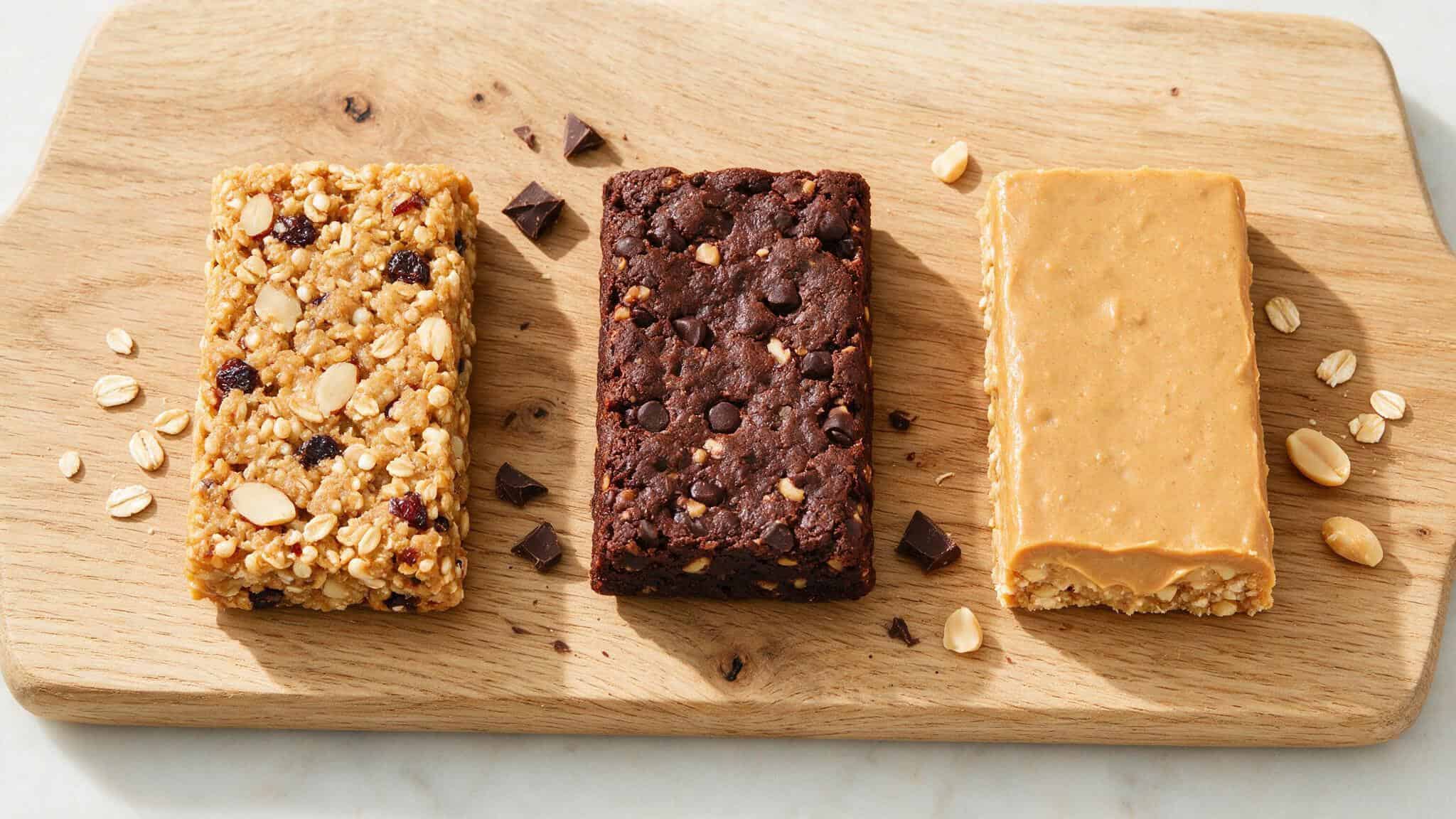
Most “clean” protein bars still use canola oil or soy lecithin. IQBAR is transparent about what it avoids. No seed oils — no canola, no sunflower, no soybean. Instead, they use coconut oil and MCT oil.
By avoiding canola, sunflower, and soybean oils, which are linked to chronic inflammation. IQBAR positions itself as an anti-inflammatory snack. That’s a meaningful distinction for anyone who reads labels closely and wonders what is the healthiest protein bar brand.
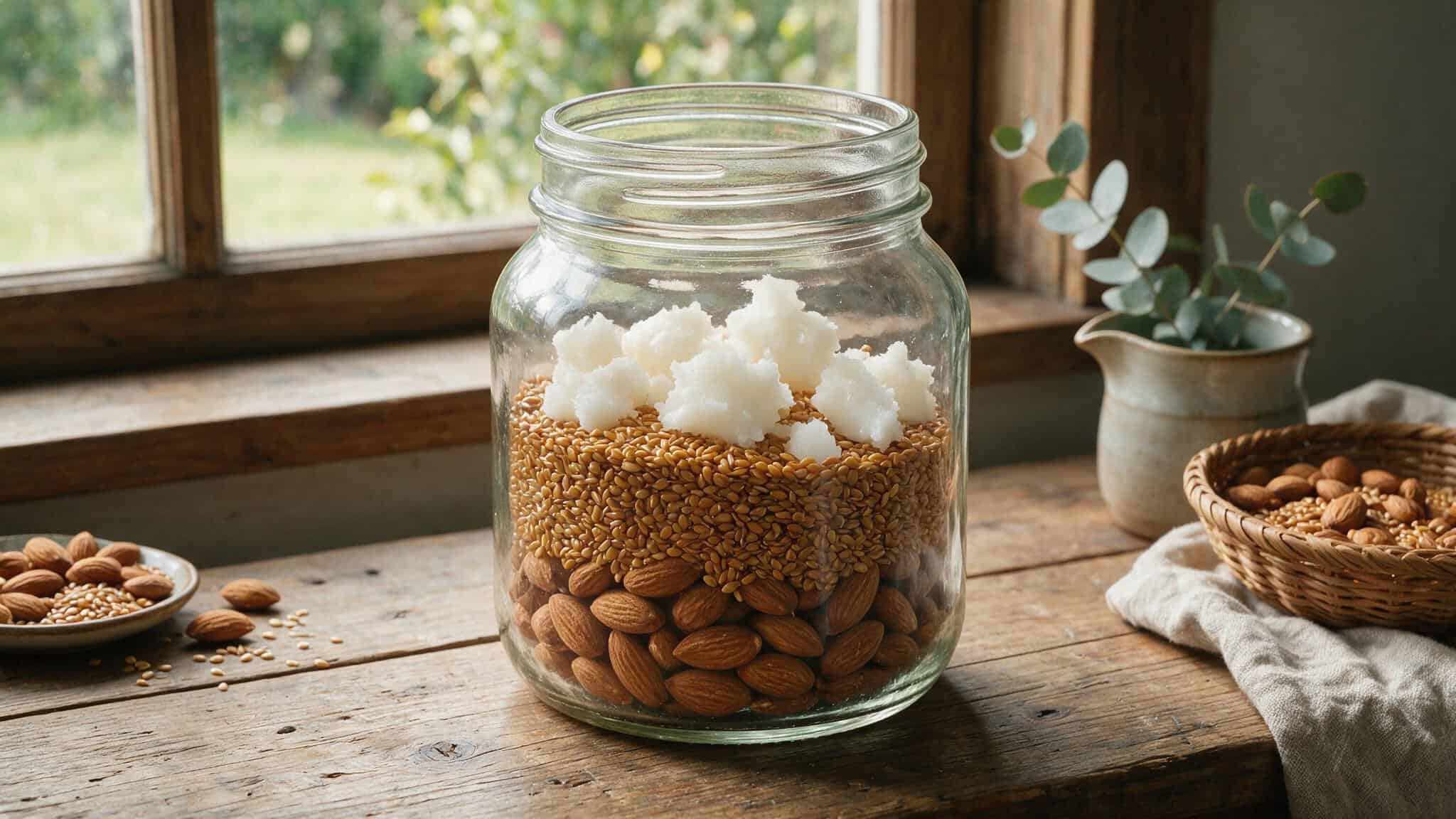
The full ingredient list reads like actual food: almonds, pea protein, allulose, flaxseeds, coconut oil, and natural flavors. The natural flavors are WONF (with other natural flavors), which the manufacturer explains are non-GMO, extracted from 100% natural sources, and free of the Top 8 Allergens. That’s transparency for a category where “natural flavors” usually means “ask your lawyer.”
Certification-wise, IQBAR checks almost every box: Non-GMO, gluten-free, dairy-free, soy-free, vegan, and kosher. Most flavors are vegan (a few aren’t, so check the label). Clean Label certification adds another layer of credibility. For someone with dietary restrictions, this bar is unusually accommodating, but are IQ bars actually good for you? A nutritionist-informed take says their real ingredients work for both kids and adults.
The sweetener blend deserves special mention. Stevia and monk fruit are natural zero-calorie sweeteners, and allulose is a rare sugar that tastes like sugar but doesn’t spike blood glucose. No erythritol, no maltitol, no sugar alcohols. That’s the reason I had zero GI issues with IQBAR — unusual for me, since many bars with sugar alcohols leave me bloated and uncomfortable. More on that in a moment.
Price and where to buy
IQBAR runs about $2 per bar when you buy a 12-pack ($24.99). That’s not cheap, but it’s competitive for a bar with this ingredient profile. The 7-bar sampler pack is the same per-bar price, so you’re not penalized for trying before committing.

Downside: it’s online-only. You won’t find these at the grocery store or Costco. You have to plan ahead. The 12-month shelf life helps — toss a box in your pantry and forget about it until you need it.
There’s a promo code, MINDBODYDAD, that takes 15% off. That brings the price down to about $1.70 per bar, which is a solid deal for what you’re getting. I use it on every order.
My overall rating breakdown: Taste 5/5, Essential Nutrients 5/5, Ingredient Quality 5/5, Health Benefits 5/5, Price 4/5, Value 5/5, Overall 4.5/5. The price is the only category that didn’t get a perfect score, and even then, it’s reasonable for the quality.
How it stacks up against other bars
Megan Byrd, a dietitian writing at The Oregon Dietitian, ranked IQBAR #4 out of 12 in March 2020 in her honest, mom-tested IQ bars review. The data’s a few years old, but it’s useful for relative comparison. Here’s how the top contenders looked:
- Zing Vitality Bar (Dark Chocolate Cherry Almond, $2.08/bar, 11g protein) — ranked #1
- Primal Kitchen Collagen Fuel Bar (Macadamia Sea Salt, $1.83/bar, 14g protein) — ranked #2
- Perfect Protein Bar (Coconut Peanut Butter, $2.49/bar, 16g protein) — ranked #3
- IQBAR — ranked #4
- Power Crunch (French Vanilla Creme, $1.42/bar, 14g protein, wafer-like texture) — ranked #6
- Bulletproof Collagen Protein Bar (Vanilla Shortbread, $3.33/bar, 12g protein) — ranked #12, described as “dry and bland”
In my experience, Power Crunch is tasty but messy — the wafer crumbles everywhere. Bulletproof’s bar was borderline inedible; I couldn’t finish it. IQBAR lands in a sweet spot where the taste, texture, and nutrition all work together. It doesn’t have the protein count of a Quest or the price of a Power Crunch, but it has a combination, clean ingredients, cognitive angle, high fiber, low sugar, that no other bar in the top 5 matches.
Who should buy IQBAR — and who should skip it
This bar serves a specific purpose. It’s a smart snack for mental performance, not a post-workout muscle builder. Here’s who I’d recommend it to:
- Health-conscious snackers who prioritize clean ingredients and want to avoid seed oils, sugar alcohols, and artificial junk
- Keto dieters — especially the Wild Blueberry flavor, which has the lowest net carbs
- Vegans (most flavors qualify)
- Anyone on a gluten-free diet (all flavors are certified gluten-free)
- Sleep-deprived people looking for a subtle cognitive boost during heavy work periods
- People who’ve had GI issues with other bars — I had none with IQBAR, and the absence of sugar alcohols is the likely reason
Who should skip it:
- Athletes needing 15g+ protein per bar — this isn’t enough for serious recovery
- People sensitive to stevia aftertaste — the sweetness is natural but not invisible
- Anyone who wants to grab a bar at the corner store — online-only is a real limitation
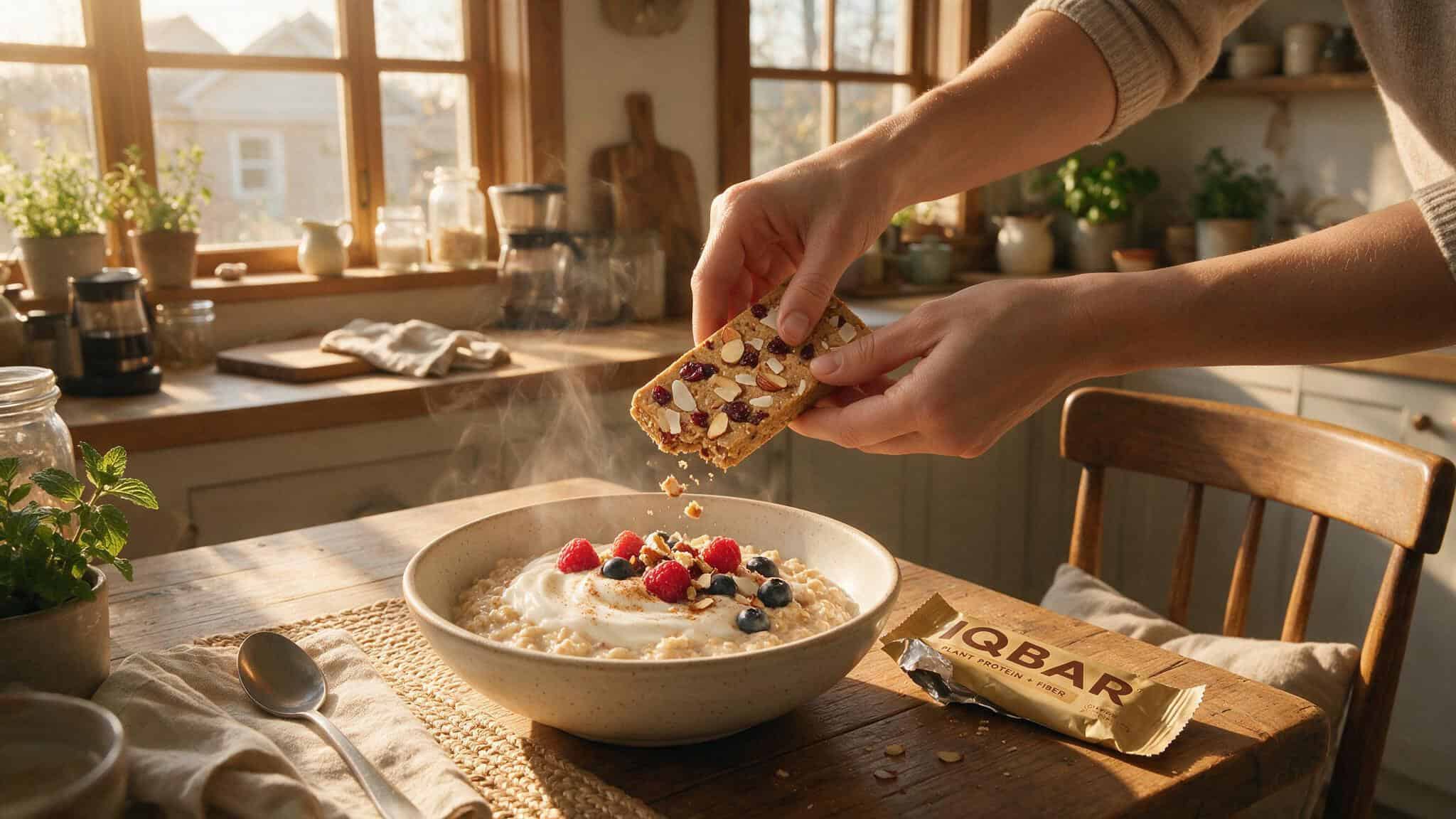
Practical usage tips from my own routine: crumble one over yogurt or oatmeal for a protein boost at breakfast. Keep a few in your car or desk drawer for those moments when hunger hits and you’re one bad decision away from a vending machine. The 12-month shelf life makes stash-and-forget a valid strategy.
Potential side effects and what to watch for
I was surprised — no bloating, no GI distress, nothing. That’s rare for me. Most protein bars with sugar alcohols or high fiber leave me uncomfortable for hours. IQBAR uses allulose, chicory root fiber, and soluble tapioca fiber instead.
For most people, those ingredients are gentle. For sensitive individuals, any fiber source can cause gas or bloating, so your mileage may vary.
The stevia and monk fruit blend may leave a slight aftertaste. It’s not strong, but if you’re used to sugar-sweetened bars, you’ll notice the difference. Some people love the taste; one Field Agent reviewer gave it 1/5. That’s the nature of natural sweeteners.
The brand’s FAQ is refreshingly direct about what’s in the bar and what isn’t. If you have specific food sensitivities, their transparency makes it easy to decide.
Final verdict
Yes, IQBAR is a good protein bar — with the right expectations.
It earns a 4.5/5 overall because it delivers on its promises: remarkable texture for a protein bar, genuinely clean ingredients (no seed oils, no sugar alcohols, no artificial sweeteners), a unique cognitive angle that’s more than marketing fluff, and a macronutrient profile that works for most people who aren’t elite athletes. The 12g protein is enough for a snack or light meal replacement. The 8-9g fiber and 1-2g sugar are best-in-class numbers.
The downsides are real but manageable: online-only availability means you have to plan ahead, the stevia aftertaste is noticeable, and the cognitive benefits are cumulative rather than immediate. If you need 20g+ protein per bar, look elsewhere.
Buy this if you want a clean, low-sugar, high-fiber protein bar that also supports brain function, and you’re willing to order online. Skip this if you need serious post-workout protein, hate stevia, or want to grab a bar from the convenience store on your way to the gym.
I keep a box in my pantry and one in my desk. That’s my honest recommendation.
Frequently Asked Questions
Are IQ protein bars good for you?
Yes, by most dietitian benchmarks. They clear the common criteria of more than 10g protein, more than 5g fiber, and less than 10g added sugar — with only 1-2g of sugar and 8-9g of fiber per bar. The ingredients are clean, with no seed oils, sugar alcohols, or artificial sweeteners, making them a solid choice for a healthy snack.
What is the most unhealthiest protein bar?
That title often goes to bars loaded with sugar alcohols, seed oils, and artificial ingredients. Bulletproof Collagen Protein Bar, for example, has been described as dry and bland with a less impressive ingredient profile. IQBAR avoids those pitfalls entirely by using allulose, monk fruit, and no seed oils.
How much protein is in an IQBAR?
Each bar contains 12 grams of pea protein. That’s a middle-ground amount — enough to curb hunger and support moderate recovery, but not enough for serious post-workout muscle repair. The protein is plant-based and pairs with 8-9g of fiber for strong satiety.
What does IQBAR taste like?
The texture is dense but pleasant, like a soft-baked granola bar — not chalky or overly chewy. Peanut Butter Chip is the standout flavor, tasting like a better-for-you peanut butter cookie. The stevia and monk fruit blend leaves a slight artificial aftertaste, but most people get used to it after a few bars.