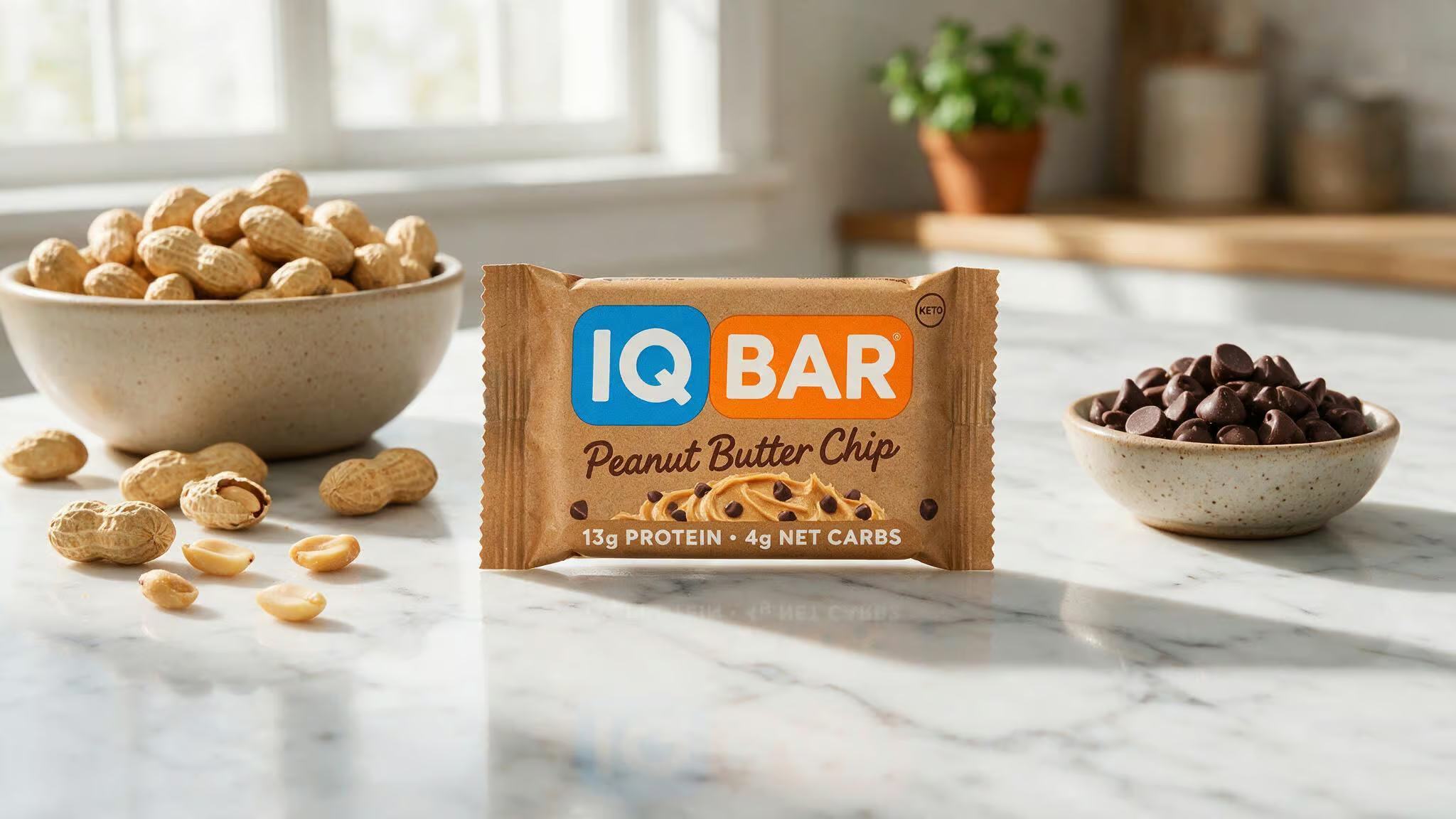
I could live on protein bars. That’s not an exaggeration — I’ve tried countless varieties over the years, and somewhere along the way I became a protein bar snob. Texture has to be right (not chalky, not so chewy my jaw aches). Taste has to be enjoyable, not something I’m tolerating. And the nutrition needs to be clean, adequate protein without inflammatory ingredients or excessive sugar.
Most bars fail at least one of those three. Some fail all of them.
So when I discovered IQBAR a few years back, I was skeptical. A plant-based bar with 12 grams of protein and a list of brain-focused ingredients sounded like marketing over substance. But it surprised me — it hit all three of my criteria. The texture worked.
The taste worked. The nutrition worked. And on top of that, it added cognitive enhancers that, on nights I’ve been up all night with kids, made the next day feel manageable.
I’ve been eating these bars consistently for months now, and I’m ready to give a full breakdown — what works, what doesn’t, and whether the brain-fuel promise actually delivers.
Key Takeaways
IQBAR earns a 4.5/5 overall rating with top marks for taste, ingredient quality, and nutritional value, though some flavors have a slight artificial sweetener aftertaste
Each bar packs 12g protein, 8-9g fiber, 1-2g sugar, and 3g net carbs — an unusually clean nutritional profile that includes six specific brain-supporting ingredients (Omega-3s, MCTs, Lion’s Mane, Flavonoids, Vitamin E, and Choline)
The main tradeoff: 12g protein is solid but lower than some competitors (RXBAR, Quest offer 20g), and bars are primarily available online rather than in most stores
Table of Contents
What makes IQBAR different — The brain-fuel promise
On paper, IQBAR looks like a solid protein bar. Each one delivers about 160-170 calories, 12 grams of pea protein and almond butter, 8-9 grams of fiber, and just 1-2 grams of sugar with only 3 net carbs. It’s plant-based, low-carb, keto-friendly, and most flavors are vegan. The certifications include Non-GMO, Gluten-Free, Dairy-Free, Soy-Free, Kosher, and Clean Label.
What sets this bar apart is the dual architecture. Most protein bars are designed to fuel your muscles. IQBAR is designed to also fuel your brain. The manufacturer includes six specific cognitive enhancers: Omega-3s (the fatty acids you usually get from fish), MCTs (fats that provide quick brain energy, popular in keto circles), Lion’s Mane (an adaptogen mushroom known to support focus and clarity), Flavonoids (polyphenols found in dark chocolate and berries), Vitamin E, and Choline (essential for memory, commonly found in eggs). Those flaxseeds pull double duty — they’re the source of the Omega-3s and a big reason the bar hits 8-9 grams of fiber.
That’s six brain-focused ingredients packed into what looks like an ordinary snack bar. Whether they actually work is another question — I’ll get to that. But from a formulation standpoint, I haven’t seen another bar attempting this combination.
The ingredient philosophy is equally important. No seed oils — instead, they use coconut oil, MCT oil, and almonds. No artificial sweeteners, they use stevia or monk fruit extract. IQ Bar’s natural flavors are non-GMO and extracted from 100% natural sources… WONF flavors. Whole food ingredients like almonds, dates, and chicory root fiber make up the base.
Field note: Six brain-focused ingredients in a single snack bar is unusual — most competitors target muscle recovery only, not cognitive function.
Taste test — How each flavor measures up
IQBAR gets the texture right first. Many vegan protein bars end up chalky, dry, or aggressively sticky. These are none of those things. They’re satisfying without being chewy in that annoying way RXBARs can be — you know, where the bar glues itself to your teeth and you spend the next ten minutes picking date fibers out of your molars.
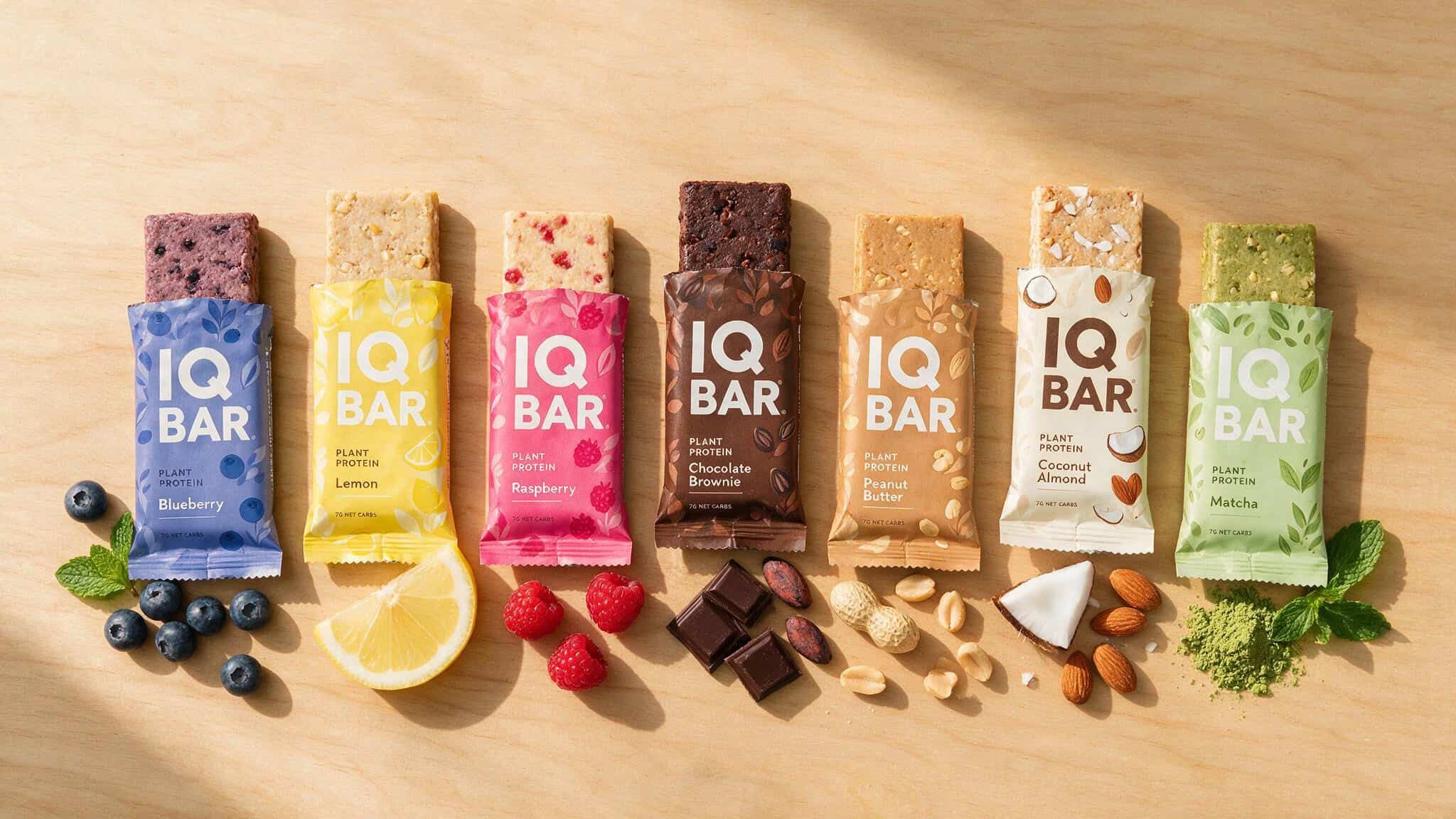
Peanut Butter Chip is my personal favorite and the flavor I’d recommend to anyone trying IQBAR for the first time. It tastes like a genuinely good peanut butter snack, not a protein bar pretending to be one. The chocolate chips add just enough sweetness.
Chocolate Mint Chip is the crowd-pleaser, and it earned the description “healthy Thin Mints” from testers in the Another Mother Runner review. I gave one to my tween kids, and they immediately grabbed another from my stash — which is about as high praise as you can get from that demographic.
The full lineup includes Chocolate Sea Salt, Almond Butter Chip, Toasted Coconut Chip, Lemon Blueberry, Banana Nut, Wild Blueberry, and Matcha Chai. I’ve worked through most of them, and the chocolate-based and nut-based flavors are the strongest. The fruit flavors are fine — the Wild Blueberry has the lowest net carbs, making it the best keto option, but they lean a little more toward that health-food taste.
One honest caveat: some flavors have a slight artificial sweetener aftertaste. It’s not strong, but if you’re sensitive to stevia or monk fruit, you’ll notice it. The Oregon Dietitian review caught this too, and I agree it’s noticeable on certain flavors more than others. It wasn’t a dealbreaker for me, but it’s worth knowing.
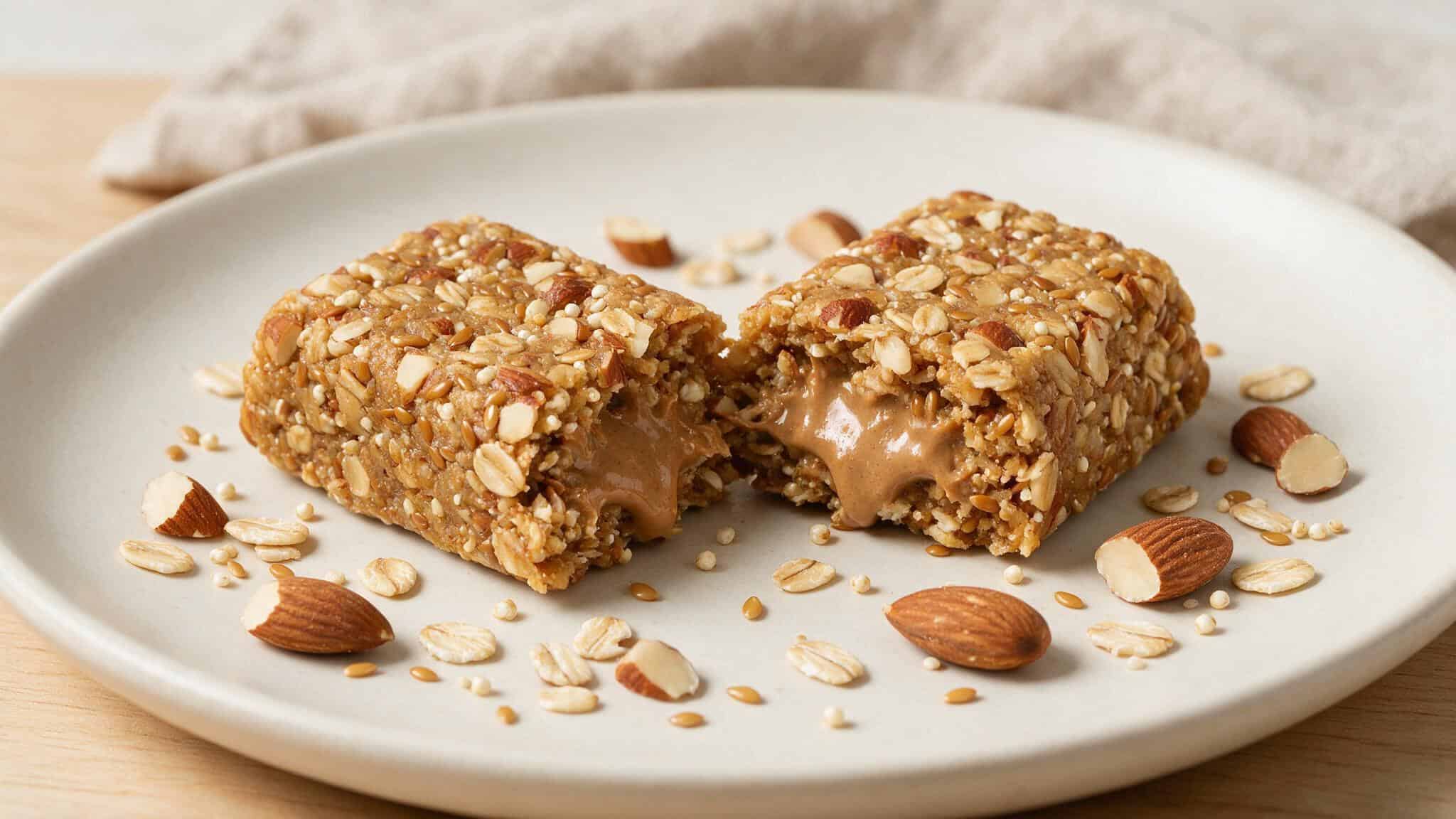
Nutrition deep dive — Protein, fiber, carbs, and what the numbers really mean
Let’s talk about where IQBAR excels and where it makes tradeoffs, because the nutrition story is more interesting than the label suggests. So, are IQ bars actually good for you? A nutritionist-informed take on whether they are a healthy choice for kids and adults, with a focus on real ingredients.
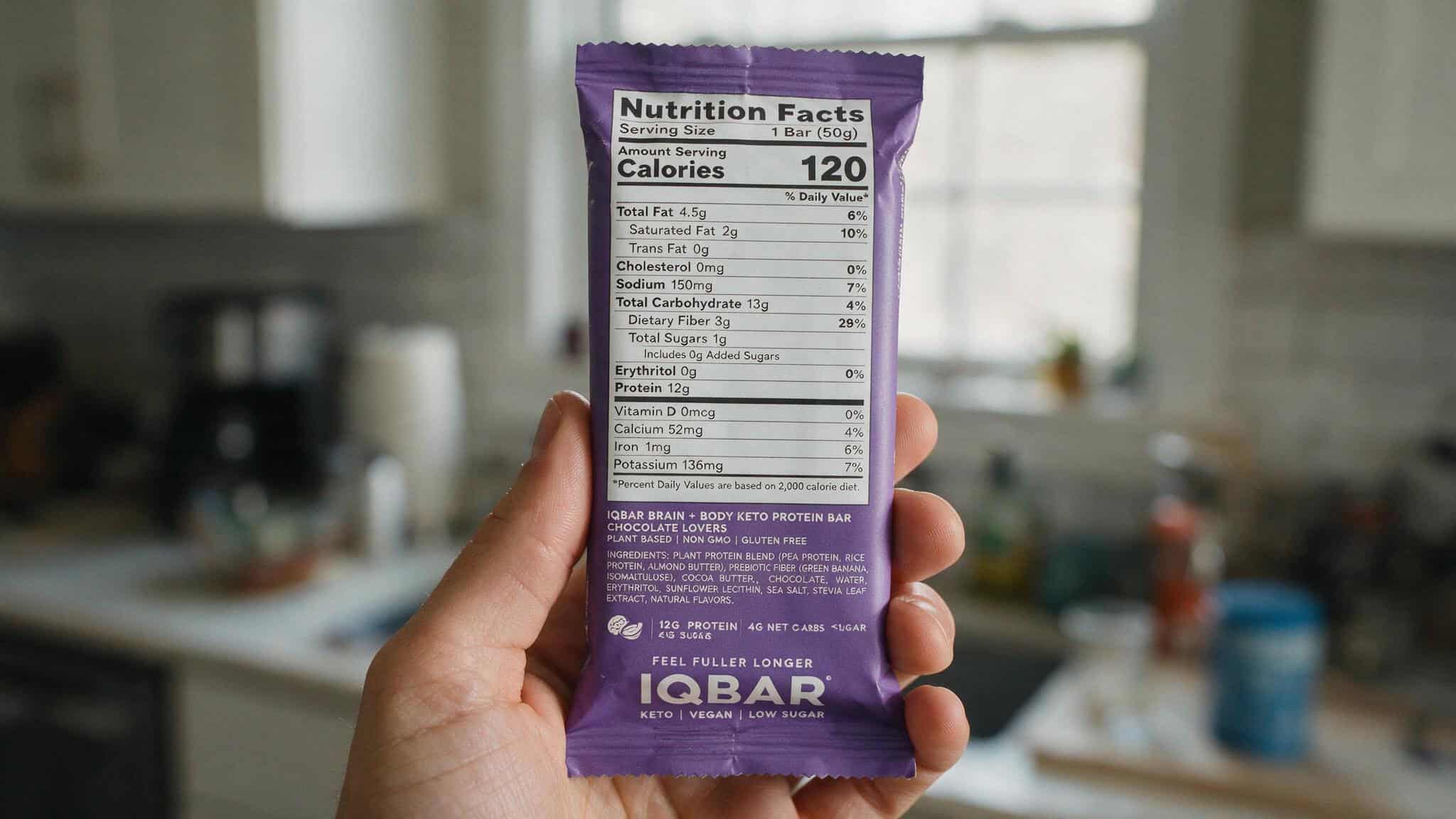
The fiber content is the standout. Each bar delivers 8-9 grams of fiber, sourced from soluble tapioca fiber, chicory root fiber, and flaxseeds. For context, most protein bars hover around 2-5 grams. That’s a difference, and it makes IQBAR useful for gut health and satiety. I noticed this personally — I’ve had GI issues with other protein bars that disappeared when I switched to these.
The sugar content is equally low. At 1-2 grams per bar, it’s virtually sugar-free, with sweetness coming from allulose, stevia, and monk fruit. Many competing bars pack 10-20 grams of sugar, sometimes from dates, sometimes from added sweeteners. That 1-2 grams per bar is essentially zero sugar, which matters if you track carbs for keto, blood sugar, or just cleaner eating.
The protein is where the tradeoff shows. 12 grams is adequate for a snack bar, coming from protein crisps (pea protein, tapioca starch) and almond butter. It’s enough for a post-workout refuel or an afternoon pick-me-up. But some competitors offer 20 grams or more. If you’re looking for a heavy protein hit after lifting, IQBAR might leave you wanting. The manufacturer seems to have prioritized fiber and cognitive ingredients over maxing out the protein count, and I think that’s a reasonable choice — just one worth knowing.
The carb math works like this: each bar has about 3 grams of net carbs (total carbs minus fiber and sugar alcohols). That’s low enough for keto diets, especially the Wild Blueberry flavor which has the lowest net carb count. By comparison, many other bars go upwards of 25 grams of carbs.
The fat profile is also seed-oil-free. Instead of seed oils (canola, sunflower, soybean — the cheap stuff that shows up in so many processed foods), IQBAR uses coconut oil, MCT oil, and almonds. Gum acacia and sunflower lecithin help bind the bar and maintain texture. That matters if you avoid seed oils for health or preference reasons.
Key takeaway: At 8-9g fiber and 1-2g sugar, IQBAR fills a nutrition niche most protein bars ignore — gut health and blood sugar stability over raw protein volume.
Do they really work? Cognitive benefits and real-world results
This is the question I get asked most often, and I want to be honest about the answer.

The cognitive effects are subtle — not like coffee, no jolt, no sudden alertness, no buzz. It’s more like a gradual defense against mental fatigue. On days I’ve been up all night with kids, and there have been many. I’ve noticed that eating an IQBAR helps me stay functional without the caffeine crash.
I can’t say whether it’s the Lion’s Mane or the MCTs or the combination of all six brain nutrients working together. That’s above my pay grade. What I can say is that on sleep-deprived days or high-workload times, I’ve felt more clear-headed and less foggy. The Omega-3s in each bar are known to support brain health, which may contribute to that effect. Hard to separate whether that’s the cognitive ingredients or simply swapping a vending machine disaster for a solid bar.
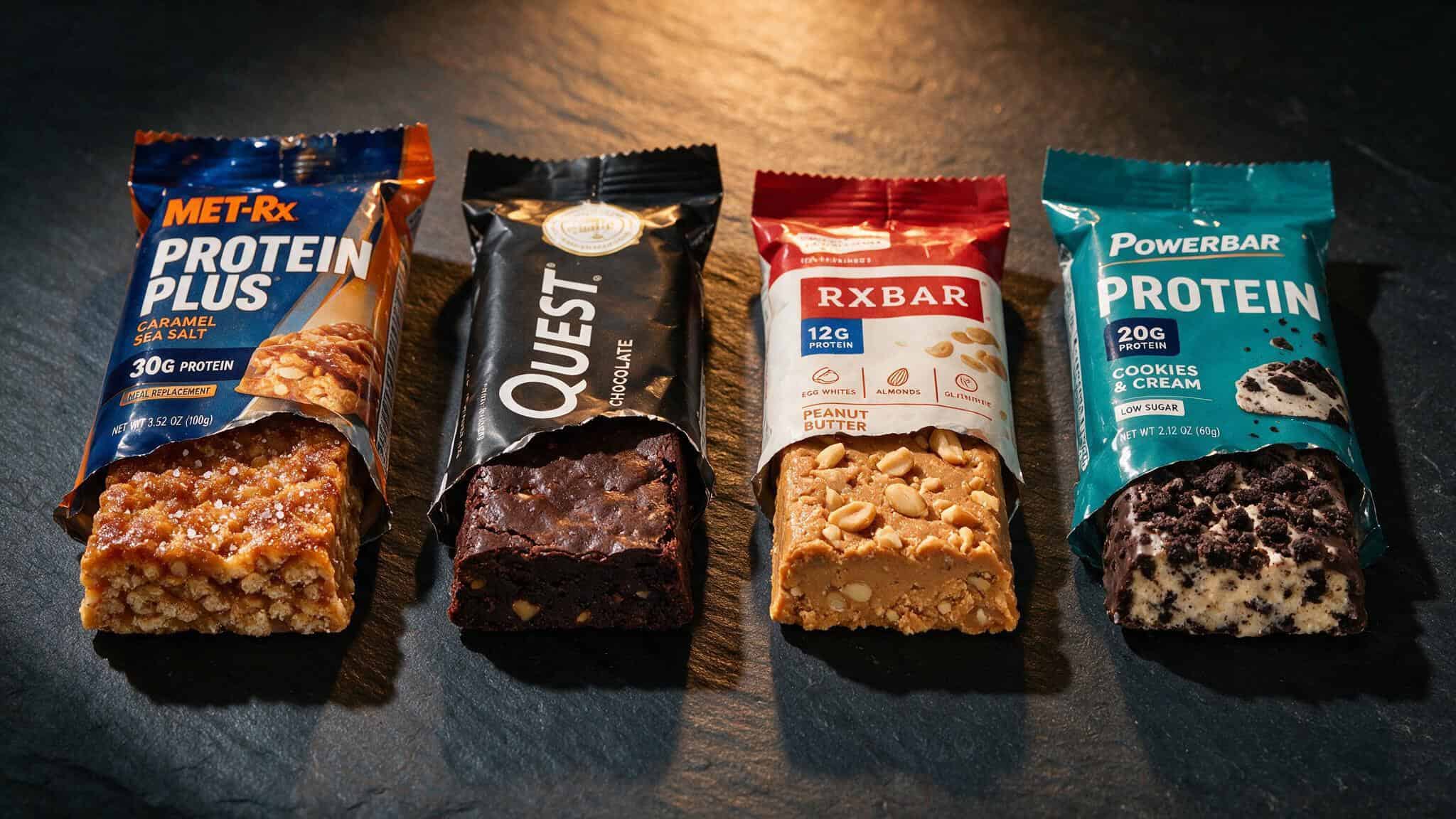
One thing to note: some flavors may contain caffeine or stevia, and if you’re giving these to kids, check the label. The cognitive enhancers are formulated for adults, not children, and some parents may want to limit certain ingredients.
In short: don’t expect a cognitive transformation. Do expect a well-formulated snack that may give you a steadier edge than a standard protein bar. For me, that’s enough.
IQBAR vs. the competition — How it stacks up
Here’s how IQBAR compares to the usual suspects.
RXBAR is probably the most direct comparison since it’s also focused on clean ingredients. But RXBARs are aggressively date-heavy, extremely chewy, and have a bitter aftertaste that some people (including me) find off-putting. They also tend to glue themselves to your teeth — one reviewer noted that an errant nut in an RXBAR actually took out the corner of a tooth. To see what real Reddit users are saying about unfiltered opinions, pros and cons, and comparisons, check out this IQ bars review reddit. IQBAR is much more pleasant to eat.
Quest and NO COW both have that artificial sweetener taste I mentioned, but more intensely. Quest’s cookie dough flavor tastes almost exactly like cookie dough, but the aftertaste is strong enough that I can only eat them occasionally. NO COW has been described as dry, dry, dry with a grainy, gritty feel — that’s been my experience too. BAREBELLS offers a Creamy Crisp bar that is lighter in texture, while BUILT makes a Cookie Dough Chunk Puff that is marshmallow-like — both are different approaches worth noting.
Go Macro is organic and vegan but has lower protein (10g) and higher carbs. It’s fine as a snack but doesn’t compete on satiety or blood sugar management.
The Oregon Dietitian (Megan Byrd, RD) ranked IQBAR 4th out of 12 bars, praising the high fiber and low sugar while noting the slightly artificial sweetener taste. The Another Mother Runner team tested seven bars and singled out the Chocolate Mint Chip as a favorite, with two tween kids grabbing them from their moms — which is about as real-world a test as you can get.
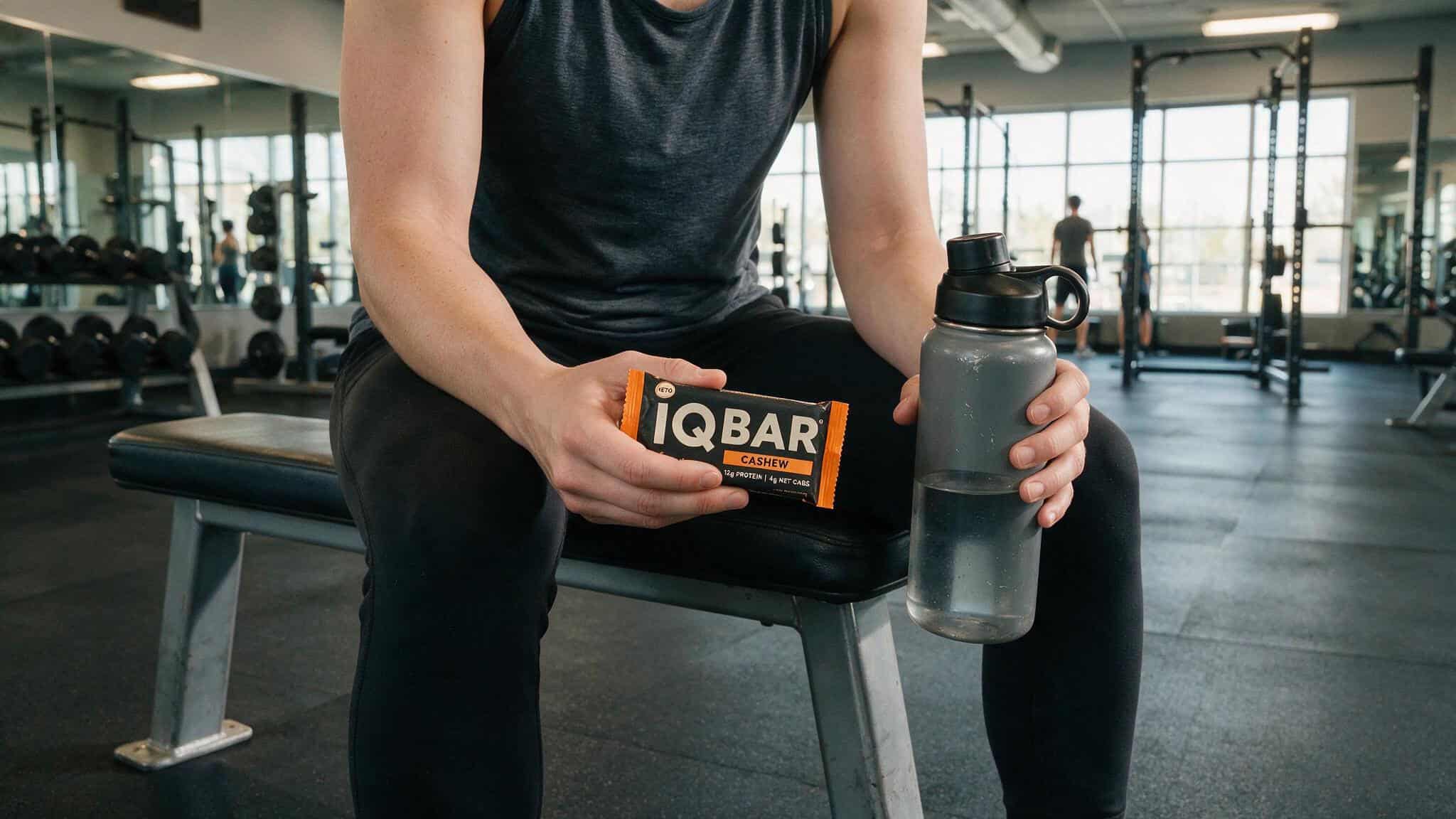
Where IQBAR wins: fiber, sugar content, and the unique cognitive enhancers. No other bar in this comparison is attempting the brain-fuel angle. Where it loses: protein volume (12g vs 20g in some competitors) and store availability.
The honest verdict — Pros, cons, and ratings
Here’s my full rating breakdown:
- Overall: 4.5/5
- Taste: 5/5 — I enjoy eating these
- Essential Nutrients: 5/5 — the brain ingredients are a differentiator
- Ingredient Quality: 5/5 — clean sourcing with no seed oils or artificial junk
- Health Benefits: 5/5 — the cognitive angle matches my experience
- Price: 4/5 — not the cheapest, but fair for what you get
- Value: 5/5 — good value given the quality
The two real drawbacks: I’d like a bit more protein (12g is commendable but some of us want 15-20g), and the bars are primarily available online. You can’t just grab one at a gas station or most grocery stores. Sam’s Club carries them (163 ratings, 160 reviews — mixed, as you’d expect for any product), but they’re not everywhere.
On the safety question: I’ve eaten these daily for months with no issues. The only side effect I noticed was the disappearance of GI problems I had with other bars. That said, if you’re sensitive to fiber, the 8-9g per bar might be more than you’re used to — start with one and see how you feel.
Price, value, and where to buy
Standard pricing is about $2.08 per bar, or $24.99 for a 12-pack. That’s mid-range for a premium protein bar — cheaper than some boutique brands, pricier than bulk whey-based options. While the online-only model is a drawback for impulse buyers, it actually encourages planned stocking, perfect for busy families who need a reliable snack stash.
Two ways to save: use promo code MINDBODYDAD for 15% off IQBAR and IQMIX (their electrolyte drink mix), or text AMR to 64000 for 20% off and free shipping.
My buying advice: get the sampler pack first. It includes one bar of all seven flavors, which is the lowest-risk way to find your favorites. Once you know what you like, buy in bulk — the bars have a 12-month shelf life unopened, so stocking up is practical.
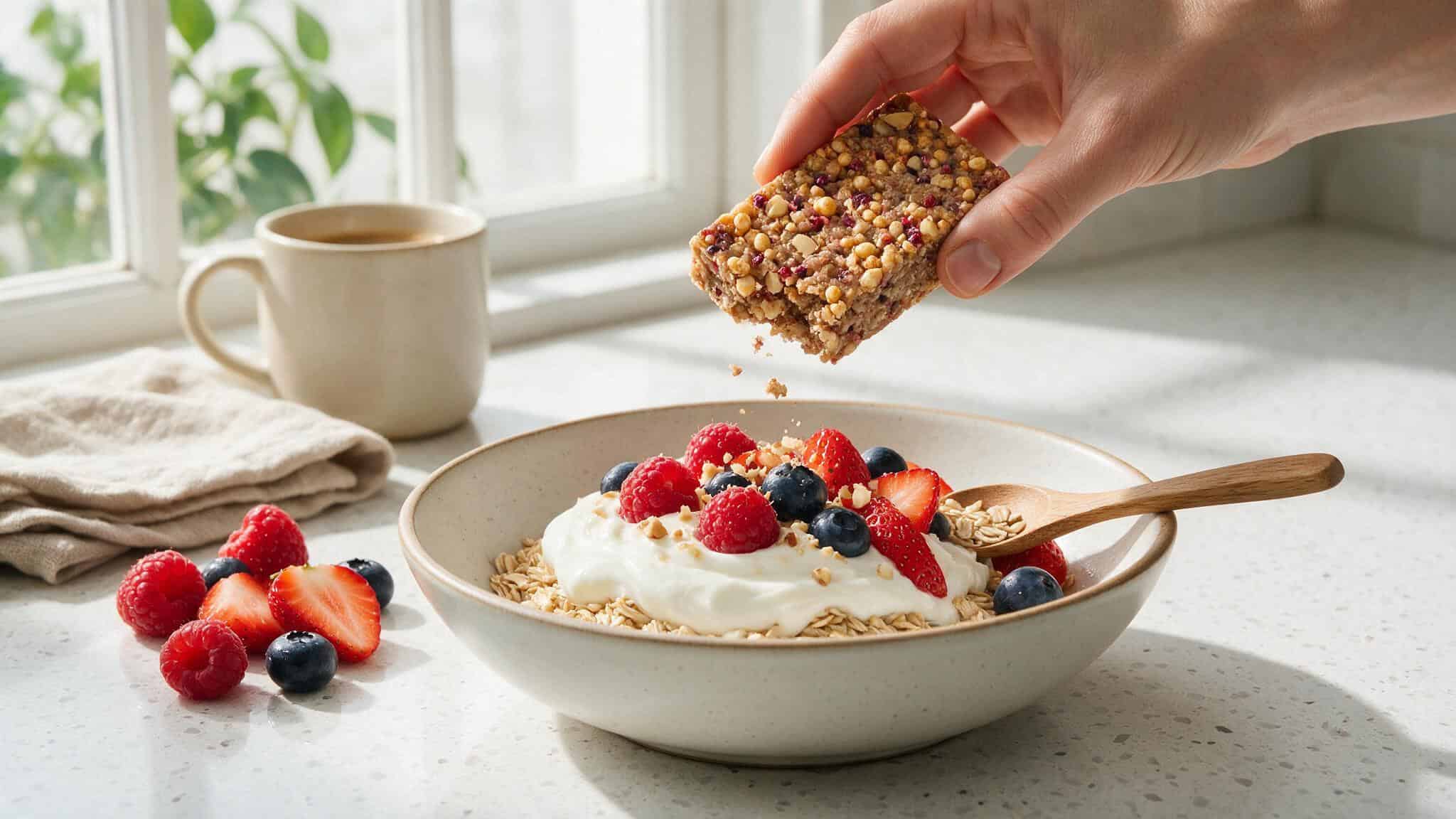
Since they’re primarily online-only, I keep a stash in my car and my desk drawer. That way, when the 3pm slump hits or I’m running late without breakfast, I have a good option instead of whatever I’d grab from a convenience store. I also crumble them over yogurt or oatmeal for extra texture and nutrition — highly recommend this.
Dietary fit — Who should (and shouldn’t) buy IQBAR
Great for:
- Low-carb and keto dieters (especially Wild Blueberry, which has the lowest net carbs)
- People avoiding gluten, dairy, soy, or seed oils
- Those who want high fiber from a snack bar
- Sleep-deprived parents and busy professionals looking for steady mental energy
- Plant-based eaters (most flavors are vegan — check labels for flavors with whey or honey)
Less ideal for:
- People who want 20g+ protein per bar for post-workout recovery
- Anyone who needs to buy snacks in-store rather than online
- Parents concerned about caffeine or stevia in certain flavors for younger kids
The gluten-free certification is reliable — suitable for celiac or gluten sensitivity. The kosher certification is an added bonus for observant buyers.

Final take — Who should buy IQ Bars?
Choose IQBAR if you value clean ingredients, high fiber, and cognitive support over maximum protein and in-store convenience. If you need 20 grams of protein after a heavy lift or want to pick up bars at the grocery store on a whim, you’d be better served by something else.
For everyone else — health-conscious eaters, low-carb dieters, parents running on fumes, professionals with long workdays, these bars deliver on their promise. They taste good, the nutrition is impressive, and the cognitive angle is a bonus that seems to work, albeit subtly.
At 4.5/5 overall and available with regular discounts, they’re worth trying. Start with the sampler, find your favorite flavor, and keep a stash ready for when you need it.
Frequently Asked Questions
Are IQ bars actually good for you?
Yes, they have an unusually clean nutritional profile with 12g protein, 8-9g fiber, and only 1-2g sugar per bar. They’re plant-based, keto-friendly, and free of seed oils and artificial sweeteners, though some flavors have a slight stevia aftertaste.
Are IQ Bars safe to eat every day?
Yes, they’re safe for daily consumption. The ingredients are whole-food based with no artificial additives, and the 8-9g of fiber per bar can actually improve gut health. If you’re not used to high fiber, start with one bar per day to let your digestive system adjust.
How much protein is in an IQ Bar?
Each bar contains 12 grams of protein from pea protein crisps and almond butter. That’s enough for a snack or light post-workout refuel, but less than competitors like RXBAR or Quest which offer 20g. The manufacturer prioritized fiber and cognitive ingredients over maxing out protein.