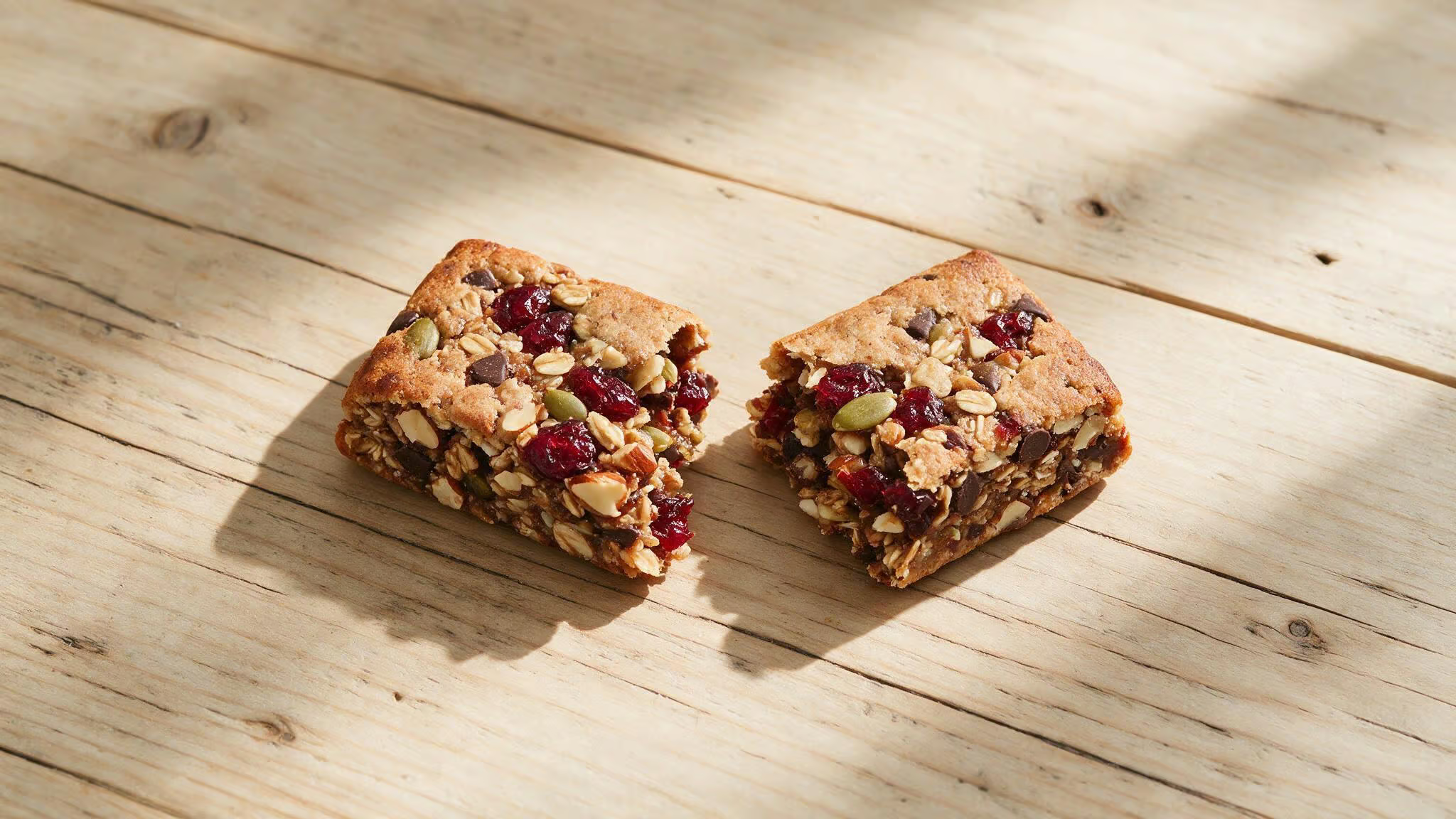
Flip over a box with “20g protein” plastered across the front and the ingredient list tells a different story: erythritol, sucralose, canola oil, soy protein isolate. Our dietitian team at Tidbits of Experience has been evaluating these bars for years, and we update our rankings annually. We don’t just scan macros — we actually taste every bar, read every label, and score them against a transparent system that prioritizes ingredient quality above all else.
Key Takeaways
Our scoring system, Michael’s Clean Score, weighs ingredient quality (30%) highest, then protein quality (20%), nutrition profile (15%), taste and texture (15%), digestibility (10%), brand transparency (5%), and community feedback (5%). No bar achieved a perfect 10/10 because every product has trade-offs.
Bare Bar scored the highest (9.9/10) with just four ingredients — grass-fed beef protein, raw honey, beef tallow, and sea salt, but its beef-protein base isn’t for everyone.
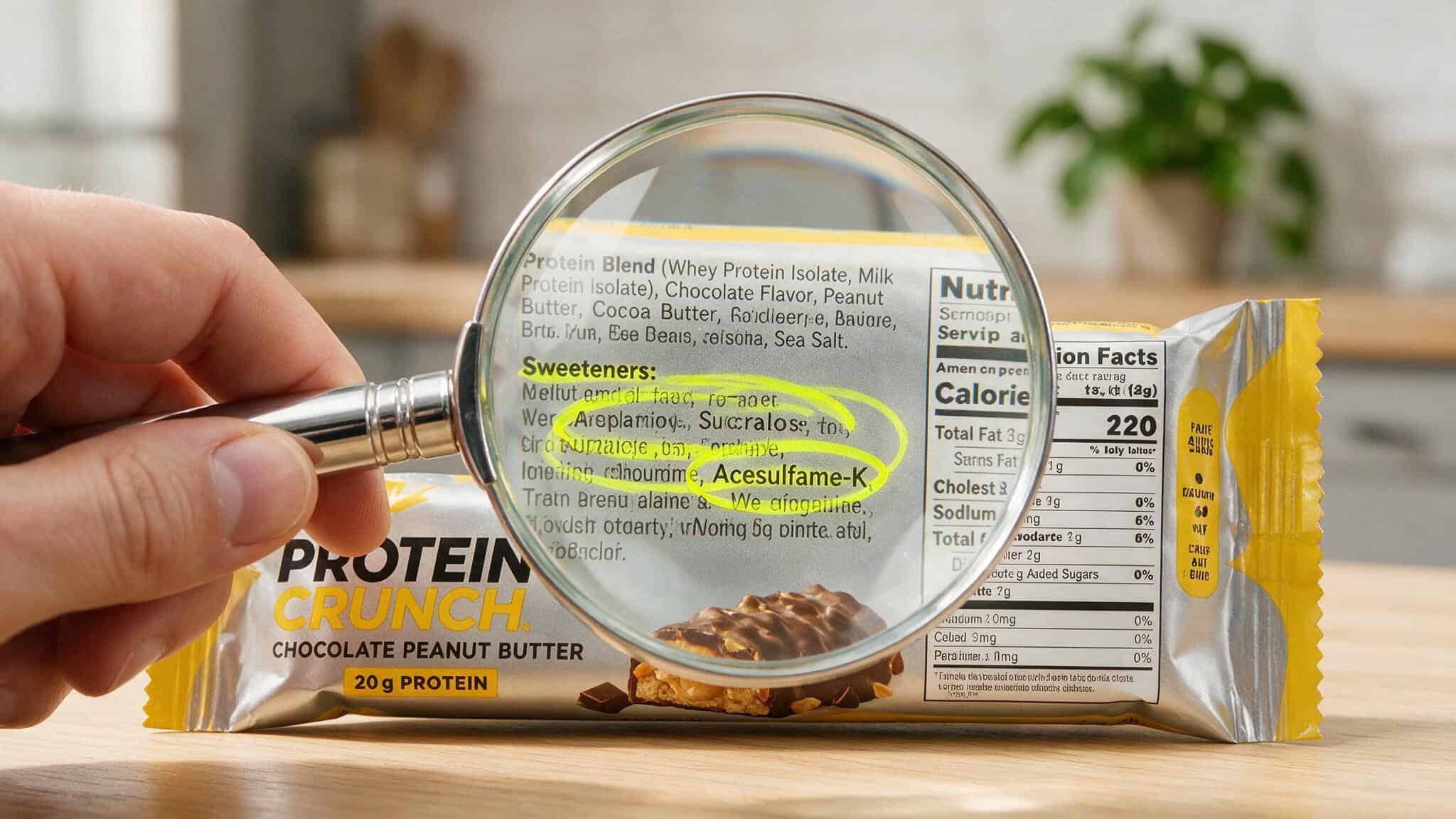
You can evaluate any protein bar yourself using the protein test: multiply the grams of protein by 10; that number should be less than or equal to total calories. If it’s higher, the bar is loaded with cheap filler calories.
Table of Contents
How we scored every bar: the Michael’s Clean Score system
We wanted a system that was transparent enough for you to use on any bar, not just the ones we reviewed. Here’s how it breaks down.
Ingredient quality (30%)
This is our floor. We immediately eliminated any bar with artificial sweeteners (sucralose, acesulfame potassium), sugar alcohols (erythritol, maltitol, sorbitol), or refined seed oils (canola, soybean, sunflower). If a bar failed on those, it didn’t make the list. Period.
Protein quality (20%)
We’re looking for complete proteins — egg whites, whey, pea and rice blends, over collagen or isolated soy protein. Collagen is great for skin and joints, but it’s not a complete protein, so it doesn’t count as much toward muscle repair.
Nutrition profile (15%)
Macros matter, but not in a vacuum. We look at fat quality (nut butters and MCT oil score higher than palm kernel oil), fiber content, and sugar sources. Bars sweetened with dates, raw honey, monk fruit, or allulose rank better than those using brown rice syrup or cane sugar.
Taste and texture (15%)
We taste every flavor, note texture (chewy, fudgy, crunchy, crumbly), and score it honestly.
Digestibility (10%)
Does the bar cause bloating or gas? We flag bars with high sugar alcohols, excessive fiber, or protein sources that bother sensitive stomachs.
Brand transparency (5%) and community feedback (5%)
Employee-owned, B Corp, Climate Neutral certifications matter. So does what actual customers say about repeat purchases. A brand that hides its sourcing or has a history of misleading labels gets penalized.
The quick protein test and lean criteria
Two tools you can use right now in any store:
- Protein test: Multiply the grams of protein by 10. If that number is less than or equal to the total calories, the bar has a decent protein-to-energy ratio. If it’s higher, the bar is mostly filler — lots of calories from cheap carbs and fats.
- Lean criteria: Look for ≤10g fat and <4g saturated fat per bar. These bars work better for weight loss and general snacking.
The dietitian-approved list of the healthiest protein bars
We evaluated over 40 bars for this update. Below are the ones that passed our ingredient floor and scored well on taste and nutrition. Each entry includes the protein source, key macros, standout flavors, price, and what we’d trade off.
Bare Bar (9.9/10)
What makes it worth eating: Four ingredients — grass-fed beef protein, raw honey, beef tallow, and sea salt. That’s it. No fillers, no preservatives, no sweeteners. The highest Michael’s Clean Score we’ve ever given. Trade-off: Beef protein isn’t for everyone — it has a distinct savory-sweet taste. 20g protein, 210 calories, 7g fiber. Best for post-workout recovery, especially if you’re paleo or Whole30. $3.00+ per bar, available online.
RXBar (9.8/10)
What makes it worth eating: The ingredient list is on the front: egg whites, almonds, cashews or peanuts, dates, sea salt. Real food, no isolates. 12g protein from egg whites and nuts, 210 calories, 13-18g sugar (from dates). Trade-off: Higher sugar than many; the dates make it sweet, so not ideal for low-carb diets. Peanut Butter Chocolate and Chocolate Sea Salt are the standouts. About $2.00/bar, or try Target’s Good & Gather version for ~$1.50 (softer texture).
RAWR Organics (9.7/10)
What makes it worth eating: Organic, plant-based, and sweetened with dates and coconut sugar. 15g protein from pea and rice blend, 240 calories, 6g fiber. Trade-off: Limited availability and higher price (~$3.00/bar). The flavors lean savory-sweet — not for anyone expecting candy-bar richness. Best for whole-food purists.
GoMacro (9.6/10)
What makes it worth eating: Certified organic, vegan, non-GMO, soy-free, and FODMAP friendly. 10-12g protein from organic sprouted brown rice and pea protein. 270-290 calories, 36-39g carbs — higher carb, so great for endurance activities. Trade-off: Not a low-carb bar by any stretch. Sugar is moderate (11-14g from brown rice syrup). Peanut Butter Chocolate Chip is the team favorite. $2.25-$3.20/bar.
Rise Bar (9.6/10)
What makes it worth eating: Minimal ingredients — almonds, honey, pea protein, brown rice protein, and sea salt. 20g protein, 270-280 calories, 3g fiber. Trade-off: Higher in calories and fat (10-16g) than some bars, but the fat comes from almonds. Flavors are simple: lemon cashew, peanut butter, chocolate. $2.50-$3.00/bar.
Transparent Labs Protein+ Bar (9.5/10)
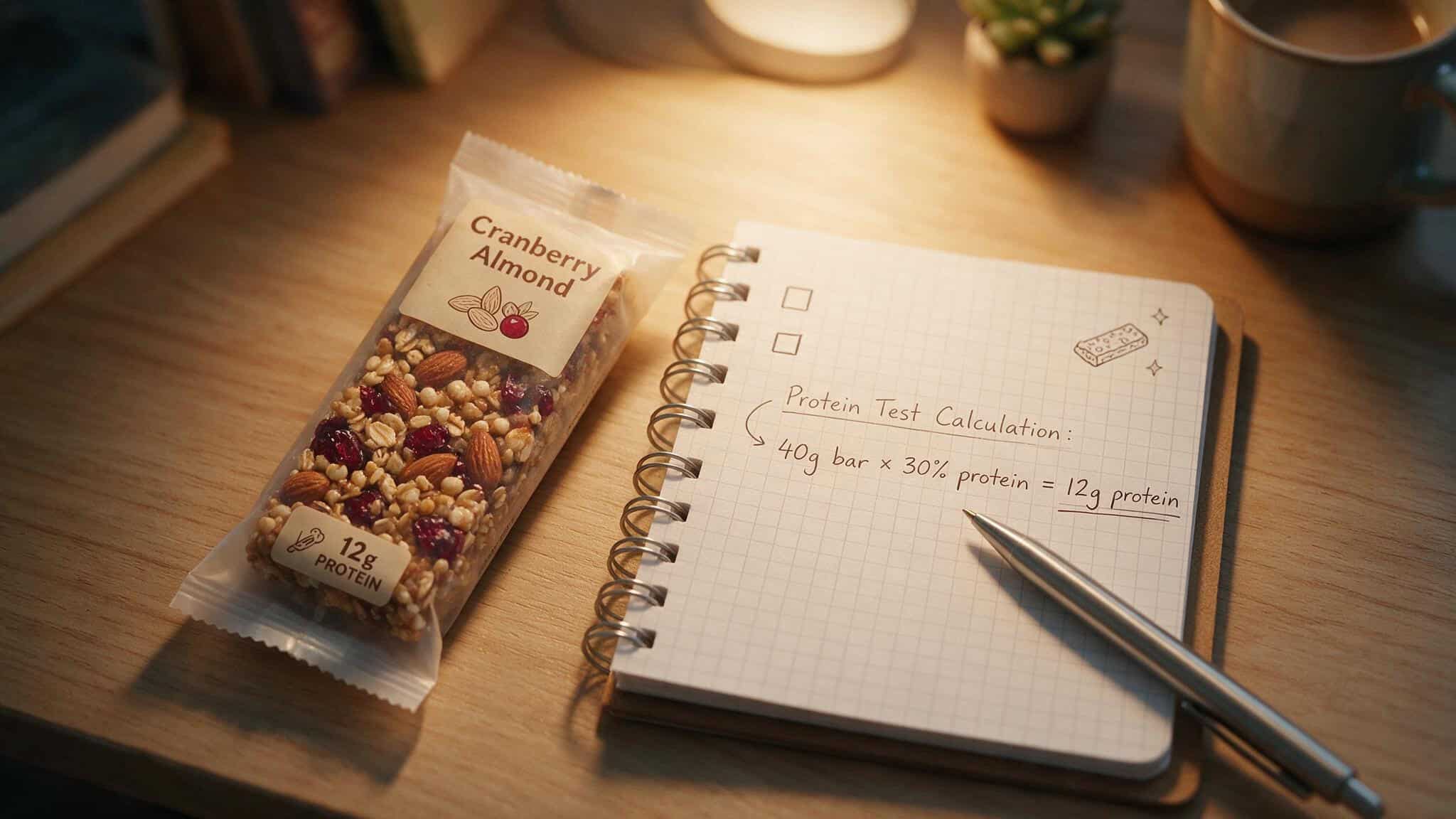
What makes it worth eating: Grass-fed whey protein isolate, no artificial sweeteners — sweetened with monk fruit and allulose. 15-17g protein, 220-250 calories, 7-9g fiber. Trade-off: The texture is dense and chewy, which some people love and others find heavy. Chocolate peanut butter is the standout. $2.50-$3.00/bar.
Skout Organic (9.4/10)
What makes it worth eating: Organic ingredients, sweetened with dates. 12g protein from organic whey concentrate and whole grains. 230-240 calories, 5-7g fat, 34g carbs, 4-5g fiber, 12-14g sugar. Trade-off: Higher sugar from maple syrup and date juice; not a low-carb pick. Flavors like Peanut Butter Chocolate Chip are well-liked. ~$2.50/bar.
Aloha (9.4/10)
What makes it worth eating: Employee-owned, B Corp, Climate Neutral. 14g protein from brown rice and pumpkin seed butter. 220-260 calories, 6-10g fiber, only 3-5g sugar. Sweetened with cane sugar, tapioca syrup, and monk fruit — no sugar alcohols. Trade-off: The fiber is high, which can cause bloating for sensitive stomachs. Seasonal flavors (peppermint white chocolate, maple sea salt) are fun, but year-round peanut butter cup and chocolate chip cookie dough are solid. $1.90-$2.30/bar. Use code THEREALFOODDIETITIANS for 20% off.
IQBAR (9.3/10)
What makes it worth eating: 2-3 net carbs, 12g protein from pea protein, no sugar alcohols — sweetened with allulose and monk fruit. 180 calories. The Chocolate Sea Salt flavor is rich but not overly sweet. Trade-off: Not the highest protein; if you’re evaluating bars specifically as a protein source, the question is IQ a good protein bar comes down to whether 12g of pea protein meets your needs, especially compared to higher-protein options. Best for low-carb snack or cognitive support. $2.75/bar. Read our full review: IQ bars review.
Wild Zora (9.3/10)
What makes it worth eating: Meat and veggie bars — paleo, Whole30-friendly, no added sugar. 9-13g protein from grass-fed beef or turkey. Trade-off: Lower protein than many bars, and the savory flavor profile isn’t for everyone. Great for low-carb, keto, or anyone avoiding sweet flavors. $2.50-$3.00/bar.
Epic Meat Bars (9.2/10)
What makes it worth eating: Bison bacon cranberry is a standout — zero added sugar, 9-15g protein from grass-fed meats. Trade-off: More of a savory snack than a protein bar replacement. Not ideal for post-workout due to lower protein. $2.00-$2.50/bar.
LYFfuel (9.2/10)
What makes it worth eating: Meal replacement bar with 220 calories, 13g protein, and adaptogenic ingredients like cacao, maca, turmeric, and ginger. Trade-off: Pricey at $4.00/bar, and the adaptogenic benefits are not clinically proven for the amounts used. Best as a satiating snack or light meal. Available online.

Wellcome (9.1/10)
What makes it worth eating: Adaptogenic bar with salted caramel flavor, 13-14g protein from pea and rice, 200 calories. Sweetened with date paste and allulose. Trade-off: $3.50/bar — premium pricing. The adaptogens (ashwagandha, etc.) are described functionally, not claimed to treat anything. Good for a functional snack.
G2G Bar (no score)
What makes it worth eating: 18g whey protein isolate, 300 calories, requires refrigeration. Substantial enough for meal replacement. Trade-off: Not portable — must stay cold. $2.75/bar. Use code REALFOODRDS for 15% off.
TRUBAR (no score)
What makes it worth eating: 10-13g fiber, 190 calories, 8-9g fat, 7-8g sugar. Free of gluten, dairy, soy, seed oils, and sugar alcohols. Female-founded, nationwide in 2024. Trade-off: Pricier at $2.40-$3.00/bar. Flavors like “Smother Fudger Peanut Butter” and “Daydreaming About Donuts” are fun — team favorite is chocolate peanut butter.
JAMBAR (no score)
What makes it worth eating: 10g protein from organic whey concentrate and whole grains. Donates 50% of profits to music and active living programs. Created by the co-creator of PowerBar. Trade-off: One flavor (Peanut Butter Malt Melody) contains barley malt — not gluten-free. Sugar is higher (12-14g) from maple syrup and honey. $2.40-$3.00/bar.
MEZCLA (no score)
What makes it worth eating: Light and crispy texture — like a rice crispy treat. 10g protein from pea, quinoa, and nuts. 170 calories, low cal. Trade-off: Only 2-3g fiber, so it’s a light snack, not a meal. Unique flavors like Matcha Vanilla and Pistachio Chocolate. $2.55-$2.75/bar.
Kate’s Real Food (no score)
What makes it worth eating: Oat-based, honey-sweetened, with a crunchy texture from plant-based protein crisps. 15g protein from pea, rice, and fava. Trade-off: 270-288 calories, 15-18g sugar — higher carb, designed for endurance fuel. Great for hikes over 90 minutes. ~$3.25/bar.

ONE Protein Bar (no score)
What makes it worth eating: Great taste — 20g protein, 210 calories, 7g fiber, scores 9/10 for taste and texture. Peanut butter cup flavor is soft, chewy, with a chocolate coating. As low as $2.00 at Target. Trade-off: Contains erythritol and sucralose. If you’re avoiding artificial sweeteners, this is a dealbreaker.
Pure Protein Bar (no score)
What makes it worth eating: Budget-friendly — 20g protein, 200 calories, only 1g fiber. Great macros for the price. Trade-off: Slight artificial aftertaste, low fiber. Galactic Brownie and Chocolate Deluxe are the best flavors. Available widely.
Built Puff (no score)
What makes it worth eating: Marshmallow texture — chocolate-coated, soft, and sticky. Brownie batter flavor is rich and doesn’t taste artificial. 9/10 taste. Trade-off: Texture is divisive — some find it too sticky. Good macros but not the best. Sold online.
Fulfil Protein Bar (no score)
What makes it worth eating: Layered, candy-bar-like — soft, chewy, with chocolate coating and crunchy bits. Chocolate Peanut Caramel is a fan favorite. 16g protein, 190 calories. Trade-off: A little too sweet for some. Contains erythritol and sucralose. Smaller bar at 40g. ~$2.00/bar.
Grenade Carb Killa (no score)
What makes it worth eating: Tastes better than a candy bar — 10/10 taste score, best on this list. Fudged Up flavor is a 10/10. Trade-off: Gets harder to find in the US. Contains erythritol and sucralose. 190 calories, 16g protein, low fiber.
KIND Protein (no score)
What makes it worth eating: Made from real food — mostly nuts. Satisfying crunch. Widely available (even gas stations). 10g+ protein per bar. Trade-off: Regular KIND bars have less protein, so look for the PROTEIN label.
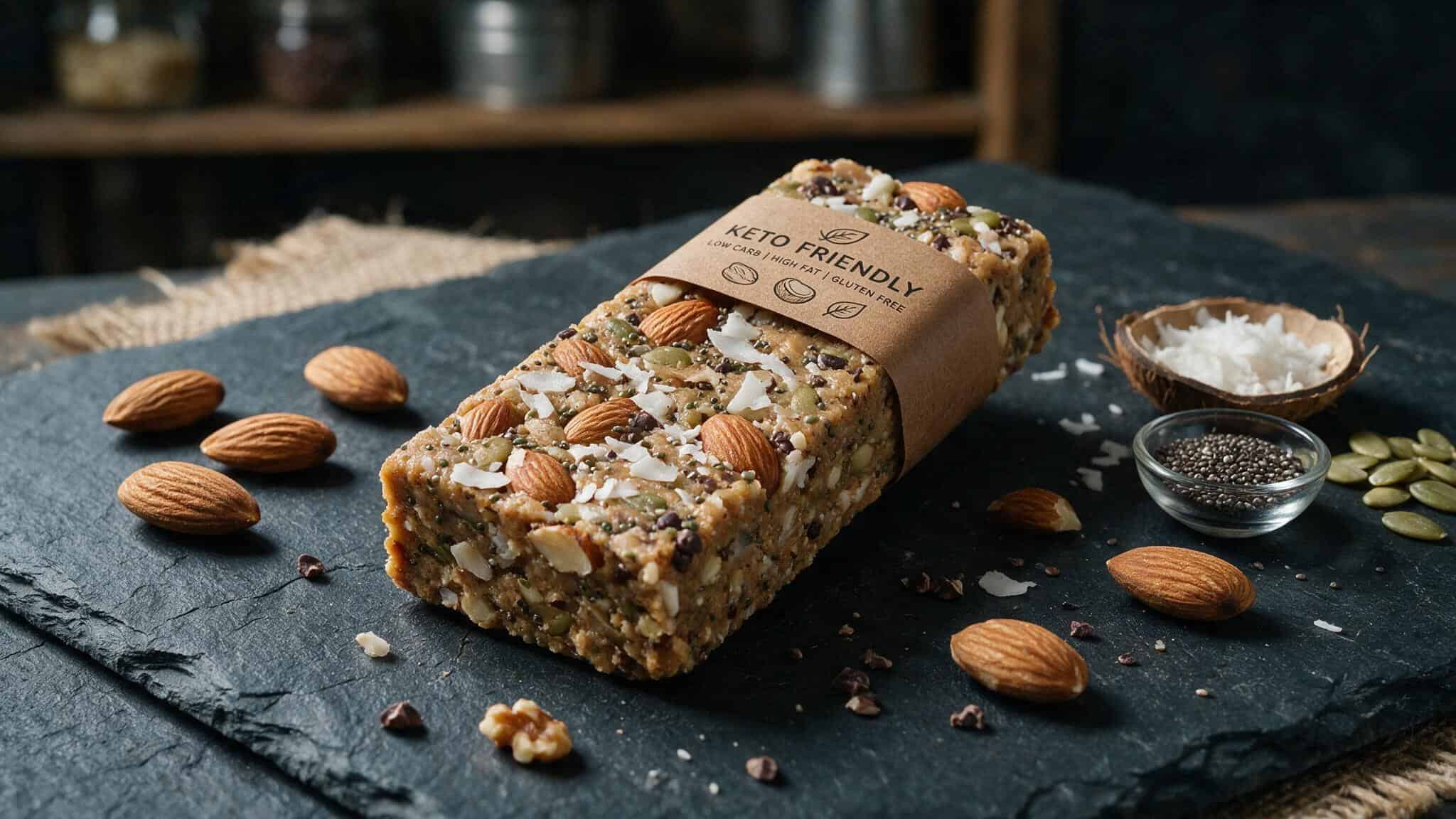
One of the cheapest good bar options. ~$1.50-$2.00. But if you’re considering a daily protein bar habit, you might also wonder: are IQ Bars safe to eat every day?
Oatmega Bar (no score)
What makes it worth eating: Grass-fed whey protein plus omega-3s from flax and fish oil. 14g protein, 200 calories, 5g fiber. Trade-off: Sugar is 10g from cane sugar — not low carb. Good for omega-3 boost. ~$2.00/bar.
Zing Bar (no score)
What makes it worth eating: Dietitian-developed, added iron. 10g protein from pea and rice. 170 calories, 5-8g sugar. Trade-off: Lower protein — more of a light snack. Fruit-forward flavors like Musical Mango are unique. ~$2.00/bar.
NuGo Slim (no score)
What makes it worth eating: Low sugar — 4g sugar, 18g protein, 190 calories. Trade-off: Uses soy protein isolate, which some people prefer to avoid. Also contains erythritol. Available online.
Clif Builder’s Bar (no score)
What makes it worth eating: 20g plant protein from soy, no artificial sweeteners. 270-290 calories, 30g carbs, 5-6g fiber. Trade-off: High carb — better for active days. Soy protein base. Chocolate Peanut Butter is a classic. ~$2.00/bar.
David Bar (no score)
What makes it worth eating: 28g protein — highest on this list. 200 calories, 1g fiber. Trade-off: Contains maltitol and EPG fat. ConsumerLab 2025 test found discrepancies in fat content. Not recommended if you want clean ingredients. Swaps: Bare Bar or Rise Bar.
The Bar Shack (no score)
What makes it worth eating: Fully customizable — you choose ingredients and label. Ideal for severe food allergies. Trade-off: Made to order, must be refrigerated. Not a grab-and-go option.
Protein bars to avoid (and what to eat instead)
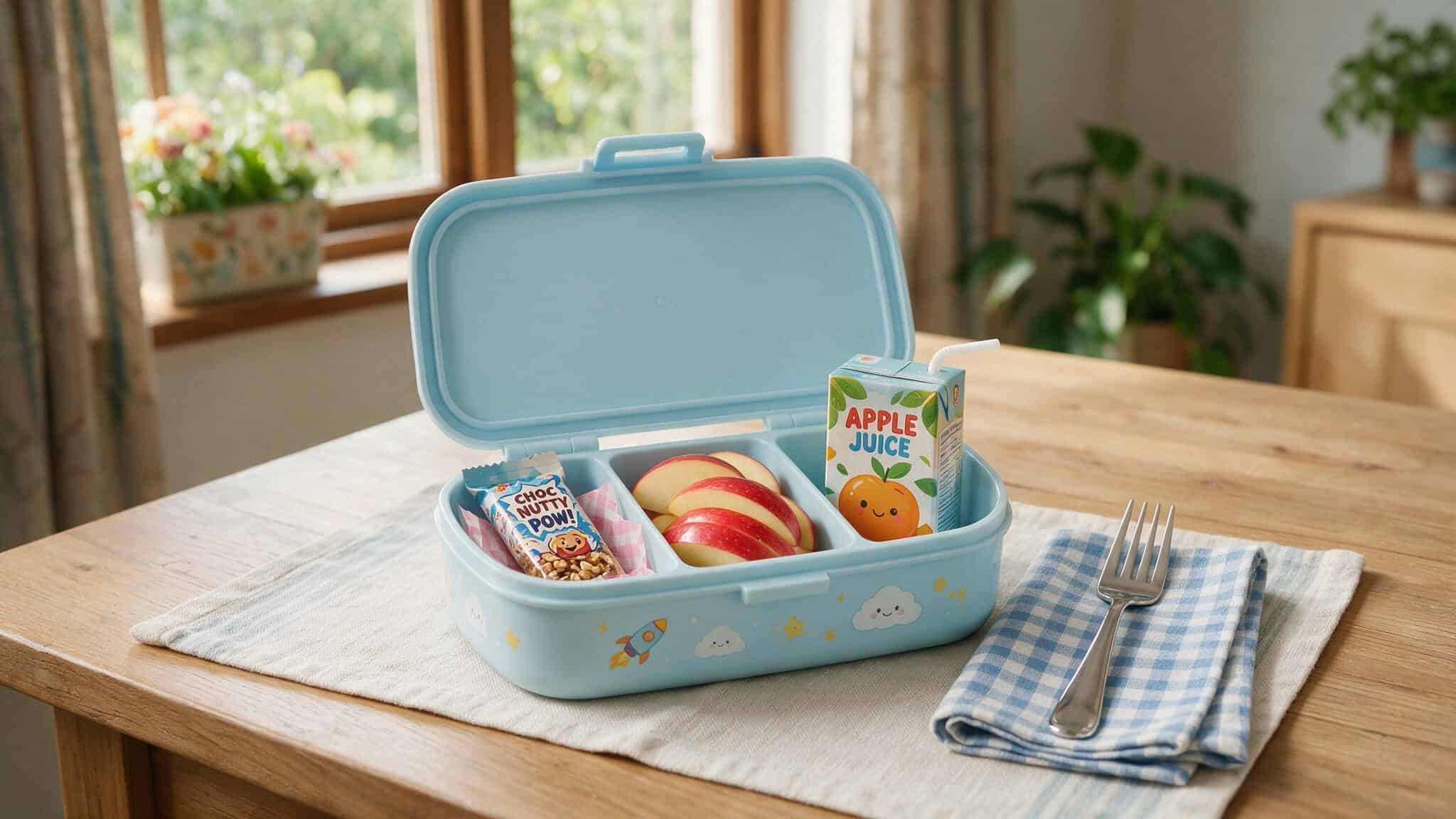
Some popular bars like Quest, Barebells, and David Bar flunk our ingredient standards. Here’s what to skip and what to swap.
| Avoid | Why | Swap |
|---|---|---|
| Quest Bars | Erythritol, sucralose, soluble corn fiber | IQBAR or Aloha |
| Barebells | Maltitol, sucralose | RXBar or GoMacro |
| David Bar | Maltitol, EPG fat, ConsumerLab discrepancy | Bare Bar or Rise Bar |
| Clif Bar (original) | 40+ g carbs, high sugar for sedentary use | Clif Builder’s (for activity) or GoMacro |
| Luna Bar | Soy protein, brown rice syrup, palm kernel oil | GoMacro or Aloha |
| PowerBar, ZonePerfect, Met-RX, Atkins, etc. | “Automatic F” for sketchy ingredients | Any bar from Section 3 |
| FitCrunch Wafer | 44% calories from fat, cardboard-y texture | Pure Protein or ONE Bar |
| PowerCrunch | 55% calories from fat | RXBar or KIND Protein |
| Alani Protein Bar | Overwhelmingly sweet, artificial chocolate | MEZCLA or TRUBAR |
| 1st Form Level-1 | Hard to bite, artificial aftertaste | Transparent Labs or Rise Bar |
Common red flag ingredients
- Artificial sweeteners: sucralose, acesulfame potassium
- Sugar alcohols: maltitol, erythritol, sorbitol (can cause GI issues)
- Refined seed oils: canola, soybean, sunflower oil
- Low-quality protein: soy protein isolate, collagen as main protein source
- Preferred sweeteners: dates, raw honey, monk fruit, allulose, coconut sugar
- Healthier fats: nut butters, coconut oil, MCT oil, beef tallow
How to choose a protein bar: a three-step process
You can use this system on any bar, anywhere.
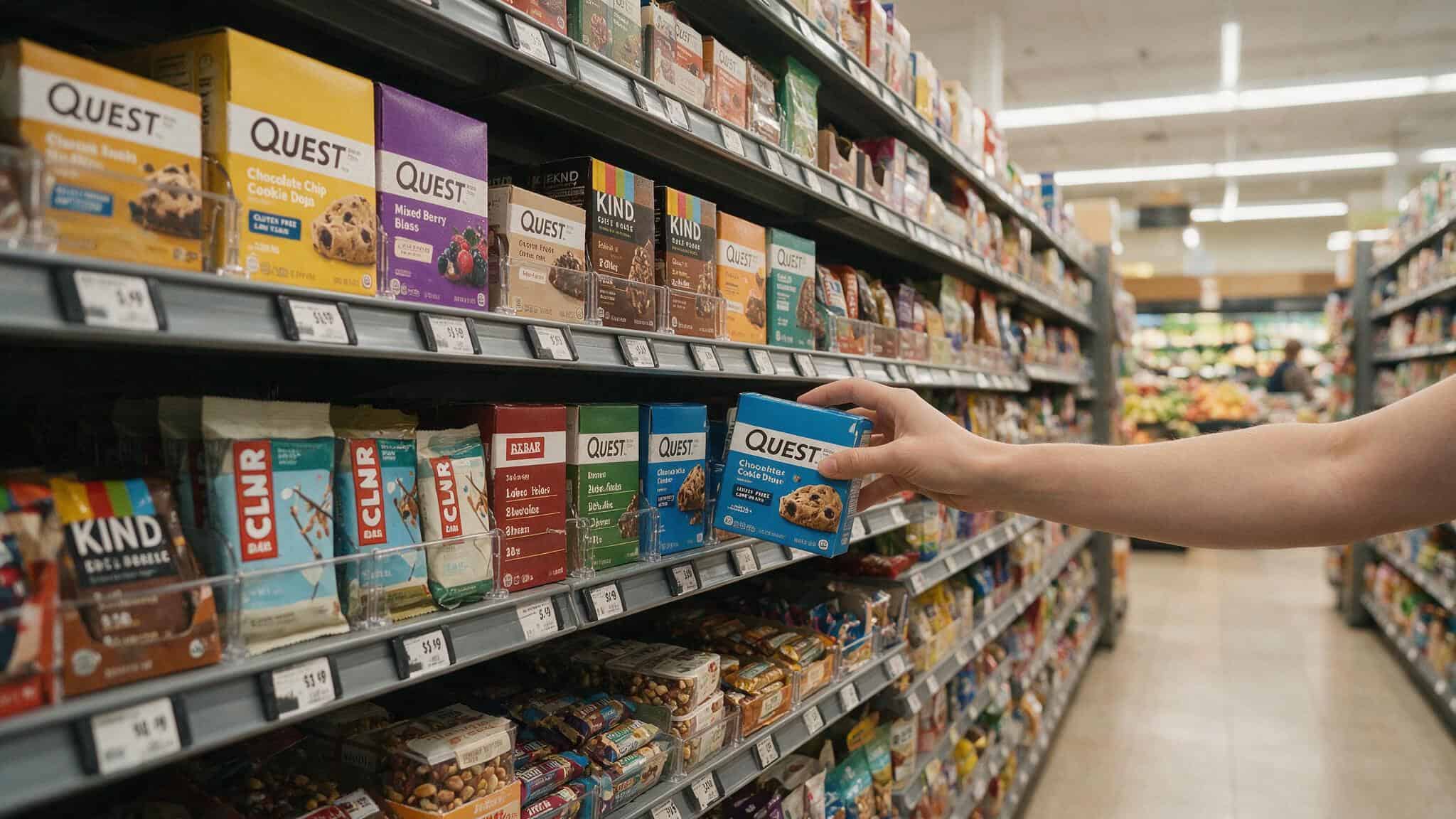
Step 1: Scan the ingredient list for red flags. If you see sucralose, maltitol, or canola oil in the first five ingredients, put it back. Look for short ingredient lists with real foods you recognize.
Step 2: Match protein to your need. For a meal replacement, aim for ≥14g protein. For a snack, 6–10g is fine. For post-workout, ≥15g complete protein (whey, egg, or a balanced plant blend).
Use the protein test: protein grams × 10 ≤ total calories. And the lean criteria: ≤10g fat, <4g saturated fat.
Step 3: Taste test. Buy a variety pack before committing to a box. Texture matters — some bars are crunchy, some are fudgy, some are sticky. If you don’t like it, you won’t eat it.
Third-party certifications to trust: USDA Organic, Non-GMO Project Verified, B Corp, Climate Neutral, Clean Label Project.
When to eat which protein bar (timing guide)
When you eat a protein bar matters as much as which one you pick. Here’s how to match the bar to the moment.
Post-workout recovery
You need at least 15g of complete protein quickly. Reach for Bare Bar (20g beef), Transparent Labs (15–17g grass-fed whey), G2G Bar (18g whey), or Clif Builder’s (20g plant). These bars deliver the amino acids your muscles need after a hard session.
Pre-workout / endurance fuel
If you’re running or biking for over an hour, you want carbs. GoMacro (36–39g carbs) or Kate’s Real Food (28–29g carbs) provide sustained energy. Don’t eat these as a desk snack — they’re fuel for activity.
Low-carb / keto
IQBAR (2–3 net carbs, no sugar alcohols) and KIND Protein Max (1g sugar from allulose) keep you in ketosis without the digestive stress. Epic Meat Bars (zero sugar) are also great.
Meal replacement
Look for bars >250 calories and ≥14g protein. G2G Bar (300 cal, 18g), LYFfuel (220 cal, 13g), and Rise Bar (270 cal, 20g) can stand in for a meal, but you’ll want to add fruit or veggies for fullness.

General snack
When you just need something to bridge to lunch, reach for RXBar, Aloha, TRUBAR, JAMBAR, or MEZCLA. Moderate protein (10–12g), balanced macros, and real ingredients.
Weight loss
Quality protein with moderate calories and minimal added sugar is the goal. RXBar (210 cal, 12g), IQBAR (180 cal, 12g), and Epic Meat Bars (zero sugar) fit. Avoid bars with high sugar alcohols that can trigger cravings.
Price and value analysis
You don’t have to spend a fortune for a clean bar.
- Budget-friendly (<$2/bar): KIND Protein, RXBar (~$2.00), ONE Bar at Target (~$2.00), Oatmega (~$2.00). RXBar’s Target Good & Gather alternative is about $1.50 (softer texture).
- Mid-range ($2–$3/bar): Aloha ($1.90–$2.30), GoMacro ($2.25–$3.20), TRUBAR ($2.40–$3.00), JAMBAR ($2.40–$3.00), MEZCLA ($2.55–$2.75), IQBAR ($2.75), G2G Bar ($2.75). This is the sweet spot for most dietitian-recommended bars.
- Premium (>$3/bar): Justified by better ingredients, certifications, or freshness. Kate’s Real Food (~$3.25), LYFfuel ($4.00), Wellcome ($3.50), RAWR Organics ($3.07). If you can afford it, these are the cleanest options.
Discount codes: Aloha: THEREALFOODDIETITIANS for 20% off. G2G Bar: REALFOODRDS for 15% off.
Kids’ protein bars
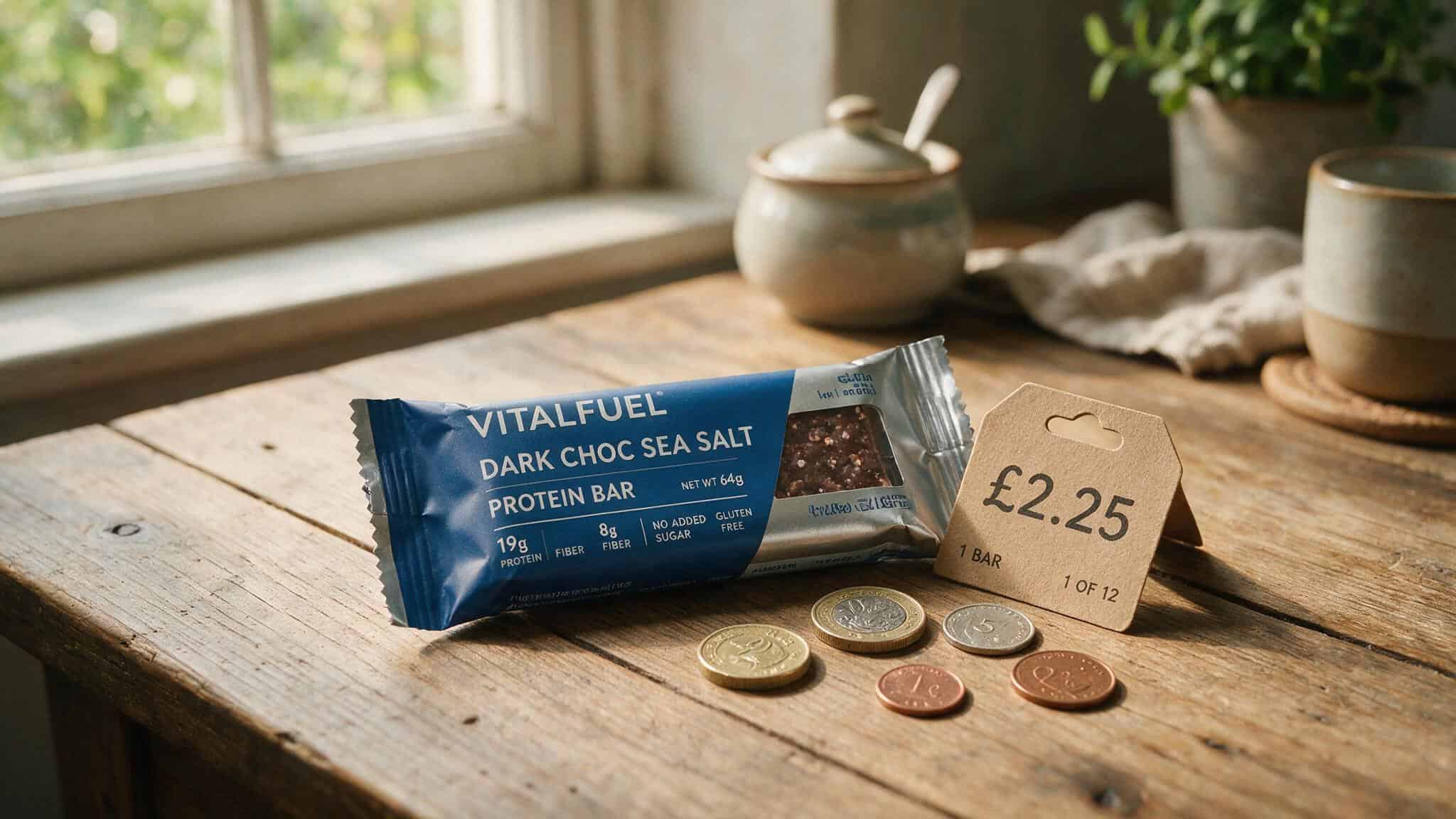
Your kid doesn’t need 20g of protein. Here are five options appropriate for children.
- TRUBAR Kids: 140 cal, 8g protein, 7–8g fiber, 4–5g sugar. Classroom-friendly (no tree nuts or peanuts).
- GoMacro Kids MacroBar: 100–110 cal, 4g protein, 6g sugar. Five flavors.
- Perfect Bar Snack Size: 120–150 cal, 5–6g protein, 7–8g sugar. Peanut butter-based.
- Clif Kid ZBar Protein: 130 cal, 5g protein, 9g sugar. Good for older kids and teens.
- Aloha Bars Mini: 100–110 cal, 6g protein, 4g fiber, 2g sugar. Six flavors.
Unique and niche bars
These don’t fit the standard categories, but they serve specific needs.
Adaptogenic and functional bars
Wellcome and LYFfuel include ingredients like cacao, maca, turmeric, and ginger. We don’t claim health benefits for adaptogens — we just report what’s in them. They’re solid, clean bars if you like the ingredients.
Meat-based and savory bars
Epic Meat Bars (bison bacon cranberry, zero sugar), Wild Zora (meat and veggie, 9–13g protein), and Bare Bar (beef protein, 4 ingredients) are great for low-carb, keto, or Whole30. No sweeteners.
Custom-made bars for allergies
The Bar Shack lets you fully customize ingredients and label. Ideal for severe food allergies where no commercial bar works.
Final verdict: the healthiest protein bar brand depends on you
If you ask me which bar is healthiest, I’ll ask what you need it for. Here’s a quick-reference guide:
- Cleanest ingredients: Bare Bar (9.9) or RXBar (9.8)
- Best for low-carb/keto: IQBAR
- Best for plant-based/vegan: GoMacro or Aloha
- Best for kids: TRUBAR Kids or Aloha Mini
- Best for taste: ONE Bar or Grenade Carb Killa (if you don’t mind artificial sweeteners)
- Best for post-workout: Bare Bar or Transparent Labs
- Best for endurance: GoMacro or Kate’s Real Food
- Best for value: KIND Protein or RXBar (Target alternative)
- Best for unique needs: Epic Meat Bars or The Bar Shack
If you have specific health conditions (diabetes, kidney issues, GERD), talk to a registered sports dietitian before making them a daily habit. As a dietitian, I remind you that protein bars are a convenient snack, not a whole-food replacement. Long-term reliance on any processed food, even clean bars, should be considered — whole foods like eggs, yogurt, or nuts offer broader nutrition without the trade-offs.
We update this list every year, and our criteria don’t change.
Frequently Asked Questions
What are the healthiest and safest protein bars?
The healthiest bars are those with short, recognizable ingredient lists and no artificial sweeteners, sugar alcohols, or refined seed oils. Bare Bar (9.9/10) and RXBar (9.8/10) top the list because they use whole-food ingredients like grass-fed beef protein or egg whites, nuts, and dates, with no fillers or preservatives.
What’s the difference between a meal replacement bar and a snack bar?
Meal replacement bars typically have at least 14g protein and over 250 calories to keep you full, while snack bars have 6–12g protein and fewer calories. Post-workout bars need at least 15g of complete protein from sources like whey, egg, or a balanced plant blend, whereas endurance bars prioritize carbs over protein.