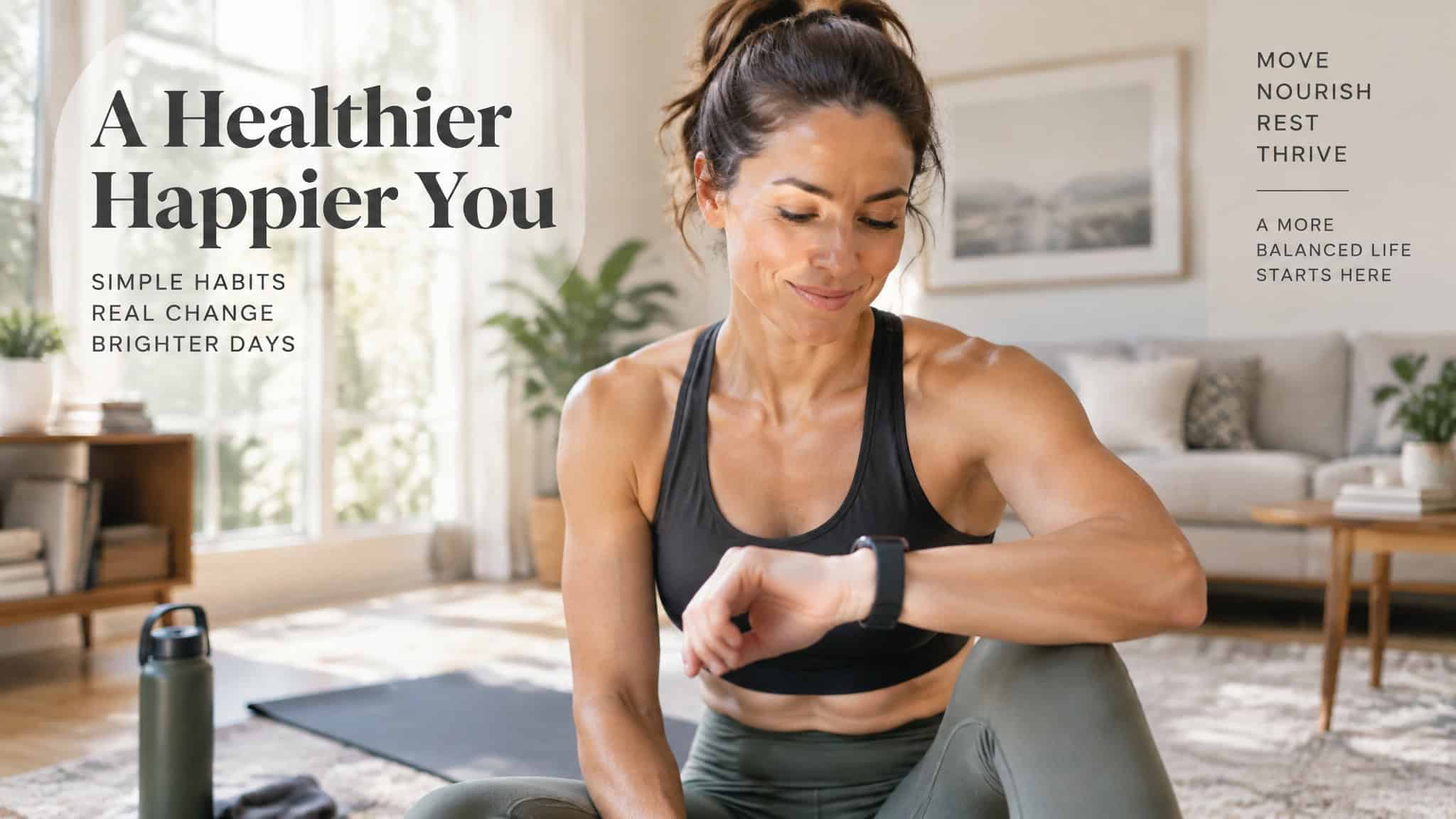
The gym bag has been sitting by the front door since roughly last January. It still has the water bottle in it. Meanwhile, my feed keeps insisting that everything is trending: hot Pilates, rucking, a weighted vest situation I don’t fully understand. When every third post is a women trending workout claim, you need something better than a hashtag to sort the real shifts from the ones that just filmed well.
Two decent sources landed late last year. The American College of Sports Medicine published its 20th annual fitness trends survey on November 14, 2025, built on responses from 2,000 clinicians, researchers, and exercise professionals. And on December 3, 2025, Strava released its Year In Sport report on what millions of people actually did, including one stat that made me sit up: women were 21% more likely than men to record weight training in 2025.
So here’s the promise. Ten workout styles with real momentum behind them, ranked by data instead of virality, each with why it’s rising and how to actually start it around a week that includes school pickups and a dishwasher that never empties itself.
Key Takeaways
Wearable technology is the #1 fitness trend for 2026, a spot it has held nearly every year for a decade, and trackers or smartwatches are already on the wrists of close to half of U.S. adults.
Women were 21% more likely than men to record weight training on Strava in 2025, yet fewer than 30% of U.S. adults meet muscle-strengthening guidelines, so most of us are starting from the same low baseline.
Activity peaks at 6:30 a.m. and 42% of exercise sessions last 30 minutes or less, which means the routine that survives is the one anchored to a slot that already exists in your day.
Table of Contents
The workout styles trending for women in 2026
The workout styles trending for women in 2026 are wearable technology, fitness programs for older adults, exercise for weight management, mobile exercise apps, balance and flow and core strength training, exercise for mental health, traditional strength training, data-driven technology, adult recreation and sport clubs, and functional fitness training.
That’s the American College of Sports Medicine’s top 10 for 2026, in order, from the survey led by Cayla R. McAvoy, PhD. Here’s the same list with the women-specific lens applied:
- Wearable Technology. The watch half your mom friends already wear, holding #1 almost every year for a decade.
- Fitness Programs for Older Adults. Climbed from #3 to #2. The programming covers strength, balance, and low-impact cardio without high impact.
- Exercise for Weight Management. Its highest rank ever, and newly relevant in the GLP-1 era.
- Mobile Exercise Apps. The 10 p.m. workout window is real, and this is the trend that lives there.
- Balance, Flow and Core Strength. Pilates, barre, and yoga, back up after a pandemic dip in group classes.
- Exercise for Mental Health. Rose two spots, and the “why” behind most workouts has quietly changed.
- Traditional Strength Training. The behavioral data says women are showing up for this one in real numbers.
- Data-Driven Technology. Turning tracker stats into actual training decisions.
- Adult Recreation and Sport Clubs. New to the list, driven by pickleball and the desire to move with other humans.
- Functional Fitness Training. Training for groceries, car seats, and stairs, not for the mirror.
The rank movements tell the story better than the order does. Programs for older adults jumped from #3 to #2. Mental health rose two spots, and weight management hit its highest position in the survey’s history. And adult recreation and sport clubs showed up for the first time, which in a 20-year-old list is genuinely rare.
ACSM surveys the whole fitness industry, not women in particular. The women’s filter here is this article’s own synthesis layered on top of their rankings, and the Strava behavioral data backing it up. Also, if you came here wondering what everyone’s wearing to work out, that’s a shopping question, and neither dataset covers clothing. Apparel trends aren’t covered here; the behavior is what has the evidence behind it. If you want the wider roundup of what’s trending right now, our trending workout hub covers the formats in more depth.
Fitness trend or fad: how this list is ranked
A trend keeps showing up in the numbers over time; a fad burns out when the temporary enthusiasm runs out. That’s the whole test, and it’s the one worth keeping in your back pocket the next time something is “everywhere” online.
Why trust this particular list? The survey has been running for 20 years, and its past trends read like a history of the last two decades: childhood obesity programs, online training during the COVID pandemic, the rise of fitness technology, medically integrated programs, active aging. Things that stayed on the list stayed for reasons.
Then there’s the cross-check. Strava’s Year In Sport report, released December 3, 2025, draws on billions of activities plus surveys of more than 30,000 people, users and non-users alike, across 180+ million members in 185+ countries. Strangers gave each other 14 billion kudos in 2025, which is either sweet or slightly unhinged, and subscribers spend one hour being active for every two minutes on the app. The moving is the point.
Gen Z is the platform’s fastest-growing demographic, which CEO Michael Martin frames as logging off and lacing up; more than half plan to use Strava more in 2026, and while 65% feel inflation’s pinch, 30% still plan to spend more on fitness next year. When the professionals’ predictions and millions of logged workouts point the same direction, that’s not a fad. (And if your feed is where half these trends reached you first, we’ve got an honest breakdown of which TikTok fitness trends hold up.)
Wearable technology: what tracker data is good for
You don’t need a fitness tracker to see progress. Wearables help with accountability and spotting patterns, but they’re not required, and if you already own one, the useful move is watching week-over-week trends rather than any single day’s number.
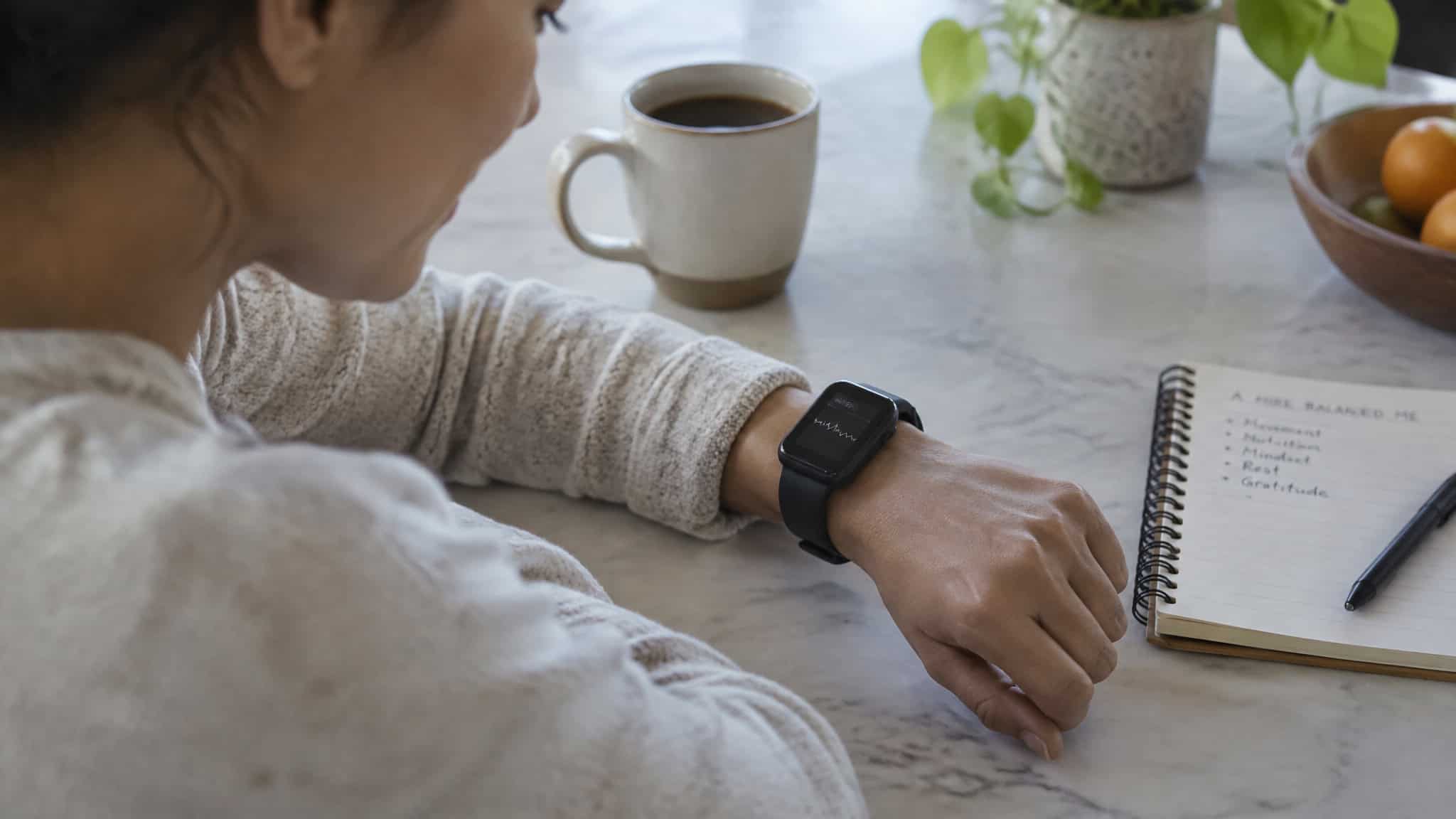
That said, this isn’t a phase. Wearable technology is the #1 trend for 2026, a position it has held nearly every year for the past decade, and close to half of U.S. adults now own a tracker or smartwatch. The biosensors inside now capture falls and crashes, heart rhythm, blood pressure, blood glucose, and skin temperature. Adoption-wise, Apple Watch was the most-used watch, Garmin the #2 recording platform, COROS also appears among the watch platforms, and Oura and WHOOP are growing fast. Gen Z is 63% more likely than Gen X to call wearables their biggest fitness investment.
The caveat that matters, from researcher Sarah Camhi: some metrics may be experimental or unreliable, innovation outpaces validation, and accuracy varies by device. The watch is a helpful guess, not a doctor.
Quick test: If a metric sounds experimental, treat it as a helpful guess — accuracy varies by device, and validation lags innovation.
What the data does well
Patterns over time, mostly. More than 70% of wearable users actually act on their data, adjusting exercise or recovery based on what they see. That’s accountability you can’t fake, and it’s the difference between collecting numbers and using them.
What to distrust
The single-day number. The common failure pattern looks like this: someone sleeps badly, sees a lower recovery score, and decides something is wrong with them, when really the body just wobbles. Normal variation is not a crisis. Zoom out before you panic.
Fitness programs for older adults: active aging
For women over 50, the best-supported low-impact workouts are resistance training to preserve strength, balance and mobility work to reduce fall risk, and low-impact cardio for heart health. An evidence-based class should contain all three, and if you’re helping a parent choose one, that’s the checklist.
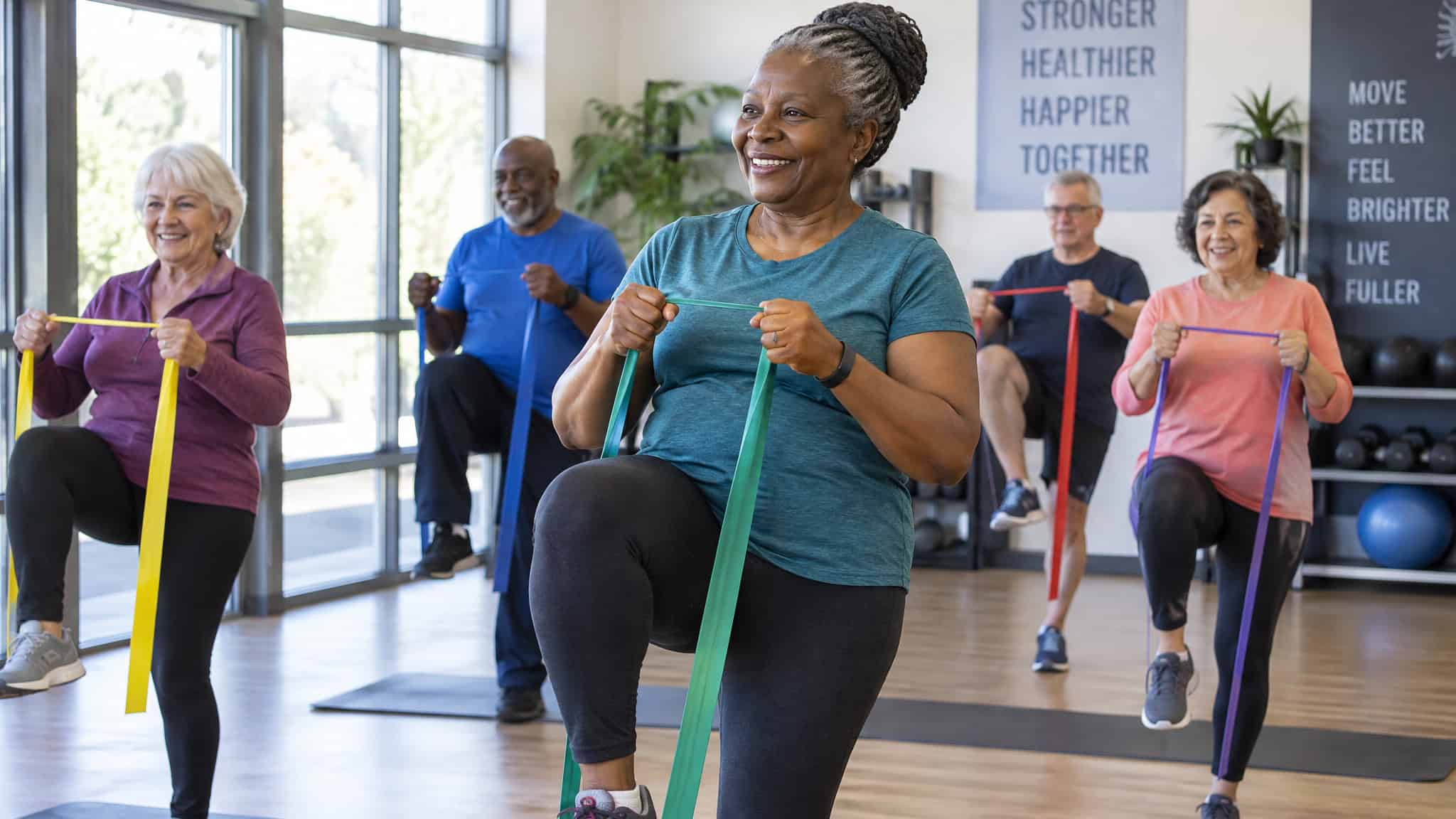
This trend climbed from #3 in 2025 to #2 in 2026. The demographics explain it: 73 million baby boomers will all be over 65 by 2030. Per the 2023 IHRSA report, among all age groups, adults 65 and older show up at gyms and studios the most. Grandma is, in fact, out there.
The counterintuitive gem comes from a 2024 industry report: programs labeled “low intensity,” “functional,” or “active aging” consistently attract more participants than ones called “senior fitness.” Nobody wants to be pandered to about their age, and how a class is named predicts who shows up. That’s a naming lesson at every age, honestly. Family physician Avinash Bhondwe adds a practitioner’s observation: older adults typically start exercising only after a diabetes, blood-pressure, or weight diagnosis. Earlier is easier.
Exercise for weight management in the GLP-1 era
Yes, women can and should strength train while on GLP-1 weight-loss medication, with their clinician involved in the plan. The emerging evidence says people who keep training during pharmacologic treatment maintain greater fat loss and preserve lean mass after stopping the medication. Translation: exercise is the part you keep.
The hedging stays honest, because the research is ongoing. Weight-loss drugs may reduce muscle, and exercise might help hold onto muscle, strength, and function, per Camhi’s commentary. Coordinate with a clinician rather than taking any article’s word for it, this one included.
The trend hit its highest position ever at #3. ACSM also renamed it from “Exercise for Weight Loss” to “Exercise for Weight Management” to cover loss, maintenance, and gain. When a 20-year-old survey changes a category’s name, that’s a real redefinition of the job. The rise is partly attributed to increased use of GLP-1 RA medications, the injectable obesity medications.
The context numbers, no judgment attached: obesity affects 42.4% of U.S. adults, and about 49% of those are actively trying to manage their weight. Researcher Alexios Batrakoulis puts it plainly: exercise is a fundamental component of the treatment strategy.
Mobile exercise apps: on-demand workouts anywhere
Yes, fitness apps are effective for staying consistent in the short term; they demonstrably get people moving. Long-term outcomes need more research, and results depend on your engagement and the program’s quality. Jennifer Turpin Stanfield, MA, ACSM-EP, frames it the same way: think of an app as a supplemental tool, not a proven solution.
Ranked #4, mobile exercise apps deliver on-demand, scheduled, live-streamed, or recorded workouts anytime, anywhere. For parents, this is the entire value proposition: the gym closes, the app doesn’t. In 2024, more than 345 million people used fitness apps, with more than 850 million downloads, and users skew younger, female, college-educated, and urban. That demographic skew is basically a description of why apps are the natural on-ramp for busy women. The honest gap: older adults adopt them less, partly because of digital literacy.
What drives engagement is goal-setting and progress-tracking features, plus reminders, rewards, and social features. The app’s nagging is a feature, not a bug. So when you’re judging one, check for those: does it set goals, track progress, and remind you? If yes, it can carry a habit. If it’s just videos in a folder, it can’t.
Balance, flow and core strength: Pilates, barre, yoga
Pilates and strength training are both right for a beginner woman, in sequence, because they build different things. More on that below. As a category, balance, flow, and core work sits at #5 this year, regaining momentum after group participation dipped during the pandemic.
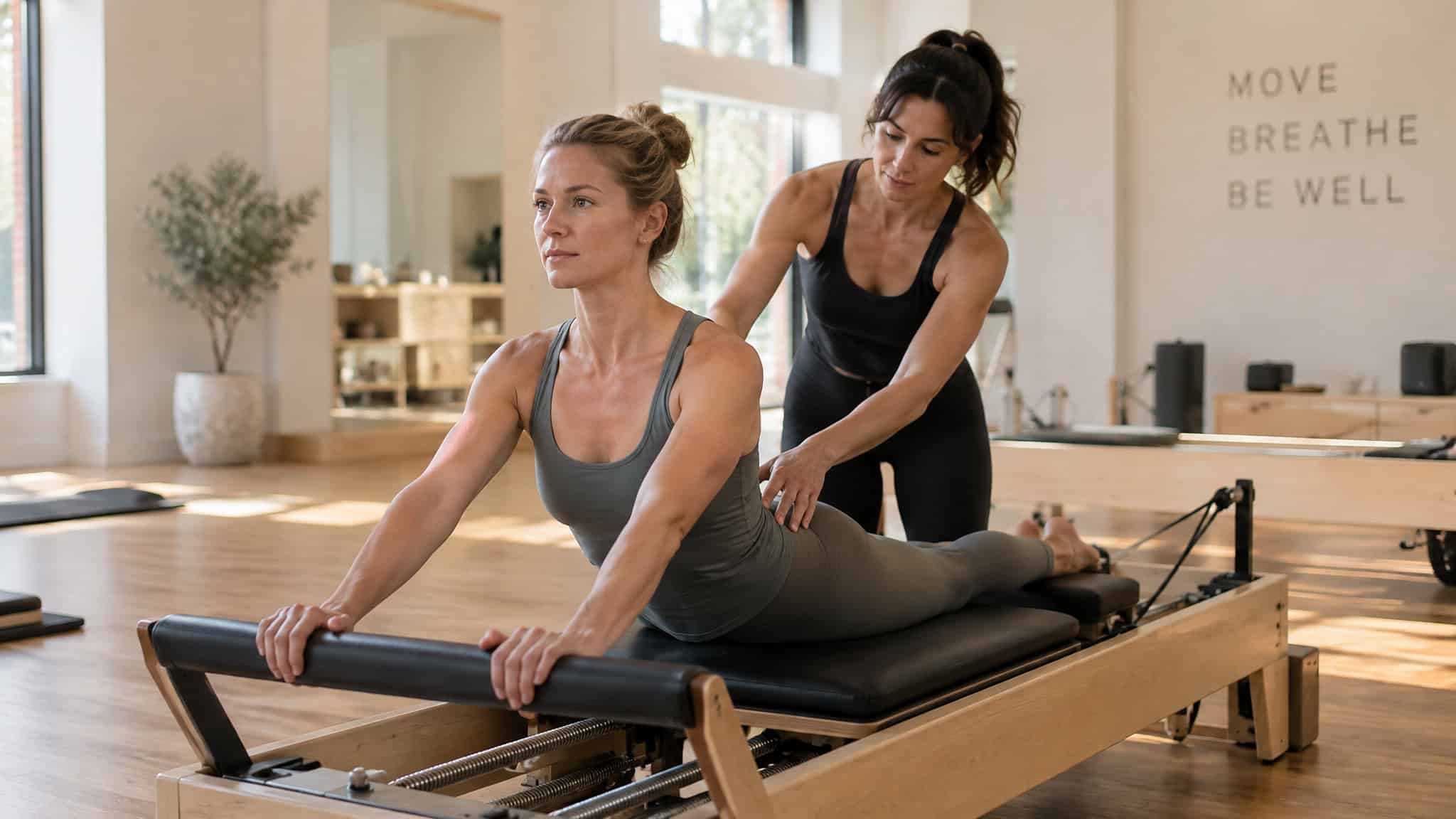
Structure is driving the rise, not virality. Per Rachelle Reed, Pilates and barre deliver one-on-one attention inside a group setting, which means personalized correction at group-class prices. That’s a genuinely good deal that has nothing to do with an algorithm. McAvoy’s point is that these formats resonate across generations, part of an industry shift toward longevity, holistic health, and mind-body integration.
What they actually deliver: posture, mobility, core control, movement control, and injury prevention. Or in kitchen-table terms, the stuff that keeps you picking up toddlers without throwing your back out.
Pilates or strength first for a beginner?
Pilates first if your priority is movement quality, guided correction, and a low-intimidation entry point. Strength first if your priority is bone density and metabolic health. They complement each other rather than compete, and plenty of people eventually do both.
Exercise for mental health is now a top motivation
Yes, exercise helps with stress and mental health, it supports the care you’re already getting, but it doesn’t take the place of it. And here’s the reframe that changes how you read every other trend on this list: 78% of exercisers say mental or emotional well-being tops their list of reasons to work out, ranking above fitness or appearance. It was never really about the abs.
The trend rose two spots to #6. Some context, said kindly: more than one in five U.S. adults report a mental health condition each year, so if that’s you, you’re in large and unjudged company. The format-specific effects are real: resistance training is associated with reduced depressive symptoms, and low-intensity mindfulness formats like yoga help with stress. Researcher A’Naja Newsome puts it carefully: exercise’s impact could rival some traditional clinical interventions as a strong supportive intervention, including for pregnant women, youth, and older adults.
Supportive. Never a substitute for treatment.
And one last thing: many gyms and studios still leave mental health benefits out of their marketing, demand notwithstanding. The benefit exists whether or not anyone advertises it.
Strength training: the workout women are adopting
Women are starting strength training in 2026 because the behavioral data shows a real shift, not a marketing one. The strongest number in this whole article: women were 21% more likely than men to record weight training on Strava in 2025. That’s millions of actual logged workouts, not a poll about intentions. Generationally, Gen Z is twice as likely as Gen X to call weight training their primary sport, and 61% more likely to say they lift for aesthetics, which I’ll report honestly because it’s true and also very funny given what the rest of the data says.
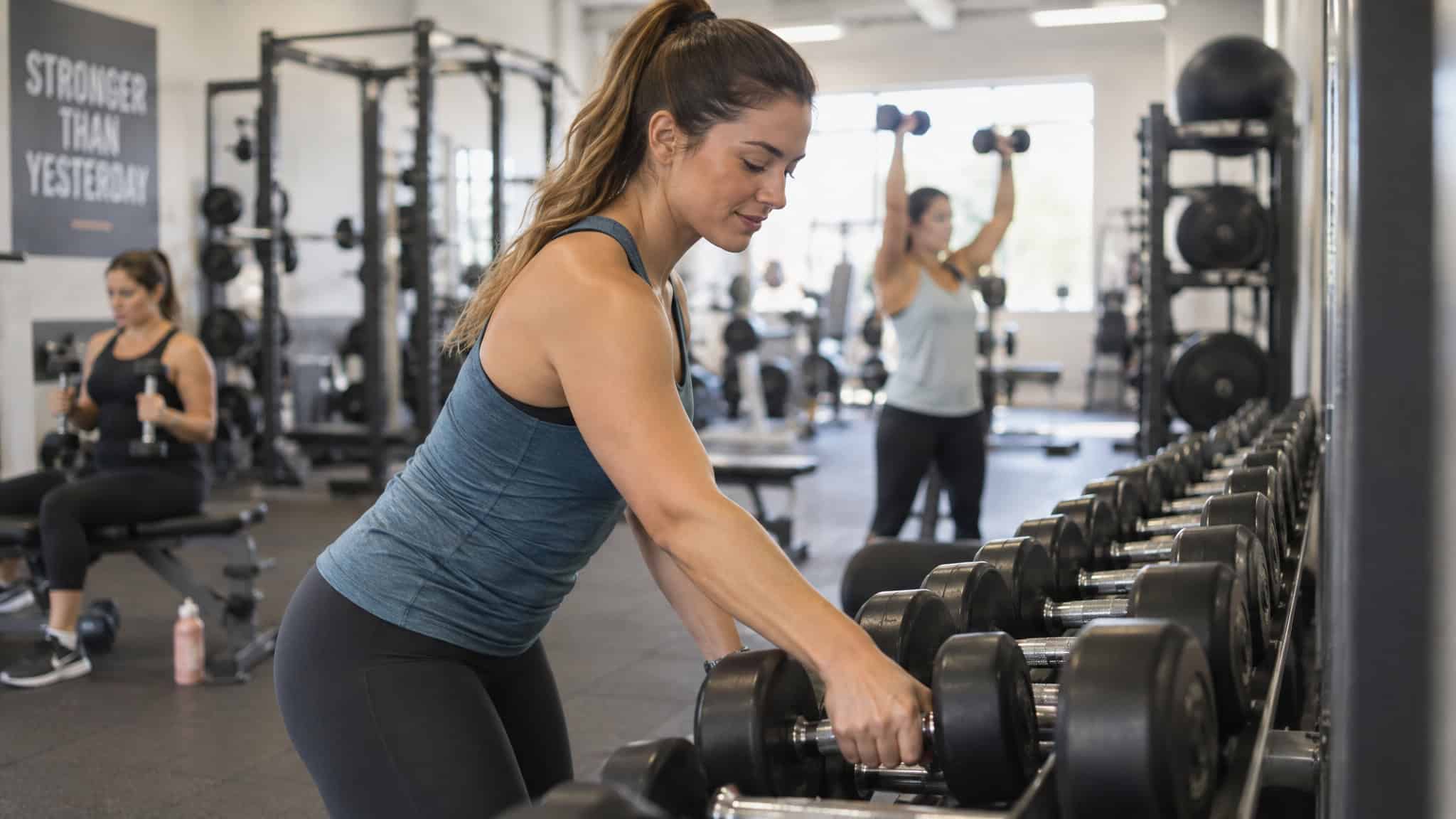
The gap underneath the surge: fewer than 30% of U.S. adults meet muscle-strengthening guidelines. Frame that with honesty instead of shame, because most of us are in that 70%, and it means the surge starts from a very low baseline. The direction matters more than anyone’s starting point.
The data behind the surge
The 21% figure is the headline, but the deeper story is a generational reset in who “belongs” in the weight room. What free weights actually deliver, in plain terms: barbells, dumbbells, and kettlebells build strength, endurance, and function, and they support stronger bones, healthier metabolism, and mobility that holds up at every age. Bone density matters more the older you get; metabolic health is blood sugar and everything downstream of it; mobility is being able to get down on the floor and back up without a production. ACSM’s messaging point is worth stealing: lead with long-term health and function, not aesthetics.
Strong for carrying the car seat, not just for the mirror. If you’re curious how the youngest gym generation trains, we’ve written about how Gen Z approaches fitness differently.
How to start without intimidation
Intimidation is the barrier, not interest. Walking into the free-weight area is scary, and ACSM’s own guidance says group classes, low-cost programs, and hybrid formats reduce it. The realistic starting pattern: many beginners start with machines or light dumbbells, and progress faster once they join a structured group or hybrid strength class. The equipment matters less than having a plan and a person who tells you what to do next.
Data-driven training: turning stats into progress
More than 70% of wearable users apply their data to exercise or recovery decisions, which means people are actually listening to their watches, not just wearing them. The concrete proof point: a 2023 study found that HRV-guided training, meaning training adjusted to your heart-rate variability, the beat-to-beat variation that reflects recovery, improved performance and reduced injury rates compared with fixed programming.
The requirement is the part everyone skips: data only helps when raw numbers become real decisions shaped around your goals and where your body is right now. Knowing your recovery score is step one. Adjusting the plan is the actual step. The graph doesn’t work out for you.
There’s an emerging layer here, worth mild curiosity rather than hype: 46% of respondents would use AI as a smart coach, with Gen Z highest. Strava’s Athlete Intelligence and Runna’s Workout Insights are positioned to lead that space. Named, noted, no endorsement.
Adult recreation and sport clubs: fitness as community
Pickleball-style recreational clubs suit casual, low-barrier, connection-first play; run clubs suit goal-driven training with a race on the calendar. Pick based on whether you want fun or a training goal. Both work.
Adult Recreation and Sport Clubs entered the ACSM top 10 for the first time at #9, driven by pickleball and the desire for social connection outside traditional gyms. Two independent datasets converge here, which is the authority move: ACSM’s professional survey says it, and Strava’s behavioral data confirms it, with clubs nearly quadrupling in 2025 to 1 million total. Hiking clubs grew 5.8x, running clubs 3.5x, and club-organized events rose 1.5x year-over-year. Group recreation formats work especially well for inactive adults motivated by connection or casual competition. If the gym never stuck for you, a team might. Gen Z is 39% more likely than Gen X to use fitness to meet people; the gym is quietly becoming the new third place.
Running clubs and racing
Running is Strava’s top sport, with racing on the rise, and walking is the second most-recorded activity. Walking counts. The data agrees. Gen Z is 75% more likely than Gen X to cite a race or event as their main motivation, which tells you having something on the calendar works at any age.
On the Runna platform, 26% of users call themselves beginners, and 86% of Runna-connected runners hit a personal best this year, reported as platform data, not a guaranteed-PR promise. The most-recorded running shoes, listed plainly: ASICS Novablast, Nike Pegasus, HOKA Clifton. A new Strava route is created every 19 seconds, Boulder swept the U.S. leaderboards with 6,302 steps a day and a 39-day median streak, and Copenhagen is the fastest metro at 8:52 per mile. One very fit town, one very fast city.
Functional fitness training for real life
Functional fitness trains the movements your life already demands: squats, lunges, carries. It rounds out the top 10 at #10. The research points to gains in strength, speed, power, and balance even among athletes, and it works with or without equipment, solo or in groups, prioritizing function over how anything looks. The same movements matter for longevity at 35 as at 65.
How to start a workout routine around a family schedule
The trick to fitting workouts into a packed family week is anchoring them to a time slot that already exists in your day. Not an idealized schedule. The real one, with its existing holes.
This is the part I can speak to directly, and it’s honestly why we write about this stuff at Tidbits of Experience in the first place: from one mom’s kitchen-table view, I’ve watched plenty of workout plans come and go in my own house, and the ones that survive are the ones anchored to a fixed slot that was already there. An early-morning window before anyone else needs me, or a kid’s activity block where I’m already sitting somewhere anyway. On-demand app workouts absorb the days the plan falls apart, because some days it will fall apart. And some parts of this just have no hack. That’s worth saying out loud.
When women actually work out
The data has opinions. Activity peaks at 6:30 a.m., with 25.6% of exercisers active then, and 42% of exercise sessions last 30 minutes or less. Short counts. Globally, 55.4% of activities in Yogyakarta, Indonesia, happen between 4 and 7 a.m., which is less a fitness stat than a reminder that people fit movement into whatever hours life leaves them.
Matching each trend to a time slot
On-demand apps for the disrupted days. Hybrid classes for the predictable windows. Short strength sessions over long cardio blocks, because 30 minutes is the norm, not the exception. And Friday is the least popular workout day on Strava, which makes it a ready-made day to back off and recover. Friday, in other words, is when nobody wants to train, and the data agrees.
The access gap: who trending workouts leave behind
The gender gap in exercise is a time-and-access problem, not a motivation problem. Globally, 31.3% of people are insufficiently active per World Health Organization (WHO) figures, with prevalence 5 percentage points higher in women than men, per a Lancet Global Health pooled analysis reported through secondary coverage. In India, per the National Statistics Office (NSO), only 4.9% of women versus 14.5% of men exercised on a given day in 2024, and consultant Chaitali Aher points out that household chores get mistaken for exercise while women’s unpaid care burden leaves little room for actual workouts. Scrubbing floors is labor, not a workout plan.
If your schedule is the tight one, the most realistic low-barrier start is HIIT-style walking, meaning intervals of faster effort alternating with slower recovery paces, working toward at least 45 minutes daily for heart health. No membership, no equipment, no childcare needed.
Frequently Asked Questions
What are some popular workouts for women?
The formats with real momentum behind them are strength training, Pilates and barre, wearable-guided training, on-demand app workouts, and recreational sports like pickleball. Women were 21% more likely than men to record weight training on Strava in 2025, which makes strength the standout behavioral shift rather than a marketing one.
Why are so many women starting strength training in 2026?
Because the behavioral data shows a genuine shift: women were 21% more likely than men to log weight training on Strava in 2025, based on millions of actual workouts rather than survey intentions. Gen Z is also twice as likely as Gen X to call weight training their primary sport. The surge starts from a low baseline — fewer than 30% of U.S. adults meet muscle-strengthening guidelines — so the direction matters more than anyone’s starting point.