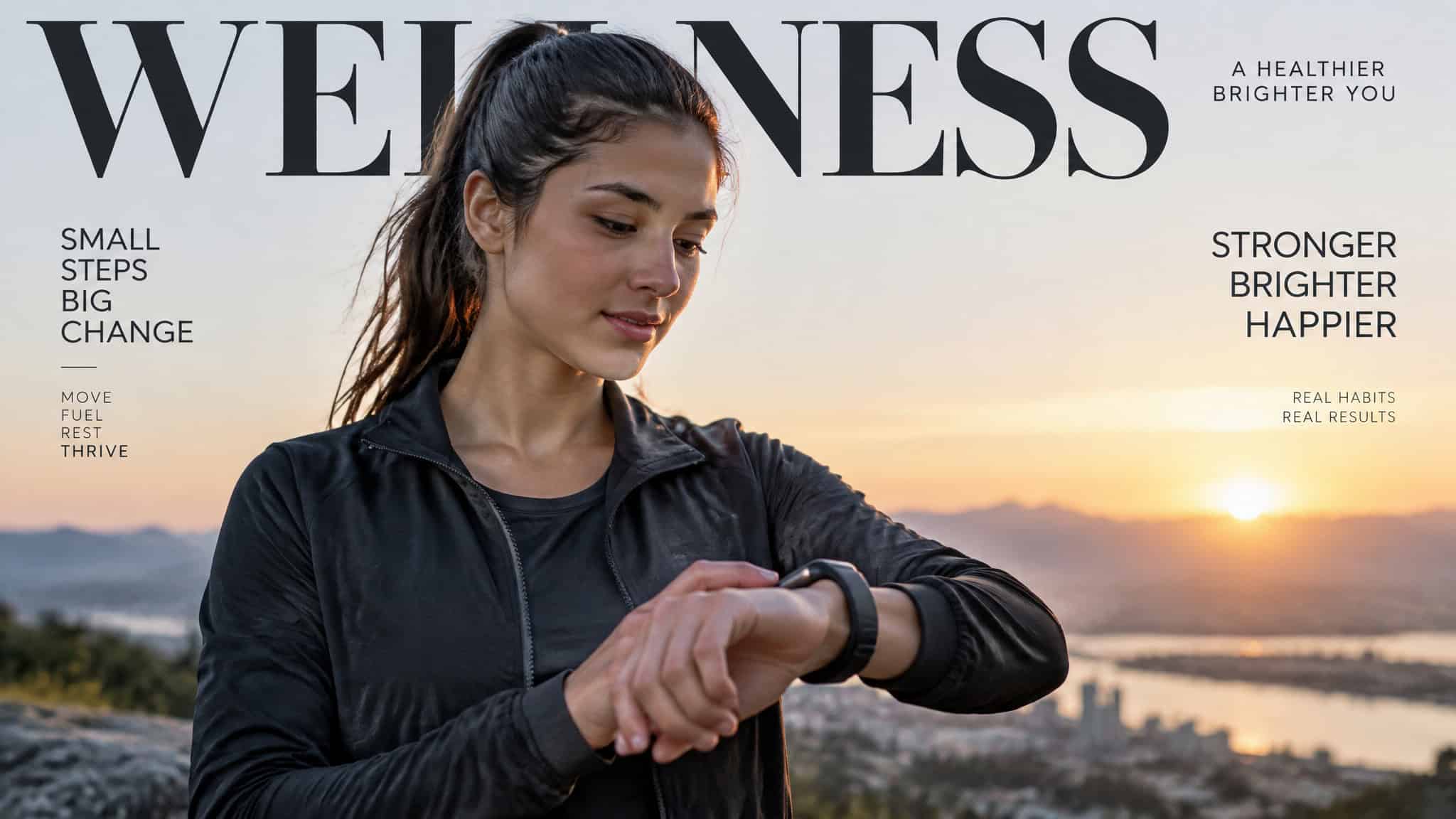
A teenager named Sydney was asked, as part of a research project, what health means to her. Meditation, she said. Healthy thoughts. Sweating.
Being active. Then she added the line that explains everything else in this piece: “I’m thinking about it all the time.” For a lot of readers, health was a yearly checkup and a vague feeling of guilt about vegetables. For Sydney, it’s a running background process. That gap is the real story here, and it’s also why the “Gen Z quit the gym” headlines deserve a second look.
Key Takeaways
Researchers who ran 100 street interviews and a 1,000-person US survey back in 2019 started calling this cohort “Gen Well” because health and wellness was their number one priority, and over 70% described themselves as healthy.
Most young people work out one to six times a week, mainly solo and outdoors without a gym membership, yet fitness clubs were the only exercise segment that grew between 2023 and 2026, with participation reaching 51%.
Only 34% of Gen Z trust what companies tell them about health, but about 70% trust healthcare professionals, so skepticism, not gullibility, is the trait worth understanding.
Table of Contents
Health never clocks out
Gen Z treats health as a constant, self-monitored practice rather than an episodic activity. The exercises aren’t the difference. The difference is that health never clocks out.
The “Gen Well” label came from researchers at The Linus Group, who back in 2019 did something refreshingly un-TikTok: they talked to real people. A hundred street interviews plus a 1,000-person national survey across the US, fielded from September through December of that year, all focused on health, wellness, and the future of healthcare. Health and wellness came back as this generation’s number one priority, which is why the researchers handed them a new name instead of the usual letter.
What struck the researchers most was the unity. This is the first generation in a long time all pulling toward the same goal: to be well. And the reason makes a certain sad sense. When social pressure, anxiety, and general chaos feel uncontrollable, health is the thing they can actually control. That’s worth taking seriously without turning it into a diagnosis.
The researchers noticed four things about how this generation operates, and they named them as a framework: interdependence, resilience, speculation, and haptic experiences. Interdependence means these kids lean on each other for health instead of going it alone. Resilience means they bounce back, and they build habits around that recovery. Speculation means they think ahead about what their health will look like in ten years. And the haptic force is the blended physical-digital life they live half on screens and half off, without seeing much of a border between the two, the “phigital” experience that makes health a constant, not a single doctor’s appointment.
The numbers back the attitude up. Over 70% describe themselves as healthy, which is genuinely good news, not just a data point. And when asked what they actually do for their health, exercise and preventive care came up most. They’re not just talking about it.
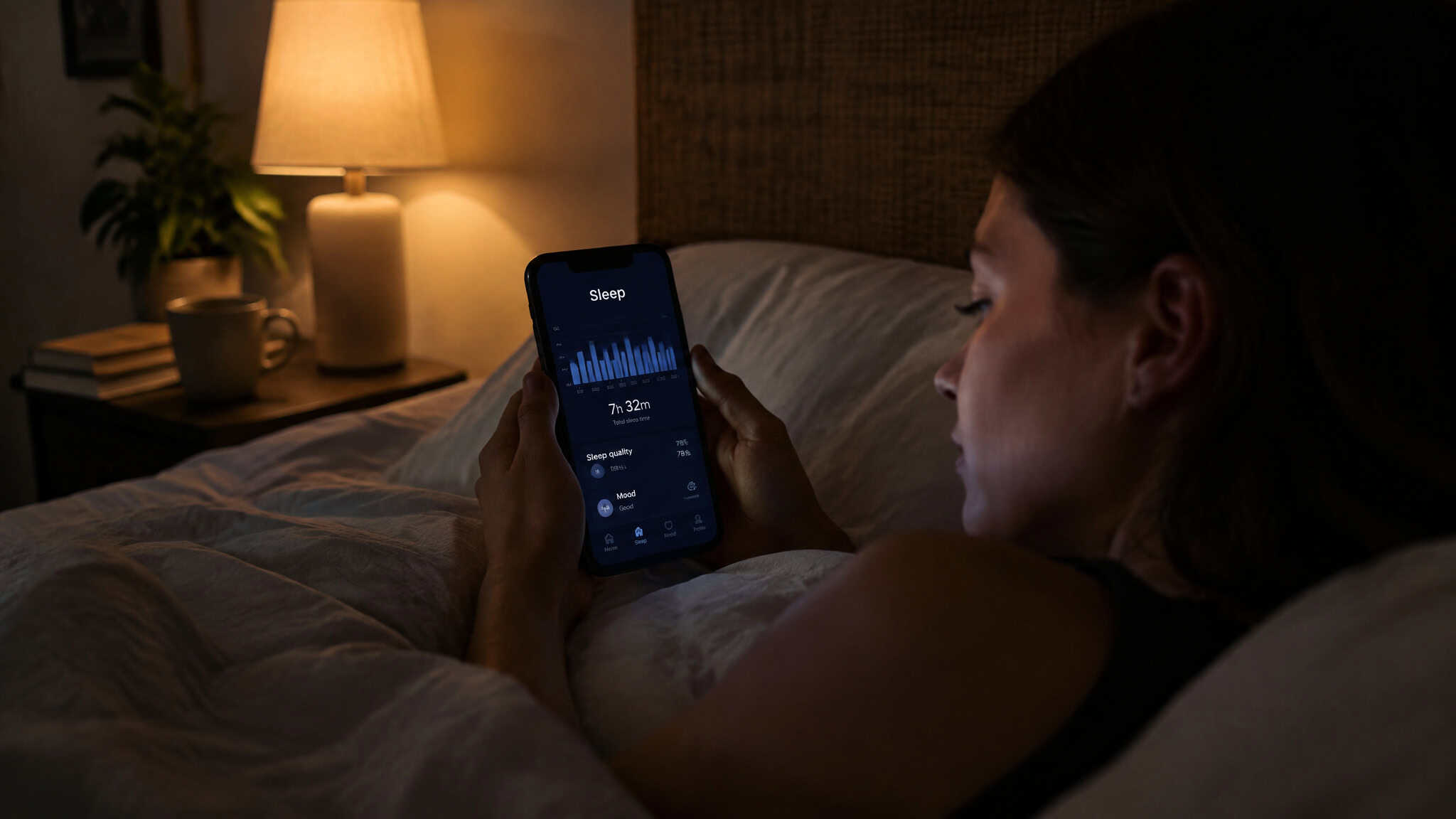
So what does the daily practice look like? Checking sleep. Logging mood. A workout on the phone.
A therapy session online. Where an older generation’s health might amount to one doctor’s visit a year, this cohort runs a constant flow of small check-ins, and their checkup is effectively their phone. Separate research from the Hartman Group, which studied Gen Z teens ages 14 to 17, found the same shape: teens define health as a balance where sleep, stress, and social life all feed into eating and exercise. Everything’s connected.
One more thing worth knowing: this is a big cohort. About 74 million Americans are 18 and under, roughly 23% of the US population, the same size as the millennial and boomer generations. Whatever they’re doing, it’s not a niche.
Mental health gets top billing, and exercise is one of the tools
For this generation, mental health sits at the top of the list, and exercise is one of the tools they use for it. In the Linus research, 72% said managing their mental health was their most important wellness concern. More than half, 52%, said they’re constantly stressed. Yeah, that tracks, and there’s no hack for it, so I won’t pretend there is.
Here’s the part that gives me actual hope: 75% are open to talking about their mental health. Nearly three out of four will discuss how they’re doing. The same research also found they’re 27% more likely than other generations to rate their mental health as fair or poor. Both things are true at once, and the openness is probably why the harder number is visible at all.
When this cohort seeks mental health help, anxiety now tops the list of reasons, ahead of depression, and the researchers note it without drama. And a CDC study found young adults 18 to 24 reported high levels of pandemic-related anxiety and depression during that period, which we already lived through and don’t need to relive.
The Hartman teen data shows what they do with all of this. Exercise is central to how 14 to 17-year-olds manage stress, weight issues, depression, and sleep problems. Almost half of them use exercise to treat or prevent anxiety and stress, which ranked behind skin problems and colds and flu, and ahead of weight issues. Read that ranking twice. Teenagers are deliberately using workouts for their heads.
Their day-to-day worries are very human: getting enough sleep, managing stress, keeping grades up, building self-esteem, finding time to socialize. And many teens actively protect their sleep, which is more self-discipline than most of us managed at that age.
One interviewee, Ryan, tries to keep a base level of happiness, and wants whatever his emotional escape is to return him to that baseline. He’s working with the idea, not claiming to have mastered it, and that honesty is kind of the point.
The adults around them have noticed, too. Some high schools have student “VPs of Health” who check in on classmates. Brigham Young University gave students free access to Sanvello, an app built on stress, anxiety, and depression techniques that actually have evidence behind them. Snapchat’s “Here for You” surfaces expert-written content when search terms suggest someone’s struggling. Meditation now shows up in classrooms as early as kindergarten, and health decisions happen everywhere, from grocery shopping to dorm life.
Tracking is everywhere. The payoff isn’t the streak.
Tracking is everywhere in Gen Z fitness, but the real payoff is discovering patterns, not stacking streaks. Back in 2019, 45% of Gen Wellers already used wearables, which in practice meant closing rings, tracking sleep, and competing with friends over workout goals. EuropeActive’s survey research found 70% of the under-45 groups use a workout app, and almost 80% of the younger group track nutrition or calories.
But here’s the split that actually matters, and it’s the part most trend pieces skip. Among regular exercisers, 65% use a digital tool. Among non-regular exercisers, 71% use none. That’s correlation, not causation, and it’s worth saying plainly: tracking accompanies activity, it doesn’t create it. The watch doesn’t do the push-ups.
Quick test: If your tracking surfaces a pattern you wouldn’t have spotted on your own, it’s working. If it only counts streaks, it isn’t.
The interesting part is what tracking is for. Daylio, a mood-tracking app, logs mood, physical aches, and water intake, then surfaces patterns you wouldn’t have spotted on your own. A user named Julius logs his daily mood and once used the data to evaluate a week without drinking, which he described as feeling great. His takeaway: Tracking what you actually do is very rewarding. No preaching in it, just a guy who could see his own week laid out.
The researchers documented people logging mood, water, and workouts for weeks and discovering unexpected correlations, like feeling noticeably better on weeks with more movement or better sleep. The insight comes from the pattern, not from the logging itself. The app is just the mirror.
The “Gen Z killed the gym” story is half right
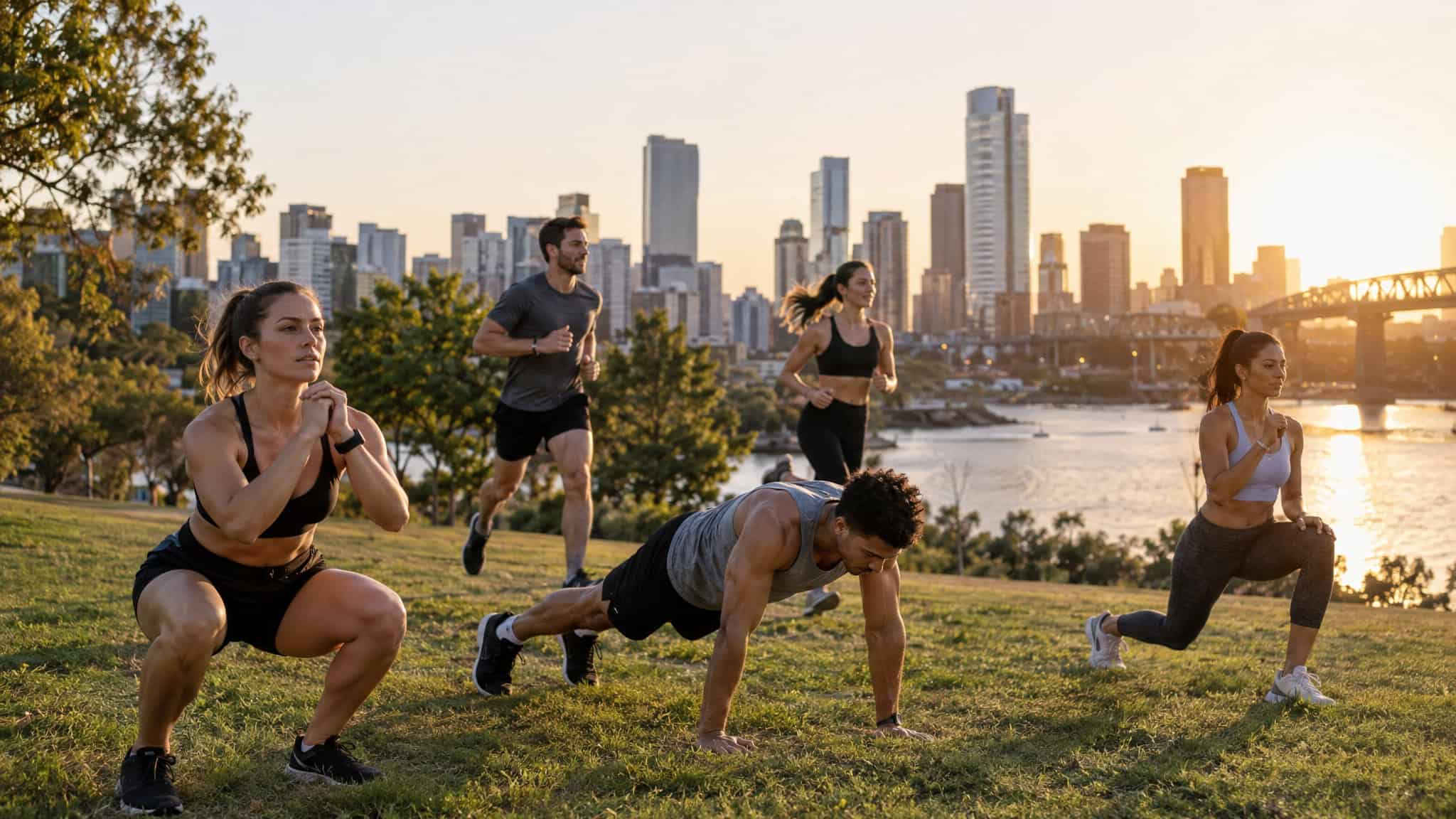
The “Gen Z killed the gym” story is half right, and the honest read is hybrid behavior, not abandonment. YPulse’s 2026 Health and Fitness Report, published June 10, 2026, found that most young people work out one to six times a week, mainly solo, outdoors, and without a gym membership. Fitness brands, the report notes, keep misreading this pattern, presumably while designing another campaign featuring someone sprinting dramatically at sunrise in a gym they’ve never entered.
The methodology, so the numbers have footing: 1,500 people ages 13 to 39 in the US and Canada, surveyed in April 2026, plus a parallel Western Europe survey covering 2,500 people in five countries: the UK, Italy, Spain, France, and Germany.
Now the counterpoint, and it’s a real one. Fitness clubs are the only part of the exercise ecosystem showing growth, with participation rising to 51% between 2023 and 2026, and Gen Z members visit clubs more often than other members. Europe’s market sits at 75 million members against a stated goal of 100 million by 2030, per the Deloitte-produced European Health and Fitness Market Report presented at the European Health & Fitness Forum in Cologne. One honest caveat before anyone tries to mash these together: the two datasets measure different geographies.
Both are true. Nobody has a single number covering both, and I’m not going to invent one.
The hybrid picture explains the contradiction. In EuropeActive’s research, 40% of active people are hybrid exercisers who mix venues. Another 26% exercise only in facilities, 22% only at home, and 11% only outdoors. Half get their activity in indoor fitness centers, fully or in part, and 75% of club users treat the club as the anchor for everything else.
So the gym isn’t dead. It’s one node in a system.
The base rate underneath all of it: 64% of the population exercises at least weekly, up 2% from the prior year. That’s the fifth year of the study, fielded in January, so it’s a tracked trend rather than a one-off snapshot. The venue mix is drifting, though. 55% exercise at home, down from 60% in 2023, and 42% exercise outdoors, a share that’s declining. Home and outdoor workouts grew enormously during the pandemic years before leveling off.
When people pick where to work out, location wins, close to home or work beats everything else, and price combined with perceived value comes second. Not just cheap. Cheap and worth it.
Buyer rule: Pick your gym by location first and price-with-value second. Cheap only counts if it’s actually worth it.
That’s where the HVLP model comes in. HVLP stands for high-value, low-price gyms, and it’s the dominant expanding model in the industry. People trade up to premium gyms when they can afford it, then come back to the budget option. These chains sit on mountains of operational data and use it to keep prices lower than competitors can match.
The catch is that the model only works at volume, which is why the advice to smaller gyms is to specialize rather than compete on price. And the budget membership often isn’t the whole picture: Basic-Fit members frequently layer boutique classes or personal training on top of it.
The contrast that explains a lot of gym behavior: HVLP members typically work out alone, headphones in, no interaction. Special-interest club members are there for relationships, personal trainers, and goal support. Neither is wrong. One is great if you want to disappear into your workout, and genuinely lonely if you don’t. That’s a decision about what keeps you showing up, not a ranking.
| Setup | Membership needed | Usually solo | Built-in community |
|---|---|---|---|
| Outdoors, on your own | No | Yes | No |
| At home | No | Yes | Partial (app communities like Tone It Up) |
| HVLP gym | Yes | Yes (headphones on) | No |
| Special-interest club | Yes | Partial | Yes (trainers, goal support) |
The available data doesn’t include a cost-per-visit or results comparison across these setups. What it does rank is the decision factors: location first, price-with-value second.
And for the question of whether more people are going to the gym now: in Europe, yes, participation rose to 51% between 2023 and 2026. That’s what the data supports, and it doesn’t extend to the US.
Grew up online, and it made them skeptics
Growing up online made this generation more skeptical, not less, and community, not virality, is what earns their trust. These are the kids who grew up connected to five or more screens, and the researchers’ word for how they live is “phigital”: physical and digital blended into one experience. The example that captures it is the TikTok trend of dancing in the street with your neighbors, then sharing the video online. Real life feeding digital, not replacing it.

That blend shows up in healthcare, too. Half of Gen Zers access care in alternative ways: video-chat therapists, minute clinics, dispatch services like Dispatch Health. Before anyone files this under “kids avoid doctors,” the honest part: cost and access are what keep most of them from seeing a doctor more often. They’re not skipping care by choice. Money is the reason, and it deserves to be named as money.
Their first move for a health answer is to look it up or ask their social networks. But they’re guided by Gen X parents, teachers, and coaches, so adults still matter in this picture more than the stereotypes suggest.
The trust numbers are where it gets sharp. Only 34% trust what companies tell them about health. They lean on parents, peers, and professional experts instead. About 70% trust healthcare professionals, yet barely over half have a primary care physician. Trust exists; access doesn’t always keep up.
The clearest example the researchers found is Lucy, from Boulder, Colorado, who stopped thinking of Walgreens as a health brand once she saw the vaping products on its shelves. The mismatch between the health mission and the shelf did the damage. More broadly, 52% will switch brands if quality isn’t up to par. The researchers call this cohort “truth detectives”: they investigate claims and will drop brands that hide the truth or clash with their values. The pattern they observed looks like this: a young consumer adopts a wellness product on a creator’s recommendation, then reverses after checking the ingredients or spotting the brand selling something misaligned.
Where does that leave brands that want to be trusted? In community, not virality. Tone It Up built an at-home workout community that works for people who can’t get to a gym. Outdoor Voices built its message around everyday casual exercisers rather than elite athletes, which is most of us. And authenticity is the repair mechanism: engineered polish reads as shallow to this generation, while outlets like The Cut and Morning Brew earn trust by taking real positions in a conversational voice.
Appearance motivation is real, and they know it
Appearance motivation is real, it splits along gender lines, and it’s growing, yet this generation is also the loudest critic of looks-first wellness culture. In YPulse’s 2026 survey, for most young males, the goal is a more masculine look, while over half of young females say they train to look more feminine. Two bits of internet vocabulary explain the culture around this. Looksmaxxing is the practice of systematically maximizing your appearance, gym work included.
Mogging is the competitive art of looking more muscular than the person next to you. Both terms get used half-jokingly and pursued entirely seriously.
Here’s the tension worth holding: most of these same young people also criticize wellness culture for putting appearance ahead of actual health. They can see the problem from inside it. That self-awareness is the interesting part, not a gotcha.
The Hartman teen research shows the split starts early, and it’s worth noting without turning it into a stereotype. Girls often describe exercise as a way to feel in control of body image and eating guilt. Boys more often point to muscle building and athletic performance. Different motivations, same gym.
They buy wellness and side-eye wellness marketing
Adoption is high and trust is low, and that gap is the wellness market’s credibility problem. YPulse found most young people take vitamins regularly and keep a dedicated morning or night routine. Nearly half regularly use wearables or energy drinks, and I’ll group those two the way the data does: one’s trendy, and one they already suspect is questionable. They’re not asking for a lecture about it.
Many of them think popular wellness products are just marketing hype. That built-in BS detector works in their favor, and it leaves room for anything that’s actually credible.
What they respond to, per the Hartman research, is refreshingly unglamorous: brands that serve as a trusted resource and draw clear lines between fresh and less-processed food, and are transparent about ingredients, package facts, and sourcing. Strip away the strategy language and they just want to know what’s in it.
What any age group can borrow
The transferable edge isn’t a specific workout. It’s willingness and monitoring. EuropeActive’s survey, which split respondents into Gen Z 16 to 29, millennials 30 to 44, Gen X 45 to 65, plus a 65 to 75 group, found all age brackets agree exercise matters about equally. The knowledge isn’t the gap.
The gap is that older generations are less willing and able to trade other leisure for a training schedule. That makes it a matter of motivation rather than information, which is honestly a relief, because motivation is more fixable than information.
So which generation is the healthiest? Depends which number you grab. The Hartman comparison found physical fitness, healthy eating, and mental health matter to a much larger share of Gen Z than of baby boomers, and plant-based eating has real traction with this generation. But their self-rated mental health runs worse than other generations’. Not a clean win for anyone, which is why I’d rather talk about what’s worth stealing.
Here’s my short list, each one tied to something this generation actually does:
- Track your baseline happiness the way Ryan does. Treat your emotional state as a measurable, trainable thing instead of weather that just happens to you. A Daylio-style mood review does this in about thirty seconds a day.
- Give mental health maintenance the same scheduling seriousness as workouts. The Hartman teens already use exercise deliberately as stress management. Booking the walk like a meeting is the adult version of the same move.
- Go hybrid. Let one venue anchor the routine and let home and outdoors fill the gaps. 40% of active people in EuropeActive’s research already exercise this way, and it’s insurance against the week when everything goes sideways.
- Keep the skepticism and use it as a quality filter. Read the label, check who’s making the claim, and let a product earn the spot in your routine.
If you want a starting point, our roundup of the workouts actually trending right now breaks down what each one involves and who it suits.
Where this is heading
The fitness industry is restructuring around this generation in ways members never see. Marcel Boots, who has spent 25 years in the industry, serves as interim president of EuropeActive and strategic advisor to Basic-Fit’s board, points out that gym leadership skews male and older while the member base shifts to Gen Z and Gen Alpha. He joked to the EHFF audience in Cologne that the room held “more boomers.” His read on the numbers: Gen Z members show up more often, Gen Alpha is expected to live even healthier thanks to education, and the 100-million-member goal is reachable because European penetration still lags the US and new clubs are opening in Eastern Europe.
Kai Troll, EuropeActive’s CEO, calls GLP-1, the medication category behind the current wave of weight-loss headlines, the biggest shift the industry hasn’t prepared for, noting that many European operators don’t have it on their agenda. EuropeActive is educating coaches and trainers on supporting GLP-1 users and people with diabetes and other chronic conditions, and on longevity more broadly, and expects GLP-1 to drive membership growth. Troll’s argument is that the industry can’t adapt in isolation: EuropeActive deliberately draws expertise from the hospitality, FMCG, and technology industries, and says the sector still needs medical-sector acceptance, standardization, an educated sales force and workforce, and better trainer education. Unification and learning from outside sectors, in his view, are critical to future growth. The larger shift underneath it: fitness being recognized as preventive healthcare, aligned with EU and WHO goals, with 2030 remaining the industry’s stated target rather than a promise anyone has cashed yet.
Frequently Asked Questions
Are more people going to the gym now?
In Europe, yes: fitness club participation rose to 51% between 2023 and 2026, and clubs were the only exercise segment showing growth. Gen Z members also visit clubs more often than other members. The data doesn’t extend to the US, so the claim can’t be generalized there.
Why is Gen Z called the wellness generation or Gen Well?
Researchers at The Linus Group coined the label after 100 street interviews and a 1,000-person US survey in 2019 found health and wellness was this generation’s number one priority. Over 70% described themselves as healthy, and the researchers felt the usual generational letter didn’t capture how unified the cohort was around one goal: to be well.
Do Gen Z workout habits actually differ from gym marketing stereotypes?
Yes, and brands keep misreading the pattern. Most young people work out one to six times a week, mainly solo, outdoors, and without a gym membership — not sprinting dramatically at sunrise inside a club. The gym is one node in a hybrid system, not the center of it.
How do wearables and fitness apps shape Gen Z exercise routines?
Tracking is everywhere — 45% of Gen Wellers already used wearables in 2019, 70% of under-45s use a workout app, and nearly 80% of younger users track nutrition or calories. But tracking accompanies activity rather than creating it: 65% of regular exercisers use a digital tool, while 71% of non-regular exercisers use none. The real payoff is spotting patterns you wouldn’t have noticed on your own, not stacking streaks.
Is looksmaxxing driving Gen Z gym motivation or harming it?
Both, and they know it. Appearance motivation is real and growing — most young males train for a more masculine look, and over half of young females train to look more feminine — with looksmaxxing and mogging as the culture’s vocabulary. Yet most of these same young people also criticize wellness culture for putting appearance ahead of actual health, so the self-awareness is built in.