
I remember doing my hundredth crunch on the living room rug, looking down at my stomach, and realizing something was broken. Years of diet and exercise just could not fix the deep, physical changes that pregnancy caused to my core. If you want to reclaim your pre-pregnancy body, consulting a plastic surgery practice in Columbus, Ohio can help you understand that a Mommy Makeover involves targeted procedures such as abdominoplasty, Breast Lift, or breast augmentation to address specific anatomical changes.
View the mommy makeover not as a single defined package, but as a customizable set of interventions specifically tailored to correct only the irreversible anatomical damage unique to your pregnancy. Traditionally, people casually refer to MMO surgery as a tummy tuck and boob job. That is why a Tummy tuck and breast augmentation (described as the standard Mommy Makeover) remain the most common surgical pairing on the books. But in practice, you map out exactly what tore, stretched, or shifted during those 9 months, and your surgeon pieces together the specific medical repairs you actually need.
Key Takeaways
Diastasis recti involves the irreversible stretching of the Linea Alba, a connective tissue tear that cannot be corrected with diet and exercise.
Stretch marks are irreversible deep-tissue tears, and no topical cream or laser has been proven effective under academic scrutiny to fix them.
Liposuction targets stubborn fat to improve specific anatomical contours, but it does not cause substantial weight loss.
Table of Contents
Abdominoplasty and the Stretch Mark Scam
Stop investing in topical skincare or lasers for lower abdominal stretch marks; recognize that excision during abdominoplasty is the only academically proven method to permanently eliminate them. You see the late-night ads for miracle serums. They simply do not work.
Reconstructing Separated Core Muscles
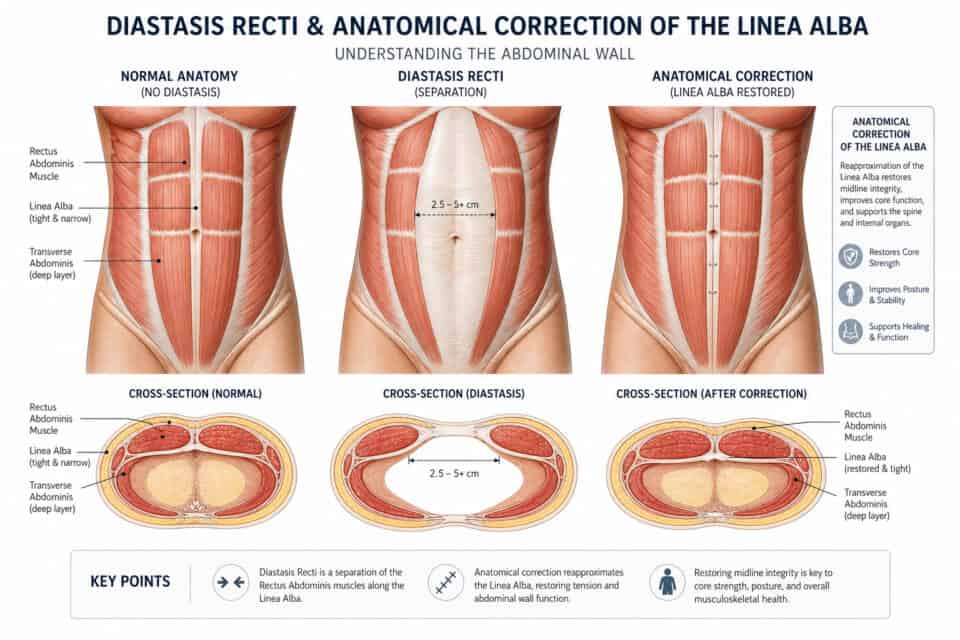
Let’s talk about the infamous mommy pooch. During pregnancy, your growing baby places massive internal pressure on your abdominal wall. Diastasis recti is a pathology where the uterus enlarges enough to cause irreversible stretching of the Linea Alba. That is the connective tissue running straight down the middle of your six-pack muscle.
Once that tissue stretches out like a blown rubber band, you get an increased girth that diet and exercise cannot touch, simply because you cannot work out irreversible damage. You have to undergo a surgical Tummy Tuck to physically stitch those abdominal muscles back together. Depending on the severity of the separation, your surgeon will recommend either a mini abdominoplasty to address lower abdominal sagging, or a full abdominoplasty for a complete internal core repair.
Why Stretch Mark Skincare Fails
Pregnancy frequently tears the deeper layers of your skin. Stretch marks are irreversible and no topical cream or laser have been proven effective under academic scrutiny. The postpartum skincare industry generates over $1 billion annually selling topical creams, but the biological truth is that these are deep internal scars. The only way to get rid of them is through excision.

A standard abdominoplasty removes the damaged skin and the underlying fatty tissue from your lower abdomen. This procedure cuts the scarred tissue away. It works.
Breast Restoration: Implants Versus Skin Envelope Reduction
Identify whether your postpartum breast change is primarily a loss of structural volume or a stretched skin envelope, as this dictates whether you need silicone/saline implants, a mastopexy, or both. Patients often struggle to distinguish between volume loss, which requires breast augmentation with implants, and skin laxity, which requires a mastopexy.
Adding Volume Vs. Removing Skin
Pregnancy alters breast tissue. The wild swings in hormone levels and the physical stretching associated with breast feeding often leave you with deflated breasts once the milk dries up. A Breast Augmentation fixes this specific deflation problem. It restores your previous cup size and adds structural fullness.
Surgeons typically use either silicone or saline implants to replace the lost volume. But adding an implant does not lift a sagging breast. It just fills it.
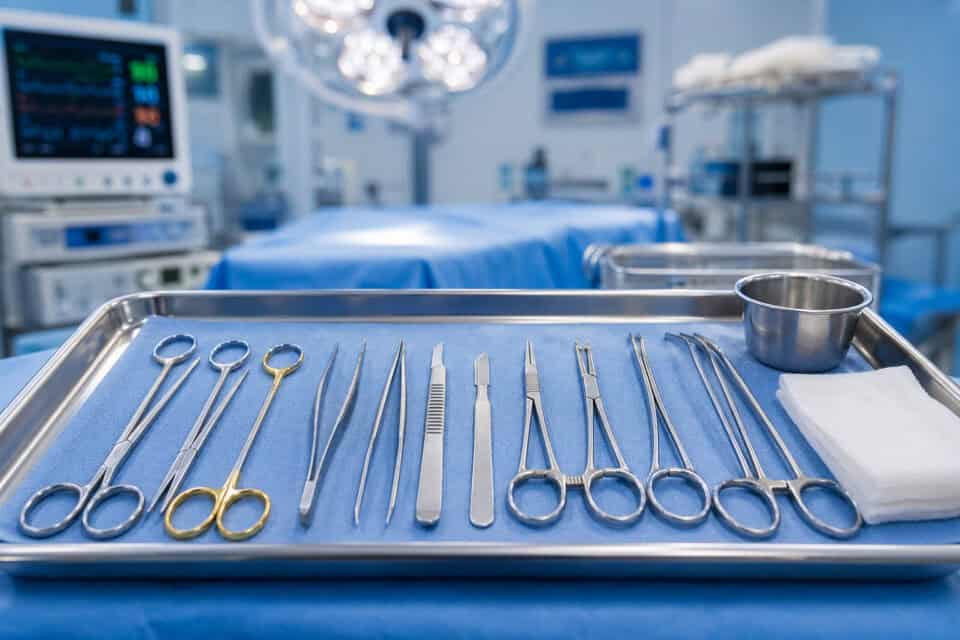
Choosing the Right Structural Fix
If your breasts point lower than they used to, you are dealing with a stretched breast skin envelope, which requires a mastopexy to fix. A Breast Lift strips away the excess skin and physically repositions your areola to a natural, forward-facing spot. It does not add any volume on its own. Many moms opt for both procedures at once to replace the volume while restoring the structural position.
Liposuction as Architectural Body Contouring
Audit your expectations for liposuction by evaluating your silhouette in the mirror rather than your weight on the scale, as the procedure alters body shape without driving substantial weight loss. The scale typically changes by less than 2 to 3 pounds.
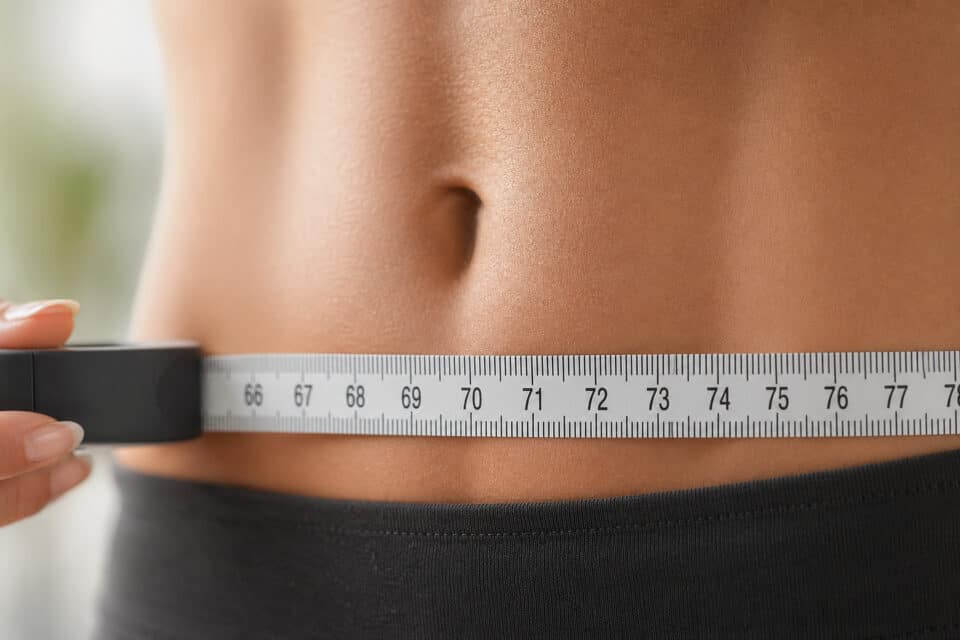
Pregnancy often deposits stubborn fat in areas that ignore your gym routine. Liposuction uses a specialized suction technology to permanently remove those specific fat cells. Because it physically sculpts your proportions, it gives you a tailored silhouette that a standard diet cannot match—whether your goal is to fit comfortably back into your pre-pregnancy jeans or to achieve the right body for a boudoir shoot. But we need to be clear.
Liposuction is not a weight loss procedure. It is a specific contouring tool for localized fat, separate from dropping overall body weight.
Vaginal Rejuvenation and the Sensual Upgrade
Broaden your discussion with your surgeon regarding vaginal procedures to include unintended but highly positive sexual performance outcomes, not just the resolution of friction and embarrassment. This is the part we rarely talk about openly.
Repairing the Physical Toll of Delivery
Delivering a baby is physically traumatic to the pelvic floor. It frequently results in a widened vaginal canal, which a vaginoplasty can physically narrow back to an anatomically comfortable dimension. Vaginal Rejuvenation Surgery also covers a variety of external fixes. Procedures like vagnoplasty, clitoral hood reduction, labiaplasty, labia majoraplasty, and monsplasty remove excess tissue that causes physical rubbing, pain during workouts, or discomfort in tight clothing. The goal is to restore your daily physical comfort.
The Hidden Benefit of Enhanced Sensation
As a writer for the mom blog Tidbits of Experience, I promise to share the messy, honest realities of postpartum life, and my own surgery opened my eyes to a massive, contrarian benefit. After my labiaplasty, I experienced higher genital sensation. I reached climax faster and easier than I did before having kids. Reducing excess tissue through a clitoral hood reduction or a labia trimming explicitly removes the physical barriers dampening nerve stimulation.
The medical pamphlets focus entirely on fixing the “shame” of widened tissue. They ignore the sensual upgrade that comes with a reconstructed pelvic floor.
“Reducing excess tissue through a clitoral hood reduction explicitly removes the physical barriers dampening nerve stimulation.”
Multi-procedure Surgeries: Navigating Tandem Recovery
Plan for a minimum of two weeks of total reliance on another adult for basic, daily functioning (standing, sitting, toileting), as tandem surgical recovery temporarily eliminates your ability to use both your core and upper body independently. You cannot do this alone.
Compounded Physiological Risks
Booking a core repair and a breast surgery on the same day means you stay under general anesthesia for multiple hours. That prolonged sedation raises your risk for blood clots and respiratory issues. You also stack major traumatic wound sites on top of each other. Your body has to run inflammatory and healing responses in your chest and your abdomen at the exact same time. The physical toll on your immune system is high.
The Physical Brutality of Tandem Healing
The recovery logistics are brutal. If you undergo a Breast Lift or receive implants, you cannot push yourself up out of bed with your arms. If you have a tummy tuck to repair diastasis recti, you cannot sit up using your abdominal muscles. You are trapped flat on your back. For the first two weeks, you need a full-time caregiver to physically pull you up and walk you to the bathroom.
You cannot hold your actual children. It demands non-stop help.
Surgical Costs: The Financial Realities of Packaging
When you bundle these surgeries to suffer through that tandem recovery all at once, it naturally brings up the financial realities of packaging. Expect a comprehensive baseline cost ranging anywhere from $15,000 to $25,000 depending on your exact list of procedures. Request an itemized estimate during your consultation to determine exactly how much you save in facility and anesthesia fees by combining procedures together rather than spacing them out.
Paying for one six-hour operating room slot and one anesthesiologist session lowers the base pricing compared to doing three separate surgeries over two years. In many cases, this shared resource model saves you up to 30% on overall facility and anesthesia fees. Because these procedures are medically classified as purely cosmetic, your health insurance will refuse to cover them. You pay every cent out of pocket.
Choosing the right surgical partner is essential, as this is a significant investment in your long-term health and confidence. When evaluating potential clinics, prioritize a board-certified professional who approaches plastic surgery with an emphasis on patient safety and natural-looking results. By selecting a surgeon who values these principles, you ensure that your reconstructive goals are met with the highest standard of care, minimizing the risks associated with multi-procedure surgeries and ensuring your final aesthetic aligns perfectly with your anatomy.
Surgical Candidacy and Lifelong Results Maintenance
Protecting that massive financial investment means following strict biological rules. Delay any consultations until you are at least 6 to 12 months post-delivery and 6 months after ceasing lactation. Additionally, you must have held a stable weight for at least 6 months to prevent stretching out your expensive surgical outcome. This chronological requirement is non-negotiable. Subsequent weight gain after an abdominoplasty will create additional irreversible damage to remaining abdominal skin, potentially trigger new stretch marks, and reverse the results.
It is the final capstone on your family-planning journey. Once your body finds its permanent baseline, you make the call.
What is typically included in a mommy makeover?
A mommy makeover is not a single, set package but a customizable series of interventions designed to address the specific, irreversible anatomical changes caused by pregnancy. Common pairings include an abdominoplasty for core repair, breast lifts or augmentations, liposuction for contouring, and various vaginal rejuvenation procedures.
What is the typical cost of a mommy makeover?
Because these procedures are classified as purely cosmetic, health insurance will not cover any portion of the bill. To get an accurate price, you must request an itemized estimate from your surgeon, though you can save on facility and anesthesia fees by bundling multiple procedures into a single operating room session.
What happens if I lose 20 lbs after a tummy tuck?
Significant weight fluctuations after surgery can compromise and potentially reverse your results. For the best outcome, surgeons require you to maintain a stable weight for at least six months prior to surgery, as subsequent weight gain can stretch your abdominal skin and trigger new stretch marks.
Can I use lasers or creams to remove my stretch marks?
No. Despite the massive skincare industry surrounding postpartum recovery, there is no academic evidence supporting the effectiveness of topical creams or laser treatments for stretch marks. The only proven, permanent method to eliminate them is via the excision of the scarred skin during an abdominoplasty.
What is the difference between a breast augmentation and a mastopexy?
An augmentation uses implants to restore lost volume and cup size after breastfeeding, while a mastopexy, or breast lift, specifically addresses skin laxity by removing excess tissue and repositioning the nipple. Many patients choose to combine both procedures if they are dealing with both a loss of fullness and sagging.
Is liposuction an effective way to lose weight after pregnancy?
Liposuction is not a weight loss procedure; it is a surgical tool for architectural body contouring. It targets stubborn, localized fat deposits that diet and exercise cannot touch, usually resulting in a scale change of less than 2 to 3 pounds.
Why is a caregiver necessary for two weeks after a mommy makeover?
When you combine breast and abdominal procedures, you lose the ability to use your core to sit up or your arm strength to push yourself out of bed. For the first two weeks, you will be physically unable to perform basic tasks like standing, using the bathroom, or lifting children, necessitating around-the-clock help.