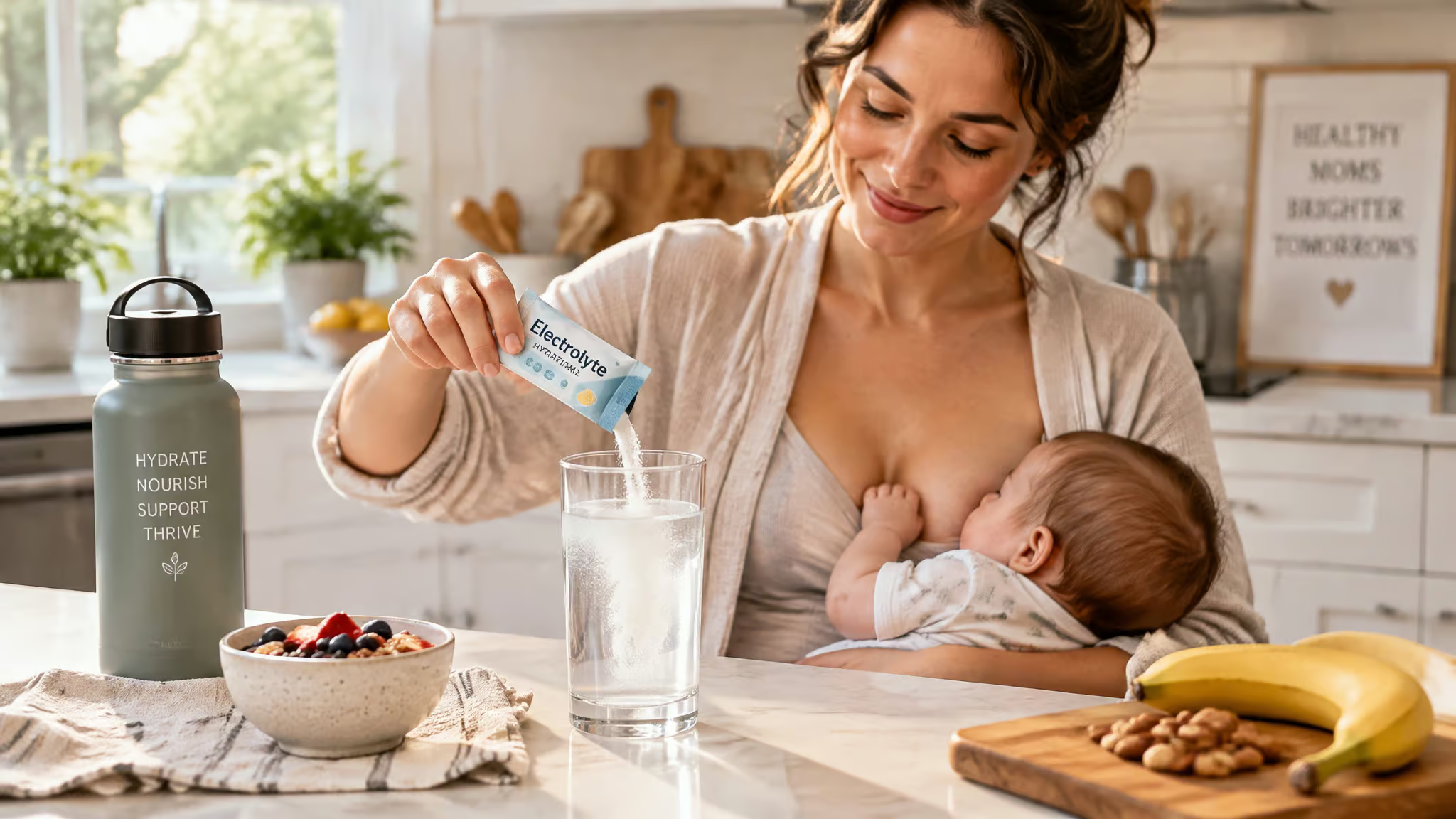
I did the 3am Google. You know the one: baby finally asleep on your chest, one browser tab open with a blogger yelling at you to just drink water, another with a sauna company’s page that sounds weirdly official, and a third where you’ve typed sauna while breastfeeding NHS and gotten… nothing useful, just diet advice about fish portions.
That nothing turned out to be the actual finding. I went digging properly, and no official body, not the NHS, not the CDC, not La Leche League, not the Academy of Breastfeeding Medicine, publishes any sauna-specific breastfeeding guidance at all. Not a ban, not a green light. Nothing. So instead of making up a verdict (plenty of articles will happily do that for you), this is a record of what’s actually there, what isn’t, and how to build an honest answer from the physiology that is well documented.
Key Takeaways
No health authority, including the NHS, issues any sauna-specific guidance for breastfeeding, the silence is a real finding, not an endorsement.
Toxins in sweat don’t reach breastmilk (sweat glands and milk ducts aren’t connected); the genuine risks are dehydration, core temperature and postpartum recovery.
If you do sauna: 10-15 minute sessions building to 30 max, water and electrolytes before and after, a 30-60 minute cool-down before nursing, and nappy output as your objective check.
Table of Contents
Is it safe to use a sauna while breastfeeding?
No health authority prohibits sauna use while breastfeeding, and none endorses it either, which means any precautions you take rest on general physiology, not an official ruling.
Here’s how I know the silence is real. The NHS does have a page on lifestyle while breastfeeding, and it covers a lot: what to eat, fluids, caffeine, vitamin D, fish, snacks, where to get help. Heat exposure isn’t on the list. At all. Not even a line.
And this isn’t a case of an organisation being vague. When the NHS has evidence, it puts numbers on things. Caffeine: no more than 200mg a day, with the per-drink breakdown (a mug of instant coffee is around 90mg, tea 55mg, an energy drink 80mg per 250ml). Vitamin D: 10mcg a day.
Fish: exact portions, exact types. That’s what quantified guidance looks like. Sauna guidance doesn’t look like anything, because it doesn’t exist.
So the honest answer is: nobody official has ruled. Absence of guidance isn’t approval, and it isn’t a warning either. What you’re left with is physiology and common sense, which is what the rest of this article works with.
Why the sources all seem to disagree
Health authorities give no sauna advice because no clinical studies or formal guidelines on sauna use during breastfeeding exist. What those organisations do publish covers hydration, overheating and maternal wellbeing in general terms.
But you’d be forgiven for thinking otherwise, because here’s something I kept bumping into in commercial wellness content: one sauna retailer’s page attributes hydration advice to the Academy of Breastfeeding Medicine, the CDC and La Leche League International as though those bodies had weighed in on saunas. They didn’t. Read what each actually addresses, going by the retailer’s own summary, and it’s much vaguer: the Academy of Breastfeeding Medicine talks about a mother’s overall condition and hydration during lactation. The CDC’s point is to keep hydrated, especially when you’re ill or exposed to heat. La Leche League’s angle is maternal comfort and rest when you’re trying new routines.
None of that is about saunas. The only accurate claim is that these organisations are silent on saunas, not that they warn against them or bless them. None of this is an accusation of anything deliberate; it’s just how attribution gets stretched in commercial content. The habit worth building: before trusting any article’s summary of “what the experts say”, go read what the NHS or the CDC actually publishes on the topic. It takes five minutes and it’ll change how you read every pregnancy-and-wellness page on the internet.
Can sweating toxins into your breastmilk actually happen?
No solid science shows toxins from sweat end up in breastmilk.
The biology, casually: sweat glands and milk ducts aren’t connected. Milk is made from your blood supply. Turns out they’re separate plumbing. Your body handles the waste it needs to get rid of through sweat, pee and poop, and current research doesn’t show any transfer into breastmilk after sauna use.
Full honesty flag: this is a mechanism argument, not clinical evidence. Nobody has studied sauna use during breastfeeding directly, so I can’t tell you it’s been proven safe. I can tell you the mechanism everyone worries about doesn’t hold together.
And once toxins stop being the scary part, the real questions come into focus: dehydration, how hot your core gets, and postpartum recovery factors like DVT, that’s deep vein thrombosis, a blood clot, which is a genuine consideration in the weeks after birth. One blogger I came across reframed it with a fever comparison, which I liked: breastfeeding with a fever is considered safe, so internal body heat itself isn’t new to your body or your milk. That’s her way of thinking about it, not evidence, but it’s a useful gut-check when the word “infrared” sounds scarier than it should.
The nearest official thing: pregnancy sauna guidance vs breastfeeding
The only official-adjacent heat guidance out there is about pregnancy, not breastfeeding.
Bumps, the NHS-backed information service, looked at saunas and hot tubs in pregnancy in 2016 (with an NHS update in 2022) and found no clear evidence of harm either way. They note that in Finland, where hot tub use in pregnancy is common, there’s no higher rate of adverse birth outcomes. And if someone wants to use one anyway, the harm-reduction advice is: wait until after 12 weeks, keep sessions shorter, keep the temperature lower.
Now the distinction that actually matters here: all of that advice exists because of fetal core temperature, keeping the baby’s environment from overheating. The moment your baby is born, that concern disappears entirely. Postpartum, the questions shift to hydration, milk supply and recovery stuff like that DVT risk.
So don’t transplant the “after 12 weeks” rule into breastfeeding as if it were official postpartum advice. It isn’t. And if you’re wondering when you can sauna after giving birth: there’s no official timing for that either. Recovery is the argument, a gradual return once you’re feeling like yourself, and a chat with your midwife or GP if you had complications. There’s more detail on recovery stages in our guide to how soon postpartum you can start using a sauna.
Hydration and milk supply: the real sauna risk
Sauna use itself doesn’t reduce milk supplydehydration is the risk, and only if it actually leaves you short on fluids.
The NHS’s hydration advice for breastfeeding newborns is refreshingly simple: drink plenty of fluids, and keep a drink within reach when you sit down to feed, water, low-fat milk or diluted pure fruit juice. Note what that advice is scoped to: feeding sessions, not heat exposure. It’s general guidance that happens to be useful here, not a sauna rule.
The link between dehydration and supply is plausible physiology, you need fluid to make milk, but it’s not a measured sauna outcome. Nobody’s run that study. The CDC’s basic point, as summarised by the source I found, is: keep hydrated, especially when you’re hot or ill, because dehydration may reduce supply. That’s the whole official position, and it’s about fluid generally, not saunas.
Here’s the reframe that matters: hydration is something you answer over a full day, not just inside the session. The pattern I kept seeing in mothers’ accounts isn’t someone forgetting water in the sauna. It’s someone who hydrates during the session, then doesn’t keep it up across the next day, then blames the sauna when the next feed feels softer. Cumulative fluid balance is usually the culprit, not the twenty minutes of heat.
Field note: The mums who blamed the sauna for softer feeds weren’t losing fluid in the session — they were losing it across the next 24 hours. Track the whole day, not the twenty minutes.
How to use a sauna safely while nursing, step by step
The working protocol, based on one blogger’s routine: start at 10-15 minutes and build gradually to a maximum of 30, hydrate before and after, get out if anything feels wrong, and cool down before nursing.
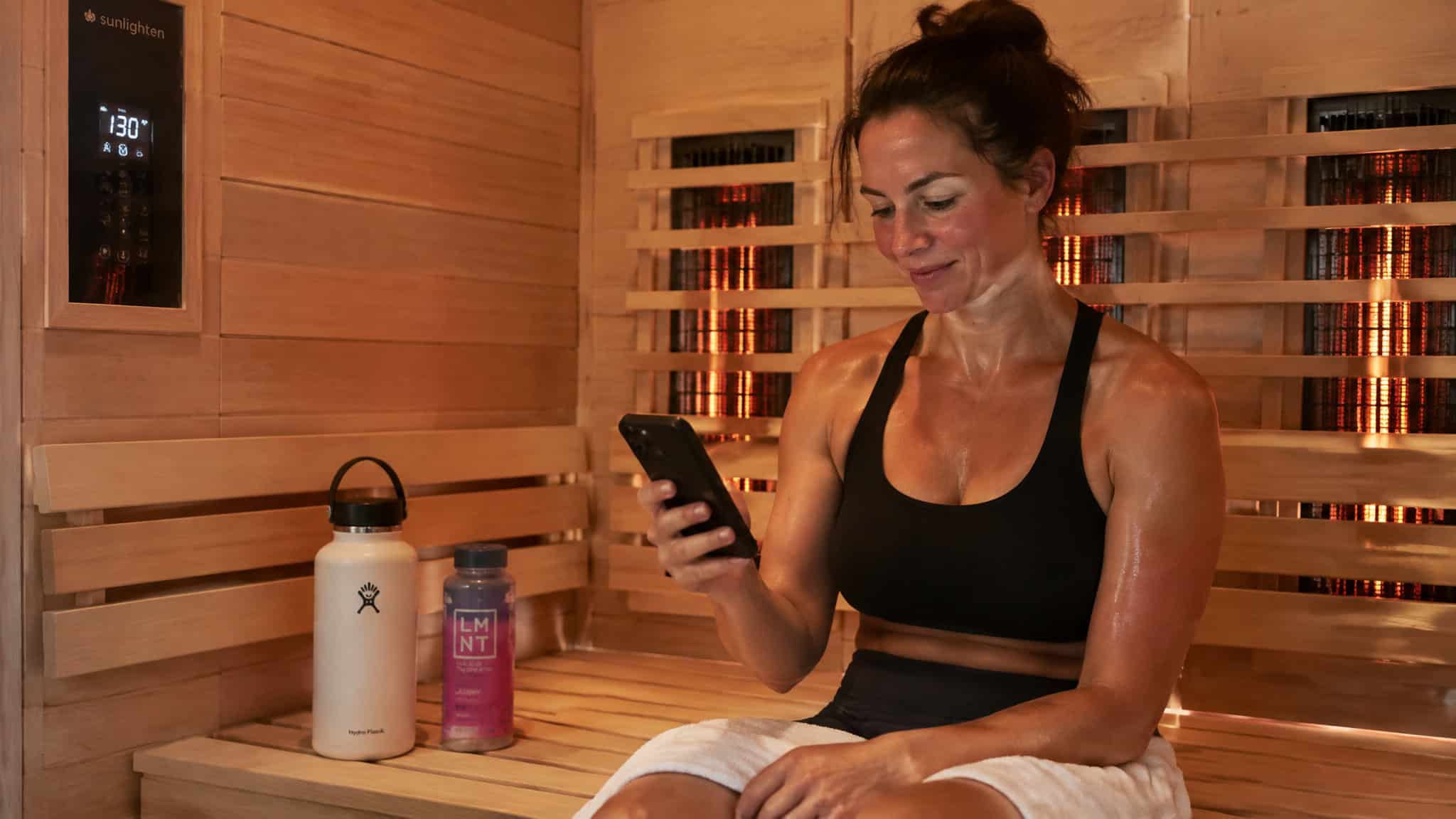
That routine comes from Grace at Latching with Grace, who used an infrared sauna regularly for over a year after her second child. Her protocol:
- Wait 30-60 minutes after your session before nursing, so your body temperature returns to resting levels before breastfeeding. Worth saying plainly: that wait is practitioner and anecdotal advice, not official guidance, it comes from the retailer’s FAQ, and it’s what Grace did throughout her year-plus of postpartum sauna use.
- Start with 10-15 minute sessions and work up slowly to 30 minutes, that’s the hard ceiling, and slow and boring wins here.
- Water and electrolytes before and after, not just during.
- Stop immediately if you feel lightheaded, nauseous, or just off. “Off” counts. Trust it.
What made her account credible to me is that she monitored like a normal paranoid parent: wet and dirty nappies, weight gain, supply signs. Some days she just skipped the sauna entirely. She framed her decision around three risks, to her body, to the breastmilk, to the baby, and over more than a year she observed no negative effects on her supply or her baby. That’s her observation, not a trial, but it’s the most detailed first-hand account out there.
A couple of practical notes she and other mothers mention:
- Sweating usually starts within the first 10 minutes. That’s her observation about how sessions feel, not physiology.
- The 30-60 minute cool-down also makes nursing more comfortable, particularly for skin-to-skin, and she found it helped keep feeds consistent.
On infrared vs steam, which is a genuinely useful distinction: infrared saunas use dry radiant heat that warms your body directly, without cranking the room temperature up. Steam and traditional saunas heat the air around you, often with high humidity. Many mothers say infrared is easier to tolerate, that’s what mothers report, not a clinical finding. If you want the deep version, we have a full guide to using infrared saunas while breastfeeding.
As for benefits: everything here is anecdotal, from mothers’ reports, not studies. Less muscle tension after babywearing, you know the neck I mean. Deeper sleep on sauna nights, though nobody should promise sleep to a parent of a newborn. Milk flow that felt supported, which is not the same as a supply boost, and that distinction matters. And the mental reset: ten minutes where nobody needs anything from you, which after a day of cluster feeding might be the real benefit.
Who should skip the sauna or check with a provider first
Four situations change the maths: a heart condition you’ve been diagnosed with, blood sugar that isn’t controlled, medications with heat-sensitivity risks, and childbirth or postpartum recovery complications. All of those warrant a conversation with your GP, midwife or specialist before your first session.
And the stop sequence, if a session goes wrong: if you get lightheaded or overheated, stop. Rest. Rehydrate. Speak to your provider before the next go.
Red flag: Lightheaded, nauseous, or just feeling off mid-session is your exit signal — stop, rest, rehydrate, and check with your provider before the next go.
Quick check before you sauna:
- Diagnosed heart condition? Check first.
- Uncontrolled blood sugar? Check first.
- On medications that don’t mix with heat? Check first.
- Fresh from birth or recovering from complications? Check first, and take the return slowly.
- Mid-session: lightheaded, nauseous or off? Stop, rest, rehydrate.
This isn’t gatekeeping. It’s just knowing your own situation before you add heat to it.
How to know a sauna session isn’t affecting your baby
The objective check is nappy output, not how your boobs feel.
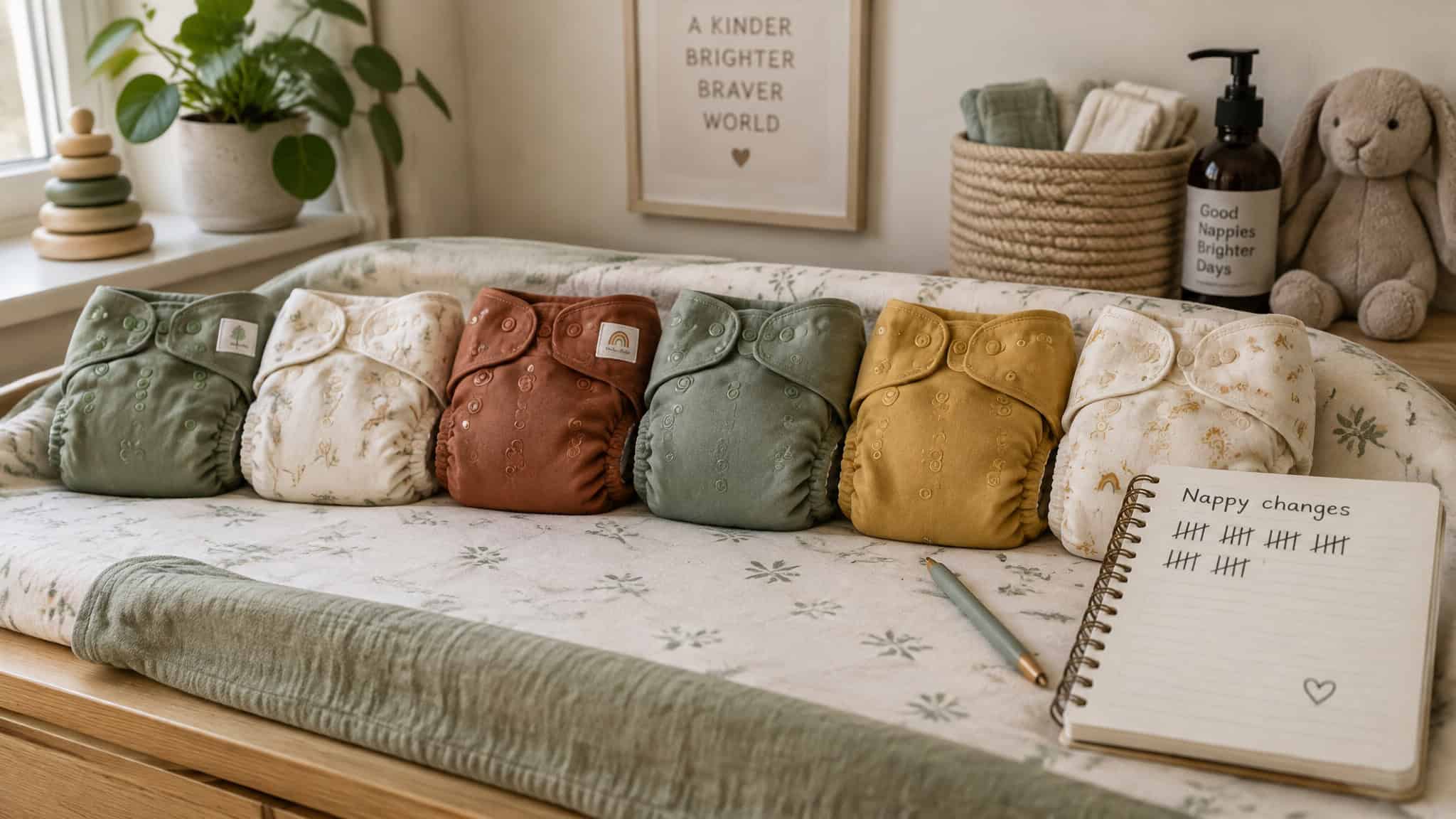
The NHS gives actual numbers here. Wet nappies ramp up: 1 on day one, adding one per day until you hit 6, then a minimum of 6 heavy wet nappies a day. Poos: meconium in the first 24 hours, changing poos over days 2-3, and by day 4 or 5 roughly 2 yellow poos a day, each about the size of a two-pound coin, though some babies do one daily explosion totalling about the same, which is its own special experience. Those minimums, 6 wet plus 2 yellow, hold until 4 weeks. If the numbers drop off and you’re worried, your community midwife is the person to contact.
There’s a specific interpretation error worth naming, because it’s common: breast fullness and your baby’s mood are unreliable day to day. They fluctuate for a dozen reasons that have nothing to do with fluid balance. What tells you something is the count you get when you average out a full week. One low-output afternoon is not.
Context that helps you read it right: responsive feeding is the norm, feed whenever your baby asks. Cluster feeding, even as often as hourly, is normal and not a sign your supply has collapsed. Night feeds support the next day’s supply. And yes, keep that drink beside you at feeds, exactly as the NHS suggests.
What the NHS actually advises while breastfeeding
The headline is genuinely good news: the NHS says no special diet is needed while breastfeeding. Eat a healthy, varied diet, the same as everyone else. One less thing to worry about. You’re already doing the hard job. And if questions do come up, the NHS points you to your GP, midwife or health visitor as the people to ask about eating well while breastfeeding.
The specifics, briefly:
- Fluids: plenty, and a drink beside you at feeds.
- Caffeine: up to 200mg a day. Caffeine passes into breastmilk and can make your baby restless and wakeful, which is why the limit exists, worth going gentler on it under 6 months. Swaps if you’re cutting back: herbal teas, mineral water, or 100% fruit juice capped at one 150ml glass a day.
- Vitamin D: 10mcg daily in autumn and winter. From late March to the end of September, most people get enough from sunlight alone. Some people do need a supplement year-round, though, worth asking your GP if that’s you. This isn’t a breastfeeding thing, it applies to everyone.
If you’re vegan or your diet is restricted, B12 may also be worth discussing. Free vitamins may be available through the Healthy Start scheme.
- Fish: at least 2 portions a week, one of them oily (mackerel, sardines, trout, salmon). A portion is about 140g. Maximum 2 oily portions weekly, and no more than one weekly portion of shark, swordfish or marlin, a fish list that sounds like it was chosen by a pirate.
- Peanuts: fine, including peanut butter, as part of an ordinary balanced diet, unless you’re allergic. If allergy questions come up, your GP, midwife or health visitor is the port of call.
If you want structure without a diet plan: aim for five portions of fruit and veg a day, mixing the colours, some starchy food with wholegrain or higher-fibre where you can manage it (fibre also helps with the postpartum bowel situation nobody warns you about), protein from beans, pulses, fish, eggs or lean meat, and dairy or fortified alternatives, iodine-fortified if you’re vegan, choosing lower-fat, lower-sugar where possible.
Snacks, one-handed, because obviously: fresh fruit with a handful of unsalted nuts; lower-fat, lower-sugar yoghurts or fromage frais; hummus with bread or veg sticks; fortified lower-sugar cereals with lower-fat milk; milky drinks or that 150ml glass of juice.
And the money bits many parents miss:
- Maternity exemption certificate: free NHS prescriptions for 12 months after the birth. You can still apply after the birth if you didn’t during pregnancy.
- Healthy Start card: if you’re past 10 weeks of pregnancy or your child is under 4, you may be eligible. It covers money towards milk (including formula), fruit, veg and pulses, plus free vitamins.
- Helplines: National Breastfeeding Helpline on 0300 100 0212; Healthy Start helpline on 0300 330 7010. Your GP or health visitor can also help with eating well while breastfeeding.
Cold plunges, hot tubs and infrared workouts: the same evidence vacuum
No authority gives specific guidance for cold plunges, contrast therapy, hot tubs, or Hotworx-style infrared workout classes during lactation either. That’s the whole answer, and it’s the honest one.
What can be said is physiology-based only. Heat’s main documented concern for a nursing mother is dehydration; cold exposure is less studied than heat, so there’s even less to work with there. Postpartum returns to either extreme should be gradual, with recovery factors like DVT risk in mind in the early weeks. There’s no more evidence for cold plunges or infrared fitness classes than there is for saunas, which is to say, none.
If you’re combining sauna and cold plunge, the same hydration discipline applies, plus the obvious one: don’t do anything that makes you feel faint while you’re the only adult in the building. Real mums’ experiences with infrared heat while nursing are collected in our Reddit and mums’ experiences roundup, if you want the anecdotal side.
The bottom line
Two findings worth carrying around. First: no official body. NHS, CDC, ABM, La Leche League, has any position on sauna use while breastfeeding, and a fair amount of commercial wellness content manufactures the appearance of one by borrowing hydration advice those organisations never aimed at saunas. Second: the fear everyone talks about, toxins sweating into your milk, isn’t the real question.
The plumbing doesn’t work that way. The real questions are hydration, core temperature and how your recovery is going.
If you decide to try it, the practical version is short:
- Hydrate across the whole 24 hours after a session, not just during it.
- Start at 10-15 minutes, build to 30 maximum.
- Wait 30-60 minutes before nursing.
- Skip it entirely if you have a heart condition, uncontrolled blood sugar, heat-sensitive medication or recovery complications, and check with a provider first.
- Track nappies: minimum 6 heavy wet plus 2 yellow poos daily until 4 weeks is your objective signal.
And for the one question no article can answer, whether this is right for your body, this month, after your birth, that’s a conversation for your GP or health visitor, or the National Breastfeeding Helpline on 0300 100 0212. They’re used to 3am questions. That’s literally the job.
Frequently Asked Questions
Is it safe to go in a sauna while breastfeeding?
No health authority, including the NHS, CDC, La Leche League or the Academy of Breastfeeding Medicine, has issued any position either way — the silence is a real finding, not an endorsement. The feared mechanism, toxins sweating into breastmilk, doesn’t hold up because sweat glands and milk ducts aren’t connected. The genuine considerations are dehydration, core temperature and postpartum recovery, so short sessions with proper hydration are the practical approach.
What are the NHS guidelines for breastfeeding?
The NHS says no special diet is needed while breastfeeding — just a healthy, varied diet. Specifics include plenty of fluids with a drink beside you at feeds, no more than 200mg of caffeine a day, 10mcg of vitamin D daily in autumn and winter, at least two portions of fish a week (one oily), and peanuts are fine unless you’re allergic. Heat exposure, including saunas, isn’t covered anywhere in that guidance.
What do saunas do for you, NHS?
The NHS doesn’t publish guidance on sauna use, either for the general population or for breastfeeding mothers specifically. Its lifestyle advice for breastfeeding covers diet, fluids, caffeine, vitamin D and fish — heat exposure isn’t mentioned at all. Any sauna benefits people report, like muscle tension relief or better sleep, are anecdotal rather than clinical findings.
Can you go in an infrared sauna while breastfeeding?
There’s no official rule against it, and infrared saunas use dry radiant heat that warms your body directly without cranking up the room temperature, which many mothers say is easier to tolerate than steam or traditional saunas. A sensible routine is starting at 10-15 minutes and building to a 30-minute maximum, hydrating before and after, and waiting 30-60 minutes before nursing so your body temperature returns to resting levels.
Do sauna toxins get into breast milk through sweat?
No — sweat glands and milk ducts aren’t connected. Milk is made from your blood supply, and your body handles waste through sweat, pee and poop, with current research showing no transfer into breastmilk after sauna use. That said, this is a mechanism argument rather than clinical evidence, since nobody has studied sauna use during breastfeeding directly.
When can I start using a sauna again after giving birth?
There’s no official timing for returning to the sauna postpartum. The reasonable argument is recovery-based: a gradual return once you’re feeling like yourself, keeping early-week DVT (blood clot) risk in mind, and a chat with your midwife or GP if you had complications. Don’t transplant the pregnancy ‘wait until after 12 weeks’ rule into breastfeeding — that advice existed because of fetal core temperature, a concern that disappears once the baby is born.