
What Does “Family Values” Actually Mean? The Moderate’s Guide
I remember the morning my kid came home from school and asked, “Mom, do we have family values?” I froze mid-pour of my coffee. Because I wasn’t sure what to say. The term feels like it belongs to somebody else — usually a politician, a pundit, or that one relative at Thanksgiving who thinks “family values” means one very specific thing.
But here’s what I’ve learned after spending time digging into it: most of us are already living moderate family values. We just don’t have the language for it.
So let’s talk about what the phrase means — the real, usable, everyday version that works for your family, whatever it looks like.
Key Takeaways
When surveyed, 9 out of 10 women defined family values as loving, caring, and supporting each other — only 2% of women and 1% of men tied it to the traditional nuclear family structure
The phrase entered mainstream politics at the 1992 Republican National Convention during “Family Values Night,” but was quickly adopted by conservative groups to oppose abortion, same-sex marriage, and LGBTQ+ rights
Only 46% of U.S. children lived in a traditional two-parent family as of 2014, down from 61% in 1980 — the moderate definition centers on how families treat each other, not what they look like
Table of Contents
What “Family Values” Actually Means — The Moderate Definition
Here’s the thing about “family values” — it’s one of those phrases that sounds important but nobody can agree on. You’ll get everything from “two parents, a white picket fence” to “just be a decent person.”

The dictionary definitions are a good place to start. Dictionary.com calls it the moral and ethical standards historically maintained and transmitted through a family, including fidelity, honesty, truth, and faith. Merriam-Webster adds that these are values that promote the sound functioning of the family and strengthen the fabric of society. Oxford keeps it simple: values considered to be conventionally taught or strengthened within a family, like high moral standards and discipline.
But here’s what matters: when you ask people what they mean, the answer is less political than you’d think. In one major survey, 9 out of 10 women said family values means loving, caring, and supporting each other. Only 2% of women and 1% of men defined it as the traditional nuclear family. That’s the aha moment.
For most of us, family values aren’t about a specific structure. They’re about the relational stuff — how we treat each other day in and day out. It’s the unwritten rulebook your family lives by. The morning check-ins, the way you handle a kid who forgot their homework, the choice to laugh instead of yell when someone spills milk for the third time.
How “Family Values” Became a Political Weapon — The 1992 Origin and Aftermath
So if most people define family values in this warm, relational way, why does the term feel charged?
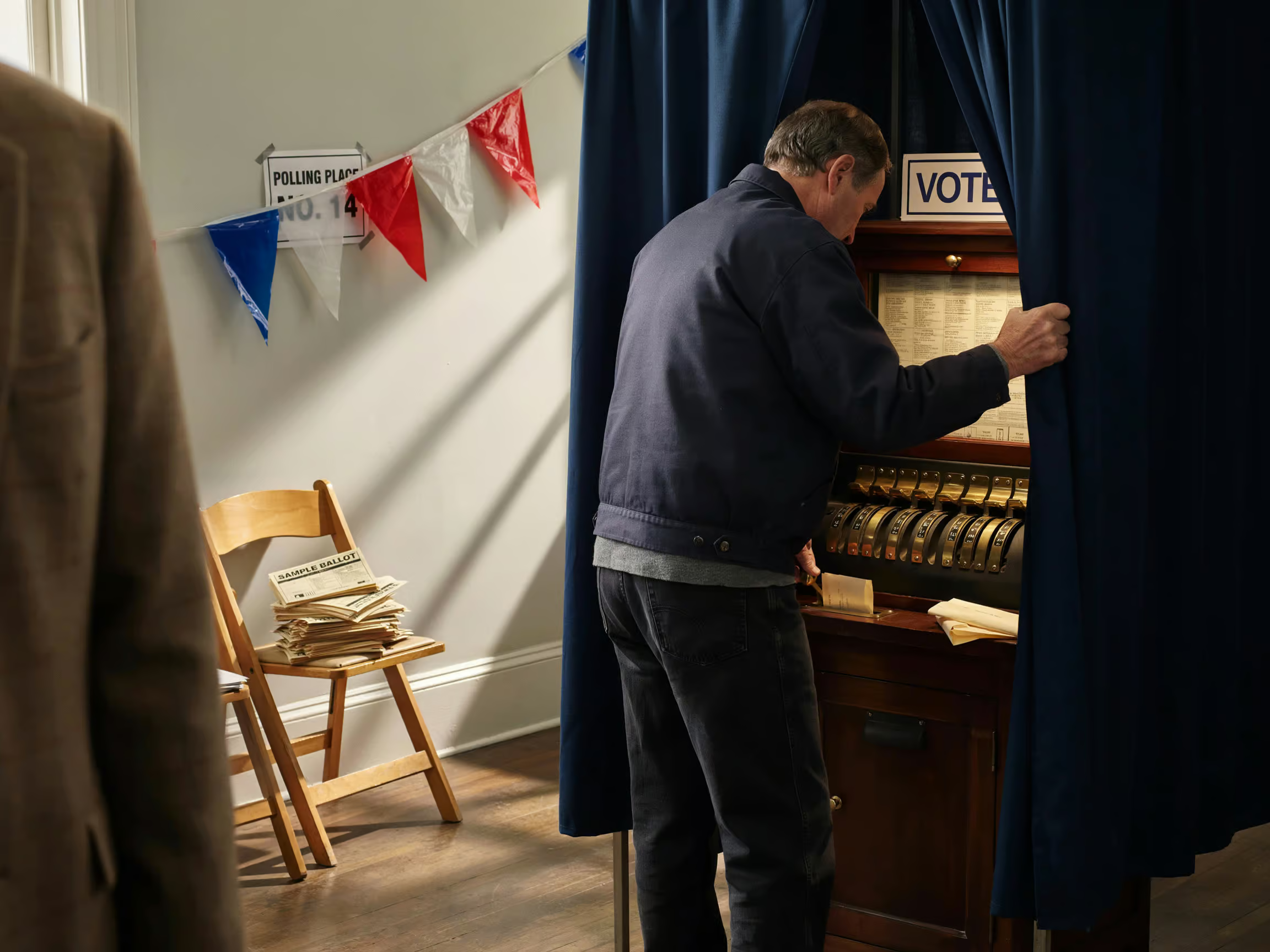
That traces back to a specific moment: the 1992 Republican National Convention. They held a “Family Values Night” with Barbara Bush as the keynote speaker. A lot of people rolled their eyes at the time, but the phrase had serious staying power. Conservative coalitions in both the U.S. and the UK quickly adopted it as a rallying cry — using it to oppose abortion, feminism, same-sex marriage, comprehensive sex ed, divorce, LGBTQ+ rights, and pretty much anything that fell outside the traditional nuclear family model.
Here’s where it gets uncomfortable. Several major organizations that wrapped themselves in the “family values” label — the American Family Association, Family Research Council, Focus on the Family, Traditional Values Coalition, and World Congress of Families, have been designated as hate groups by the Southern Poverty Law Center, primarily for anti-LGBTQ+ activism.
The term also became a not-so-subtle stand-in for racial and class anxiety. Remember the Dan Quayle–Murphy Brown controversy? That was a vice president criticizing a fictional single mom on TV for “mocking the importance of fathers.” Charles Murray wrote about white illegitimacy as if it were a ticking time bomb. The welfare system’s “man-in-the-house” rules penalized single mothers for having male partners, all in the name of preserving family values.
Understanding this history matters — not so we can re-litigate the culture wars, but so we can avoid weaponizing the term when we use it ourselves.
The Myth of the “Traditional Family” — What History and Sociology Actually Show
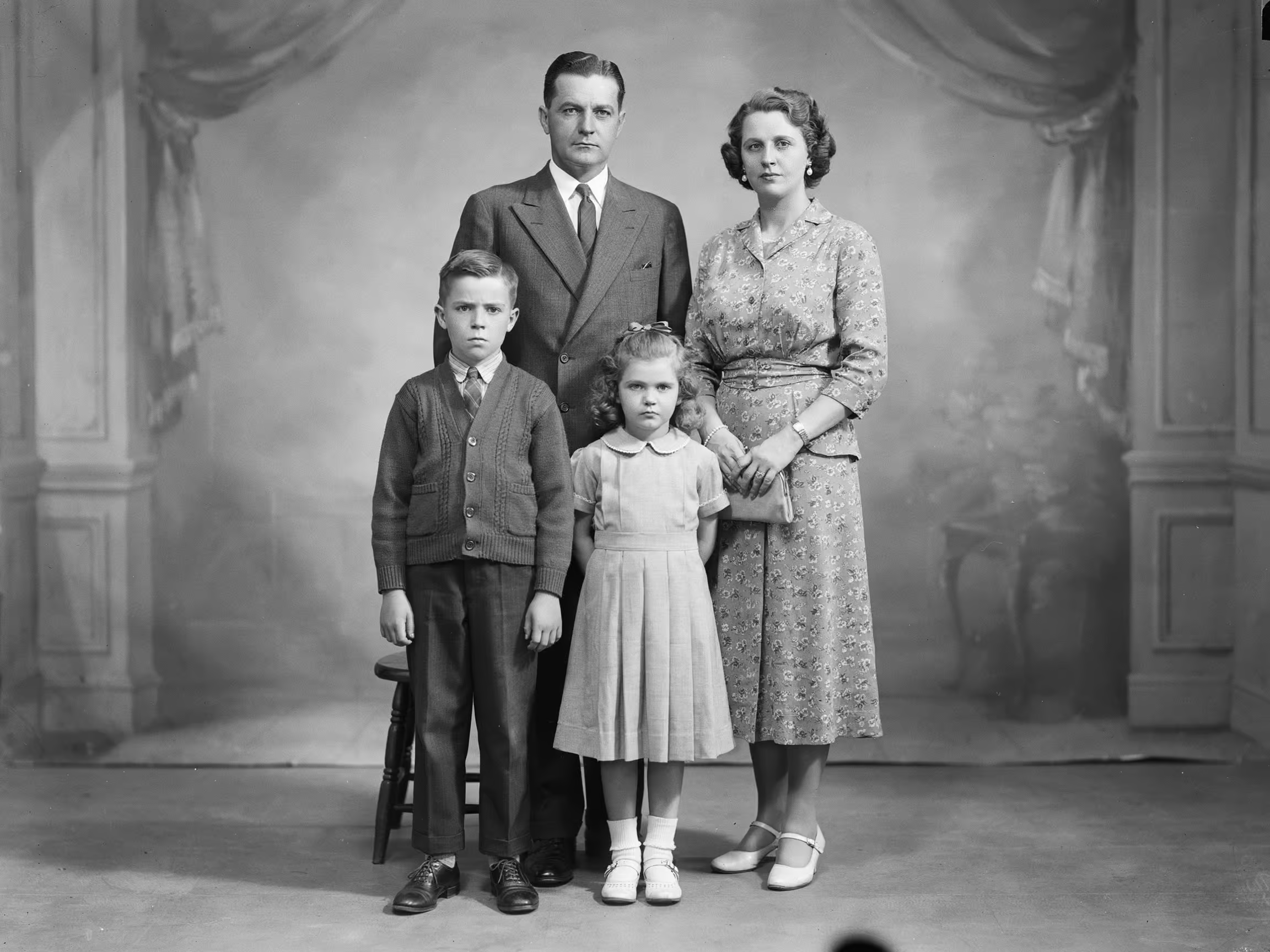
The “traditional family” image — breadwinner dad, stay-at-home mom, biological kids, gets held up as the gold standard. But it was never the universal norm it’s made out to be.
Here’s a fact: during slavery in the U.S., enslaved people’s marriages had no legal status. A North Carolina judge wrote in 1853 that their law requires no solemnity or form in regard to the marriage of slaves. Parents could be separated from their children by sale, a condition of natal alienation that severed family ties entirely. There was no family structure to protect.
Fast forward to welfare policy in the twentieth century: the “man-in-the-house” rule meant that if a single mother receiving aid was discovered to have a male partner, she could lose benefits. Policy actively discouraged family formation among poor black families.vely discouraged family formation among poor black families.
The numbers tell the story. As of 2014, only 46% of U.S. kids lived in a traditional two-parent family, down from 61% in 1980. By 2016, 65% of children lived with two married parents — but that includes blended families, same-sex parents, and multigenerational households, not just the so-called traditional model.

And here’s the research: the claim that children need fathers to succeed confuses correlation with causation. There is no proof that the presence of fathers makes the difference between a child’s success or failure. Poverty and family disruption are the real confounders. Some studies, like Bilge and Kaufman’s 1983 work, found no single family form that produces an optimal environment. It’s the quality of relationships that matters, not the structure.
Family Values Around the World — A Cross-Cultural View
One of the things about stepping back from the American culture-war version of “family values” is seeing how differently other cultures approach it, such as the family values Orthodox meaning, which emphasizes faith, tradition, and community.
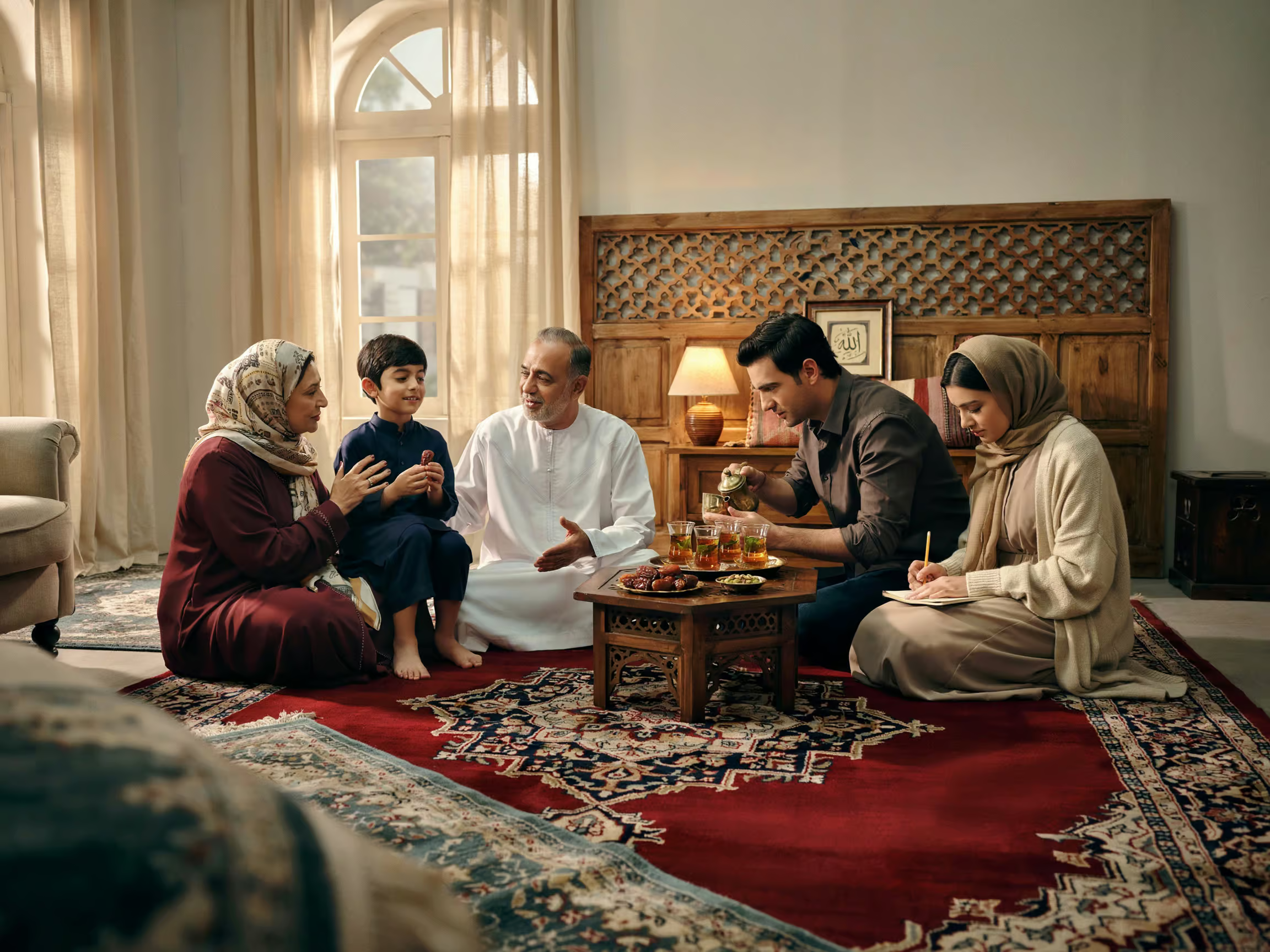
In Arab and Islamic cultures, the family is the foundation of everything. Marriage in Saudi culture isn’t just two individuals deciding to be together — it’s the union of two entire families, requiring consent from parents or guardians. Sex outside marriage (zina) is a crime under Islamic law. Extended family, aunts, uncles, grandparents, provides a strong sense of identity that goes beyond the nuclear unit. Confucian traditions similarly emphasize filial piety and family cohesion across East Asia.
Japanese culture tells a different story. The “good wife and wise mother” ideal shaped gender roles for generations. Japanese gender role expectations and attitudes contribute to gender inequality, as Belarmino and Roberts (2019) documented. Even in recent studies, college-aged women reported feeling pressure to marry, have kids, and support their husbands professionally — even as they valued their own education. There’s a tension there between tradition and modern aspirations.
The point isn’t that one culture does it better. It’s that family values are shaped by religion, economics, and history — not a fixed universal rulebook. A moderate definition has to be flexible enough to respect that variation.
The Uncontroversial Heart — Core Values Almost Everyone Shares
Strip away the politics and the posturing, and what is the value of family? Across cultures, structures, and income levels, most families agree on a set of values.
Respect — listening when someone’s talking, even if you’re annoyed. Treating elders with politeness. Respect in a family context involves recognizing individual choices and considering opinions during shared decision-making.
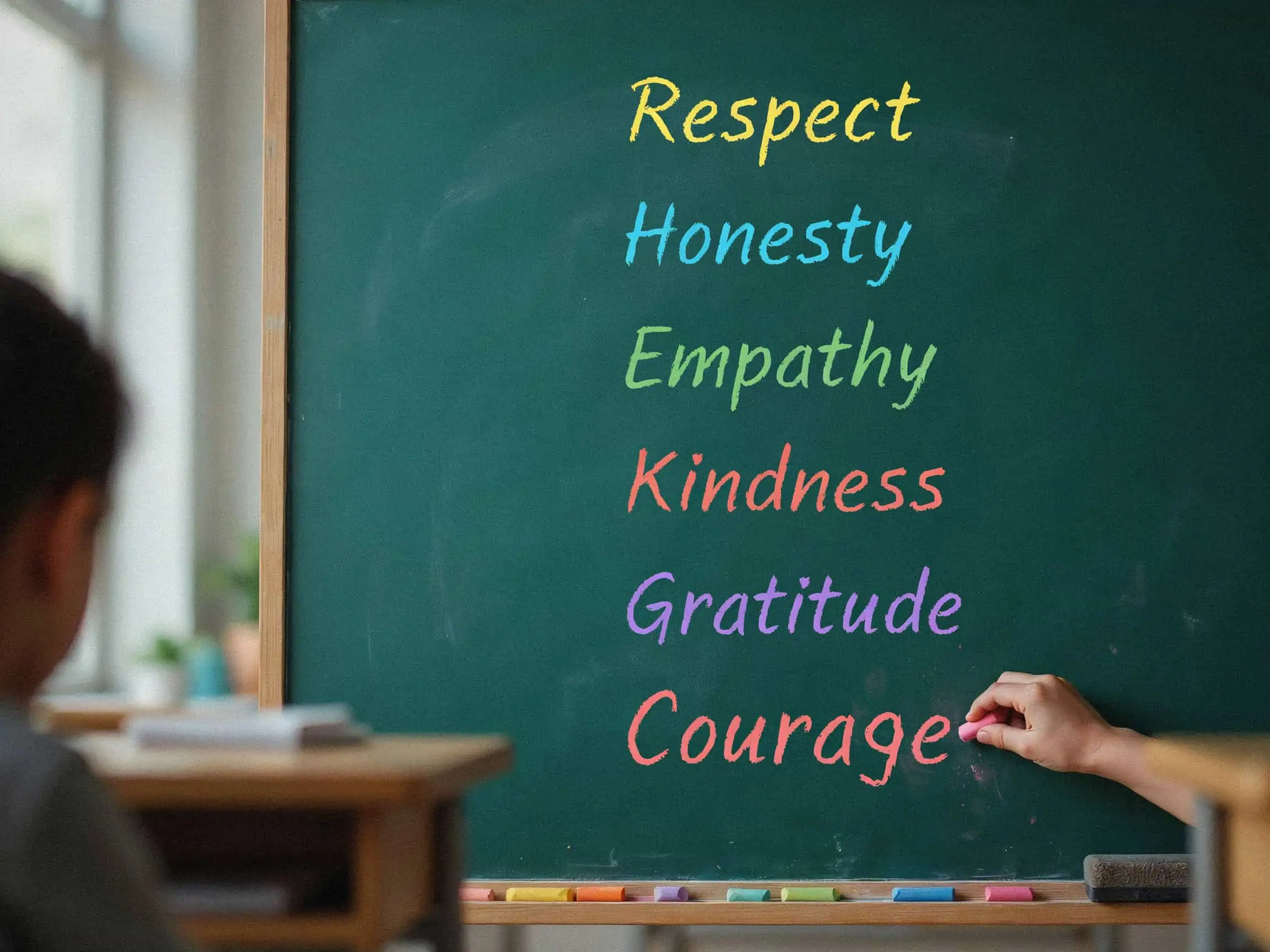
Honesty — telling the truth, even when it’s uncomfortable. Not hiding mistakes.
Empathy — caring for each other, especially when things are hard.
Responsibility — doing your share. Cleaning your room, helping with dinner, showing up.
Loyalty — sticking together. Supporting your sibling even when they’re driving you crazy.
Kindness — comforting someone who’s sad. Being gentle.
Gratitude — saying thank you without being reminded. Appreciating what others do for you.

These aren’t controversial. They’re not left or right. They’re the stuff that makes a family work — no matter what your family looks like. Communication is central to family values because it fosters understanding, trust, and emotional connection. Recreational values refer to anything involving fun and play, which also strengthens bonds.
And that survey data again: 9 out of 10 women said society should value all kinds of families. That’s the inclusive framework most people actually want.
Living Your Values — A Practical Framework for Today’s Families
So how do you do this? How do you turn these ideas into something real?

Start with a family meeting. It sounds corny, but it works. Get everyone together (yes, even the sullen teenager) and ask: what’s important to us? What words describe our family? What do we want to stand for?
Brainstorm freely. Write everything down. Then narrow it to 5–10 core principles that feel true to your family. Don’t copy someone else’s list — if your family runs on humor and spontaneity, include that.
If faith is central, include that. If “social justice” or “pajama dance parties” matters, put it on the list.
Write a family mission statement if you want. Display your values somewhere visible — the fridge, a hallway, a bulletin board. The LoveToKnow framework offers ten categories to think through: moral principles, personal conduct, spiritual or religious values, work ethic, educational priorities, family time, traditions, financial habits, health and fitness, and entertainment.

And here’s the thing: values can change. As kids grow, as circumstances shift, revisit your list. The process of talking about it and choosing together is just as important as the list itself.
Teaching values isn’t about lectures. Kids learn from what they see. When you model honesty, they pick it up. When you apologize after losing your temper, they learn accountability. When you call out the moment your kid shows empathy — “Hey, I saw how you helped your sister when she was upset”, that praise sticks.
What Moderate Family Values Mean for Policy and Inclusion
This is where we get honest about the gaps in the “family values” conversation.
An inclusive framework has to include LGBTQ+ families and same-sex parents. Love, commitment, and honesty apply the same way. Full stop. A family values list might include affirming each child’s identity or using inclusive language like partner instead of husband.
It also has to account for economic realities. Paid leave, affordable childcare, and flexible work arrangements are rarely framed as “family values” issues — but they’re essential for families to thrive. When the work ethic argument gets used against poor single mothers who are working multiple jobs in the underground economy, it misses the point entirely. Professor Regina Austin made this exact argument: youngsters in the crack trade showed a strong work ethic, long hours, low pay, high risk, which means the rhetoric about work ethic and family structure is more about policing than actual values.
There’s also a concept called familialism — the idea that families, not the government, should be the ones providing care and support. That sounds good on the surface. But a moderate approach recognizes that families need public support systems to do that. You can’t valorize family care while cutting the programs that make it possible.
Reclaiming Family Values as a Personal, Relational Concept
Here’s what I keep coming back to: you can be a moderate and have strong family values. The two aren’t in conflict.
“Moderate” doesn’t mean weak or wishy-washy. It means refusing to let a political slogan define something as personal as how you raise your kids. It means looking at the research, listening to your own instincts, and deciding that the how matters more than the what.
Strong family values aren’t about what your family looks like or what party you vote for. They’re about how you treat each other on a Tuesday night when everyone’s tired and the dishes are still in the sink. They’re about the apology you make when you lose your cool, the way you show up for each other, the rhythm of daily life that makes your house feel like home.
You’ve got the tools to define your own values. You’re living them every day.
So go ahead and have that family meeting. Write down what matters. Put it on the fridge. And know that whatever comes out of that conversation — “faith” or “honesty” or “pajama dance parties”, that’s your family’s values. And they’re what they’re supposed to be.
Frequently Asked Questions
What is the meaning of moderate family?
A moderate family isn’t about a specific structure like two parents and a picket fence. It’s a family that defines its own values based on how members treat each other — things like respect, honesty, and empathy — rather than conforming to a political or traditional ideal. The focus is on the quality of relationships, not the family’s appearance.
What do moderate values mean?
Moderate values in a family context mean rejecting the idea that there’s one right way to be a family. They’re about prioritizing how you treat each other over what your family looks like, and they’re flexible enough to include different structures, cultures, and beliefs. A moderate approach also recognizes that families need public support like paid leave and childcare to thrive.
What are 5 family values?
The five core values most families agree on are respect (listening and treating each other with dignity), honesty (telling the truth even when it’s hard), empathy (caring for each other during tough times), responsibility (doing your share), and kindness (being gentle and supportive). These aren’t political — they’re the relational glue that makes any family work.
Is the traditional nuclear family the only model with strong values?
No — research shows that no single family form produces an optimal environment, and the quality of relationships matters far more than structure. As of 2014, only 46% of U.S. children lived in a traditional two-parent family, and studies find that poverty and family disruption, not the absence of a father, are the real factors affecting child outcomes.
How do I actually teach family values to my kids?
Kids learn values from what they see, not from lectures. Model honesty, apologize when you lose your temper, and call out moments when your child shows empathy. A practical step is holding a family meeting to brainstorm 5–10 core principles that feel true to your family, then displaying them somewhere visible like the fridge.