Your cousin has never once asked how your eight-year-old is getting along with other kids, right up until you mention over holiday pie that you’re pulling him out of traditional school. Suddenly the table goes quiet, and everyone demands proof of how he’ll ever make friends.
Later, you’re lying in bed in the dark, turning the decision over and over. You’re wondering if teaching your children at home will make them weird, socially awkward, or unable to handle real life.
You deserve an honest answer that separates where the stereotype is wrong from where the label actually sticks. Among 46 posters who reported their own experience in discussion threads on whether they were homeschooled as a child, 44 say yes and 2 say no.
Key Takeaways
Across 20+ years of homeschooling experience reported by Hip Homeschool Moms, homeschooled students generally make friends, get along across age groups, and handle real life well, while social awkwardness tracks parental mannerisms across all schooling types.
Intentional socialization pairs mixed-age community outlets like co-ops and part-time jobs with targeted athletics: grapple sports build self-sufficiency and team sports like soccer build peer teamwork.
In discussion threads on childhood schooling experience, 44 of 46 posters who reported say yes to having been homeschooled, while 2 say no.
Table of contents
Table of Contents
Will homeschooling make your kids weird?
No, homeschooling does not automatically make kids socially awkward or weird, except when observers confuse a family’s natural quirks with their educational choice. Across more than 20 years of homeschooling and connecting with families in person and online across the United States, Hip Homeschool Moms found that homeschooled students are generally well socialized, get along with others, make friends easily, and handle real life well.
Here at Tidbits of Experience, I’ll be honest with you about how that plays out in my house. My own kids have been seen as weird or socially awkward by others. I’m also a weird mother, so that’s not surprising. Still, my kids are popular at school, and carrying the weird label hasn’t harmed them one bit. Some homeschooled students are shy or awkward, just as some public and private school students are, and over the last decade it’s become clear that these traits have less and less to do with the schooling method itself.
Where the ‘weird homeschooler’ stereotype comes from
Homeschoolers are considered weird because their daily routines and adult-oriented habits stand out against a culture that treats full-time traditional classrooms as the only normal childhood environment. Traditional schools condition children to match peer norms, dress codes, and group behavior, while homeschoolers develop different socialization rhythms and stronger parental influence. As a guest writer on The Classical Academy blog noted on May 3, 2018, the socialization and weirdness criticism is an age-old objection aimed at every non-traditional educational model, including hybrid schools, home educating, and dual enrollment.
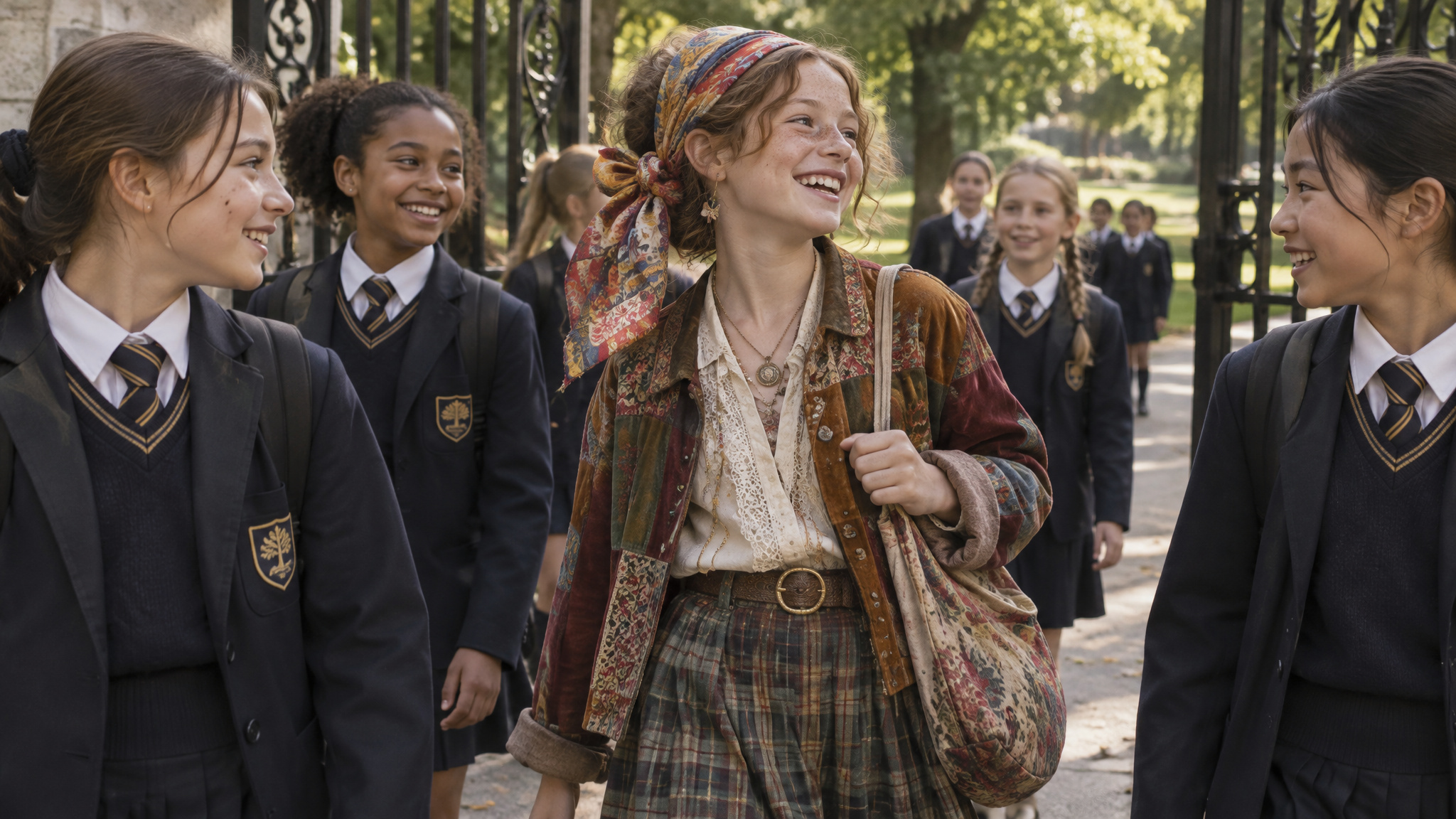
People suddenly become deeply concerned about a child’s socio-emotional well-being, meaning how they feel inside and get along with others, the exact moment a family goes against the grain of traditional education. Critics often pressure parents to enroll their kids full-time over the single issue of making friends. When people picture the stereotype, they’re usually reacting to a few visible differences:
- Different dressing styles shaped by home life rather than hallway peer pressure
- Unusual deep interests pursued without embarrassment
- Gaps in mainstream pop-culture trends, music, and slang
As Penelope Trunk wrote on her education blog on November 15, 2011, homeschooled kids are identifiable as different. Before homeschooling her own kids, she read kids’ blogs for a living to spot youth trends, and she could always spot a homeschooled kid’s blog. Homeschooled bloggers aren’t distracted by things they dislike, and they tell adults exactly what they’re doing because the adults around them care immensely.
Why awkwardness gets blamed on homeschooling but not school
When a homeschooled child is shy or socially awkward, observers blame homeschooling, but when a public or private school student is equally awkward, nobody blames the school. In fact, the Hip Homeschool Moms author knows more socially awkward, shy, friendless schooled kids than homeschooled ones.
Across public, private, and homeschool settings, socially awkward children tend to have awkward parents, because parents shape their children’s worldview, mannerisms, dressing style, and way of interacting regardless of schooling mode. The Classical Academy guest writer notes her daughter almost always wears an old scarf in her hair in a thrift-shop ragamuffin eclectic look, which is a direct reflection of the parent’s style and preferences rather than a side effect of her schooling.
What socialization means, and whether classrooms provide it
According to a dictionary definition cited in The Classical Academy post, socialization is an ongoing process in which a person builds an individual identity and adopts the social skills, values, norms, and behaviors suited to their role in society. A traditional classroom of 25 same-age peers doesn’t automatically provide this, because peer influence outweighs the teacher’s influence.
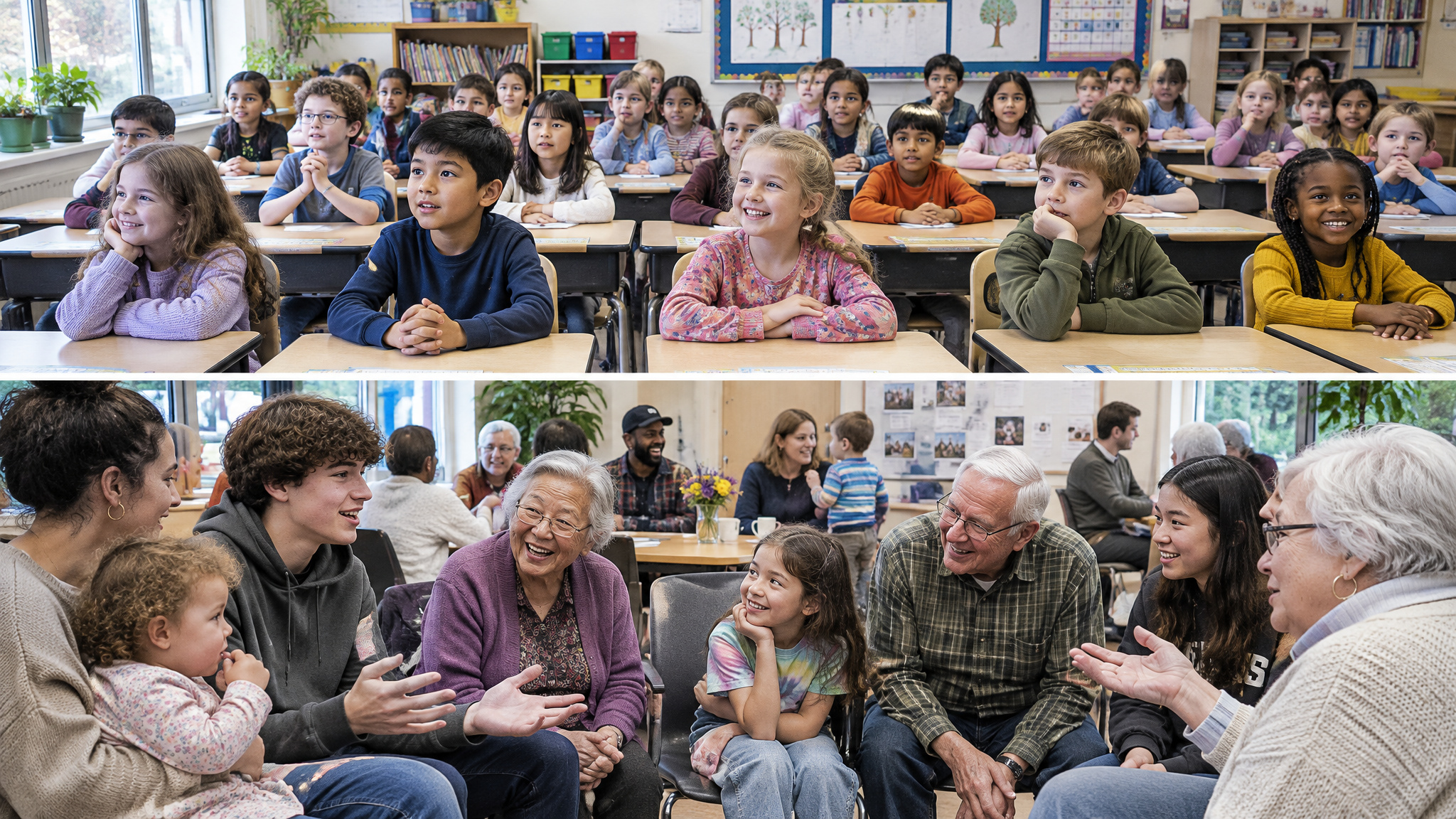
The Classical Academy guest writer flatly rejects the idea that skipping 35 to 40 hours a week of formal schooling, 5 days a week for 7 to 8 hours a day, leaves a child unsocialized, weird, and friendless. Putting 25 equally immature seven-year-olds into a room for 8 hours a day doesn’t magically teach social etiquette like hers needs to learn.
Her family values same-age friends and wants lifelong learners who view formal desk work as only a single piece of a broader life. Her son spends 2 days a week with same-age peers in a classroom environment, while the rest of his week mirrors a real, mixed-age social life where parents model friendships across age groups. Discussion posters who later switched to a regular school after being homeschooled also show how fluid this schedule can be: among 19 who reported their own experience, 12 say yes, before finishing high school, and 7 say no, never did.
Homeschool socialization across ages: how it actually works
Homeschooled kids typically socialize across more ages than public school kids, developing real-world communication skills by interacting with people outside a single birth year. While public schools and private schools keep students with same-age, same-grade peers all day, homeschoolers across the United States routinely spend time with babies, toddlers, tweens, teens, parents, and grandparents, which prepares them for college and workplaces where all ages mix.
The fifth-grader who couldn’t find anyone to play with
At a family reunion reported by Hip Homeschool Moms, a schooled pre-teen girl complained she had no one to play with despite 10 or 12 children being right there, because none of the other kids shared her fifth-grade level. Strict age-grading in school shapes social habits until kids think they can only relate to peers born in the exact same year.
Socialization without extroversion: the introvert case
Homeschooling a shy, introverted child doesn’t make them more isolated when you use the schedule flexibility to build real-world roles. The Hip Homeschool Moms author’s 18-year-old daughter is an introvert homeschooled from the beginning. From ages 12 to 17, her schedule gave her time to assist an art teacher in K-3rd grade classes for about 5 years. Now she works solo shifts a couple of days a week at a locally-owned health food store, serving teenagers through elderly customers. Outside of work, she runs the church sound booth with other teens, babysits regularly, and steps in as a substitute teacher for youth Sunday school.
How homeschooled kids make friends and socialize
Homeschooled kids make friends and socialize through deliberate parent-led enrollment in community groups, athletics, and neighborhood activities rather than relying on default classroom proximity. Modern homeschooling involves active community involvement across local leagues, classes, and service roles instead of staying isolated at home, exposing children to diverse groups where babies through grandparents are present in the same room.
In practice, families plug into a regular weekly rhythm of outside outlets:
- Co-op classes and book clubs where kids learn alongside different age groups
- Field trips and park play days where toddlers, teens, parents, and grandparents all mix
- Local sports leagues that build physical confidence and peer camaraderie
- Church youth roles, such as running the sound booth or helping with Sunday school
- Volunteering and part-time jobs, like babysitting, assisting teachers, or working retail shifts
When you’re choosing activities in your own house, I recommend picking sports based on the specific social skill you want your child to build rather than just signing up for whatever league is closest to your driveway. I break my own parenting advice into two distinct tracks:
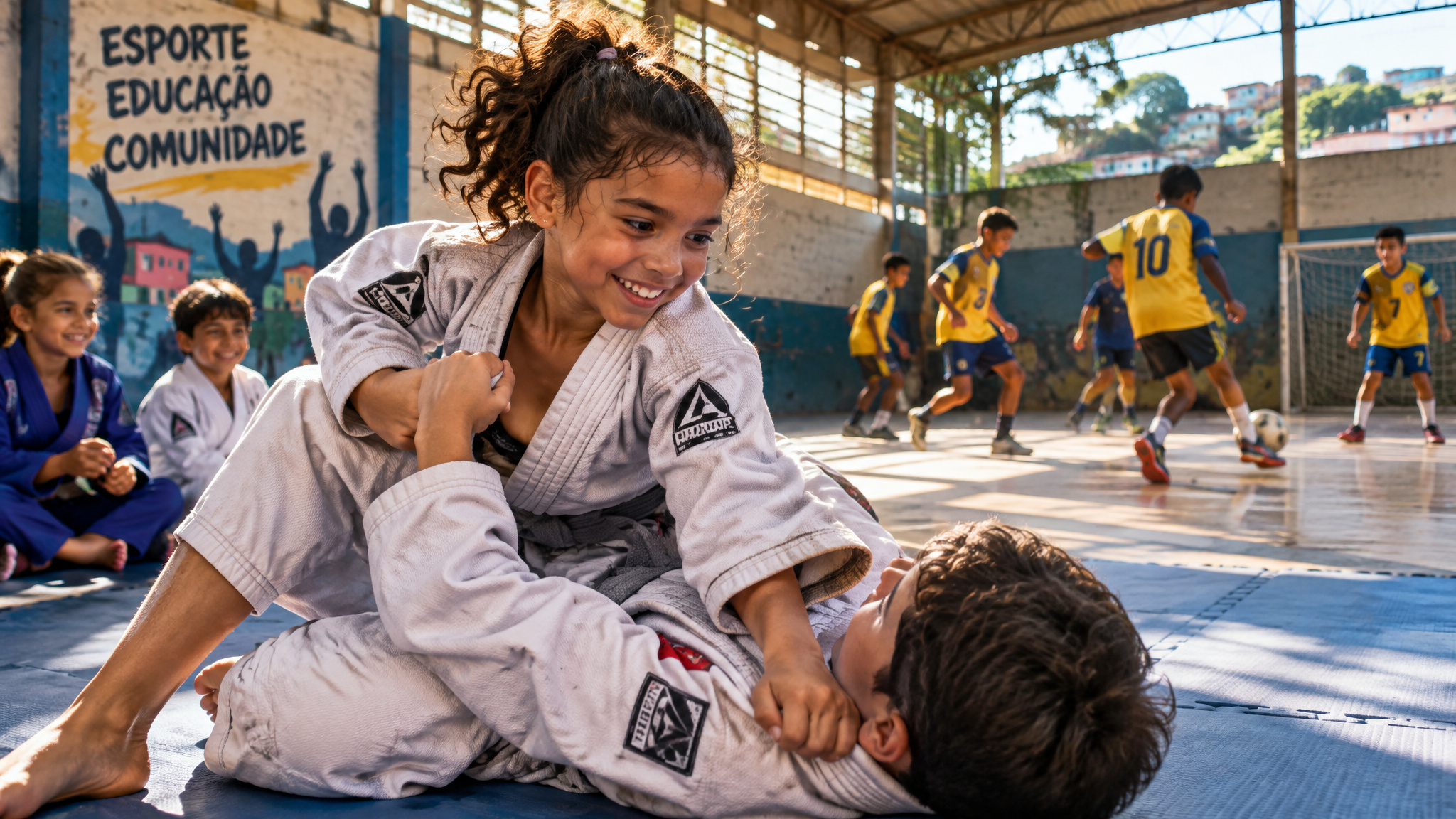
First, put your kids in grapple sports, such as wrestling or jiu-jitsu, to help them build self-sufficiency and independent problem-solving under pressure. When a ten-year-old is on the mat, nobody else can solve the problem for them, and they learn quickly how to manage their own frustration and body.
Second, sign your kids up for local team sports like soccer to help them socialize and practice teamwork and cooperation with peers. Passing the ball and covering for a teammate teaches kids how to read a group and share credit. Building self-sufficiency on the mat and teamwork on the field fits right into our house: we’re a self-described weird family, and our kids are still popular at school. Out of 9 posters who reported their own experience on taking part in group activities with other kids while homeschooled, 5 say yes, sports or clubs, 3 say only homeschool group meetups, and 1 says no, mostly at home.
Weirdness as authenticity, and the school pressure cooker
Sometimes the weird label sticks because a child hasn’t been trained to hide what they love.
The 12-year conformity pressure cooker
As Fearless Homeschool argues, most people spend 12-odd years in the school pressure cooker learning to bury socially unacceptable parts of themselves behind an armor of social acceptability, which is why adults buy self-help books, courses, and coaching to relearn authenticity.
What weird looks like in practice
Without peer-managed embarrassment, the Fearless Homeschool author’s five homeschooled kids (combined age 51) have never been teased; her 9-year-old daughter made a 19th-century bustle dress recreation and wore it everywhere with pride, and the family learns bobbin lace with retirees, which is hugely dorky and uncool, yet enjoyed because nobody told them otherwise. Her commitment to homeschooling was cemented after sitting for hours having an intelligent conversation with the first homeschooled teens she ever met. Across Fearless Homeschool and the Penelope Trunk education blog, that unburied authenticity shows up in specific traits:
- Do what they like over what’s popular, don’t care what people think, and find teasing or ostracism outrageous and mystifying
- Aren’t embarrassed by parents or adults, keep adult penfriends, play across all ages and abilities, befriend peers with autism, physical disabilities, and from other cultures without issue, and have virtually no sibling rivalry
- Act their age without rushing into adulthood or makeup, hold intelligent conversations with any age, and won’t unquestioningly follow adult orders
- Have many opinions because no one hands them The Only Correct Opinion (Trunk’s kids became more outspoken and comfortable with adults than in-school peers after just 2 months of homeschooling, and she cites a homeschooled girl’s blog about reading every Newbery winner, a project Trunk couldn’t have fit alongside her childhood homework load, whereas schooled kids who go against the grain keep their interests hidden)
Choosing weirdness on your child’s behalf
The real downside of homeschooling is that parents are imposing an unconventional path on their children’s behalf, and the approach fails kids socially when wise protection turns into total sheltering, meaning parents should avoid isolating kids and instead make sure they are exposed to adults, other ages and races, and hard realities like evil, death, and crime. Defining weird as being free of common conditioning, Penelope Trunk candidly admits on her blog that she isn’t sure her kids would choose to be weird, noting she is making the choice for them by homeschooling them.
Many families homeschool to shield children from the world’s standards, which the Hip Homeschool Moms author calls a good thing. She treats awkwardness or naivety about current pop culture, including music, shows, name brands, and sex or bathroom humor, as deliberate protection so kids can choose content later with a matured adult mind, conscience, and personal conviction. Still, The Classical Academy guest writer, grounding her view of parental responsibility in a Biblical worldview and citing 2 Timothy 3:16, draws a firm boundary: while sensible protection is wise, total sheltering from all displeasure or ugliness is not. Critics have a fair point if homeschooled children are never exposed to adults, other ages and races, or realities like evil, death, and crime, because kids have to learn to live in the world and handle it with good character.
What research can and can’t say about homeschool outcomes
Research on homeschooling and socialization points to the National Home Education Research Institute (NHERI) for adult outcome data, while day-to-day social adaptability depends on whether parents actively plug their children into mixed-age community life rather than isolating them at home. Formal adult-outcome statistics live in dedicated research bodies like NHERI, whereas individual adult experiences reflect how a family actually structured their years outside traditional classrooms. In discussion threads analyzed here, 6 of 10 posters who reported their own experience on how their adult social skills compare with peers say more awkward than peers, 3 say more at ease than peers, and 1 says about the same.
Hip Homeschool Moms directs readers to NHERI for research-based data on homeschooling effectiveness and adult success. Nobody’s quoting hard NHERI numbers here: the everyday case for socialization rests on decades of lived family observation, not a single clinical trial. When you look at how long people actually stay on this path, the timeline varies widely: among 10 posters who reported their own experience on how long they were homeschooled, 5 say all through high school, 3 say 5 to 10 years, and 2 say under 5 years.
Why do some former homeschoolers report feeling more awkward as adults while others feel at ease? Looking across the families and accounts above, adult social comfort tracks closely with two things: inherited parental temperament and whether parents intentionally built a schedule full of mixed-age responsibilities, sports, and community life, rather than keeping kids isolated at the kitchen table.
As for timing, there is no single universal hardest age to homeschool for socialization established across families. Instead, real-world friction points cluster around the pre-teen and teen transition years. You see that contrast in the fifth-grade girl at the family reunion who couldn’t play outside her grade level, and in the 12-to-18-year-old window where teens either step into broader community roles, like assisting teachers, running church tech, and working retail shifts, or feel the divide from grade-segregated peer groups most sharply.
Answering the critics when you feel on trial
When well-meaning friends, relatives, or even an unsupportive spouse pressure you and say your kids will end up weird and friendless, remind them plainly that you’re preparing your children for real life, where people interact across all ages rather than inside a single grade level. When people learn you homeschool, you feel like you have to go get up in the witness stand to defend the choice, and even a spouse may not support homeschooling.
A speaker on the No Place Like Home YouTube channel described feeling constantly on trial whenever someone learned she homeschooled, pressured to prove she was a good homeschooler and a good mother at the same time. Hip Homeschool Moms addresses this exact family friction in its pieces How to Homeschool: 5 Simple Steps, Forget Socialization! Let’s Talk About Personalization!, and Dear Mom Who’s Criticized for Homeschooling.
With prayers of gratitude to God, the No Place Like Home speaker now calls deciding to homeschool and then unschool one of the best decisions her family ever made for their children. She’d tell her past self that you aren’t crazy or doing something risky or scary: it’s the happiest, most natural, exciting thing, and it pays huge dividends for parents and kids alike.
Frequently Asked Questions
Does homeschooling make kids socially awkward?
No, teaching kids at home doesn’t automatically make them awkward, though people love to blame the schooling method whenever a child is shy. In reality, socially awkward kids usually just have awkward parents who pass down their own quirks and mannerisms, regardless of whether the kids attend public, private, or home school. In my house, my kids and I gladly own the weird label, and they’re still popular at school.
What are the downsides of homeschooling my child?
The main trade-off is that you’re choosing an unconventional path on your child’s behalf, leaving them out of the loop on mainstream pop culture, name brands, and hallway slang. It can also backfire socially if wise protection turns into total sheltering. If you keep kids isolated at the kitchen table away from other adults, diverse age groups, and harsh realities like death or crime, they won’t learn how to handle the real world.
What is the hardest age to homeschool?
There isn’t one universally brutal age for every family, but social friction usually peaks during the pre-teen and teenage transition years, roughly from fifth grade through ages 12 to 18. That’s the window when traditionally schooled peers start segregating strictly by grade level, making the social divide much more obvious unless you actively plug your teen into jobs, volunteer roles, and community groups.
is 25 same-age peers in a classroom actually good socialization for a 7 year old?
Putting 25 equally immature seven-year-olds in a room for seven or eight hours a day doesn’t magically teach them social etiquette. In a traditional classroom, peer influence easily outweighs the teacher’s guidance, whereas real-world socialization means learning to interact with everyone from babies to grandparents.
do homeschooled kids lack social skills compared to public school kids?
They usually have broader communication skills because they’re used to talking with toddlers, teens, parents, and elderly neighbors rather than just kids born in the exact same year. Strict grade segregation in traditional schools can actually limit a kid’s social range, like the schooled fifth-grader at a family reunion who complained she had nobody to play with despite a dozen kids being right there, simply because none were in her grade.
how do homeschooled kids make friends and socialize without school?
Instead of relying on shared desks, parents deliberately plug their kids into co-op classes, book clubs, park days, church roles, and part-time jobs. In my house, I also use two types of athletics to build specific social habits: grapple sports like wrestling or jiu-jitsu for self-sufficiency under pressure, and team sports like soccer so they learn to cooperate and share credit with peers.
do homeschooled kids do better or worse as adults?
Organizations like the National Home Education Research Institute (NHERI) track formal adult outcome data, while individual experiences vary based on how a family actually spent their time. In discussion threads where 10 former homeschoolers compared their adult social skills to peers, 6 felt more awkward, 3 felt more at ease, and 1 felt about the same—a split that tracks closely with inherited parent temperament and whether parents prioritized outside community life over staying home.
how do I respond to family who say my homeschooled kids will be weird and friendless?
You don’t have to act like you’re on the witness stand defending your parenting. Just tell them plainly that you’re preparing your kids for real life, where workplaces and neighborhoods require getting along with people of all ages rather than sitting in a room with a single grade level.