Scroll through any 1990s high school yearbook and you’ll spot the same thing I do every time: a sea of teenagers who look like they could be your dad’s college roommates. The flannel shirts, the parted hair, the faces that somehow look forty years old even though those kids were sixteen. Then open Instagram and look at a modern high school senior, and the difference is jarring.
I’ve caught myself doing this math more times than I can count. And it turns out the phenomenon has a name that explains everything: retrospective aging. The way we perceive age isn’t a fixed measurement. It’s a judgment call our brains make, influenced by everything from the clothes in a photo to the cultural context we bring to it. The same teenager who looks like a grown adult in a 1995 class picture would look like a kid today, and that shift isn’t just about fashion.
The psychology here is fascinating, and once you understand it, you’ll never look at an old yearbook photo the same way again.
Key Takeaways
Retrospective aging is a cognitive bias that makes past generations appear older in photos, driven more by style cues than actual biological changes.
The “Buddy Holly effect” means that outdated fashion like thick glasses and permed hair instantly adds perceived years to young faces in old photos.
Modern skincare and accessible cosmetic procedures have made today’s teens look measurably younger than previous generations at the same age.
Youth-coded styles like the “broccoli haircut” and cartoon tees will eventually trigger the same retrospective aging response when future generations look back at us.
Table of Contents
Why Old Yearbook Photos Make Everyone Look Forty
Pull out a 1985 yearbook and you’ll see what I mean. Every junior looks like they’re mid-way through a midlife crisis. The hairstyles are big and helmet-like. The fashion choices are formal in ways that read as adult. There’s no way around it: the people in those photos look older than their age.
Part of this is math. Styles from a few decades ago look dated, and our brains translate “different from what I know” into “older than I expected.” This is what psychologists call retrospective aging genie: when you look back at a photo from forty years ago, the visual cues are so far outside your modern frame of reference that you automatically age the person in the image.
But it’s not the fuzzy mental math. There are concrete forces at work here that make this perception feel accurate. And some of them are changing in real-time.
The Psychology of Retrospective Aging
The phenomenon has a documented basis in how our brains process visual information. When you look at a photo from the 1960s, you’re not seeing the person’s actual age. You’re seeing all the cultural markers that date the image: the haircut, the clothing, the glasses, the photo quality. Your brain reads those markers as signals of adulthood, because in your present frame of reference, those styles belong to older people.
Michael Stevens, the creator of the popular YouTube channel Vsauce, broke this down in a video exploring why people in old photos often look older than their age. His explanation of retrospective aging rewired how I think about every vintage photo I’ve ever seen. The perception filters we use when viewing old photographs aren’t about skin elasticity or bone structure. They’re about context.
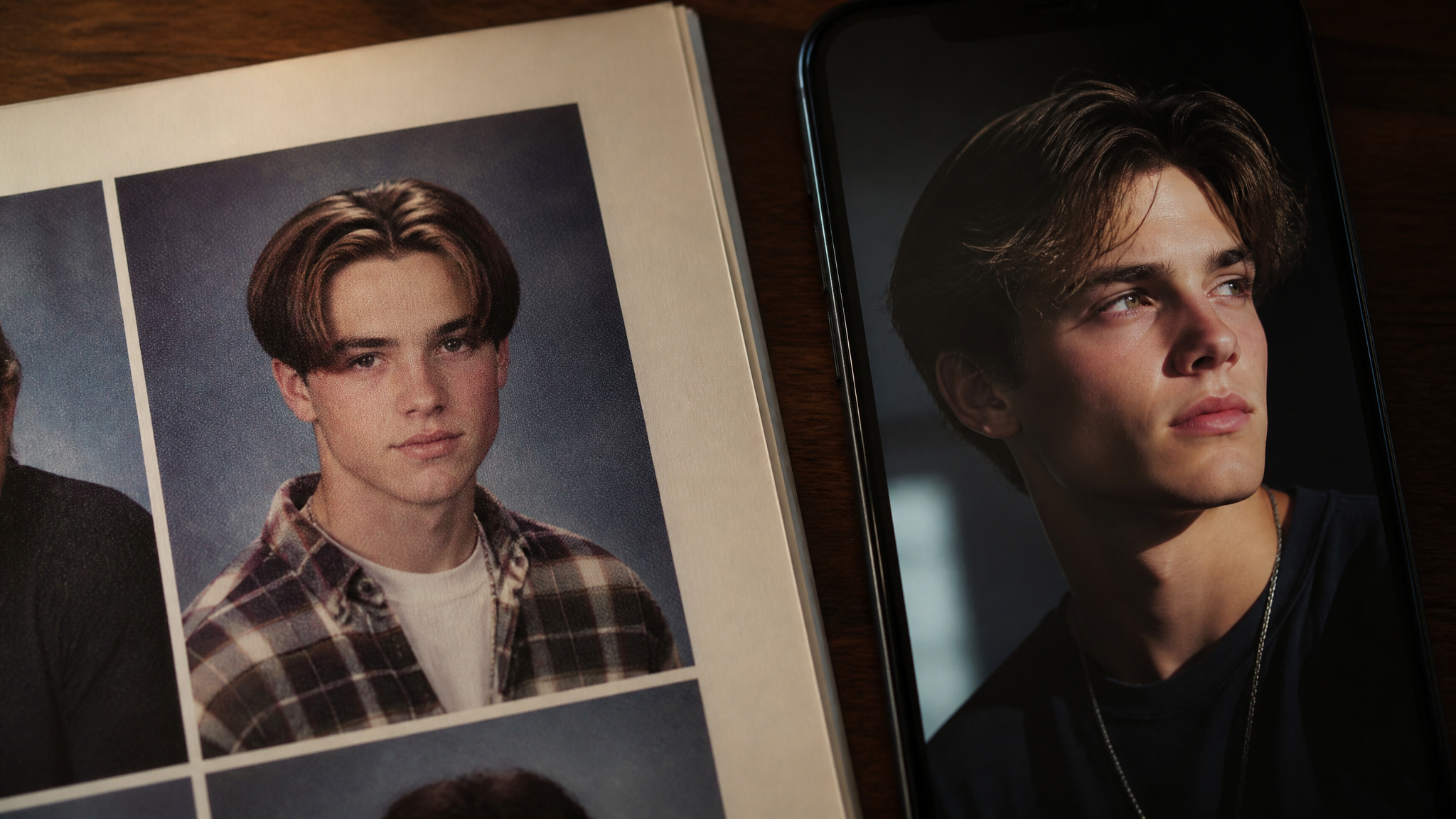
When we see someone in dated clothing and hairstyles, our brains factor in those “old-fashioned” cues and adjust their perceived age upward. upward. The person in the photo might have been seventeen, but the styling carries cultural weight from another era, so we read forty instead.
Style Choices That Made Teens Look Decades Older
It’s worth taking a close look at what was happening in those old photos. Consider the 1980s for a moment. The hairstyles alone were an aging mechanism: permed, voluminous, and tall enough to double as a weather system. As one beauty commenter put it, certain 1980s haircuts made young people appear older because they read as dramatic and sophisticated.
The fashion was equally aging. High-waisted everything. Shoulder pads in blazers worn by sixteen-year-olds. Mustaches, on actual sixteen-year-olds. It’s hard to estimate a person’s age accurately when your brain is screaming “divorcee at a Vegas buffet” instead of “junior in high school.”
What’s wild is that this isn’t nostalgia talking. There’s a specific mental mechanism at work here.
Why We Read Old Fashion as Old Age
Style leaves fingerprints on our memory. When you look at a photo from 1978, the feathered hair, the wide collars, the skinny ties, those elements flag the image as “from another time.” Your brain immediately applies that timestamp to the person’s age. A high schooler wearing a leisure suit reads as older not because his skin was wrinkled, but because the clothing belongs to a category in your memory that’s part of the adult world.
The same trick happens in reverse. When you see a photo of a forty-year-old in modern streetwear, you might guess they’re younger than they are. The cultural signifiers of youth have changed. The gap between what a teenager wore in 1987 and what an adult wore in 1987 was nothing.
Everyone was wearing blazers with rolled sleeves and permed hair. That lack of visual separation makes everyone in old photos look older by default.
There’s also a biological component here that we shouldn’t gloss over. The harms of smoking were less widely understood in past decades, and a tan was considered a health goal rather than a risk factor. Sun damage does age skin. Smoking does change how faces look over time. When you combine those lifestyle differences with styles that were never designed to say “young and carefree” in the first place, you get a photo that reads as middle-aged.

The Psychology of “Old-Fashioned = Old”
We can’t see a yearbook photo from 1987 without our brains starting to do comparisons. And those comparisons are doing more work than we realize.
Cognitive shortcuts and age perception
The idea of retrospective aging isn’t a fringe theory. It’s a form of cultural cognition, the mental shortcut where you judge a person’s age based on the cultural references around them rather than their physical features. Every era has its visual cues for adulthood, but styles change and the cues become unreadable.
That’s the core of why your dad’s high school junior photo looks like it could be a mugshot from a 1970s police procedural. The fashion in the photo is pushing every age-related mental button you have, so your brain rounds the person’s perceived age up. It’s not that people were biologically older back then, it’s that the cultural signals in the photo tell your brain “this is someone from a different era,” and your brain interprets “different era” as “much older.”
This happens in both directions too. Those 1980s teens didn’t look older to themselves. They looked like teenagers. It’s only when we import our modern assumptions about what youth looks like that the math starts to break down.
The 1980s Hair Effect
There’s a specific culprit hiding in the 1980s that does a ton of heavy lifting here. The big, feathered, permed hairstyles that defined that decade made everyone look more adult. One hairstylist put it perfectly when she noted that certain 1980s hairdos made young people appear older because the styles were bold and sophisticated.
When you layer that helmet of hair on top of a seventeen-year-old’s face, the brain doesn’t read “teenager.” It reads someone with a mortgage and strong opinions about lawn care. The hair is doing an enormous amount of work. The visual signals we use to determine age are largely learned from our current cultural moment Elephants, and when the signals say “1987,” we translate that into “old.”
The Video That Started This Whole Conversation
A few years back, Vsauce’s Michael Stevens (the go-to source for this kind of mind-bending observation) broke down why people in old photos look older than they were. It’s a fascinating watch if you’ve got a rainy afternoon.

His core point: we’re not seeing the person as they appeared. We’re seeing them filtered through our modern expectations of what “sixteen” should look like. Part of this is the clothes and haircuts. Part of it is the photo quality, the lighting, the grain of the film.
But a huge chunk of it is the association problem. When you see a teenager in a 1970s-style shag haircut and bell-bottoms, your brain doesn’t catalogue the clothing. It processes the entire image through a lens that says “this belongs to a different era,” and then it adds a few perceived years on top.
There’s also a physical reality to consider. People in the past did age differently. But I think the more interesting piece is the psychological trick our brains are playing on us. We can’t help it.
Every generation looks at the previous one and thinks, “Everyone looked so old back then.” We’re looking at the future version of ourselves saying the same thing about us.
The Part That’s Not Just Perception
Here’s where the conversation gets more complicated.
We can’t pretend perception is the whole story. A teenager in 1985 looked older than a teenager in 2025, and it wasn’t all about the clothes. Lifestyle and environmental factors played a role, which helps explain which generation is the youngest in cross-generational comparisons.
You have to consider what daily life looked like for the average sixteen-year-old in the 1970s or 1980s. Smoking was still normalized. Sun exposure without sunscreen was standard. Diet and nutrition science wasn’t what it is today.
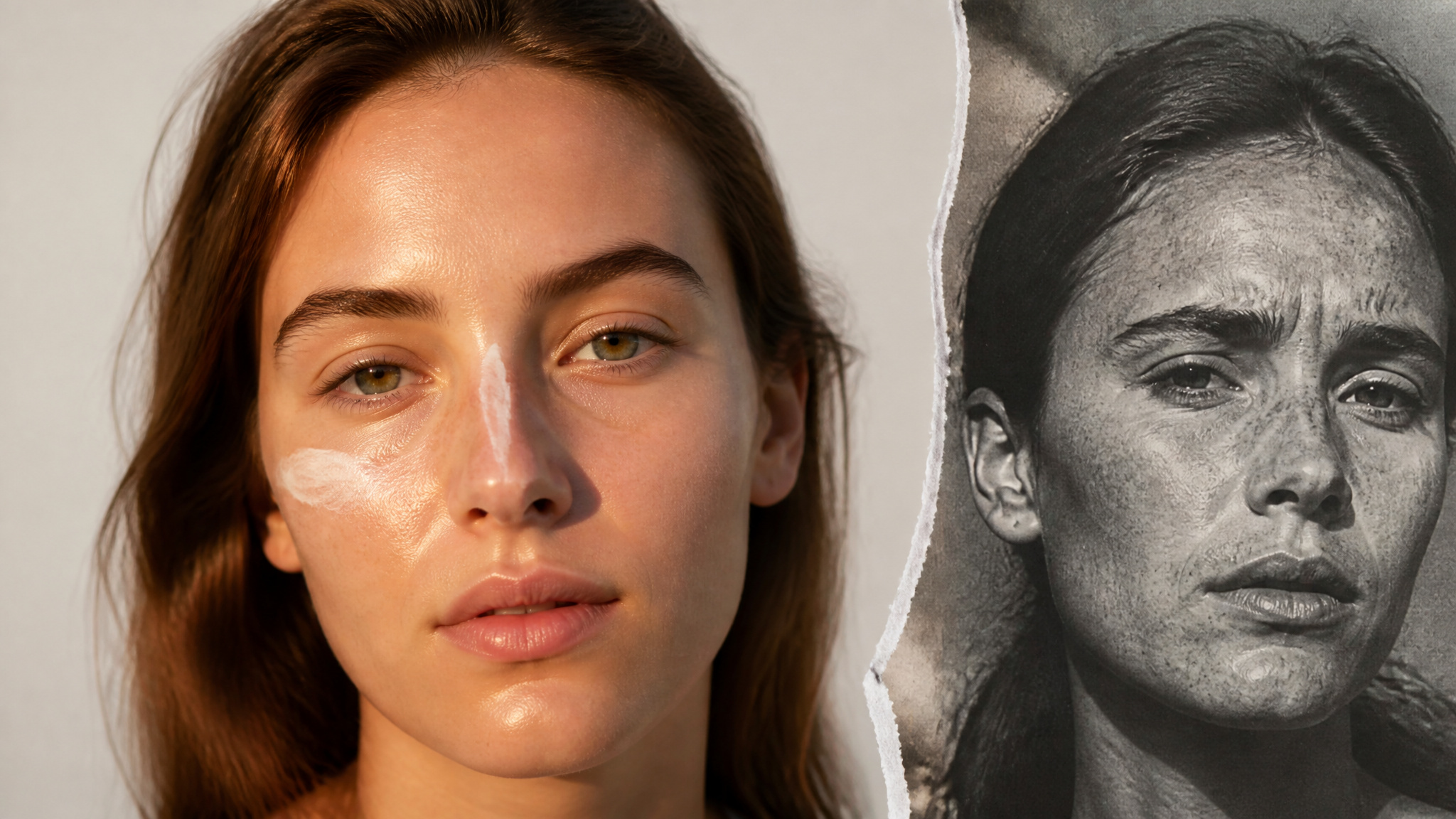
There was also simply less emphasis on maintaining a “youthful” appearance, because the whole category of anti-aging products for teenagers didn’t really exist in the mainstream. Compare that to today, where a sixteen-year-old might have a full skincare routine with SPF, retinoids, and hyaluronic acid serums.
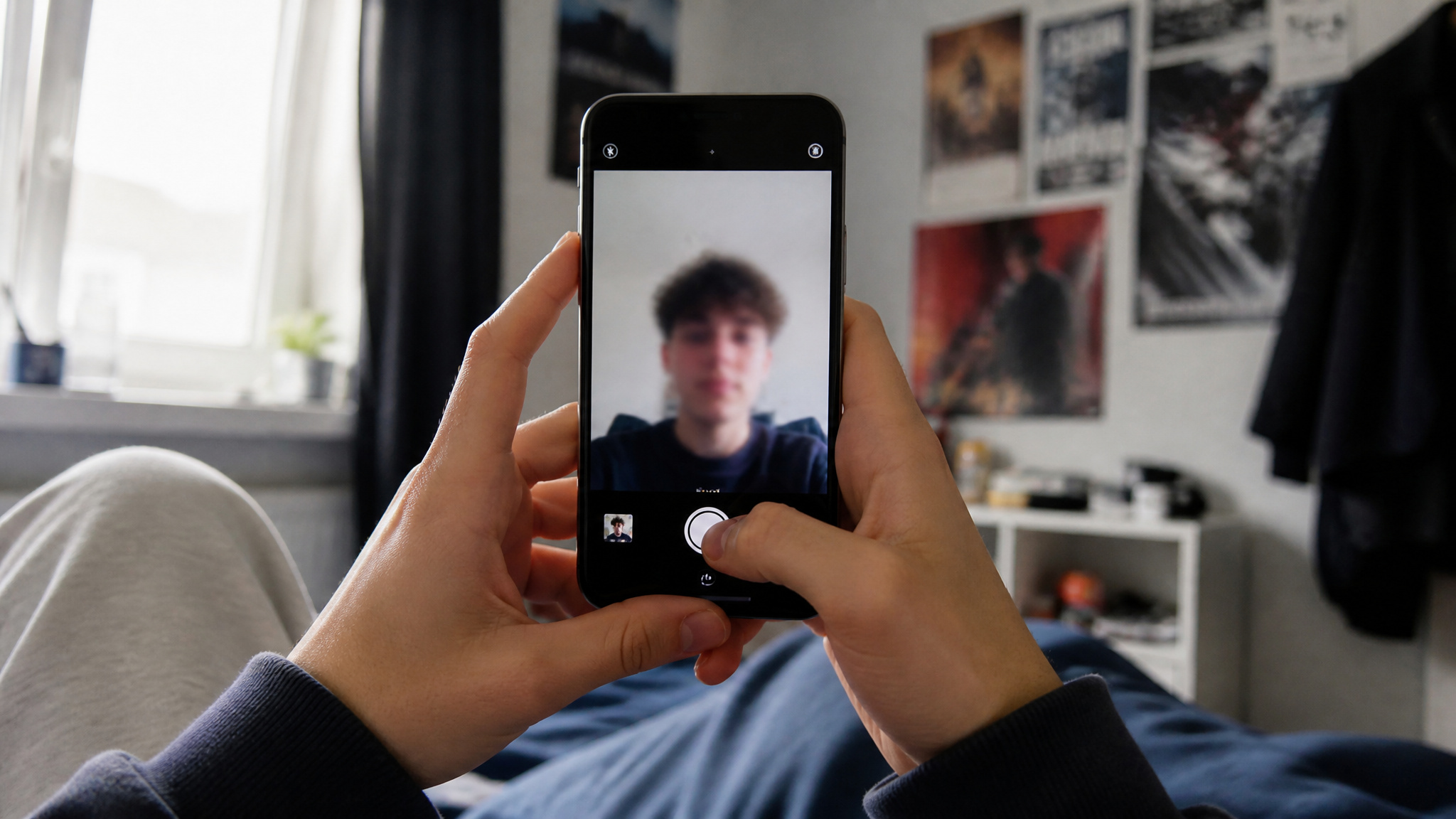
A 1980s teen with a perm and shoulder pads looks bookish and mature because we associate those fashion choices with adults. That’s part of why high schoolers look younger now, as a 2020s teen in an oversized hoodie looks like a fifth-grader even if they’re eighteen.
Why 2020s Youth Look Younger Than Ever
Flip the calendar to the present and the effect reverses. Today’s teenagers look younger than their counterparts did a few decades ago. There are a few real reasons for this, and they’re not about perception.
Skincare is no longer optional.
Walk into any drugstore and you’ll find shelves of anti-aging serums, retinol creams, and SPF-infused moisturizers aimed at people who haven’t legally been allowed to vote yet. Decades ago, a teenager’s skincare routine was soap and maybe some acne cream if they were lucky. Now a sixteen-year-old has a three-step nightly routine, sunscreen habits, and knowledge of hyaluronic acid that would have confused a dermatologist in 1995. When skin is protected and cared for earlier, it looks younger for longer.
Cosmetic procedures are more common than ever. During a recent scroll through social media, I kept noticing a recurring hypothesis about why Gen Z looks so young: minimally invasive cosmetic procedures like fillers and Botox are cheaper and more widely available than they were for previous generations. And honestly, that tracks. A twenty-two-year-old influencer can casually mention getting lip filler the same way my mom used to mention getting a haircut. It’s no longer a taboo thing whispered about in celebrity circles; it’s marketed as a wellness routine.
And skincare. This one feels unfair. The average teenager in the 1980s had a bottle of St. Ives apricot scrub and a prayer. The average teenager now has a twelve-step Korean skincare routine that my grandmother would have mistaken for a chemistry lab.
Active ingredients like retinol, vitamin C, and hyaluronic acid are standard bathroom counter items for people who were in diapers a decade ago. These products genuinely change skin appearance, and when everyone is using them, the baseline for “looking young” shifts.
The culture’s obsession with youth plays into a feedback loop. The more tools we have to look younger, the more abnormal natural aging looks. And the cycle starts earlier than you’d think: why do 18 year olds look younger? College culture, relentless skincare routines, and the ‘soft boy/girl’ aesthetic have made legal adults appear closer to fifteen, so if you can get Botox at twenty-five without breaking the bank, having no wrinkles at twenty-five becomes the standard, not the exception.

Why Gen Z Looks Younger Than Boomers Did at the Same Age
Here’s a thought experiment I love: find a photo of your parents at twenty-two, then find a photo of a twenty-two-year-old today. The difference isn’t style. There’s something softer about the modern face, something less weathered, and it’s not good lighting.
Part of this is the anti-aging industry’s fault. Tweakments like fillers and Botox are cheaper and more widely available now than they were a generation ago. In 2023, the global cosmetic procedures market saw a record number of people under thirty getting preventative Botox. The result is that smooth, wrinkle-free skin isn’t for people who’ve already started aging. It’s become a baseline for people in their twenties who want to freeze time before it starts.
But there’s another factor that has nothing to do with needles or creams: selfie culture. When your face is constantly in front of a front-facing camera, you develop a hyperawareness of your own “flaws.” That awareness pushes people toward skincare routines, cosmetic procedures, and other interventions earlier in life than previous generations ever considered. The result is that the average twenty-five-year-old today looks less like a twenty-five-year-old did in 1995, not because biology changed but because aesthetics changed.
Why the 80s and 90s Made People Look Older
Clear evidence comes from a 2021 line of TikTok commentary. The platform has a whole genre of videos where zoomers flip through their parents’ high school yearbooks and collectively lose their minds. One popular video that has accumulated around 19.4 million views explores exactly this: why do these kids look like they have mortgages and three kids? A viral example is the 2021 yearbook photo of a young Tom Hanks, which circulated widely because he looked closer to forty than to eighteen, prompting thousands of comments about how “everyone aged faster back then.”
Part of it is hairstyling. The 1980s in particular featured dramatic, voluminous styles that aged people. Stylist Gwenda Harmon put it bluntly: certain hairstyles from that decade made young people appear significantly older because the looks were bold, sophisticated, and frankly, high-maintenance in a way that reads as adult.
Think about it. A sixteen-year-old in 1986 might have rocked a permed, sprayed, teased mane that required thirty minutes of upkeep. That effort was culturally coded as mature. Compare that to a 2024 teenager whose hair is deliberately messy, tousled, and low-effort.
The visual signal isn’t different. It’s oppositeched. One says grown-up. The other suggests someone rolled out of bed, which is a positive sign.
The Name Effect: Why “Ethel” Sounds Seventy
There’s another layer to this that most people miss. It’s not about the way people look. It’s about the labels attached to them.
The “Dorian Gray effect” is what happens when a name carries so much cultural baggage that it actually changes your perception of the person holding it. In the 1900s, the name “Ethel” belonged to young women fresh out of high school. Nobody thought twice about a twenty-year-old Ethel. But over the decades, the name aged with its bearers until it became a marker of grandmotherhood. When a modern reader hears that a yearbook photo shows a girl named Ethel, they almost automatically picture someone older.
Flip it forward. Today’s classrooms are full of Emmas, Olivias, and Sophias. Aiden and Jayden have aged out of “baby name” territory among some adults, but they still sound current to many of us. Now, imagine a 2060 yearbook someone digs up from a 2020s high school.
This is the name matching effect: research shows that when a person’s face aligns with the stereotypes attached to their name, they’re perceived more favorably and accurately. For instance, a woman named “Brenda” might be subconsciously judged as more conventional and older, while “Nova” suggests something modern and youthful. These name-based stereotypes can shift our perception of age by several years, even when looking at the same face.
The names alone will do some of the aging work. The emotional math is stacked from the start.
Your name is one of the first things you learn about a person. Whether we intend it or not, we treat “Brenda” differently than we treat “Nova.” That’s not a dig on anyone’s naming choices. It’s how memory works. Names are anchors for expectations, and expectations shape perception of age.
When Did Everyone Start Looking Younger?
There might be something more concrete going on. Think about it: our parents and grandparents didn’t have access to the sheer firehose of skincare information and anti-aging products that we do today. That’s not nostalgia. That’s cosmetics history.
Take the 1980s and 1990s. Sun exposure was a rite of passage. Tanning beds were normalized. SPF was something you packed for a beach vacation, not something you applied every morning like toothpaste.
The result? A lot of twenty-year-olds walking around with skin that had already logged sun damage. Fine lines at twenty-five weren’t a skin concern. They were what skin did. Our modern fixation with sunscreen, retinoids, and vitamin C serums changes how the skin on a twenty-year-old face looks.

Then there’s the social media factor. We’re now living in what’s been called the “selfie filter” age, and the pressure to look young is constant. From TikTok to Instagram, youth is the currency. The result is an entire generation that has poured money and effort into products and procedures that keep them looking perpetually, aggressively young.
The evidence is everywhere. Tweakments like fillers and Botox have become cheaper and more widely available in recent years. What used to be a luxury for the wealthy is now something a college student can arrange for a few hundred dollars. The result is that a lot of Gen Z faces walking around at twenty-five are Botox’d and filled within an inch of their natural expression.
This feeds a feedback loop. The more young people smooth out their faces, the more the baseline for “young-looking” shifts. And when we look back at photos from thirty years ago, the yawning, uncorrected faces seem to age overnight.
The Drugstore Anti-Aging Revolution
The other side of the equation is that skincare has democratized in a way that would have been unimaginable in the 1980s. Retinol, vitamin C serums, sunscreen that doesn’t feel like a horror movie on your face: these used to be prescription-level tools or expensive department store splurges.
Now they’re at Target. They’re at CVS. A teenager can grab a serum off the shelf that does an impressive job of keeping their skin smooth and elastic in a way that previous generations couldn’t achieve without access to a dermatologist.
This is a new thing in human history. Young adults today are the first generation to grow up with visible anti-aging products marketed directly to them, from adolescence. When Grandma’s skin cream now has a teenage fanbase on TikTok, the perceived age of an average twenty-year-old is going to change.
The Gender Question and the “Broccoli” Effect
It’s worth pausing here to acknowledge the elephant in the room: the reason we perceive older photos as looking older is partly because of how our current era does the opposite with men. Gen Z men have, in a sense, rediscovered youthfulness in a way that their 1970s and 1980s counterparts didn’t. The cultural markers have shifted.
Take the haircut that’s become synonymous with Gen Z men in the early 2020s: the “broccoli haircut.” You’ve seen it. Short on the sides, curly and rounded on top, it looks like a floret of broccoli. It’s everywhere, and it’s a perfect example of the cultural loop we’re in.

Right now, it reads as a young person’s haircut. It’s what the nineteen-year-olds at community college are wearing.
You can already feel the future approaching. Someday, a Gen Alpha kid will flip through a 2024 yearbook and laugh at how the seniors look. “Why does my dad’s hair look like a vegetable?” That student won’t understand why a haircut that currently reads as teenage rebellion will eventually read as middle-aged dad energy.
But it will. It always does.
The broccoli haircut will follow the same trajectory as the mullet, the bowl cut, and the Justin Bieber swoosh. What feels like a style defiance in one decade becomes the historical artifact that makes the next generation giggle at school photos.
Is This Actually About Health and Nutrition?
Here’s where the debate gets interesting. There’s a camp of thought, including some popular takes across the internet. One theory circulating with millions of views suggests that the difference isn’tjust style. It’s biologylife. The claim is that older generations look older at the same age because their lives were harder in ways that show up on their faces: more smoking, more sun exposure without sunscreen, less contemporary skincare, and a heavier dietary load of processed foods that weren’t as common before the 1980s.
There’s probably something to this. Smoking rates were higher among teenagers in the 1970s and 1980s than they are today. Sun exposure without SPF was the norm, not the careless exception. And the typical teen diet has shifted, arguably in both directions but with a growing awareness of nutrition that previous generations didn’t have.
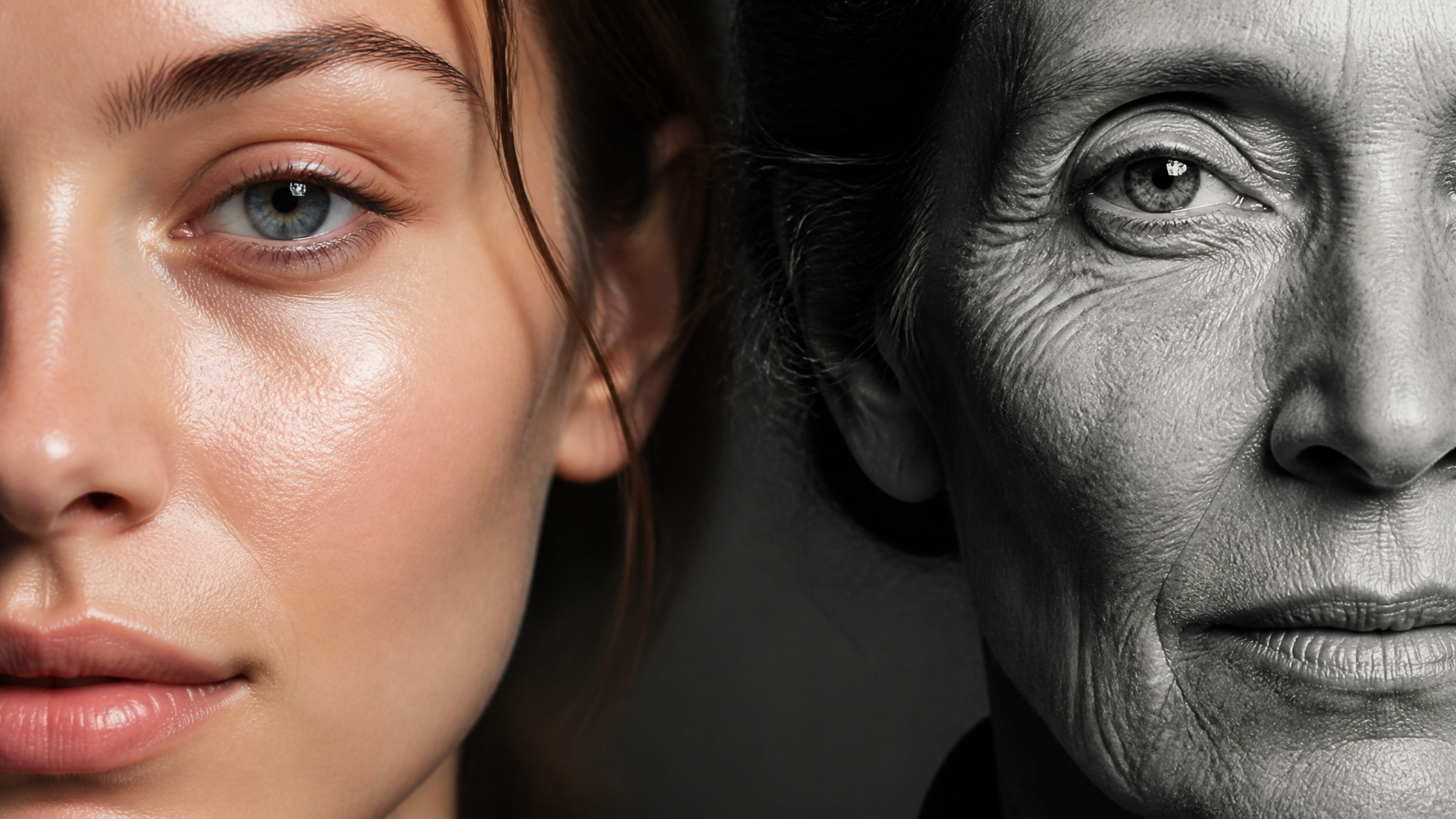
So there’s a physical component here. It’s not all psychological. The youth of today have better skin, healthier habits, and more visible access to wellness culture than their parents did. That’s not a moral judgment. It’s a change in the material conditions of growing up.
Youth as a Visual Language
Age is a useless label anyway. Nobody walks around feeling their carbon age. A forty-year-old can feel twenty-five on a good day, and a twenty-five-year-old can feel ancient while they’re paying off a textbook. The numbers we attach to birthdays are handles we grab to make sense of each other.
But that doesn’t stop us from making snap judgments about the people in front of us. And those judgments are coded. We’re trained, culturally, to read certain visual cues as young or old. A beanie reads as young. So does an oversized hoodie, a skateboard under the arm, or a Nirvana t-shirt worn ironically by someone who wasn’t alive in the 90s.
The reverse is also true. In the 80s, teenagers wore lambskin jackets, aviator sunglasses, and perms. Those cues read as “older” to a modern eye because we now associate them with our parents’ generation. Same age, same teenager, different reading.
This is what psychologists call retrospective aging. When we look backward, we don’t see the past as it was. We see it through a filter of every movie, TV show, and family photo that came after. The more cultural distance there is, the older those faces seem to get.
So Which Generation Is the Youngest Looking?
If we’re ranking strictly by the visual evidence, Gen Z is the winner. When you compare a yearbook photo from 1985 with one from 2024, the students in the modern photos look softer, rounder, and more youthful in appearance. The haircuts are less severe. The skin shows fewer signs of cumulative sun damage. And the fashion tends toward oversized, comfortable clothing that reads as casual rather than formal.
This isn’t a dig at older generations. It’s a description of how culture moves. The style markers that made a teenager look sophisticated in 1975, like feathered hair and wide lapels, don’t map onto our modern idea of what youth should look like. We associate youth with smoothness, simplicity, and softness. The 1975 style marked these kids as older because the style was older, at least in our present-day eyes.
Millennials and Gen Z have also made a virtue of this youthful presentation. The skincare routines, the facial treatments, the style choices that skew toward athleisure and away from business casual. It’s not that Gen Z and Millennials look younger. It’s that they’ve actively invested in looking younger. That’s a cultural choice as much as it is a cosmetic one.
When I look at my own seventh-grade school photo from the 1990s, I see a kid who looks closer to thirty than to thirteen. Some of that is the haircut. Some of that is the glasses. But some of it is that the entire aesthetic of the era read as more grown-up: bigger clothes, harder lines, less softness around the edges.
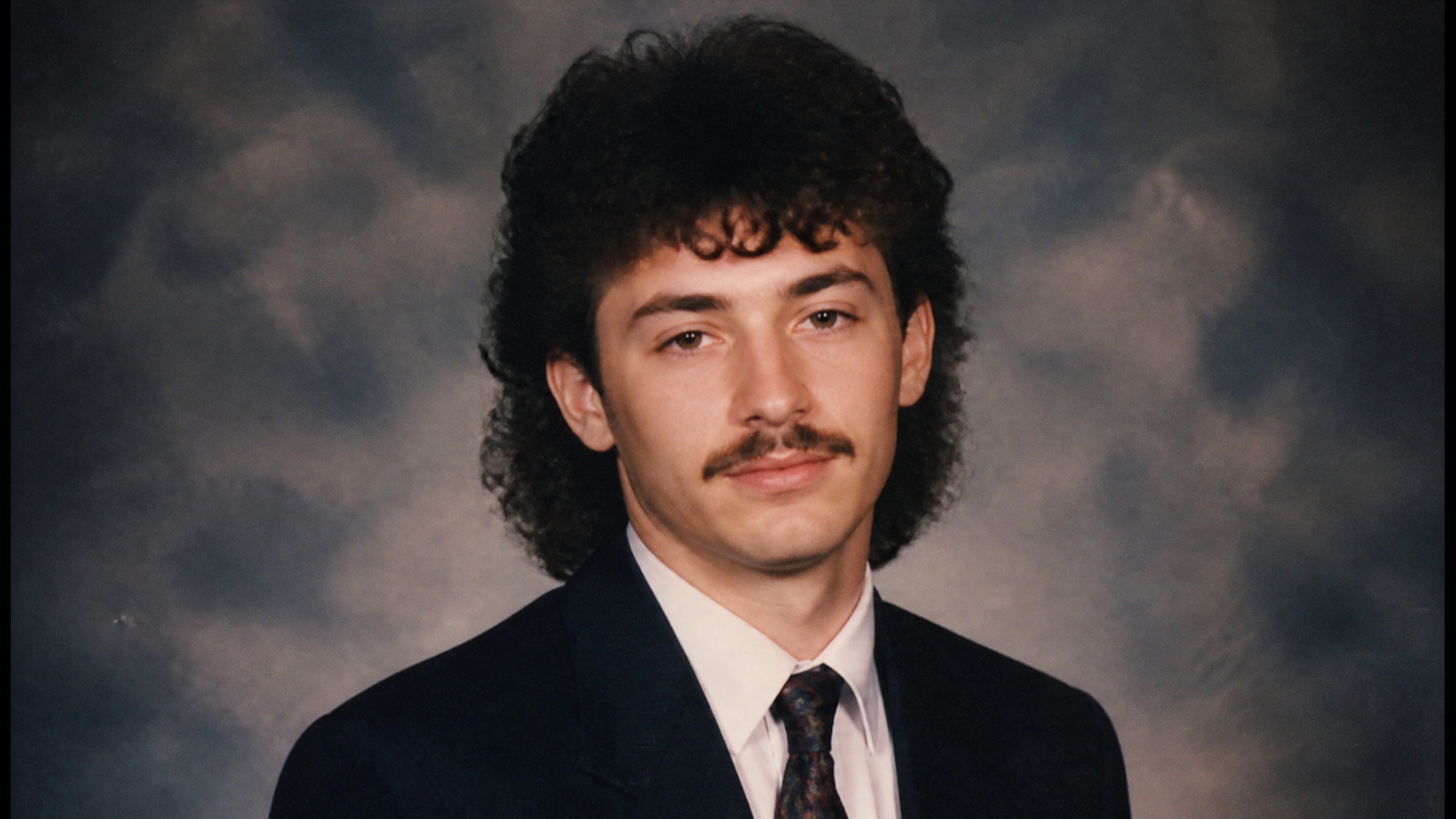
There’s also something to the theory that modern teens are living a materially easier childhood than previous generations. Indoor childhoods, processed food, and screen time have all changed facial structures and body compositions in ways that make kids look less weathered. A 1960s sixteen-year-old was likely already working summers outdoors. His skin had seen sun.
His hands had seen manual labor. A modern sixteen-year-old’s primary physical demands are opposing thumbs and good back posture.
What the Mirror Tells Us: The Future Will Laugh at Us
The thing about this cycle is that it never stops. It’s not that we look at the 1950s and see a bunch of adults who were teenagers. It’s that the loop keeps spinning in one direction: normal generations judging previous generation’s choices as ancient.
Remember the scene in Wedding Crashers where Vince Vaughn and Owen Wilson show up at a party and the girl says, “I always thought you guys were older”? That’s the energy of every generation looking back at its parents’ yearbooks, and it’s the energy every future generation will have when they look at ours.
We’re living in the middle of it right now. The broccoli haircut is current and fashionable. The oversized, balloon-like women’s pants and the tiny sunglasses feel contemporary. But those choices will eventually harden into the “dated look” that feels older than the people wearing them.
It’s not about whether the people in those photos were aging. It’s about the visual language of the era being permanently attached to them.
This is why retrospective aging doesn’t slow down. It’s not something we can solve or evade. It’s the process of how visual culture evolves, one generation stacking its own aesthetic on top of whatever came before. To a teenager in 2041, a nineteen-year-old in 2025 will look like Malcolm in the Middle-era Bryan Cranston to them. Not because of any actual difference in biology, but because the cultural grammar of the 2020s will read as “dated” in a way that their own era won’t.
The Unbreakable Cycle
There’s a bittersweet truth at the core of all this. Retrospective aging is directionally inevitable. Every generation sees the previous one as older than they were, not because there’s something objectively wrong with the youth of the 1990s, but because they can see the time-stamp in the clothes.
It isn’t your child’s yearbook that will make you feel a certain way. It’s your own. In twenty years, I’ll flip through my own high school photos and wince at the hair and the outfit choices of people I remember as beautiful. I’ll see a version of seventeen that looks like thirty-five.
The labels we put on “old” and “young” don’t do any of us any favors, honestly. Age is mostly meaningless as a fixed category anyway. But there’s something moving about watching a culture loop back in on itself: the olds become the olds, and the olds become the olds. The broccoli haircut is already on its way to becoming a generational marker that future kids will laugh atholiday From there, it’s only a matter of time before some twenty-something looks at a 2024 yearbook photo and says, “Wow, that guy looks like someone’s dad.”
The great irony is that this cycle never stops, and never will. Every generation gets its turn to look at the yearbook photos of the generation that came before and marvel at how ancient everyone looks. And every generation is certain that their own youth, their own haircuts, their own skin routines will be the ones that escape this trap. They won’t.
Nothing escapes the trap. The broccoli haircut will someday look like a fossil. The skinny jeans will become the dad jeans of the 2040s. The side part will become the visual shorthand for “things from before the turn” in period pieces set in the 2020sellant.
So when someone asks why teenagers look younger now than they did in 1987, the answer isn’t that human biology changed course. The same nineteen-year-old body is the same nineteen-year-old body. It’s everything else that shifted. What we call “looking your age” is really just looking like the current moment.
The clothing, the haircuts, the skin-care access, the cultural scripts for how a teenager should look and carry themselves. Those are the things that change. And then our brains, being the pattern-matching machines they are, look backward and confidently announce: “those people looked forty.”
It’s a trick of the light, and a trick of the culture. And in another twenty years, some sixteen-year-old is going to look at a photo of today’s teenagers in their oversized pants and tiny sunglasses and wonder how anyone could ever have looked so old.
From where I’m standing right now, that can’t happen soon enough. I’m ready to see a generation of kids who laugh at the broccoli haircut. It’s the circle of life.
Frequently Asked Questions
Why is Gen Z aging so fast?
Actually, Gen Z isn’t aging fast—they’re perceived as looking younger than previous generations at the same age. This is due to a combination of better skincare habits, more accessible cosmetic procedures, and a cultural shift toward youth-coded fashion. The perception that they age fast is a misconception; the evidence points in the opposite direction.
Why does Gen Alpha look so old?
Gen Alpha is still young, but when people see photos of them, they may perceive them as older due to the ‘retrospective aging’ effect—the same cognitive bias that makes past generations look older in old photos. This happens because our brains associate certain styles and cultural markers with adulthood, and as trends change, what’s current for Gen Alpha may read as ‘older’ to other generations. It’s a perception issue, not a biological one.
How does fashion make people look older in old photos?
Fashion makes people look older because our brains associate certain styles with adulthood. For example, 1980s permed hair, shoulder pads, and mustaches are now linked to older generations, so when we see a teenager wearing them, we perceive them as older. This is a psychological effect, not a reflection of actual biological age.