
I’m standing in the checkout line at the supermarket, pre-mixed martinis in hand, and the cashier is giving me that look. The one that says I’m going to need to see some ID. I’m 30, I graduated college nearly 10 years ago, and I’ve spent nearly that entire stretch working as a journalist and editor. I have a career, a published book, a mortgage, and a fiancé. I also have a baby face that means I haven’t been carded for buying alcohol in years.
I’ve been carded. I’ve been asked if I’m old enough to buy cold medicine. Being unreachable was a luxury; not being expected to be reachable 24/7 was the norm. And when I was 30, I had to prove I was over 21 to buy a four-pack of martinis.
It’s flattering, sure. But it also makes you wonder: why does everyone think I’m so much younger than I am? And more importantly, why do today’s kids look younger than those yearbook photos of our parents?
You know the ones. The black-and-white photos where the 16-year-old boy has a full mustache and a mortgage application in his back pocket. The high school girls who could pass for someone’s 30-year-old aunt. It’s become a whole internet conversation.
There are TikToks about it, the hashtag “why don’t millennials age?” has something like 19.4 million views. The same “kids today” posts pop up in Facebook groups and WhatsApp chats. Everyone’s noticed. Everyone’s wondering.
So what’s actually going on? Is it a trick of the light, a cultural shift, or something deeper? I did some honest reading, and here’s the short version: it’s a bit of everything, and the truth is more interesting than any conspiracy theory.
Key Takeaways
Old photos make people look older because our brains associate outdated styles with older generations. It’s called retrospective aging, and it explains why Buddy Holly glasses read as “grandpa” now, even though they were cool in the 1950s.
Real health changes are at work too: in 1965, roughly half of Americans and Canadians smoked, whereas now the rate is roughly 1 in 7 in the US. Better nutrition and sunscreen use have slowed visible aging significantly.
There’s a paradox: while people look younger, a 2025 Nature Medicine study found younger generations are biologically older at the same age than earlier generations. For each standard-deviation increase in the age-gap score, early-onset solid cancer risk rose by 8%.
Table of Contents
Old photos play tricks on you (it’s not your eyes)
Let’s start with the most obvious answer, because it’s also the most fun. Educator Michael Stevens covered this in a Vsauce video a while back, and it’s the backbone of the whole conversation. It’s called retrospective aging. Here’s the idea: when you see a photo of a 16-year-old from 1953, your brain doesn’t just see a teenager. It sees the clothes, the hair, the glasses, and it instantly categorizes them as “older” because you associate those styles with older people.
Take the Buddy Holly glasses. In the 1950s, those thick, dark-rimmed frames were the height of teenage cool. Now, you see them and think grandpa. The same goes for the high-waisted pants, the slicked-back hair, and the way everyone in those photos seems to have the posture of someone waiting for a bus.
We’re not actually seeing a 50-year-old in a teenager’s body. We’re seeing a teenager who happens to be wearing the uniform of a different era.
There’s a term for this, and it’s not just a clever name. Psychologists call it the “name matching effect.” It’s the notion that cultural stereotypes tied to a name, or a style, can literally shape how you perceive someone’s face. If you hear the name “Ethel” and picture someone in their 60s, you’ll mentally age a young Ethel you meet.
The same principle applies to fashion. We carry expectations, and we project them onto every photo we see.
And there’s another layer: people tend to cling to the fashion of their youth for their entire lives. That’s why you see older people dressed in the styles of their 20s. It’s why V-neck sweaters will forever be associated with 1980s dads, even if a 25-year-old wears one today. Our brains see the style first and the person second.
So when your cousin posts a “90s vs. today” comparison and you can’t believe the 1996 high schoolers look like they could be your parents, it’s not because they’re aging faster in the photo. It’s because you’re reading the 90s as “old” now, and your brain does the math.
It’s not just the clothes: people did age differently
Take out the fashion-and-perception bias, though, and you still can’t get away from the fact that people in the past genuinely looked older. Maybe not by decades, but enough to notice. The reasons aren’t a mystery, either. Smoking, nutrition, sun exposure, and physical labor all played a part.
Smoking is the big one. In 1965, about half of Americans and Canadians smoked. Half. That’s not a niche habit; that’s a cultural norm.
Now, the number is closer to 1 in 7 in the US and 1 in 10 in Canada. Smoking directly causes wrinkles by restricting blood flow to the skin, damaging collagen, and exposing you to oxidative stress. But reactive oxygen species aren’t unilaterally bad; antioxidants shouldn’t be consumed in excess either.
Plus, there’s the squinting. Try frowning through a cloud of your own smoke for thirty years and see what it does to your face. It’s not just a cosmetic issue, either.
Add in nutrition. It’s easy to overlook what vitamin fortification did for entire populations. You know how every food seems to have folic acid added now? That genuinely mattered.
Ridiculous levels of deficiency, the kind that makes hair fall out and skin crack, were once normal. You don’t see that in photos because you rarely see it at all anymore. It’s been engineered away.
Sun exposure was also a free-for-all. No one was wearing sunscreen; people were actively competing for tans. UV damage is one of the most direct causes of premature skin aging, and we now know skin cancer is a real consequence. Sunscreen use has gone way up, and we’re seeing the results.
Finally, there was physical labor. Fifty years ago, teenagers and young adults were more likely to be doing concrete, demanding work, farm work, construction, manual jobs that wear on the body and face. Today’s teens are more likely to be doing homework, working retail, or sitting at a screen. That’s not a dunk on anyone’s work ethic; it just means their hands and faces are not taking the same beating.
Taken together, these changes compound. Better nutrition, less smoking, sun protection, less hard labor: they all slow down visible aging in a way that’s measurable and real. It’s one of the few times the “kids these days” narrative is backed by statistics.
The modern toolkit: skincare, fillers, and filters
Here’s the part where looking younger stops being about luck and starts being about effort. You can’t talk about how young people look now without acknowledging that a lot of them are actively working at it.
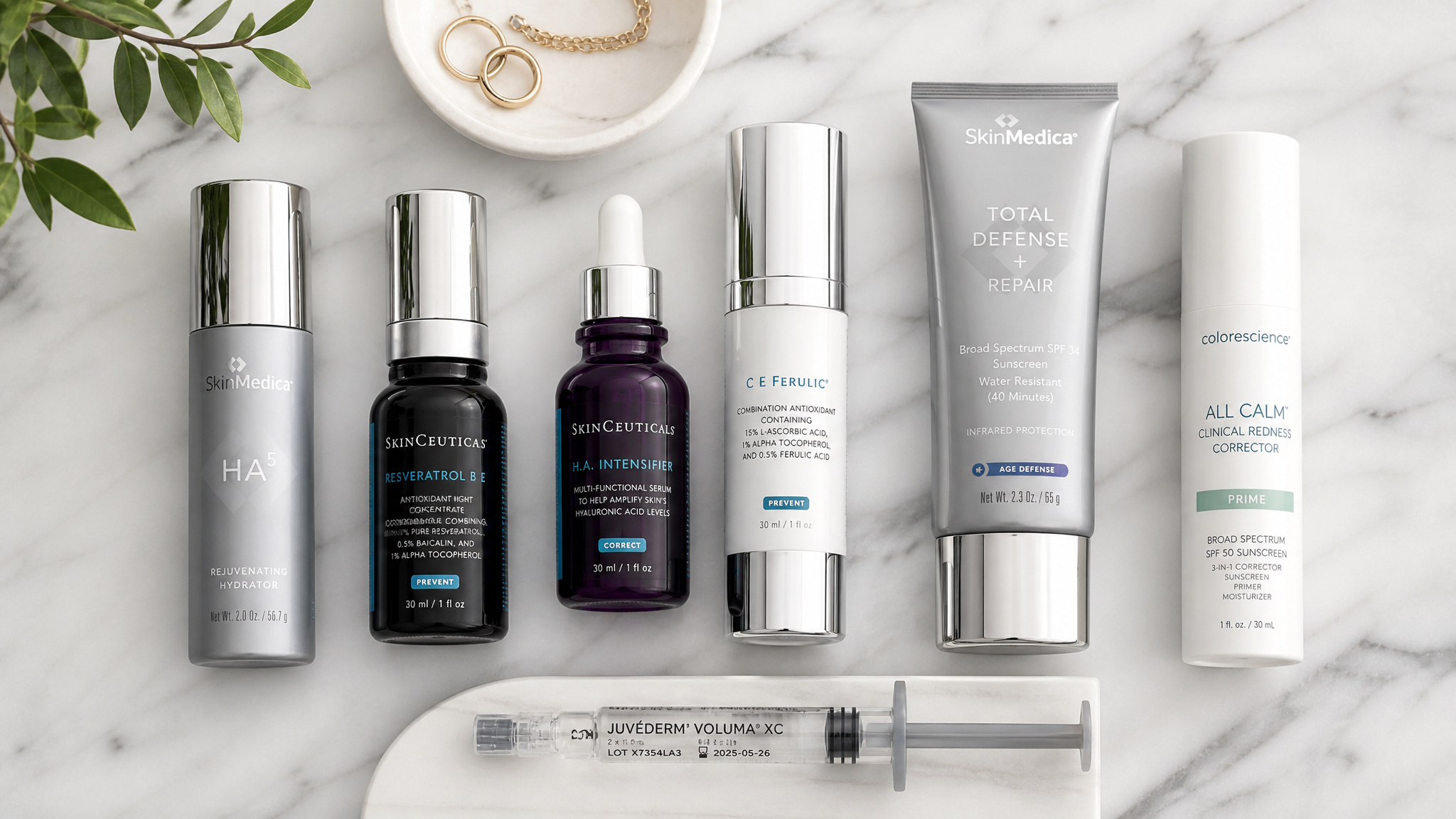
Cosmetic procedures are more accessible than ever. Botox, fillers, laser treatments, and teeth whitening: getting a “tweakment” used to be a celebrity thing, something you saved up for or never did at all. Now, it’s a Saturday appointment that costs roughly the same as a nice dinner out. Fillers and Botox are more affordable and accessible than any generation before us, and it’s not just the rich and famous doing it. Regular people, people you know, are getting injectables.
Skincare is the other piece. Anti-aging creams, serums, cleansers: they’re everywhere, and they’re cheap enough to pick up at Target while you buy groceries. We’re starting routines early, and we’re sticking with them. Millennials and Gen Z are more likely to wear sunscreen daily than any previous generation, and it shows.
Even the men are getting in on it: the market for male grooming products has exploded, and hair transplants, minoxidil, and finasteride are no longer taboo topics. Orthodontics, too, have become a routine part of the youthful look, with braces and clear aligners now common well into adulthood.
But the cultural piece might matter just as much. Millennials have shifted the timeline of adulthood. They’re delaying buying property, having children, and settling into “settled life” in a way that keeps their style and identity geared younger. There’s a whole “kidult” culture now: nostalgic cartoon tees, bright colors, cute accessories, and maybe that explains why do 18 year olds look younger?
When you dress for your inner child, you naturally look more youthful. When you look youthful, you start to believe it.
And then there are the filters. Instagram and TikTok are full of digital beautifying effects that airbrush skin, smooth wrinkles, and basically reset faces to a default “young” setting. We’re used to seeing faces that have been subtly edited, even the ones of people we know. It changes what we think “normal” looks like.
We’re treating appearance as a project to design at every level. That’s not good or bad, it’s just different from the generations before us, who didn’t have these tools.
The twist: you look younger, but your cells are older
Here’s the part where the article flips, because both things are true at the same time. You might look younger than your parents did at the same age. But your biological age? That’s a different story, and it’s not the one you’d expect.
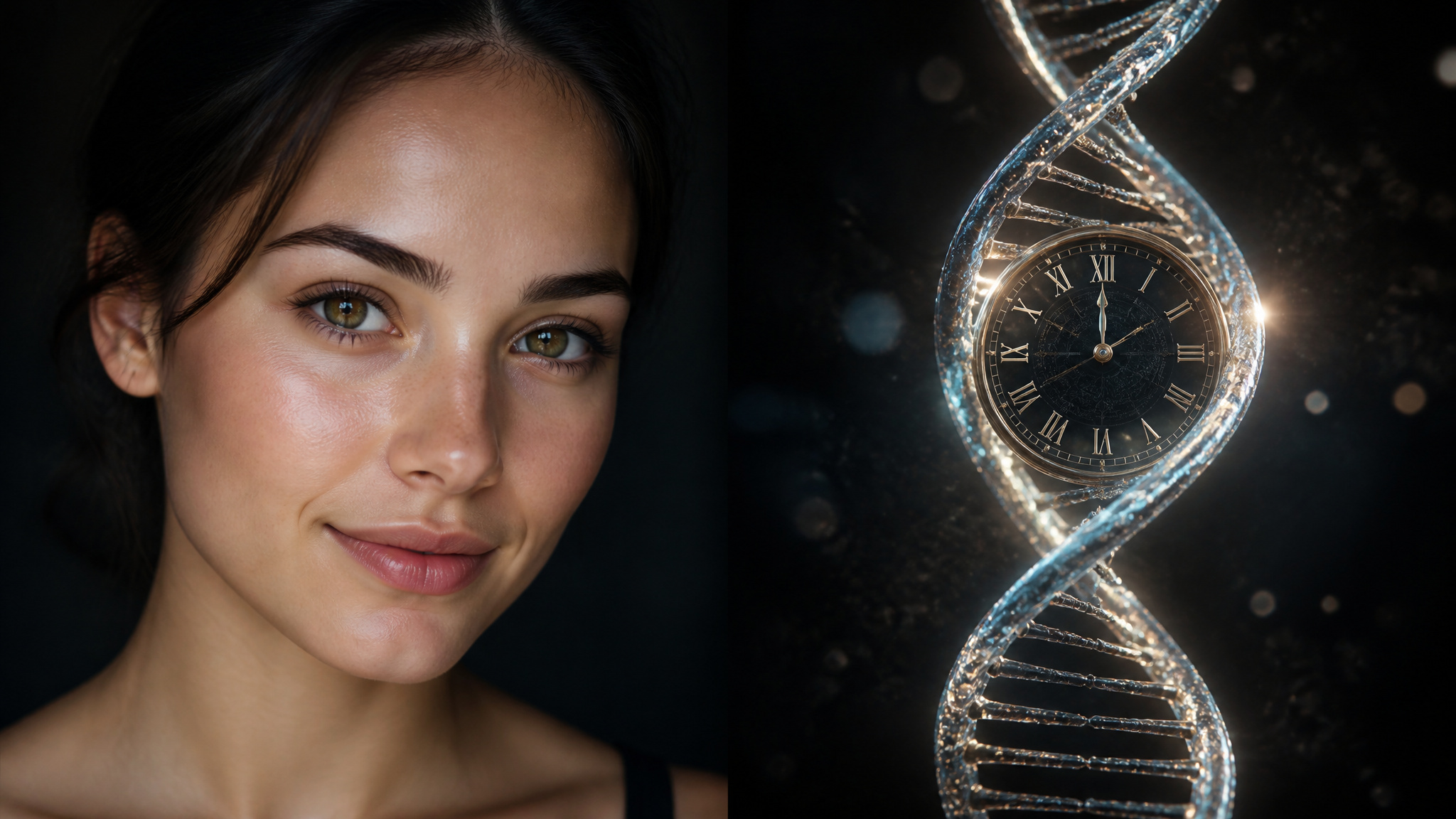
Let’s go back a bit. A 2018 study called “Is 60 the New 50?” by researchers at Yale University and the University of Southern California compared Americans from two different periods at the same chronological age. It looked at cholesterol, blood pressure, lung capacity, and blood test results. People from the 2007-2010 group were biologically younger at any given age than the 1988-1994 group.
A woman in her 60s or 70s was about 3.8 years younger biologically, on average. Men in their 20s and 30s saw a smaller drop, around 1.3 years. That’s the source of the “people age slower now” theory, and it held up.
But then 2025 rolled around, and things got complicated. A new study in Nature Medicine, led by researchers including Yin Cao at Washington University School of Medicine in St. Louis, looked at the same biological-age idea, but with more sophisticated tools. The researchers used blood markers, what’s called a PhenoAge, which is based on nine biomarkers, including CRP, glucose, and creatinine, to estimate biological age. They compared people at the same chronological age and looked for gaps.
Two major sample sets. The UK Biobank gave them 154,169 adults. They found people born in the late 1960s and early 1970s had a biological age gap 23% higher than people born in the early 1950s. The US data came from the “All of Us” research program, which had about 10,000 adults.
There, people born in the 1990s showed a 92% higher gap compared to those born in the mid-1960s. The same trend, on a different scale.
It’s a paradox. We look younger, but our cells appear to be aging faster than earlier generations did at that age. The measurements are specific, this is one proposed biological clock, not a definitive health verdict, but the trend is there, and it’s enough to make you pause.
What does that actually mean? It suggests something about the environment we’re living in is affecting our bodies at a cellular level, even as our skin, hair, and lifestyle make us look younger on the outside.
The real signal: early-onset cancer risk
If there’s a reason to care about this beyond curiosity, it’s this: the same study that found faster biological aging also found a link with cancer risk. Higher age-gap scores, meaning your body is acting older than your years, were associated with an increased risk of developing cancer before age 55.

For every standard-deviation increase in the “age gap” score, the risk of early-onset solid cancers rose by 8%. That includes lung, digestive system, and uterine cancers. And the association held up even after adjusting for smoking, obesity, telomere length, and genetic predisposition. It wasn’t just a proxy for unhealthy lifestyles or bad genes. In the US, the proportion of colorectal cancers diagnosed before age 55 increased from 11% in 1995 to 20% in 2019.
The strongest link was lung cancer, where the risk increased by 57% per standard-deviation increase in the age-gap score. And here’s the thing: early-onset cancer is already going up in the general population. From 1990 to 2019, the number of people under 50 getting cancer grew by about 24%.
We don’t have a definitive answer for why this is happening. David Scott, Director of Cancer Grand Challenges, put it this way: right now, the precise causes behind the rise of early-onset cancers remain unknown, but studies like this help piece together the bigger picture. It’s not panic territory, but it’s a signal worth paying attention to.
The Gen Z exception: when the trend reverses
The “everyone looks younger” premise has a limit. It works for Millennials. It works for older Gen X. But when you get to Gen Z, the pattern starts to shift.
Dr. Kellie Reed, a US dermatologist, has been talking about what she calls the “visual gap” between Millennials and Gen Z, and it’s not what you’d expect. Gen Z reports higher stress levels, vaping rates that exceed every other age group, more sleep deprivation, and more sedentary lifestyles, all of which accelerate visible aging. They’re also getting injectable fillers, Botox, and laser treatments earlier, often driven by appearance anxiety. Starting cosmetic procedures too young or overusing them can interfere with natural facial development and create a mask-like effect that actually makes them look older.
Then there’s the makeup. Gen Z favors full-coverage, sculpted, glamorous makeup that can cover the face in a way that ages it, a stark contrast to the orange-heavy foundation and concealer-lip styles that defined the early 2000s. Millennials are more into the no-makeup makeup look, which is softer and reads as younger by comparison.
So while Millennials are aging in “slow motion,” Gen Z is speeding up the clock in their own way. That’s a trend-level observation, not a universal law, you can’t generalize about everyone in a generation, but it’s a useful reminder that “looking younger” isn’t a single, linear journey. It’s influenced by culture, cosmetics, and how much sleep you actually get.
What about our kids?
Parents look at their own kids and their classmates and wonder: is my kid too small? Is everyone’s kid looking younger than they should?
The honest answer is that the science is quiet on pre-puberty specifically. We have lots of talk and plenty of parental observation, but the controlled studies on biological age and perceived age mostly focus on adults. That said, there are hints.
Researchers believe faster biological aging might be connected to earlier puberty onset, and earlier onset of obesity, diabetes, and other health markers. One theory involves what’s called “adiposity rebound”, the point in childhood where body mass index starts to rise again after a dip. If that happens earlier, it may alter the schedule of childhood growth and puberty, which can affect how kids look and act. This hypothesis directly ties back to the PhenoAge findings discussed earlier: the same accelerated cellular aging that shows up in blood markers may be triggered by these early-life metabolic shifts.
Childhood obesity definitely affects development, but the exact direction and timing of that effect is complicated. We don’t have a clean this is the age your child will hit this milestone PDF we can hand you, because the science isn’t there yet.
What we can say is this: the same environmental factors that affect adult biological age, diet, stress, sleep, screen time, are present in childhood. And they’re being studied. But at this point, we’re in “more data needed” territory, not false certainty.
For a related look at how this plays out for teens specifically, this piece on why high schoolers look younger now digs into the cultural side. And for the counter-perspective, where teens do seem to look older, this one covers the other direction.
The bottom line: two different clocks
Perceived age and biological age are not the same thing. They run on different tracks and tell different stories.
Perceived age is the one we’ve been talking about this whole time. It’s how you dress, how you style your hair, whether you’ve had a good night’s sleep (or a good decade of them). It’s the skincare routine, the filters on your Instagram, the decision to put off a mortgage and stay in kidult mode a little longer. It’s everything the world sees when it looks at you and guesses, probably incorrectly, how old you are.
Biological age is the hidden one. It’s how your organs, your immune system, and your cells are actually holding up. It’s the clock that’s ticking under the surface, and it’s ticking a little faster than our parents’ did. Neither clock cancels out the other.
You can have a youthful glow and an early-onset cancer risk at the same time. Both things are real.
That’s not meant to scare you, and I’m not a doctor, but this is the kind of information that’s better to carry than to ignore. Parenting means looking at your kids’ faces and wondering about the future, but it also means being honest about what “time” is actually doing to all of us. Not cruel, not paranoid, just honest.
Frequently Asked Questions
Why is Gen Z aging so fast?
Gen Z may appear to age faster due to higher stress levels, higher vaping rates, more sleep deprivation, and more sedentary lifestyles compared to previous generations. They also tend to start cosmetic procedures like fillers and Botox earlier, which can create a mask-like effect that makes them look older. This is a trend-level observation, not a universal rule, but it contrasts with Millennials who often look younger than their parents did at the same age.