The day our buyer’s financing fell through, I was standing in the kitchen packing boxes and trying to figure out how many more months of two mortgages we could handle. My four-year-old kept asking why we weren’t moving yet, and I didn’t have a good answer. That’s when a cash offer came in — twelve days later we closed, and the whole thing was over. I’ve been through this stress, and I want to help you make the call without the panic I felt.
Cash offers aren’t a rare unicorn anymore. Between July 2024 and June 2025, a record 26% of home buyers paid cash, according to the National Association of Realtors. Redfin says nearly one-third of homes sold in 2024 were cash purchases. So if you’re selling right now, you’re probably going to see at least one cash offer — 63% of sellers do.
Here’s what I wish someone had told me before I was juggling showings, a toddler’s nap schedule, and a deal that was falling apart.
Key Takeaways
Cash offers close in 7–14 days, compared to 30–45 days for financed offers, and are roughly four times more likely to close successfully (Redfin analysis).
On a $400,000 home, a cash offer typically comes in $12,000 to $48,000 below market value, but a financed offer could net you $20,000 to $50,000 more — though with higher risk.
52% of sellers who had at least one all-cash offer still sold to a mortgage buyer, meaning the higher price often wins when the home is move-in ready and the buyer is well-qualified.
Table of Contents
The Speed & Certainty Advantage
Cash offers don’t just save time — they eliminate the uncertainty that comes with waiting for a lender’s approval. Here’s how the timelines actually compare.
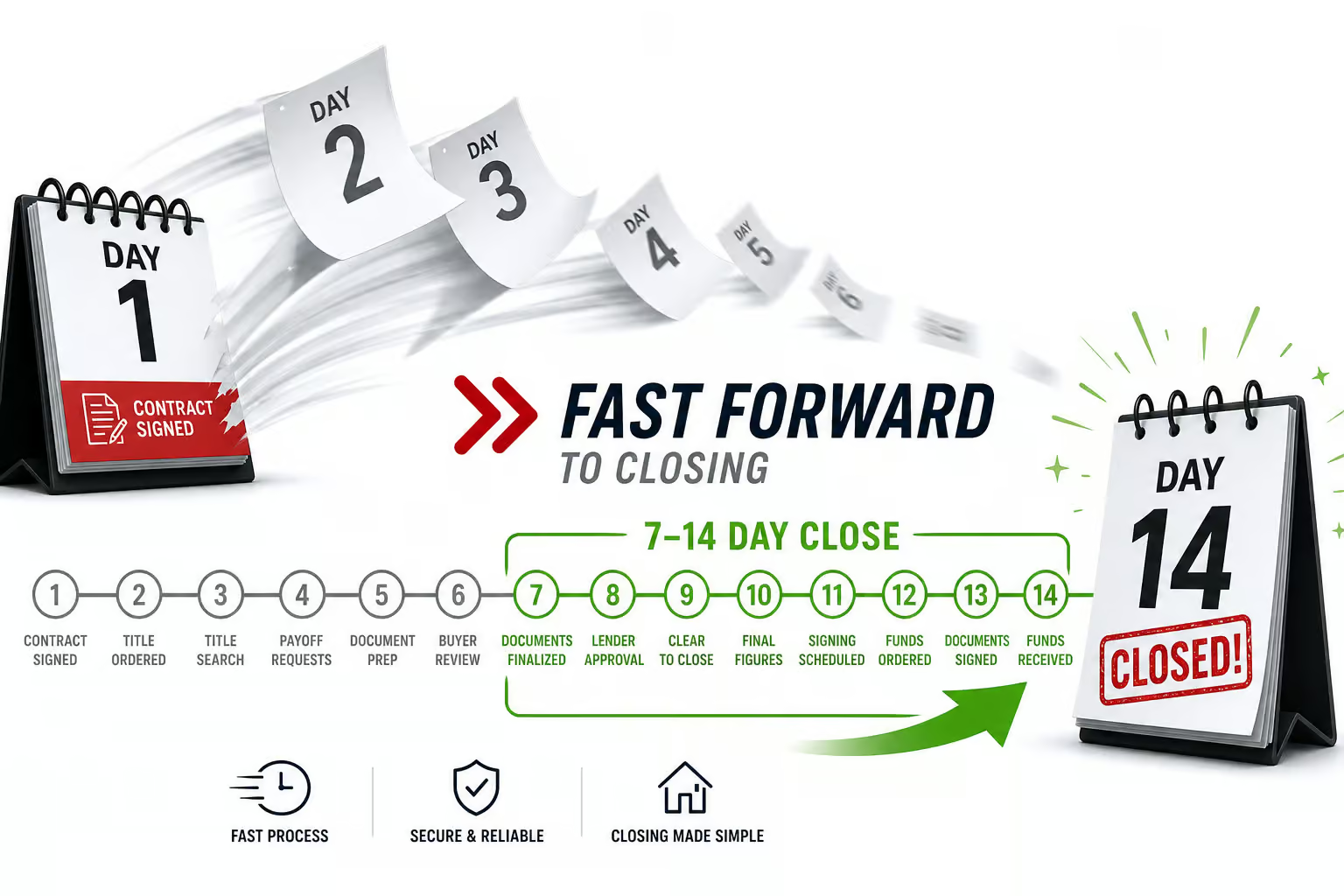
How fast can a cash sale close?
Cash sales can close in seven to fourteen days. Financed deals usually take thirty to forty-five days, sometimes up to sixty days. That gap is more than just time — it’s real money. Every extra week you’re waiting on closing means another mortgage payment, another month of insurance, another utility bill.
If your monthly payment is $2,000, a thirty-day delay costs you $2,000 worth of carrying costs. For a lot of families, that’s the difference between breathing easy and swiping a credit card for groceries.
Now, a well-prepared financed buyer who has full pre-approval and twenty percent down can sometimes close in twenty-one to twenty-five days. So the gap isn’t always huge. But it’s real, and it matters when you’re already paying two mortgages.
The certainty gap: cash offers fail four times less often
Redfin analyzed the data and found that cash offers are about four times more likely to close successfully than financed offers. 40% of sellers say deals fell apart because of money, mortgage, or financing issues. Appraisal-related issues cause 6% of contract delays (March 2025 NAR data). With a cash offer, the lender isn’t there to say no. The appraisal isn’t there to kill the deal. The financing contingency isn’t there to give the buyer an exit ramp.
That’s not just a statistic. That’s the difference between “we close next week” and we’re back on the market, and by the way, the roof inspection is due tomorrow.

Fewer Contingencies, Less Stress
When you accept a cash offer, you dodge a whole pile of headaches that come with financed buyers. Let’s name them:
- No financing contingency. You don’t wait for a loan officer to decide whether the buyer actually qualifies.
- No appraisal contingency. Appraisal gaps kill deals or force renegotiations. Cash buyers don’t need an appraisal — the bank isn’t involved.
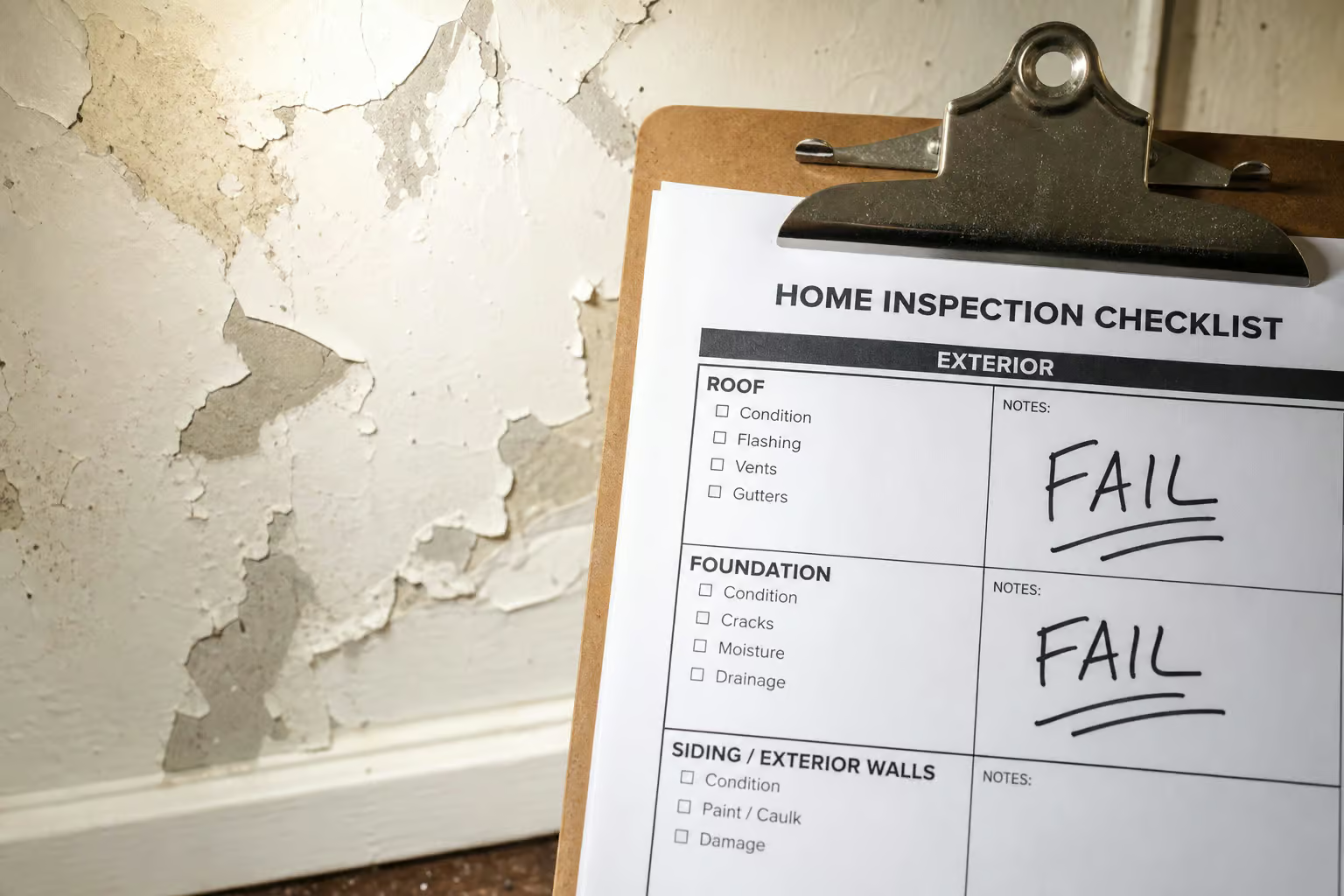
- No lender-ordered repairs. FHA and VA loans have strict property standards. If your home has peeling paint (especially if it was built before 1978), a cracked driveway, or an older roof, the lender will demand it fixed before they hand over the money. Cash buyers often buy “as-is.” You don’t fix anything.
- Simpler paperwork. Fewer people touching the file means fewer opportunities for something to go wrong.
The concrete savings here is time, money, and the kind of stress that makes you snap at your partner over nothing. I felt that relief when our cash buyer said, “We’ll take it as-is,” and I didn’t have to paint the trim or replace the broken garage door opener.
The Price Tradeoff – Is a Lower Cash Offer Worth It?
Here’s where it gets honest. Cash offers usually come in lower. A lot lower.
How much less do cash buyers typically pay?
Cash offers typically price 3-12% below market value. On a $400,000 home, the cash discount ranges from $12,000 to $48,000. A financed buyer at full market value could net $20,000 to $50,000 more on a typical home.
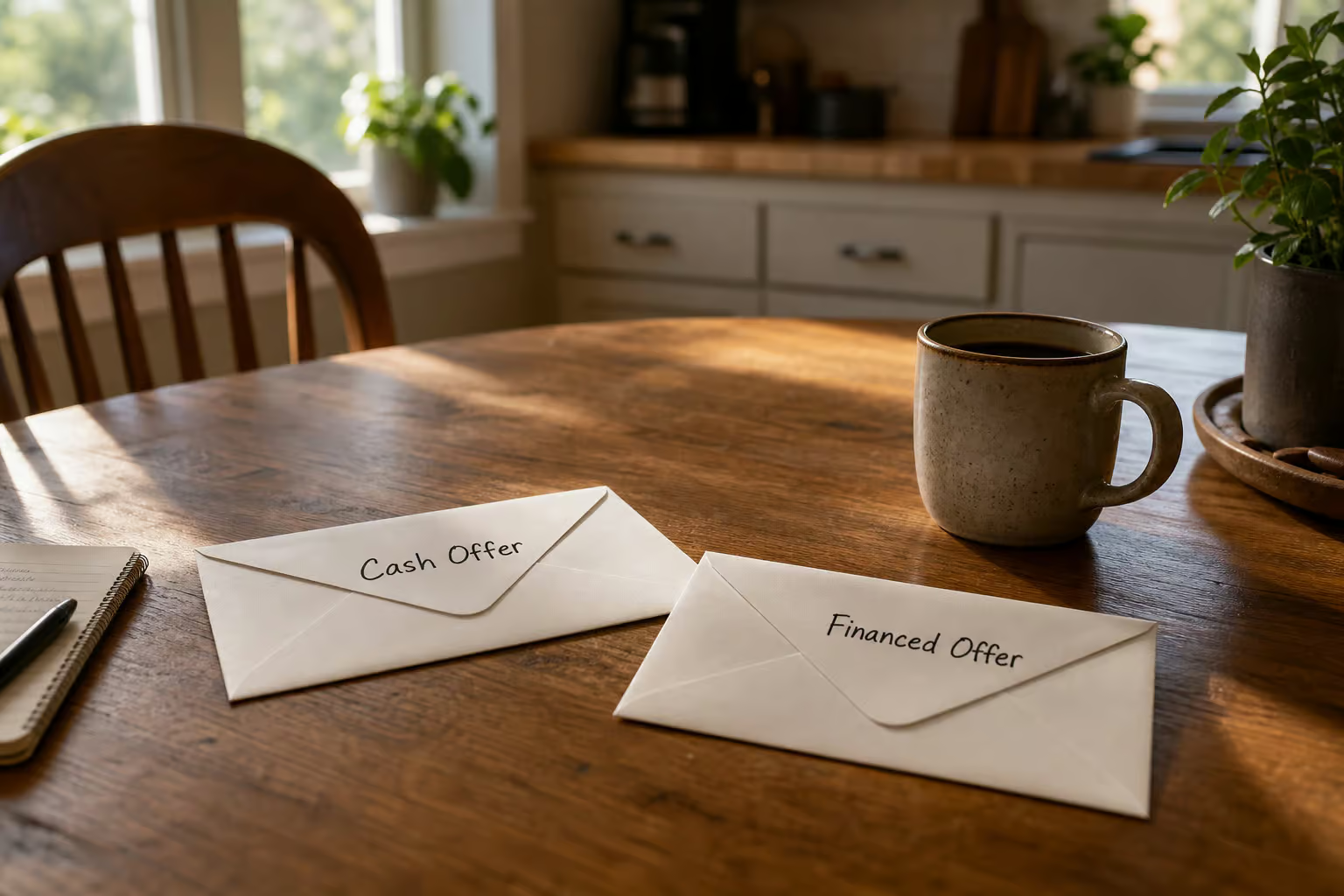
So why would anyone take a cash offer? Because that extra money comes with weeks of timeline risk, potential repair demands, and a meaningful probability that the deal doesn’t close at all. A financed offer that’s $25,000 higher might look great on paper, but if it falls through, you’ve lost weeks and might have to start over while still paying two mortgages.
Why sellers still choose financed offers: the 52% statistic
Counterintuitively, 52% of sellers who had at least one all-cash offer still sold to a mortgage buyer. That’s more than half. Why? Because many sellers aren’t in a rush.
Their house is move-in ready. The financed buyer is well-qualified — full pre-approval, twenty percent down, strong employment history. And the price gap is real money.
The 3-3-3 rule helps explain why cash buyers are lower risk. It’s a buyer-readiness guideline: three months of emergency savings, three months of mortgage reserves, and three property comparisons. Cash buyers are exempt from all three benchmarks because they bypass mortgage financing entirely, but they still face questions like if I buy a house with $100,000 cash do I have to explain where the cash came from. That’s why sellers view them as safer.
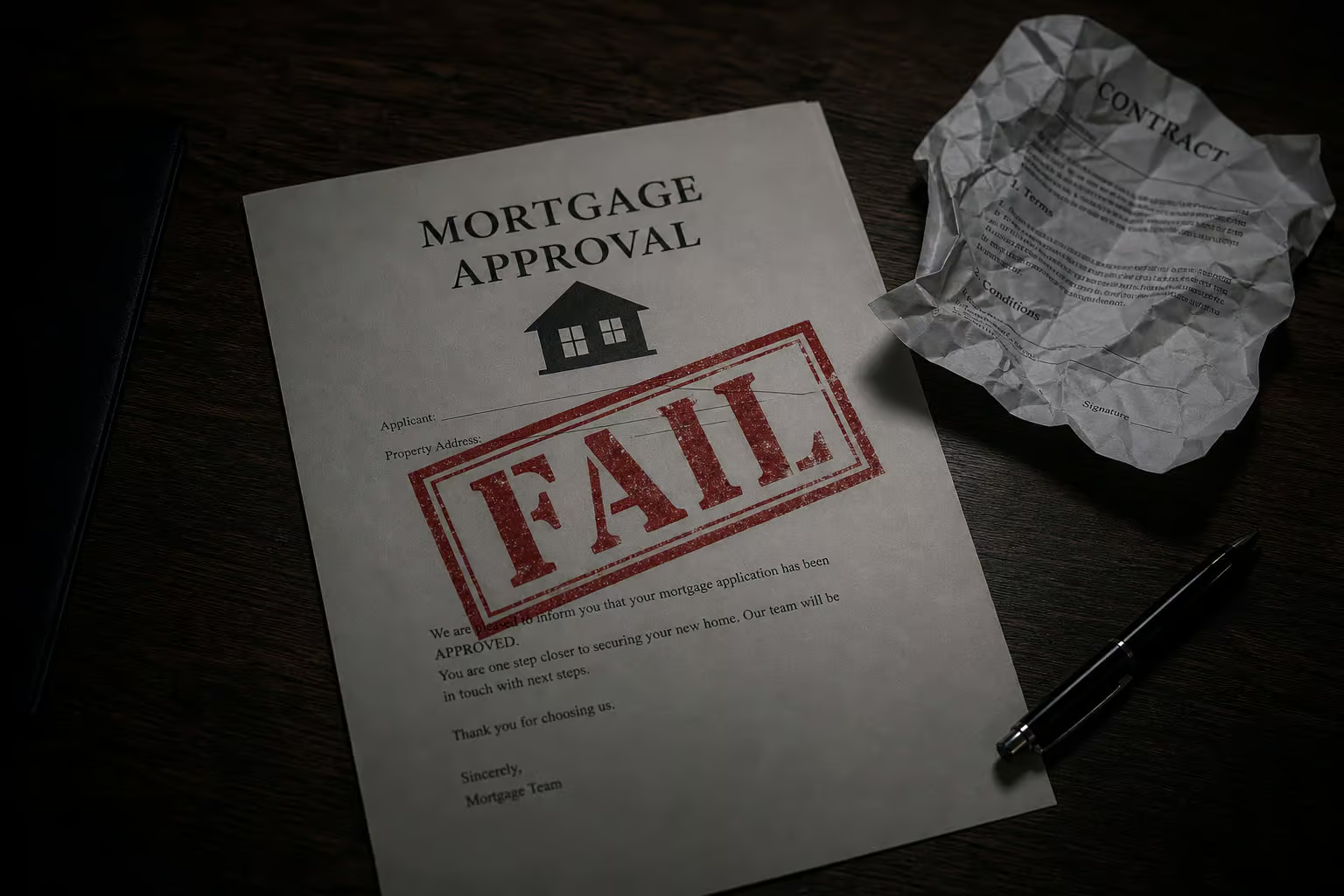
So the tradeoff is simple: cash = less money, more certainty; financed = more money, more risk. The right answer depends on your family’s timeline and your tolerance for stress.
Why Cash Offers Win for Fixer-Uppers and As-Is Sales
Sometimes cash isn’t just better — it’s the only realistic option. If your home has foundation issues, you’re not getting an FHA or VA loan on it. Foundation issues can reduce comparable sale prices by 10-20%, and no lender wants to touch a house with structural uncertainty.
Financed buyers’ lenders enforce property standards. Peeling paint, an aging roof, outdated electrical — all of that has to be fixed before closing. Cash buyers don’t care. They buy “as-is.” You don’t have to spend a dime on repairs.
Selling expenses (commissions, closing costs, repairs) range from 10% to 15% of sale price. With a cash offer, you eliminate the repair piece entirely. That’s a real savings in time, money, and the hassle of managing contractors while you’re trying to move.
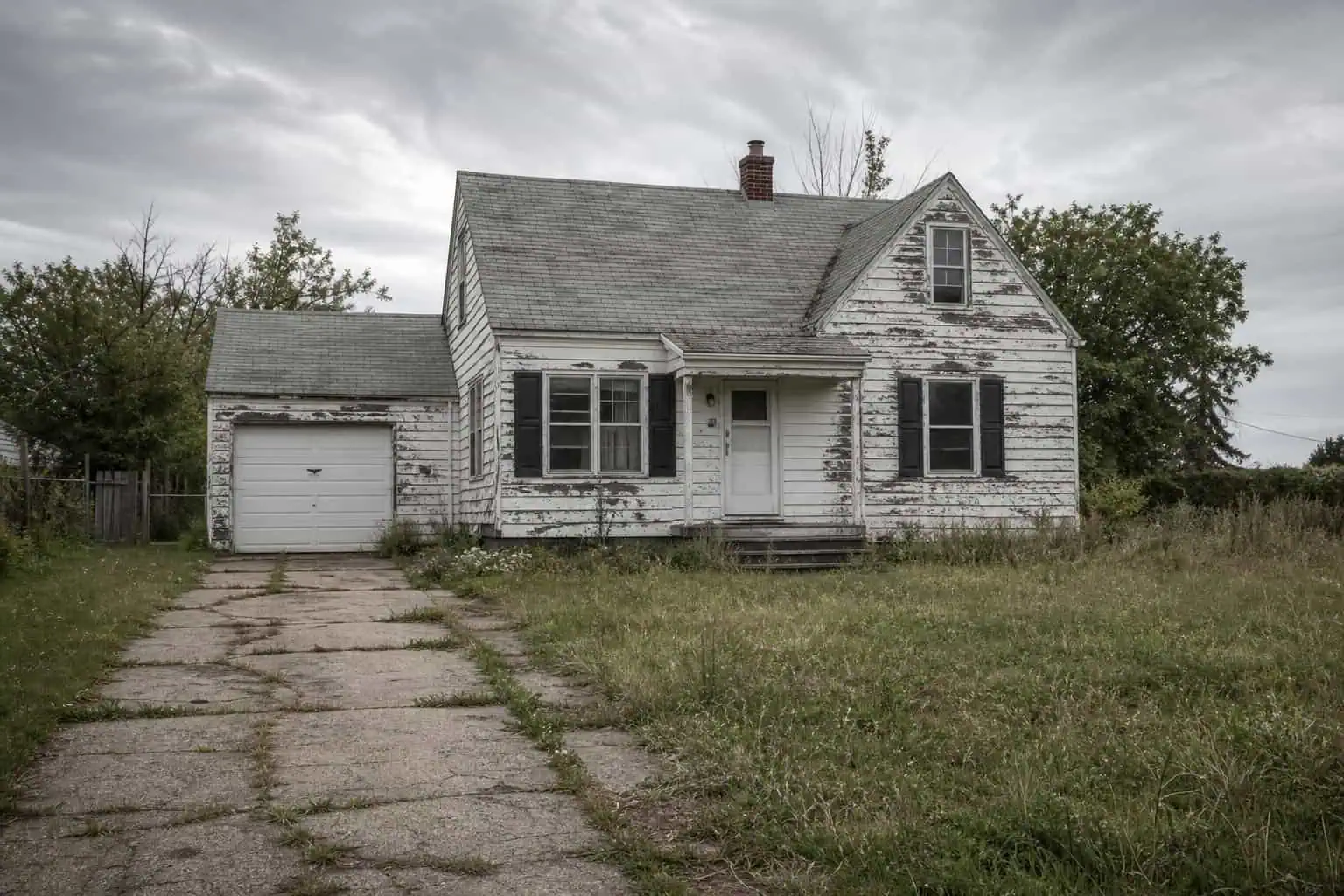
If your house is a fixer-upper, a cash offer is almost certainly your best bet. A financed buyer will either walk away or demand you fix everything first. A cash buyer says, “I’ll take it as is,” and closes in two weeks; if you’re considering this route, review a detailed list of the pros and cons of buying a house in cash to decide if it aligns with your financial goals.
Who Are the Cash Buyers? (And What Each Type Wants)
Not all cash offers are the same. Knowing who’s making the offer helps you negotiate and understand what price to expect.
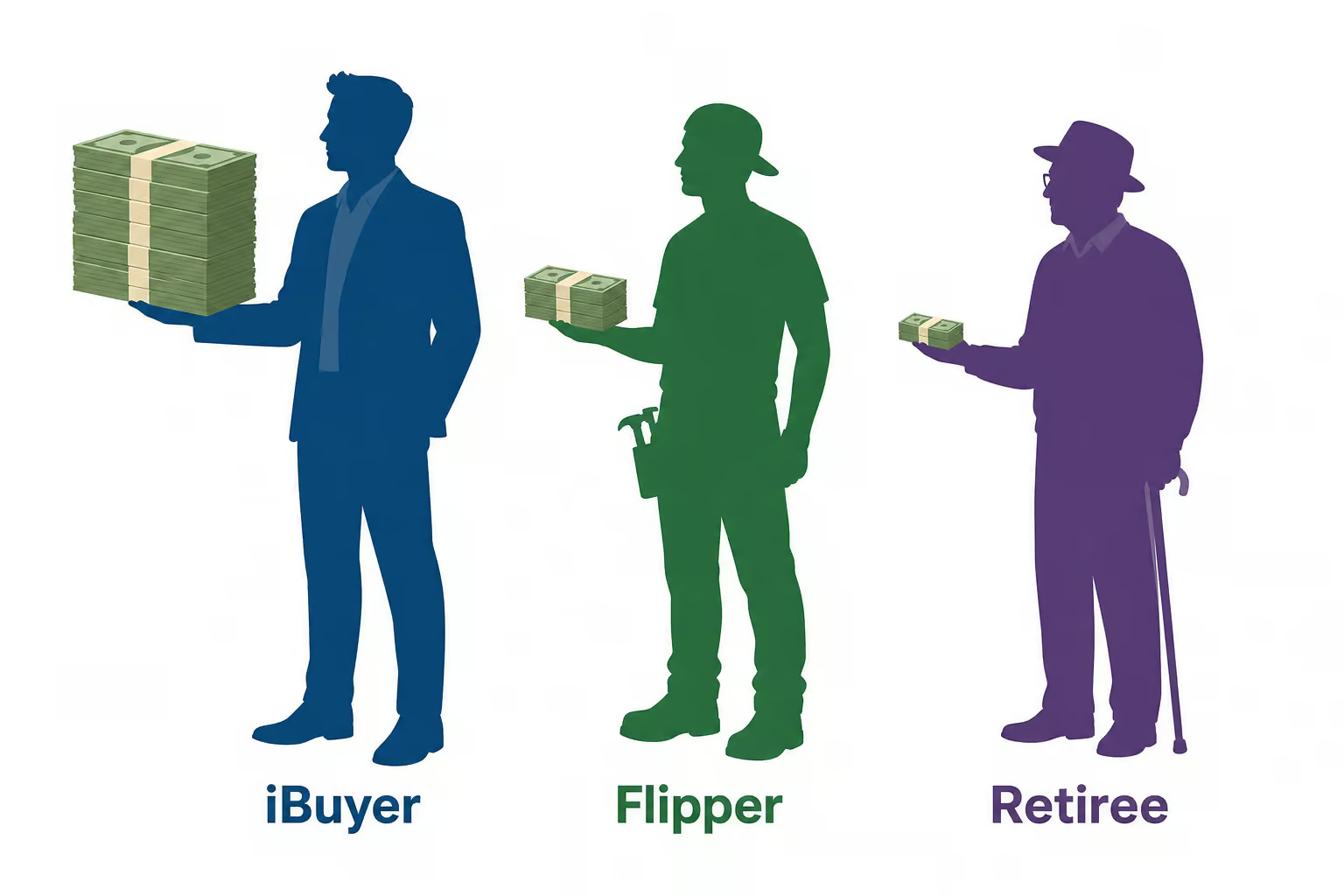
iBuyers: Opendoor, Offerpad
iBuyers like Opendoor and Offerpad provide an all-cash offer within two business days and can close in as little as two weeks. No staging, no open houses, no waiting. The tradeoff? Their offer is below market value. You’re paying for speed and convenience.
House flippers and the 70% rule
House flippers typically follow the 70% rule: offer up to 70% of after-repair value minus repair costs. So if a flipped house is worth $300,000 after repairs and the repairs cost $50,000, their offer is about $160,000. That’s low, but they close reliably. Know that formula so you don’t think they’re insulting you — they’re just pricing in their profit margin.
Traditional buyers with equity
Retirees downsizing, people relocating from expensive markets, or families who inherited money — these cash buyers often offer closer to market value. They want a home to live in, not a flip. Their offers are usually the highest among cash buyers, reflecting the many advantages of buying a home with cash. If you can wait a few extra days for one of these to show up, it might be worth it.
Investors may also use 1031 exchanges. Cash sales make these exchanges easier because you have only forty-five days to identify a replacement property. A cash closing in ten days gives you way more breathing room than a financed closing that takes forty-five.
How to Vet a Cash Buyer (Before You Waste a Month)
Not every “cash buyer” has the cash. Here’s how to tell the real ones from the people who are going to waste your time.
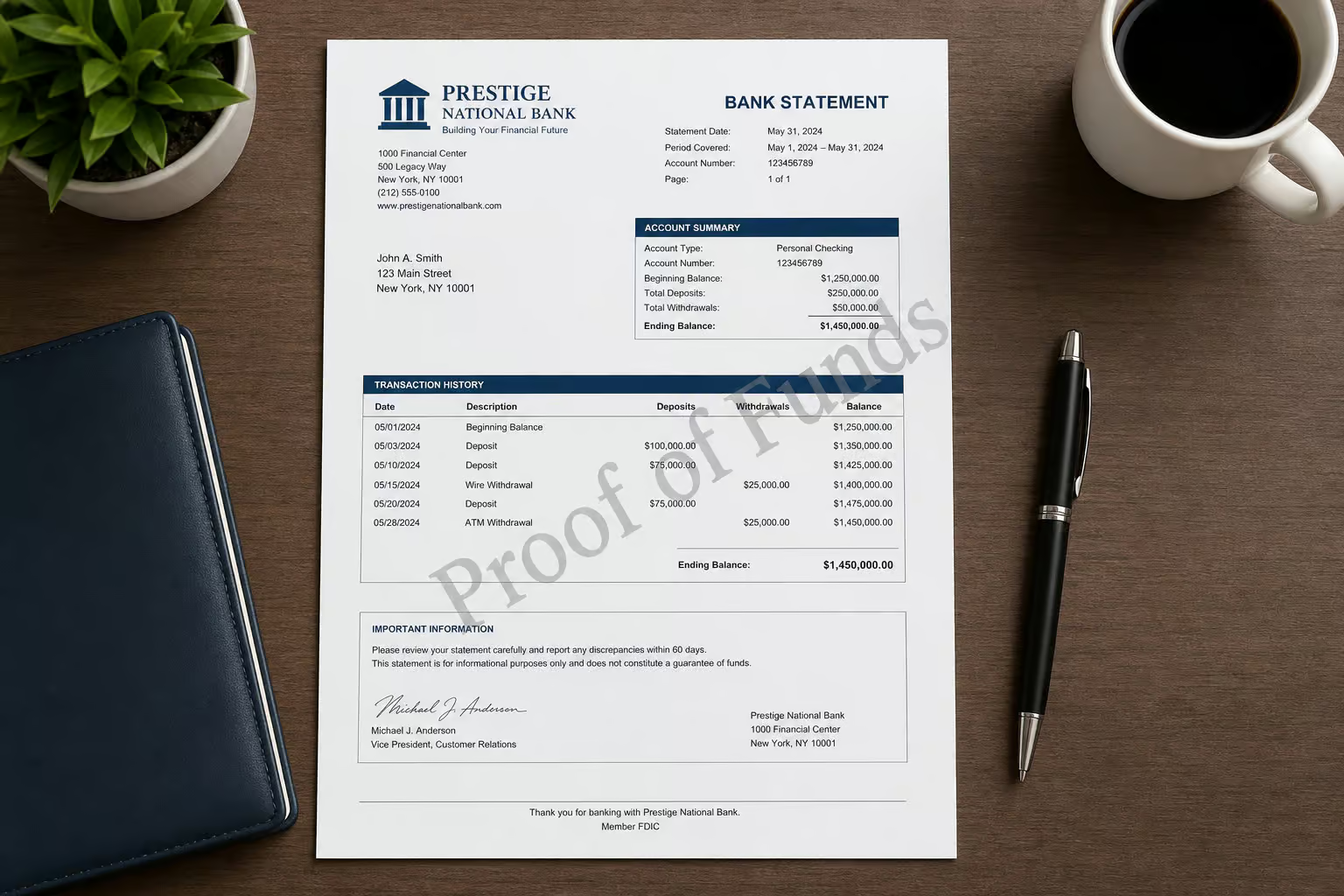
Proof of funds documentation should be recent (within 30 days) and show liquid assets that equal or exceed the purchase price plus closing costs. Ask for it before you accept the offer. An experienced cash buyer will hand it over immediately.
Red flags to watch for:
- Pressures you to skip the title company
- Won’t provide documentation
- Asks for upfront fees
- Funds are contingent on another sale (that’s not a cash buyer — that’s someone hoping to sell something else first)
Always use a title company. This is not the transaction to DIY. The buyer who called me three times in one day pressuring me to skip the title company and just wire the money? That’s the one you run from. A legitimate cash buyer has nothing to hide.
When a Financed Offer Actually Wins
Cash isn’t always better. Here’s when you should seriously consider the financed offer.
- You need maximum profit and have time to wait.
- The house is move-in ready and will pass FHA/VA standards.
- The buyer is well-prepared: full pre-approval, twenty percent down, strong employment history.
- The financed offer is $20,000 to $50,000 higher — that’s real money.
A well-prepared financed buyer can close in twenty-one to twenty-five days, narrowing the speed gap to about a week. If the price difference is substantial and your timeline isn’t urgent, the financed offer can be the better choice.

The 52% statistic proves it: more than half of sellers with a cash offer still chose a financed offer. This happens all the time, and it works out.
Tax Considerations – What Actually Changes?
Accepting a cash offer doesn’t change your capital gains tax. You owe capital gains on profit from the sale regardless of whether the buyer paid cash or got a loan. Single filers can exclude up to $250,000 in capital gains; joint filers up to $500,000, as long as you lived in the home as your primary residence for at least two of the past five years.
The real tax advantage of a cash sale shows up with 1031 exchanges. If you’re selling an investment property, you have 45 days to identify a replacement property to defer capital gains. A cash sale that closes in ten days gives you way more flexibility than a financed deal that takes forty-five. During a 1031 exchange, the 45-day identification period is a strict deadline — you must identify potential replacement properties within 45 days of closing the sale of your original property.
Talk to a CPA, but that’s the thing to ask about.
Making the Decision – A Seller’s Framework
Here’s the honest framework I wish I’d had when I was staring at two offers on our dining table.
Choose cash when:
- You’re on a timeline — job relocation, divorce, inheritance, or can’t handle the financial strain of two mortgages.
- The home needs repairs that would block financing — roof, foundation, electrical, peeling paint.
- You value certainty over maximum profit. The stress of a deal falling through is a real cost.
Choose financed when:
- You need maximum profit and have the time to wait.
- The home is move-in ready and the buyer is strong.
- You can handle three to six weeks of uncertainty and still sleep at night.
The final question: How much extra money makes the risk of failure worth it? For our family, a cash offer $15,000 lower than a financed offer at full asking was worth it because we were already paying two mortgages and our kids were asking every day when we were moving. That’s not a math problem. That’s a family problem.
You’re not being greedy if you take the cash offer. You’re not being foolish if you take the financed offer. You’re making a decision based on your family’s timeline and your need for certainty. That’s all anyone can do.
People Also Ask
Is it smart to purchase a home in cash?
It depends on your priorities. Cash purchases eliminate mortgage payments, closing delays, and financing contingencies, but they tie up a large amount of liquid capital that could otherwise be invested. For sellers, cash offers are attractive because they close in 7–14 days and are roughly four times more likely to succeed than financed offers.
Why is cash preferred when buying a house?
Cash is preferred because it removes the biggest risks in a real estate transaction: lender denials, appraisal gaps, and financing contingencies. Cash buyers can close in as little as two weeks, buy properties as-is without repair demands, and their offers fail far less often than financed ones.
Are cash offers better for sellers?
Cash offers are better when speed and certainty matter more than top dollar. They close faster, have fewer contingencies, and don’t require lender-ordered repairs. However, cash offers typically come in 3–12% below market value, so sellers who can wait and have a move-in ready home often net more from a well-qualified financed buyer.
How much less do cash buyers typically offer?
Cash offers usually price 3–12% below market value. On a $400,000 home, that’s a discount of $12,000 to $48,000. The tradeoff is that financed offers at full market value can net $20,000 to $50,000 more, but with higher risk of the deal falling through.
When should I choose a financed offer over a cash offer?
Choose a financed offer when the home is move-in ready, the buyer has full pre-approval with 20% down, and the price difference is $20,000 to $50,000 higher. More than half of sellers with a cash offer still choose a financed offer when they have time to wait and the house will pass lender standards.