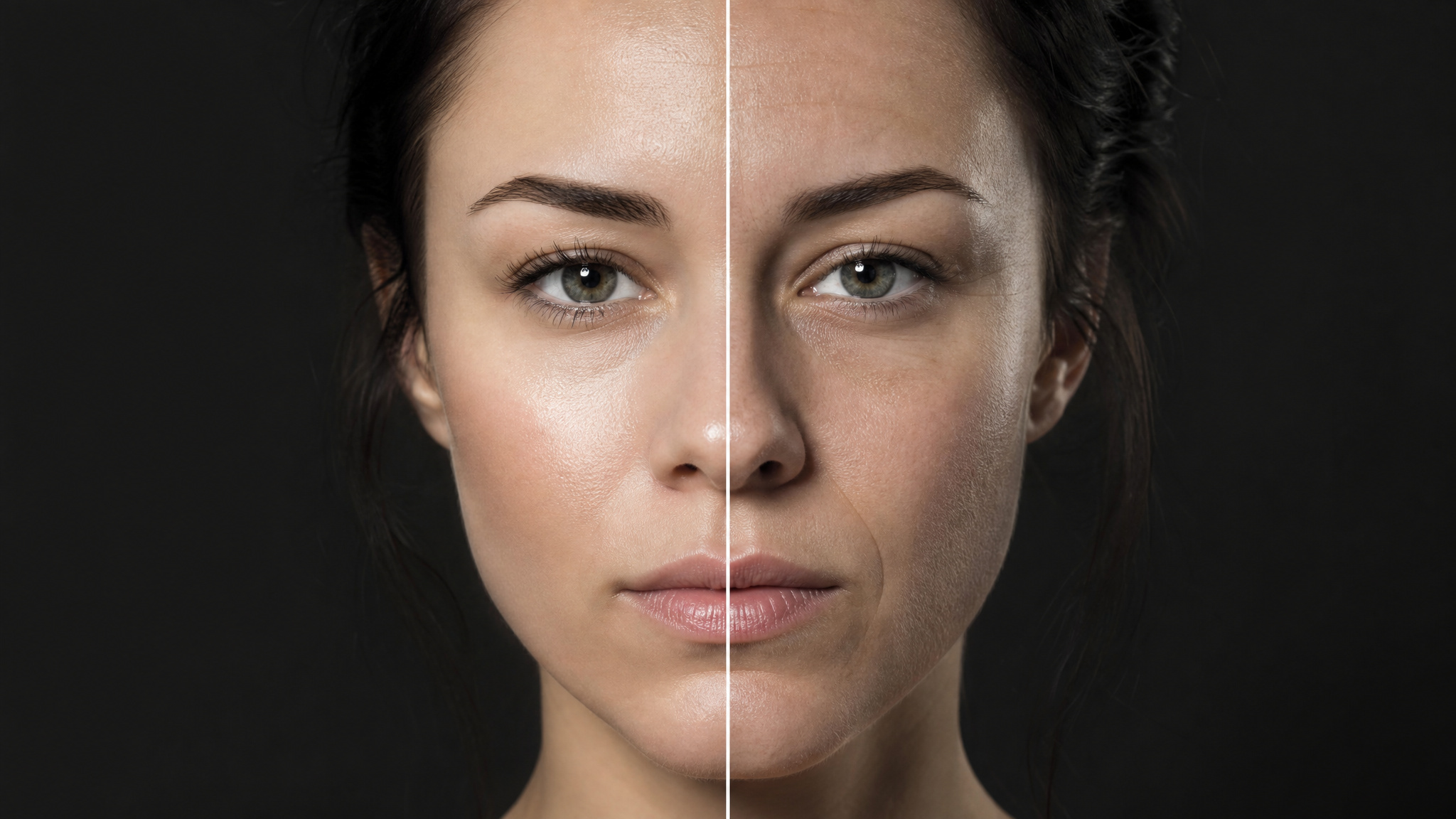
You know the scene. You’re at Sephora, helping your kid find a moisturizer that doesn’t cost more than your own, and a cluster of tweens is camped out by the skincare wall. They’re not looking at lip gloss. They’re comparing retinol percentages and debating whether they need a stronger formula. It’s surreal watching 12-year-olds shop for anti-aging products when the only wrinkles they’ve ever had are from the pillow creases they slept on wrong.
Then you open TikTok and the algorithm hits you with a stream of videos asking why Gen Z looks older than Millennials. Side-by-side photos of 25-year-olds next to 40-year-olds. Comment sections full of people panicking. It’s the kind of discourse that makes you want to put your phone down and take a nap, except you can’t because you’re already tired from the last discourse cycle.
Is Gen Z aging faster? Or is something else going on here?
Key Takeaways
Google Trends data shows “Why does Gen Z look older than Millennials?” and “Why is Gen Z aging faster?”
A Nature Medicine study found that people born in the 1990s show higher biological age scores than people born in the 1960s did at the same age, with each increase in biological aging linked to an 8% higher risk of cancer before age 55.
The biggest difference isn’t genetics. It’s stress, skincare habits, sun protection, and cosmetic procedures, and most of it is reversible.
Table of Contents
Where the “Gen Z aging faster” conversation came from
This didn’t start in a doctor’s office or a research lab. It started on TikTok, like most things that make us collectively anxious about our faces.
Jordan Howlett, a 26-year-old creator, posted a video in January that received over 24 million views. The core of his message: Millennials look younger for their age while Gen Z looks older for theirs. He blamed stress and economic hardship, and the internet lost its mind.
Google Trends backed it up. The report, which analyzed searches featuring Gen Z and Millennials, showed”Why does Gen Z look older than Millennials?” and “Why is Gen Z aging faster?” as top trending queries. Meanwhile, searches for “Why do Millennials look so young” jumped 1,140% in the past year. Young people are searching “Gen Z aging like milk” at high rates.
Here’s the age check. Gen Z is roughly 11 to 26, with the oldest just entering their late twenties. Millennials are roughly 27 to 42. That means we’re comparing people who are barely out of college to people who are deep into their thirties and forties. And the whole conversation is happening because the older group looks almost suspiciously good.
Looking older vs. aging faster (they’re different things)
Here’s the part that gets lost in the TikTok spiral: how old you look is not the same as how fast your body is aging.
Your chronological age is your birthday. Your biological age is how your body actually looks, feels, and functions. You can be 30 on paper and have a body that functions like someone older, or you can be 45 and have the health markers of someone a decade younger.
And this is where the research gets uncomfortable. A Nature Medicine study from researchers at Washington University School of Medicine analyzed health data from over 164,000 people in the UK and US. They found that people born in the 1990s had higher biological age scores than people born in the 1960s did at the same age. That’s not perception. That’s data.
The study linked increases in biological aging to an 8% higher risk of developing cancer before age 55. The markers they looked at included inflammation, metabolism, kidney function, and immune health. So this isn’t only about surface-level wrinkles. This is about what’s happening underneath.
But here’s the news the doomsday videos won’t show you: biological aging can slow down and even reverse. Exercise, healthy weight, not smoking, sleep, and a Mediterranean-style diet all move the needle in the right direction. Nothing is destiny.
Stress is aging Gen Z from the inside out
The TikTok discourse gets the stress factor right. This is the culprit.
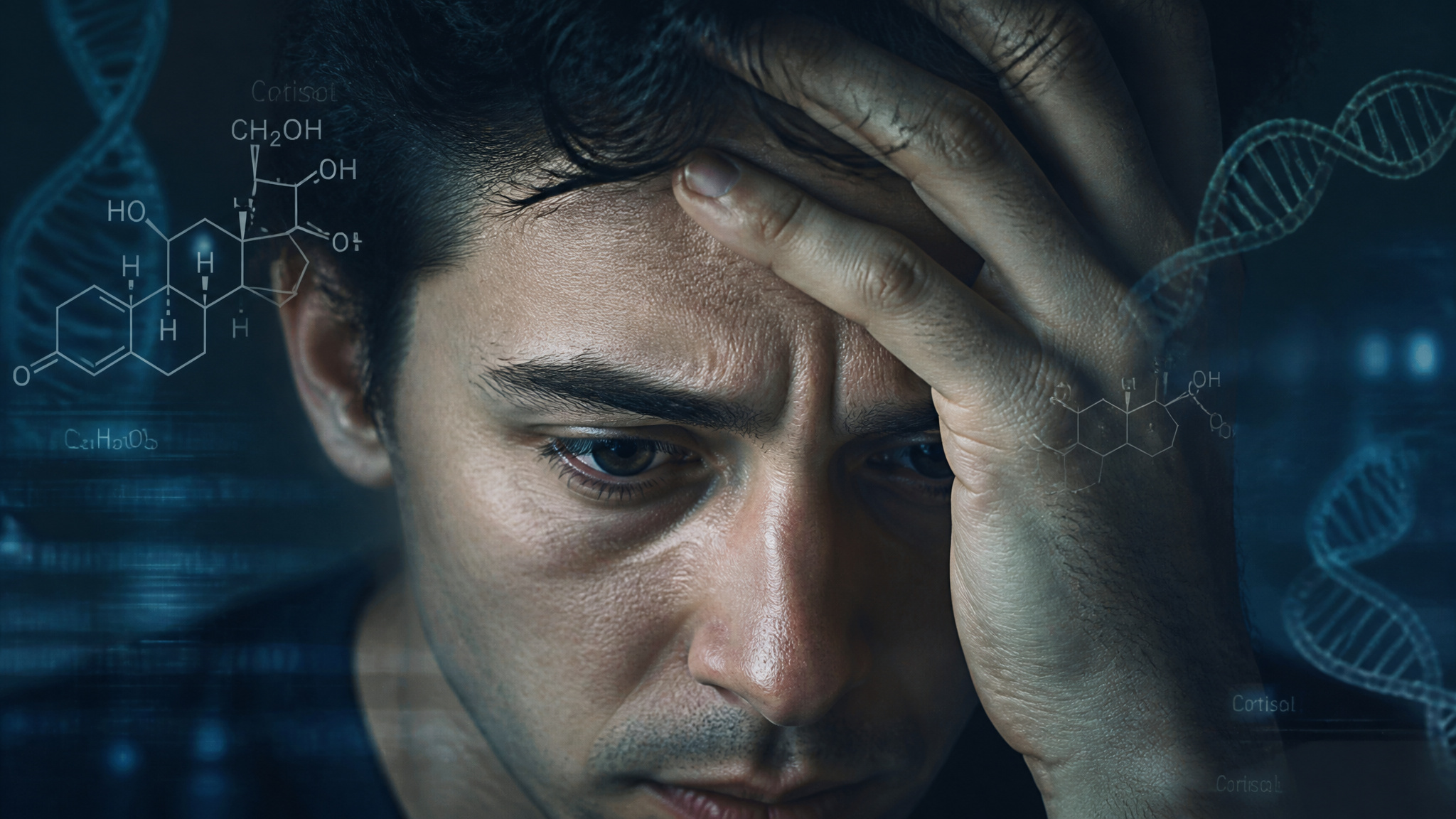
When you’re stressed, your body releases cortisol and adrenaline. That’s fine in short bursts, it’s the “run from the bear” response. But when stress goes on for too long, it causes prolonged inflammation that damages your cells and DNA. The little caps on your chromosomes, telomeres, shorten during stressful periods. Nobody has fully explained why your biology cares about your anxiety, but it does.
Emily Trampetti, an aesthetician and founder of Skin Property, said it plainly: chronic stress and mental health issues can age people “really, really quickly.”
The numbers back her up. A 2022 McKinsey Health Institute survey found that 32% of Gen Z reported poor mental, social, and spiritual health, compared to 23% of Millennials. Twenty-seven percent of Gen Z blamed social media specifically.
And it’s not only anecdotal. A 2015 study from the Journal of Experimental Psychology found that passive social media use, the mindless scrolling, can lead to declines in emotional well-being. Gen Z scrolls more passively than any generation before them. They’re absorbing a constant stream of filtered, perfect faces while comparing themselves to their own heavily edited selfies.
Some aging effects reverse when stress goes away. Even gray hairs can regain color once you’re out of the stressful situation. The body wants to repair itself. It just needs the chance.
The skincare paradox: trying to prevent aging is making it worse
Here’s the irony: Gen Z is the most skincare-obsessed generation we’ve seen, and it’s sometimes working against them.
Lots of young people are using retinoids, which are prescription-strength vitamin A derivatives. They can help with acne, blemishes, and scarring, which is why so many people start using them. But some Gen Zers are using them specifically for anti-aging, which doesn’t make sense in your twenties.
Dr. Marisa Garshick put it in an interview: using retinol for antiaging in young people has little value because they already have good skin. You already have good skin at that age. You don’t need to be preemptively fighting wrinkles that haven’t arrived yet.
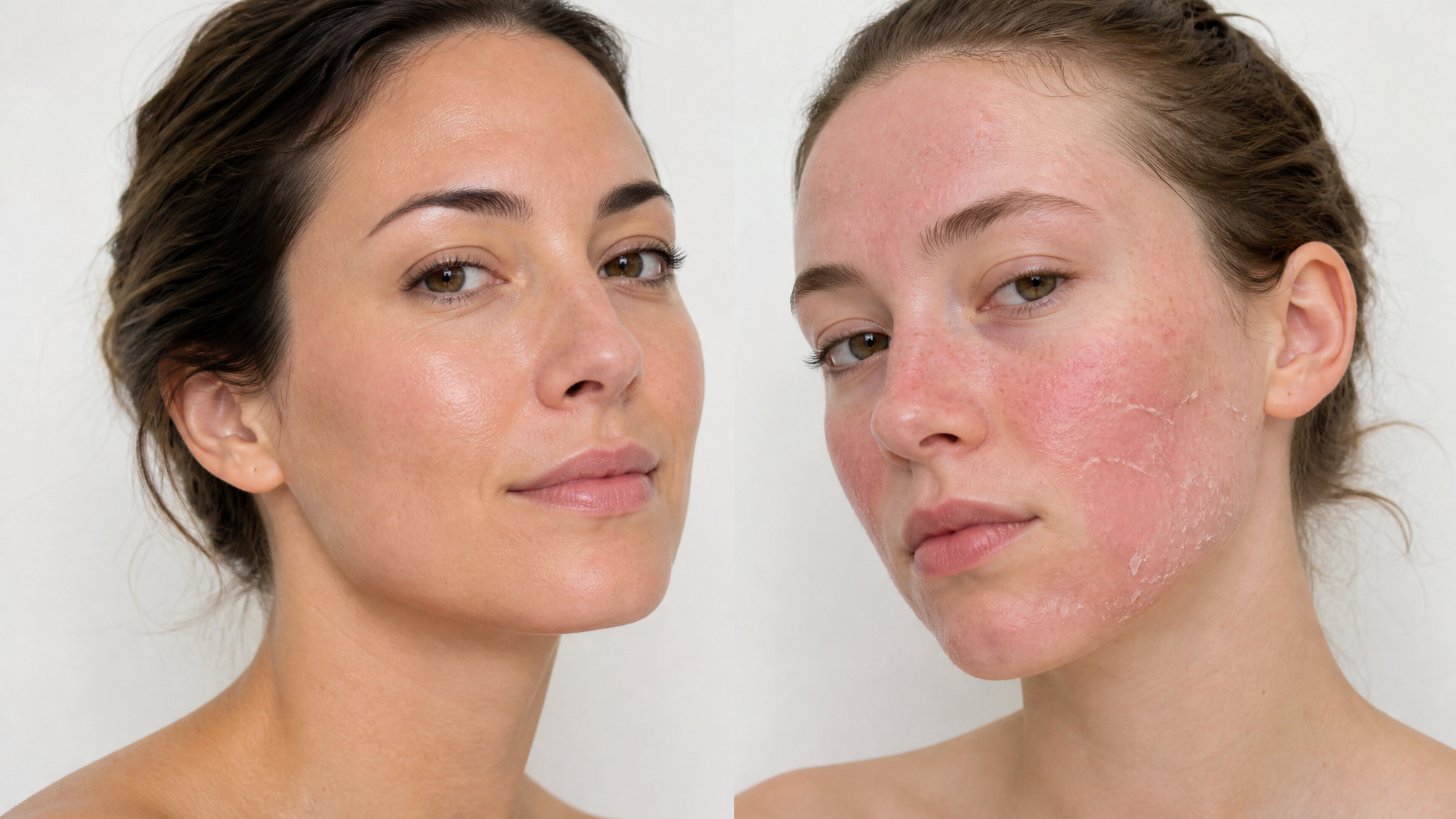
The issue is the side effects. Retinoids can dry out and irritate your skin, disrupting your skin barrier. Over-exfoliation from using too many active products at once creates irritation and inflammation that makes skin look worse, potentially older, in the short term.
Dr. Dan Belkin says overusing retinol can cause redness, peeling, or perioral dermatitis, that annoying rash around the mouth, but it does not accelerate aging. It won’t permanently accelerate aging, but it will make you look rough while you’re doing it.
The trap makes sense. Gen Z grew up watching influencers with glass skin and learned that more products equal better results. They didn’t get the memo that the women with the best skin often use the fewest products, and that most of the glass skin look involves professional-grade lighting and a good filter.
Why Millennials actually look younger (it’s not just genetics)
The answer to the debate: Millennials look younger because they’ve been using cosmetic procedures strategically. This isn’t genetics. It’s maintenance, though science also highlights factors like improved nutrition, lower smoking rates, better skincare, and delayed puberty to explain why do we look so much younger now.
Dr. Dan Belkin, who has been in practice for years, summed it up: “Millennials happen to look good because of the way that Millennials have adopted injectables.”
The data matches. American Society of Plastic Surgery 2023 numbers show Millennials had a 9% increase in hyaluronic acid fillers, the highest of any age group, plus an 8% increase in non-HA options like Radiesse, Sculptra, and Bellafill. Botox and other neuromodulators are the most popular injectables overall.
The difference is intent. HA fillers like Juvederm, Voluma, and Restylane last 6 to 18 months and are dissolvable. Non-HA fillers are semipermanent and can’t be dissolved. Millennials use them for maintenance and volume replacement, addressing the age-related changes that happen naturally when you get older.
Gen Z is using them differently. About 140,000 cosmetic procedures were done on Gen Zers last year, compared to 1.7 million on Millennials. Gen Z procedures are up 8% year over year, but the approach is different: filler for reshaping, not restoration. Cheek pops.
Lip enhancement. Chin sharpening. These are enhancements meant to change your face, not restore what time has taken.
Courtney Rubin, a dermatologist and co-founder of Fig.1, noticed the shift. She’s seeing clients come in for filler in their twenties, which didn’t happen when she started. She says filler works great when you’re replacing volume you’ve lost over time, but in your twenties you haven’t lost any yet. Using it before you need it risks looking wrong.
And overdoing it backfires. Overfilled filler can migrate and create that exhausted look. Everyone’s seen the photos of Kylie Jenner after the Jean Paul Gaultier show, with people speculating about migrating filler. A TikTok from @doctor.devine explaining “overfilled teardrop filler” and festooning, a sign of older age, got over 3.5 million views. Using too much too young can make you look older, and you can’t dissolve the semipermanent stuff.
The sunscreen generation gap
This might be the simplest explanation for why Millennials look younger, and it starts with a song.
Baz Luhrmann’s “Everybody’s Free (To Wear Sunscreen)” was a surprise hit in 1999. Millennials were young and impressionable, and the message was everywhere. Combined with public health campaigns about skin cancer in the 1990s, Millennials got the message early. They heard about early detection and physician examination. They listened.
Dr. Anthony Rossi says Millennials applied sunscreen diligently and correctly, putting it on before going out and reapplying as needed. Dr. Danilo C. Del Campo, a dermatologist at Chicago Skin Clinic, says sunscreen is part of their everyday routine, not something they pack for vacation. As Millennials moved into their thirties and forties, they added antioxidants and retinoids. They hydrate with their emotional support water bottles. They choose spray tans over sunbeds.
The older generations used baby oil with iodine and sun reflectors. Gen Z is getting the opposite message.
The anti-sunscreen movement on TikTok exists. Kristin Cavallari dismissed everyday sunscreen use and promoted developing a “base coat” through incremental sun exposure. Tanning beds are having a resurgence on TikTok. A 2023 American Academy of Dermatology survey found that 20% of Gen Z believes being tan is more important than protecting against skin cancer. Thirty percent would rather look great today with a tan even if it means looking worse later.
Sunscreen protects against squamous cell carcinoma, basal cell carcinoma, and melanoma. At least one in five Americans will develop skin cancer by age 70. There’s no such thing as a safe tan. Any redness means DNA damage.
Shamara Bondaroff, an esthetician and founder of SB Skin NYC and Miami, says expert messaging about sun protection was stronger in the past because social media didn’t drown it out. She’s right. When you Google “is sunscreen safe” now, you get more opinions from unqualified influencers than from dermatologists, and powerful images of people wearing sun protection on half their face influenced aging perception for decades.
Vaping, drinking, and the other lifestyle stuff
Let’s talk about the behaviors that are doing the damage.
Vaping is the new smoking, at least as far as your skin is concerned. The nicotine and chemicals in vapes, including diacetyl, nickel, lead, and volatile organic compounds, break down collagen. That leads to lines around the lips and puffiness around the eyes. The CDC says 20% of middle and high school students have tried vaping. That’s a lot of young skin being exposed to collagen breakdown before age 18.
The drinking story is more complicated. There’s a narrative that Gen Z is the sober generation, but the data tells a different story. IWSR data shows 74% of Gen Z have had a drink in the past six months, up from 66% three years ago. They drink less volume than Millennials but buy higher-end, stronger drinks.
The “two instead of five” tradeoff. So they’re not drinking more, but they’re not the teetotalers the media makes them out to be.
Then there’s the exercise variable. A sedentary lifestyle accelerates biological aging. One study found that low physical activity, less than 40 minutes of exercise combined with sitting for more than 10 hours a day, created an 8-year biological age gap in women. Water, fruits, vegetables, and lean protein slow aging.
Fats, sugars, and alcohol accelerate it. It’s not exciting advice, but it’s the truth.
The counter-narrative: Millennials redefined aging
Here’s the other way to read this: Millennials haven’t unlocked a secret to eternal youth. They’ve aged differently than any generation before them.
Think about the pop culture examples. Nicola Coughlan is 37 and plays 19-year-old Penelope Featherington in Bridgerton. People born in 1993 are the same age George Costanza was in Seinfeld, and they look a full decade younger. Society’s idea of what a 30- or 40-year-old looks like has changed.
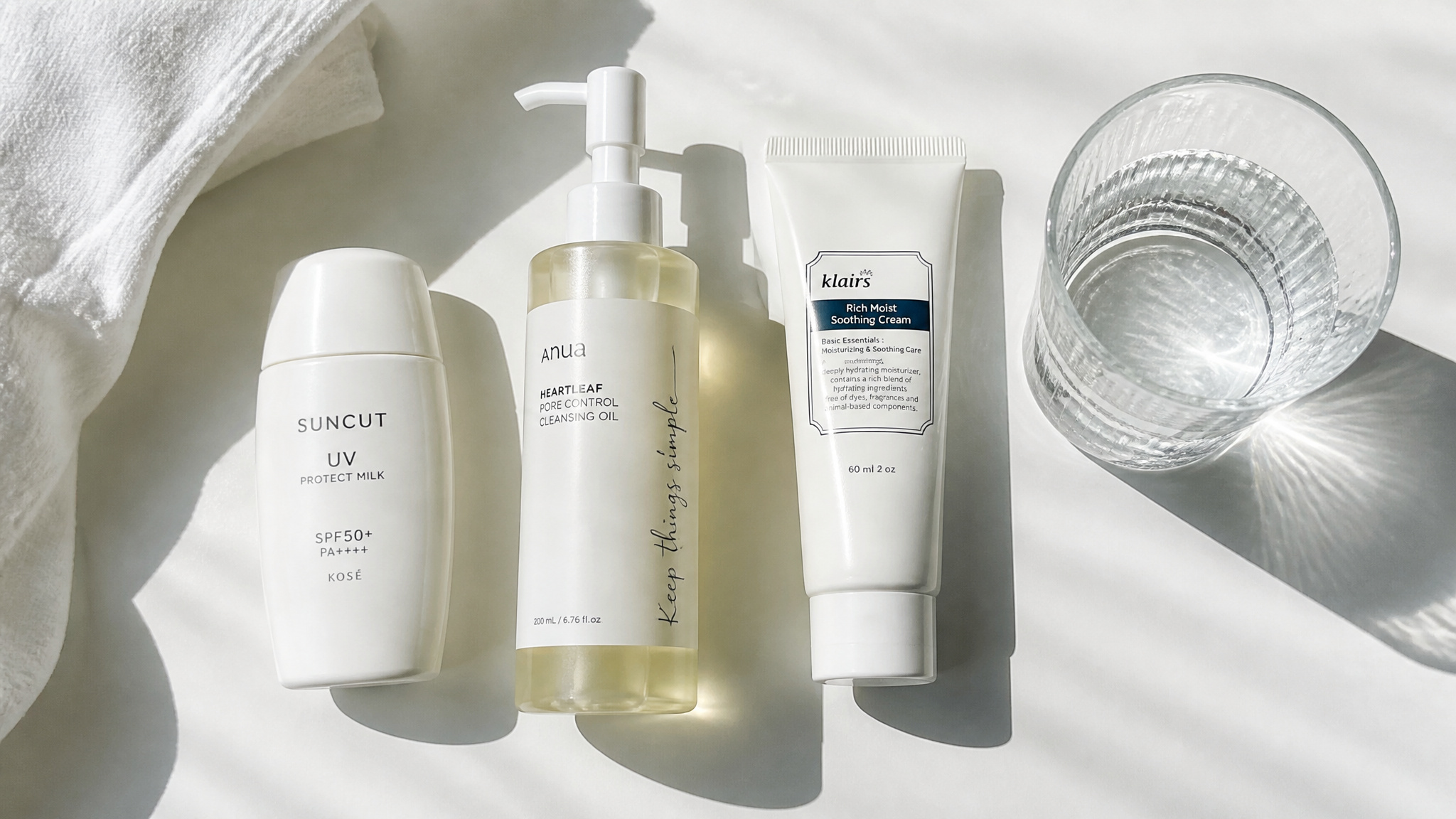
Millennials have comprehensive skincare routines: cleansing, treating, moisturizing, hydrating, protecting. They use tweakments like filler and Botox to slow visible aging. They grew up when experts doled out advice, not influencers, so they trusted the experts.
Dr. Belkin’s read is that Millennials look good because of how they adopted injectables. Millennials use them for maintenance and volume replacement, not enhancement. They’re trying to look like themselves, just a more rested version.
Gen Z’s problem is that they’re comparing themselves to filtered versions of themselves. Snapchat filters and FaceTune normalize unrealistic beauty standards. A 2020 survey found that 72% of cosmetic surgeons saw patients who wanted to look better in selfies. When you’re used to seeing yourself with smoother skin and bigger eyes, your actual reflection starts to look wrong. A TikTok trend isn’t going to fix that.
What actually helps (the boring stuff works)
The news is that none of this is destiny. Most aging indicators are based on modifiable lifestyle factors. Gen Z has time to reverse the trends.
Start with the simple stuff. Hold off on Botox, fillers, and retinol until you’re older. If you’re using them for acne, that’s different. If you’re using them for anti-aging in your twenties, you’re treating a problem that doesn’t exist yet.
Quit vaping. This is the single most controllable factor in the younger generation’s premature aging. The collagen damage from nicotine is immediate.
Limit alcohol. You don’t have to give it up entirely, but your skin will notice the difference.
Manage stress. Exercise, sleep, hydration, and diet all matter. Even small changes like taking the stairs help. Eat Mediterranean-style.
Keep a healthy weight, don’t smoke, and get enough sleep.
And wear sunscreen every day, not only at the beach. It’s the single most impactful anti-aging move anyone can make, and it’s the one thing every dermatologist agrees on.
No filter can undo sun damage. No retinol can reverse it completely.
Gen Z is the first generation to score lower on standardized tests than the ones before them, and they’re spending more than half their waking hours on screens. They’re also the generation most likely to compare themselves to filtered versions of themselves and feel like they’re losing.
The anti-aging secret nobody wants to hear isn’t a miracle cream or a 12-step routine. It’s getting off the internet, sleeping eight hours, wearing SPF, and being kinder to yourself about what you see in the mirror.
The best thing any generation can do is age on their own terms, with less comparison and more sunscreen. And maybe, the next time you’re at Sephora, grab that retinol and give it to a friend your own age. The tweens can wait their turn. They’ve got time.
Frequently Asked Questions
Which generation is aging slowest?
Millennials are currently aging slowest in terms of visible appearance, largely due to consistent sunscreen use, strategic cosmetic procedures like fillers and Botox, and comprehensive skincare routines. They adopted sun protection early and use injectables for maintenance rather than enhancement, which helps them look younger than previous generations at the same age.
Is Gen Z actually aging faster?
Yes, there’s data suggesting Gen Z may be aging faster biologically. A Nature Medicine study found that people born in the 1990s had higher biological age scores than those born in the 1960s at the same age. This is linked to chronic stress, poor lifestyle habits like vaping, and overuse of skincare products that damage the skin barrier.
Which generation looks younger?
Millennials look younger than Gen Z at the same age, according to the viral TikTok discourse and Google Trends data. This is largely because Millennials grew up with strong sun protection messaging, use cosmetic procedures for maintenance, and have consistent skincare routines. Gen Z, meanwhile, is more likely to use filler for reshaping and over-exfoliate, which can make them look older.
What’s the difference between looking older and aging faster?
Looking older is about appearance, while aging faster refers to biological age—how your body actually functions. You can look older due to skincare habits or stress, but your biological age is measured by markers like inflammation, metabolism, and immune health. The good news is that biological aging can slow down or even reverse with lifestyle changes like exercise, sleep, and a healthy diet.