
I remember the moment I realized my kid was absorbing more than just my words. We were in the car, I muttered something under my breath about a driver cutting me off, and from the backseat came a perfect echo of my tone. It hit me: we are the primary source.
The family is recognized as the unit of society, playing a role in the socialization and development of children—the first place kids learn how to be people. But a 2024 study published in Heliyon threw cold water on that ideal. It measured how well families actually transmit values, and the score came back at 61.97%. Moderately effective.
How do sociologists measure the value of family? And if we’re scoring a 62%, what’s going wrong?
Key Takeaways
Families are a universal social institution—sociologist George Murdock found them in all 250 societies he studied—but a 2024 study shows they’re only moderately effective (61.97%) at passing down social values like volunteering and generosity to kids.
The #1 barrier to kids learning these values isn’t social media or bad peers—it’s family conflict. Nearly half of children surveyed (48.3%) said arguments at home directly prevented them from helping others.
A child’s awareness of values varies significantly by their parents’ education level and the family’s cultural level, meaning value transmission is deeply tied to social inequality, not just good intentions.
Table of Contents
What Is a Family? The Sociological Definition
In 1949, George Murdock studied 250 societies and found that every single one had some form of family. He defined it as a social group characterized by common residence, economic cooperation, and reproduction—including adults of both sexes maintaining a socially approved sexual relationship and one or more children, own or adopted.
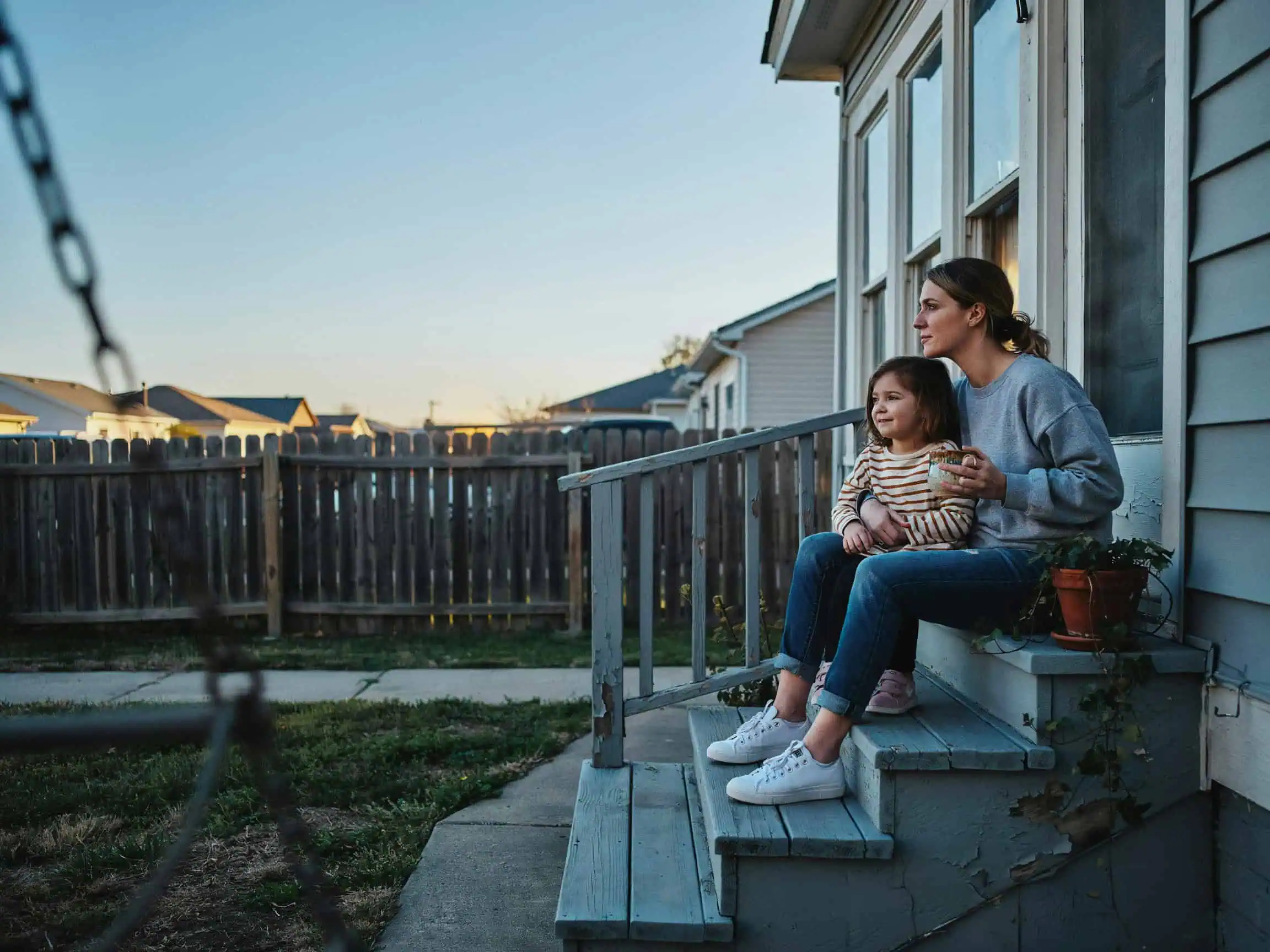
That’s the textbook version. But families today look a lot different than they did in 1949.
The classical definition assumes a mom and a dad, which leaves out single parents by choice or circumstance and same-sex couples—27% of whom are raising kids in the U.S. Cross-culturally, the variations get even wider. Among some Navajo traditions, spouses don’t live together. The Masai practice polyandry. The Banaro have rituals that look nothing like a standard Western marriage. And the Shakers rejected sex entirely.
So if the structure changes so much, what stays the same? The function. The family provides the foundation for a child’s life, producing social identity. It hands down class, race, ethnicity, and religion at birth.
Your kid gets their starting point in life from you. Some statuses, like nationality or religion, can change later. Others are permanent. That’s a responsibility, and it shapes your child’s life chances before they can talk.
What Does the Family Do? Four Core Sociological Functions
Sociologists say the family does four essential jobs for society.
Socialization. This is the big one. The family is the primary agent for teaching norms, language, and values. Primary socialization—the first and most important phase of learning—happens at home. Childhood is a period that shapes a person’s personality, values, and moral principles, with lasting effects on their future stages of life.

Emotional and Practical Support. Ideally, the family is the safety net. Food, shelter, love, comfort, a place you can fall apart and someone helps you put the pieces back together.
Regulation of Sexual Activity and Reproduction. Every society has rules about who can be with whom. The incest taboo is universal—it minimizes conflict inside the home and forces families to connect with other families, strengthening the broader social fabric.
Social Identity and Status. Your kid inherits your social class, race, ethnicity, and religion. That affects everything—their opportunities, their challenges, their starting point in life. This function also reinforces society’s stratification system, for better or worse.
Sociological Theories on the Family’s Value
So what’s a family actually for? It depends on the lens you look through.
Functionalism sees the family as the cornerstone of social stability. It passes down norms, beliefs, and roles across generations. In the 1950s, textbooks argued that the male breadwinner, female homemaker nuclear family was the only right way. We’ve loosened up since then, but the core idea remains: families do the work of creating functional adults who keep society running smoothly.

Conflict theory pushes back hard. From this angle, the family reinforces inequality. Wealth gets passed down—or debt, or poverty. The family became more patriarchal during industrialization, keeping men at the top.
And it can be a source of physical violence and emotional cruelty. The study’s finding that 48% of kids cite family disputes as the top barrier to helping others? That’s conflict theory in life.
Symbolic interactionism zooms in on the daily moments. How do families create meaning through dinner conversations, holiday traditions, or even arguments? A classic 1964 study by Komarovsky found that in blue-collar marriages, wives wanted to talk through problems while husbands went quiet. That communication gap shapes what kids learn about relationships and conflict.
Social-exchange theory treats relationships like cost-benefit analyses. People try to maximize rewards and minimize costs. When the costs get too high, they look for alternatives. Critics say it misses the messy, subjective experience of love, but it does explain why dissatisfaction can pull families apart.
How Families Transmit Values: A Deliberate Process
Values transmission is a deliberate process.
Social values have three components that work in sequence. First, the cognitive piece—knowing what the value means. Then the emotional piece—feeling that it matters. Finally, the behavioral piece—actually acting on it. Thinking leads to feeling, and feeling leads to doing.
Parents are the primary teachers. The study found that 99.2% of kids agreed that helping others is a religious duty—so the cognitive piece is landing. But only 2.95% agreed that they actively seek out the needs of poor families. That’s a massive gap between knowing and doing.
The study points to several methods that work: proper family upbringing (parents as primary teachers), persuasion with evidence (explain why, don’t command), integrated educational systems, media that prioritize values, religious education, and good role models—because kids learn more from what they see than what they’re told, as seen in real-life family values examples from everyday parenting moments.
The Empirical Evidence: How Well Do Families Actually Transmit Values?
The 2024 study published in Heliyon surveyed 174 children ages 6 to 14 at three international schools in Ajman, UAE. Researchers used a validated questionnaire with 45 phrases—30 on the family’s role and 15 on difficulties—and analyzed the results statistically.
The family’s role in instilling social values scored a weighted relative weight of 61.97%. Moderate. Not failing, but not a gold star either.
The difficulties children face scored similarly: 61.58%. Moderate again. But the specifics tell a much more interesting story.
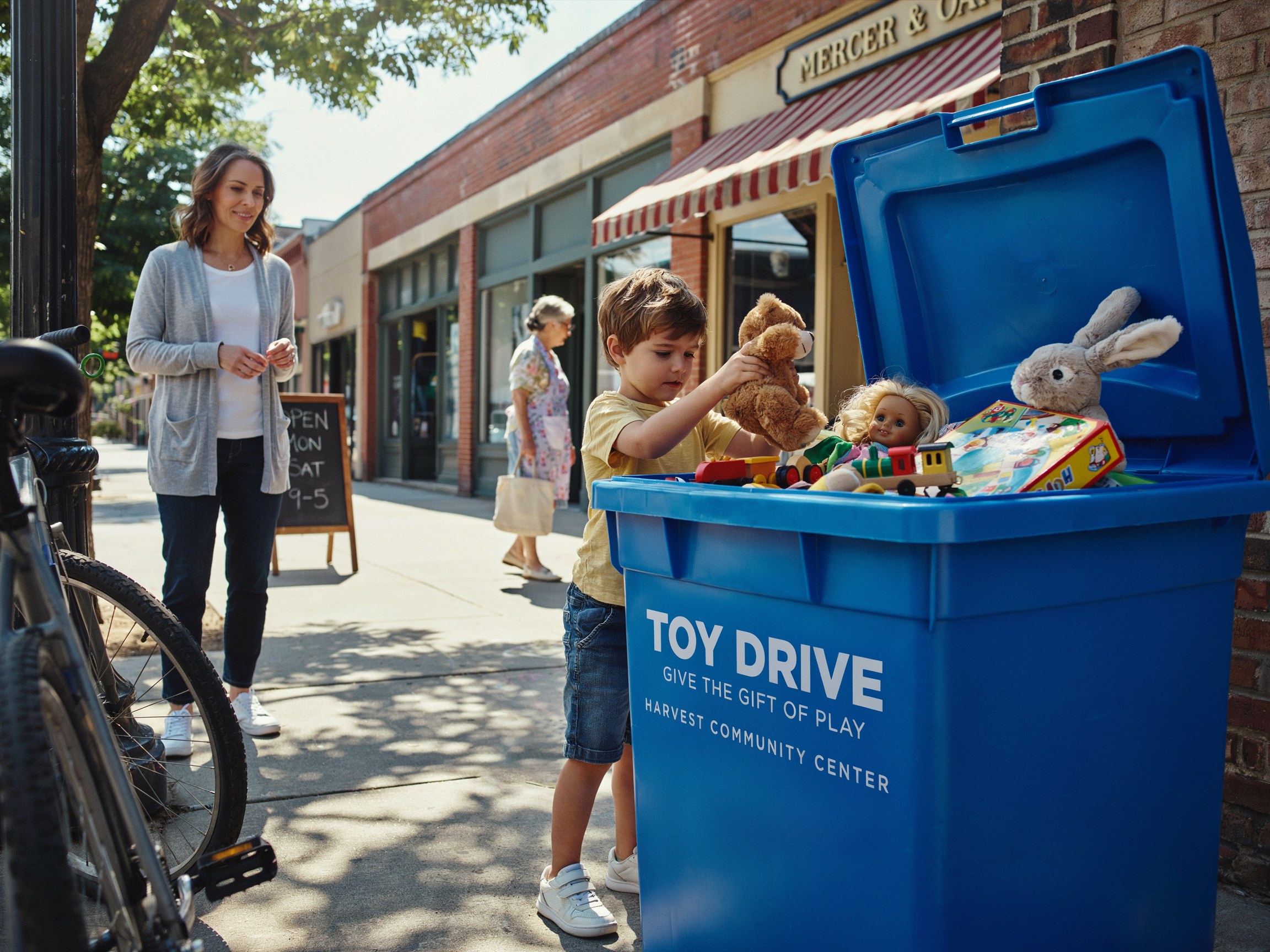
Highest agreement item: Religious duty to help others—99.2% of kids agreed. Lowest agreement item: Seeking to know poor families’ needs—2.95% agreed.
Qualitative responses showed that kids are hearing specific teachings from their families: donate to NGOs, volunteer, take care of orphans and the elderly. The awareness is there. The execution is the bottleneck.
The study also found statistically significant differences in children’s awareness of values based on gender (F=4.76), age (F=3.95), educational stage (F=6.60), parents’ educational level (F=4.08), and family cultural level (F=5.46). All significant at p<0.05—indicating these are not random patterns. They’re differences in how well kids absorb values.
Why Value Transmission Sometimes Fails: Barriers Within the Family
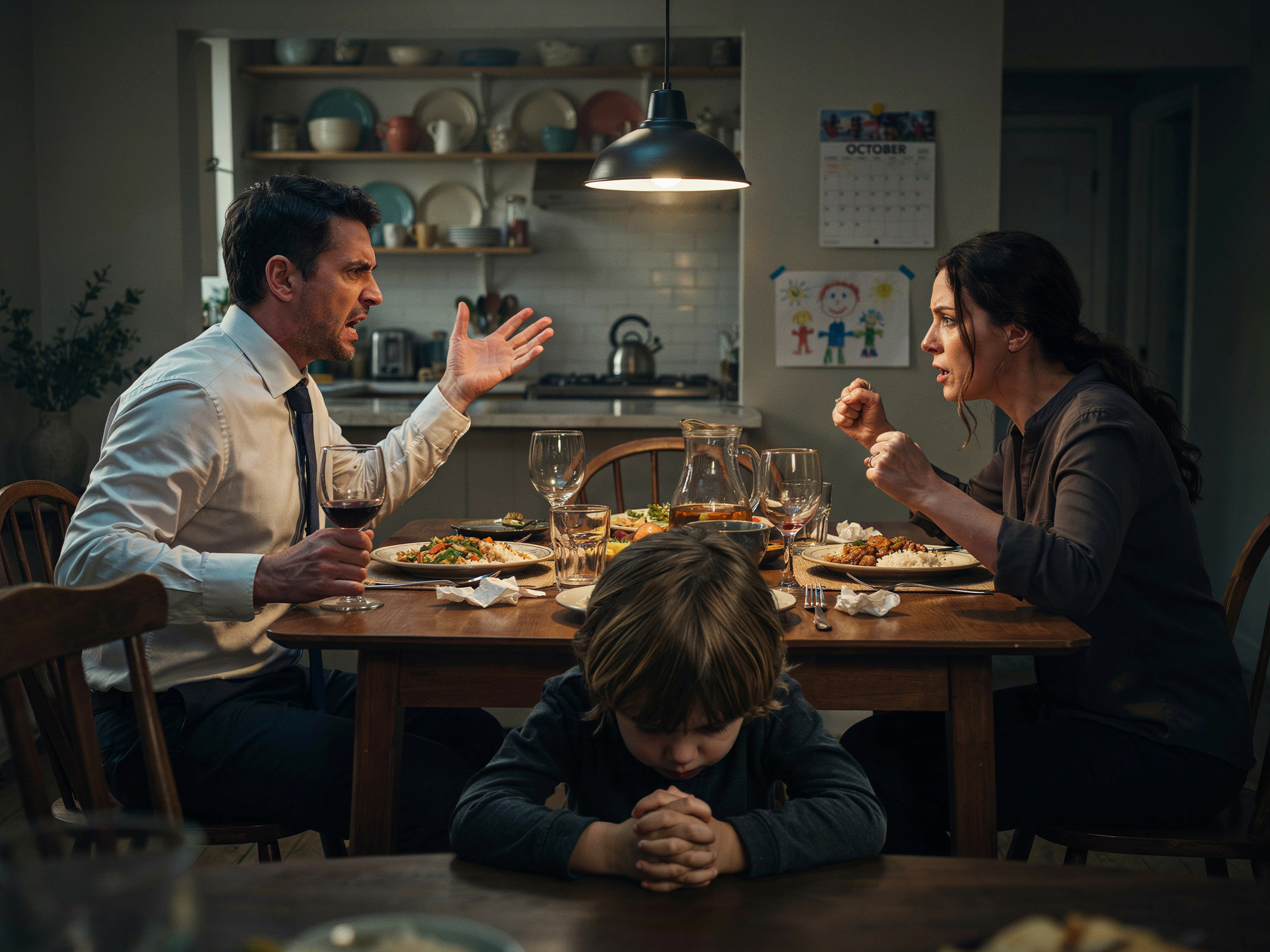
Family conflict is the top barrier—48.3% of kids agreed that family disputes prevent them from volunteering. When parents fight a lot, kids don’t get the chance to practice helping others. The chaos at home crowds out space for prosocial development.
Lack of explanation comes next at 36.8%. Parents often say “volunteering is good” but don’t explain how to do it. Kids need procedural knowledge, not just moral encouragement. They need to know where to go, what to say, and who to contact.
Active discouragement is real. Some families teach that volunteering is a waste of time and harms studies (15.5%). Others say protecting vulnerable groups is the state’s job, not the individual’s (21.8%). These aren’t passive failures—they’re active counter-messages that shape a child’s moral compass.
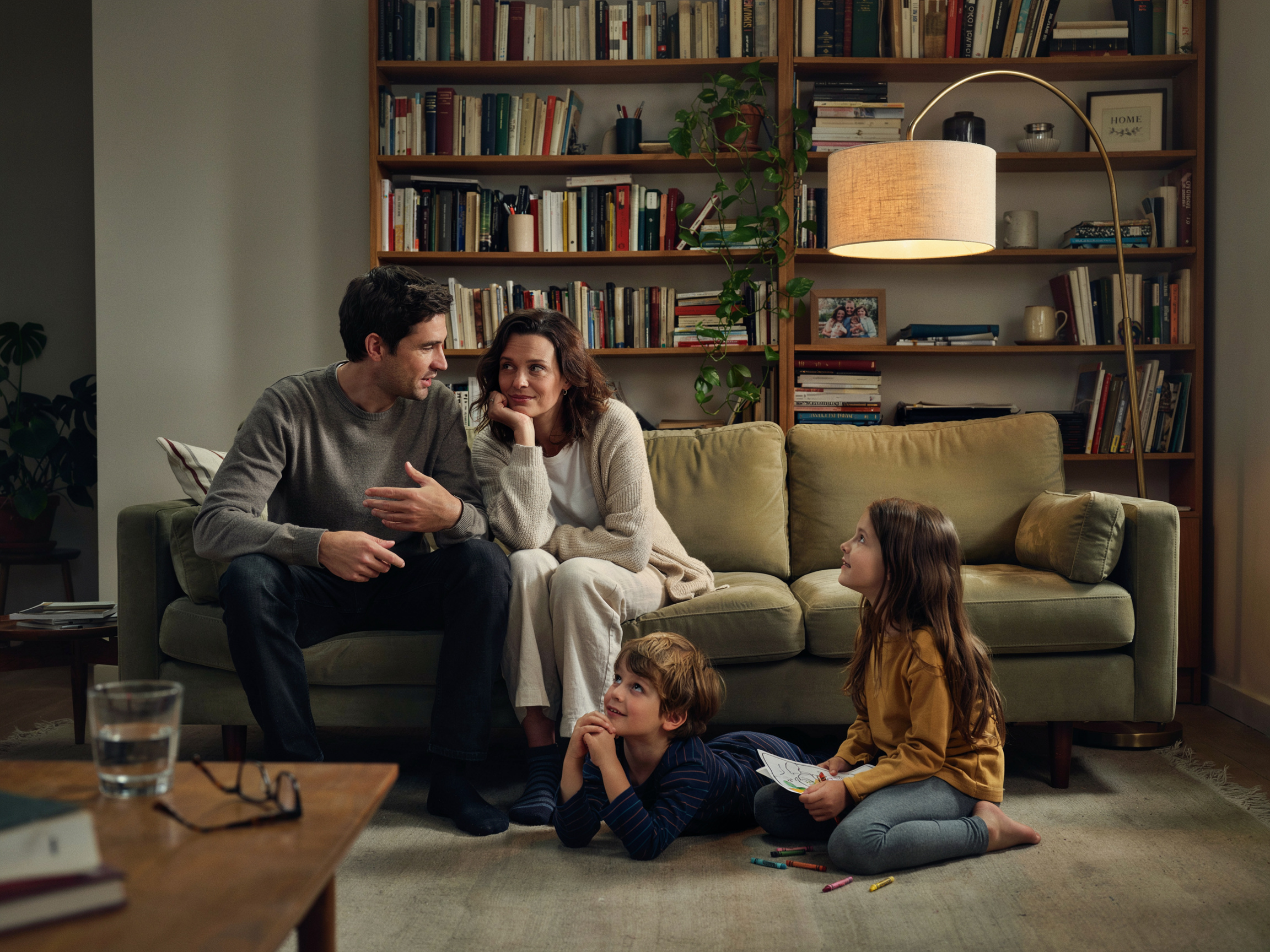
Broader societal factors compound the problem: weak religious scruples, social media promoting comparison and negativity, media spreading extremist ideas, rapid life development that prioritizes individual over collective, and bad peer influence.
What Can Be Done? Practical Recommendations
The study points to what works.
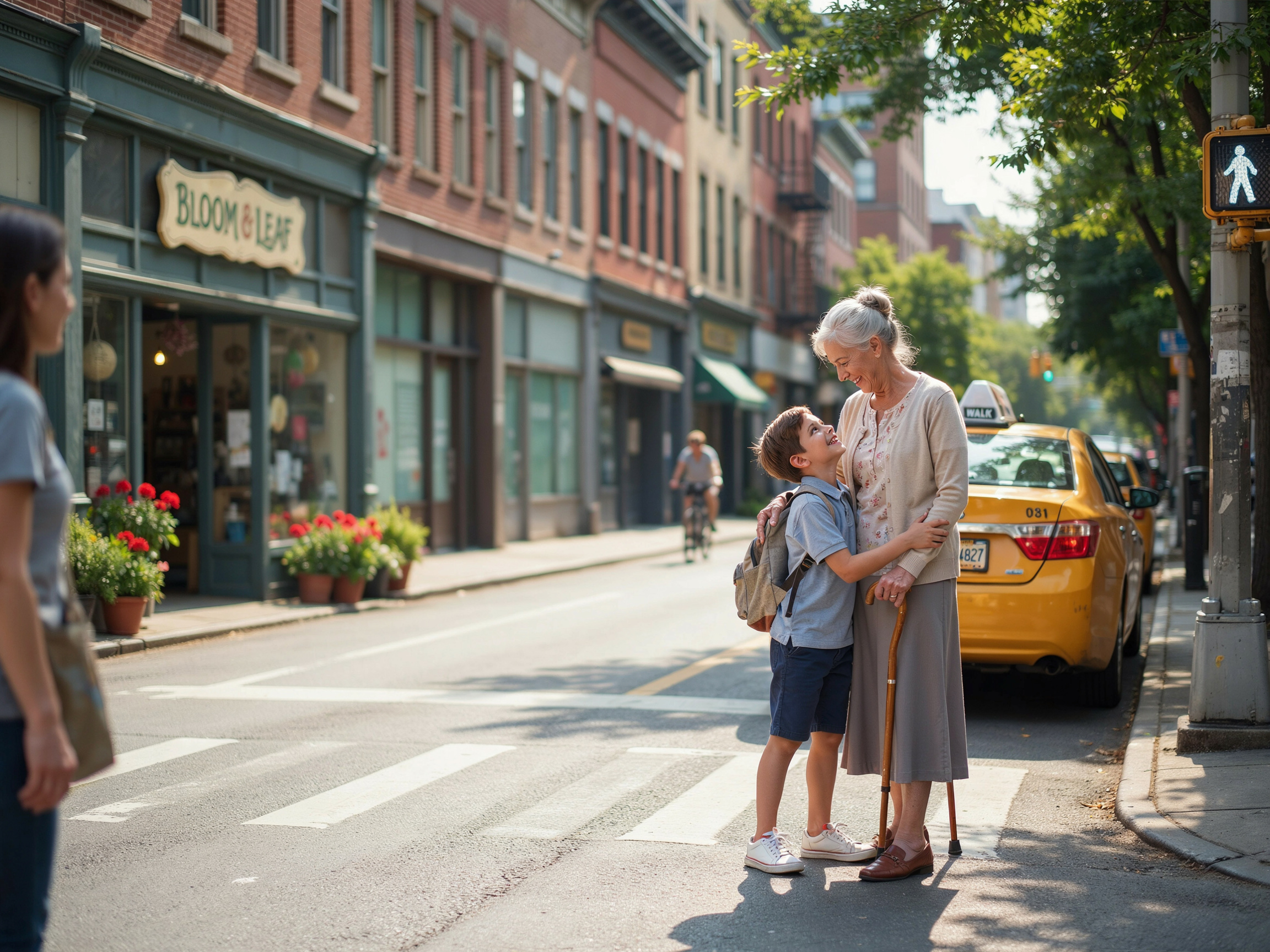
Field visits to vulnerable groups. This was the number one recommendation, and it’s specific. Not abstract moralizing—structured contact with orphans and the elderly. This bridges the gap between knowing and doing. It builds empathy and social responsibility through experience.
Explicit parental guidance. Don’t say “volunteering is important.” Explain how to participate. Close that 36.8% gap by showing your kid the sign-up sheet, driving them to the shelter, and walking them through what to say.
Reduce family conflict. This is the prerequisite. You can’t build a culture of giving on top of chaos. It’s not about avoiding all conflict—every family fights. It’s about managing it so it doesn’t crowd out your kid’s prosocial development.
Address class-based gaps. The study shows that parents with lower education levels need support in communicating the value of service. Schools and community programs can help bridge that gap. Higher education doesn’t just mean more money—it often means access to networks, exposure to social norms, and time to explain them.
Conclusion
The family is recognized as the unit of society, playing a role in the socialization and development of children, providing support and stability. Even as structures change, the core functions remain. Each theoretical perspective captures a real dimension: functionalism shows why society needs families, conflict theory shows how families reproduce inequality, and symbolic interactionism shows how families create meaning through daily moments.
Families are moderately effective at transmitting values—61.97%. Effectiveness varies by demographic factors. The barrier is family conflict, not external influences.
The takeaway for parents, educators, and policymakers: the family’s value requires active cultivation. It’s not something you can assume will happen. But the research also shows what works—field visits, explicit guidance, reducing conflict, and addressing class-based gaps.
That 62% is a starting point.
Frequently Asked Questions
What is the significance of family in sociology?
The family is significant because it performs four core functions: primary socialization, emotional and practical support, regulation of sexual activity and reproduction, and assignment of social identity and status. Sociologists study it to understand how inequality is reproduced across generations and how cultural norms are passed down. The family is the first and most influential environment where a child learns how to be a person.
What are the values of the family?
Families are expected to transmit social values like helping others, volunteering, generosity, and religious duty. A 2024 study found that while 99% of kids understood that helping others is a religious obligation, only about 3% actively sought out the needs of poor families—showing a massive gap between knowing a value and acting on it. The values themselves are clear; the execution is where families struggle.
Why does family conflict block kids from learning values?
Nearly half of children surveyed—48.3%—said family disputes directly prevented them from helping others. When there’s chaos at home, it crowds out the emotional and mental space kids need to practice prosocial behaviors like volunteering. You can’t build a culture of giving on top of constant conflict; managing disagreements so they don’t dominate family life is a prerequisite for value transmission.
Can a single-parent or same-sex family transmit values as effectively?
The sociological definition of family has expanded beyond the 1949 model of a mom, dad, and kids—27% of same-sex couples in the U.S. are raising children, and single-parent families are common. The research on value transmission focuses on family function, not structure: what matters is whether parents actively teach values, reduce conflict, and provide guided experiences. The effectiveness score of 62% applies across family types, with variation tied more to education level and cultural context than to who the parents are.