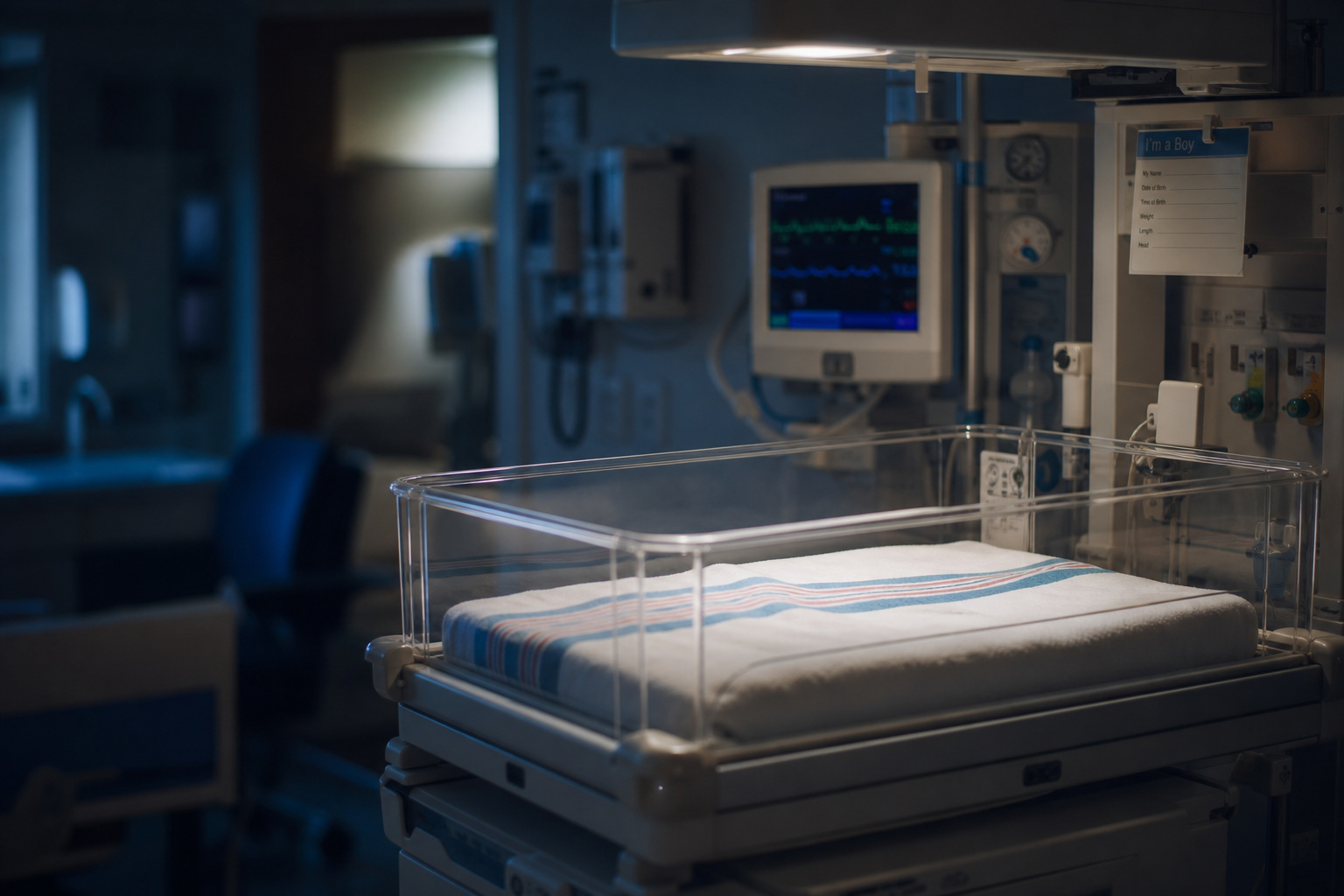
When your baby is born prematurely, the NICU becomes your entire world. You are running on zero sleep, surrounded by beeping monitors, and placing trust in the medical team to keep your fragile newborn alive. That is why learning that the nourishment fed to your baby inside the hospital might have triggered a life-threatening gut condition is a heavy, painful pill to swallow.
This is the hard reality behind the toxic baby formula lawsuit. Families across the country are standing up to multi-billion-dollar manufacturers, claiming their infants developed necrotizing enterocolitis (NEC)—a terrifying condition where a baby’s fragile gut gets inflamed and the tissue starts to die—because of cow’s milk-based formulas and fortifiers.
Key Takeaways
The core of the toxic baby formula litigation addresses claims that cow’s milk-derived formulas and fortifiers elevate the likelihood of developing necrotizing enterocolitis (NEC) in infants born pre-term.
A landmark Illinois state court verdict in July 2024 ordered Abbott Laboratories to pay $495 million after a jury deliberated for only two hours regarding Similac’s failure to warn of these risks.
The domestic federal litigation is centralized in Chicago under Chief Judge Rebecca R. Pallmeyer in MDL No. 3026, where the first batch of federal bellwether trials is scheduled to begin in summer 2026.
Table of Contents
Toxic baby formula lawsuit: The link between cow’s milk and neonatal intestinal damage
The connection is specific to infants born prematurely (weighing 3lbs or less) who are fed cow’s milk-based formula in a NICU, where NEC—necrotizing enterocolitis—affects 5–10% of such patients. For these medically fragile infants, NEC is not a severe stomach ache; it is a clinical emergency with mortality rates that can reach as high as 50% in very low-birth-weight babies. NEC causes intestinal inflammation and tissue damage, often resulting in death of the intestinal lining.
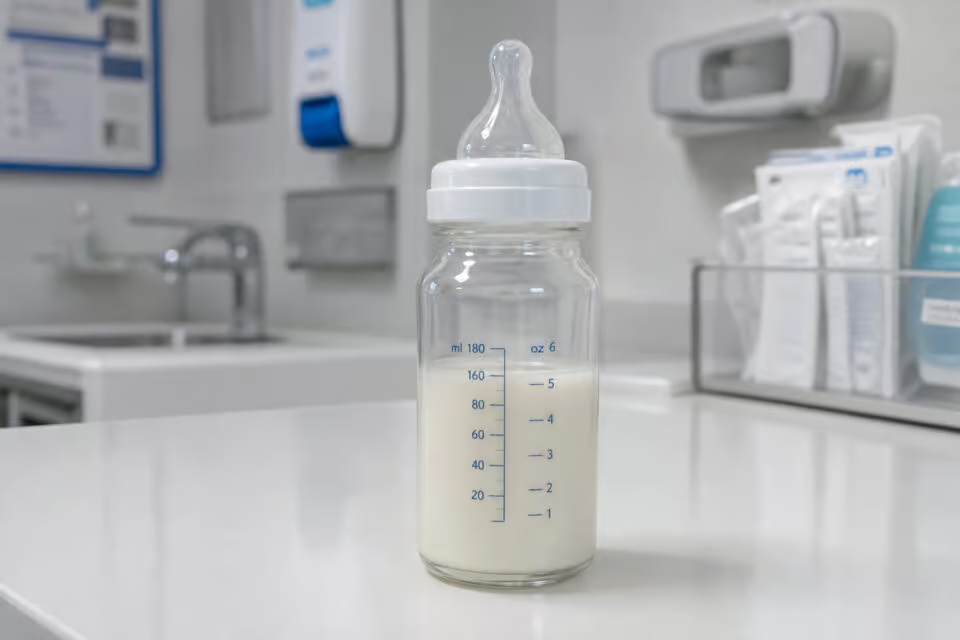
Because of this link, countless families are fighting back through a federal consolidation known as MDL No. 3026, alongside numerous individual state-court cases. Parents are angry because they were never warned about these risks before hospital staff started feeding schedules. While human breast milk remains the safest, gold-standard nutrition for preemies, these lawsuits focus specifically on how cow’s milk formula acts as a dangerous physical trigger.
TorHoerman Law is investigating claims for families seeking accountability from Abbott Laboratories and Mead Johnson & Company, both of which allegedly concealed internal knowledge of NEC risks.
Cow’s milk formula vs. donor breast milk: The biological catalyst
Research suggests that while cow’s milk-based products are standard in many NICUs, they function as a biological trigger for intestinal damage in preterm infants. Understanding this mechanism, which is monitored in light of FDA oversight of infant feeding guidelines, is vital to analyzing why medical staff switch between synthetic formulas and human alternatives.
The clinical role of human donor breast milk
For a premature infant, human donor breast milk is associated with a lower incidence of NEC compared to cow’s milk-based formula. Many parents contend that proper warnings regarding the potential for NEC linked to cow’s milk-based formulas would have influenced their preference for donor breast milk or other substitutes.
But the pharmaceutical companies are using a logistical defense. During the MDL proceedings, Chief Judge Rebecca R. Pallmeyer acknowledged that donor breast milk is not always available or affordable at a scale that can replace formula for every single premature infant. Even so, the core legal dispute remains focused on whether Abbott Laboratories concealed the true risk profile of its cow’s milk formulas compared to safer alternatives, taking the option of choice away from parents.

Severe long-term clinical consequences of formula-induced NEC
When cow’s milk formula triggers NEC, the immediate threat is only the beginning of a long, painful road. The condition often progresses to gut tissue death, requiring emergency operations where surgeons must cut away dead sections of the newborn’s intestines.
This surgery frequently leads to short bowel syndrome, a permanent condition that prevents the child from properly absorbing nutrients and often means a lifetime of nutritional struggles, developmental delays, and continuous therapy. The long-term medical care for NEC survivors contributes to the rising volume of litigation, with federal bellwether trials scheduled for July and August 2026.
Failure-to-warn: Liability, internal knowledge, and corporate defense strategies
Legal arguments in this litigation center on the assertion that if parents had been fully informed of NEC risks, their choices regarding infant nutrition would have shifted. Consequently, plaintiffs are targeting the gap between internal corporate data and the safety information provided to NICUs.
How manufacturers hid risk profiles to preserve clinical market share
The core of these lawsuits is a “failure-to-warn” claim, meaning the formula companies kept telling hospitals and doctors their products were safe for preemies while allegedly holding internal data showing the opposite. Parents allege they were not warned of NEC symptoms—including abdominal distension, bilious vomiting, and lethargy—prior to the administration of cow’s milk-based formulas.
Plaintiffs allege that Abbott Laboratories (makers of Similac) and Mead Johnson & Company (makers of Enfamil) aggressively marketed their products to high-risk NICU units despite deep-seated scientific literature highlighting the dangers of cow’s milk formulas. Because every baby’s hospital journey, chart weight (which is completely distinct from adult discussions surrounding baby formula for weight loss), and clinical resources are unique, these cases must proceed individually. Even though Abbott scored a dismissal in an early federal test case, the litigation is moving forward because independent scientific experts continue to present compelling evidence link-by-link.

The corporate defense: Deflecting blame onto prematurity
The main defense line from the formula companies is simple: they argue that since these infants were born premature and underdeveloped, they were already at high risk for gut issues, regardless of what they were fed. They cite FDA regulations and the lack of clinical consensus to argue that formula is a necessary, safe alternative when breast milk is unavailable.
Furthermore, the companies claim that because NICU doctors make the ultimate feeding decisions, changing the product warning label wouldn’t have altered the clinical outcome. In fact, both Abbott and Mead Johnson are actively lobbying for state and federal liability shields to stop any NEC lawsuit from ever reaching a jury. Yet, judges on the federal level have repeatedly held that juries—not the corporations—must decide whether a proper warning label would have made a difference.
The architecture of MDL No. 3026: Consolidation and federal discovery
The complexity of these individual medical injury cases necessitates a centralized federal structure to prevent repetitive testimony and evidence. This framework, managed through the Northern District of Illinois, organizes thousands of claims to ensure efficient navigation of the pretrial discovery phase.

The role of Judge Pallmeyer and centralized discovery
Let’s clear up a point of confusion: this is not a class action where everyone gets an identical settlement check years down the road. Instead, hundreds of individual lawsuits have been bundled into Multidistrict Litigation (MDL No. 3026) in the Northern District of Illinois under Chief Judge Rebecca R. Pallmeyer to streamline the pretrial discovery process.
Currently, the court is enforcing a strict 30-day “census” window to catalog every filed and unfiled claim so that everyone has a view of the scope of these injuries, particularly those affecting infants at risk for NEC. A specialized administrator named Ellis is managing the complex data transfers between legal teams. By organizing the claims this way, the courts prevent duplicate rulings and stop corporate defense teams from arguing that local hospitals were only sued as a legal stall tactic.

The 2026 bellwether schedule as a litigation laboratory
Bellwether trials test scientific evidence against real juries, establishing the baseline values required for multi-case settlement negotiations.
The first Wave of federal bellwether trials is scheduled to play out through July and August of 2026. The path here has had some bumps; for instance, a case brought by a plaintiff named RaiLee Mar was dismissed in May 2025 due to evidentiary gaps regarding weight and age thresholds. However, other individual cases, like Alexis Inman’s claim, have crucial deadlines in late 2025 that will help structure how the massive 2026 trials—closely monitored by families who often rely on free cerebral palsy guides—are presented to a jury.
Deconstructing the landmark verdicts: Benchmarks for punitive damages
Recent courtroom outcomes serve as critical data points for both plaintiffs and defendants, establishing expectations for future damages. These jury awards focus on punishing corporate inaction regarding known product risks versus the clinical outcomes for vulnerable infants.

Margo Gill v. Abbott Laboratories: The $495 million turning point
In July 2024, a major trial shook the baby formula industry. A jury awarded a $495 million verdict against Abbott Laboratories in the landmark Margo Gill v. Abbott Laboratories trial.
This case, spearheaded by Jake Plattenberger of TorHoerman Law, sent shockwaves through corporate boardrooms. The verdict resulted in the jury only needed two hours of deliberation to decide that Abbott had acted with reckless disregard, resulting in punitive damages meant to punish the company’s silence.
Deconstructing the Cook County $70 million trial
Another pivotal moment occurred in Cook County, Illinois, where a jury awarded $70 million. This verdict split the award into $53 million in compensatory damages—which cover the actual physical harm, medical bills, and lifetime care of the child—alongside $17 million in punitive damages specifically meant to penalize the manufacturer’s behavior.

This trial marked the very first time an Illinois court held Abbott’s specialized “Similac Special Care 24” formula liable for triggering NEC. While individual family outcomes will always vary based on state laws and medical history, these early trials are benchmarks showing that juries are willing to hold these companies financially accountable.
Documenting baby formula-induced NEC: Essential clinical evidence
If you suspect your child’s struggle with NEC was tied to hospital feedings, you need to understand that the biggest challenge is tracking down clinical facts from years ago. You will need to gather a specific paper trail to build a strong foundation for a claim.
To establish your case, you’ll need to secure:
- NICU feeding logs: The exact day-by-day record of what your baby was fed.
- Hospital administration records: Proof of specific brands used, like Similac or Enfamil.
- Clinical surgical notes: Records detailing any emergency bowel removals or staging of NEC.
- Discharge summaries: Documents identifying long-term conditions like short bowel syndrome.
Sometimes, cases face hurdles because of evidentiary gaps—like the dismissal of RaiLee Mar’s case, where the judge felt the expert testimony couldn’t cleanly link the formula to NEC in that specific baby’s birth-weight category. But a dismissal in one case doesn’t close the door for everyone; lawyers are continuously refining scientific expert testimony. In fact, state-court appeals in Missouri recently overturned an early defense victory, showing that the legal system is still wide open for families willing to pursue the truth.
Plaintiff eligibility: Qualifying for a toxic baby formula lawsuit
Eligibility Checklist:
- The baby was born prematurely (preterm birth).
- The baby was fed cow’s milk-based formula or fortifier while in the NICU.
- The baby was diagnosed with Necrotizing Enterocolitis (NEC).
If you meet these criteria, you should know that firms like TorHoerman Law operate on a contingency fee structure. This means you do not write a personal check to get started, and your lawyers only get paid if they win.

TorHoerman Law has a long history of taking on massive corporations, recovering over $4 billion for families since 2009. From offices in Chicago, Edwardsville, and St. Louis, the firm has managed complex litigations involving hazardous substances, traumatic brain injuries, defective medical devices like the Bard PowerPort, and mass torts against companies like Janssen Pharmaceuticals, 3M, and Uber. They have challenged companies like DuPont and Monsanto—proving they have the resources to manage the corporate defense teams representing Abbott and Mead Johnson.
The path forward in NEC baby formula litigation
For parents wondering what happens next, the road ahead is all about building strong individual evidence before state record-retention windows close.
If the upcoming 2026 federal bellwether trials do not push Abbott and Mead Johnson into a global settlement, the consolidated MDL cases will eventually be remanded back to individual local courts across the country for separate jury trials. Even though a second federal test case was dismissed in July 2025, legal teams are digging through internal corporate documents and compiling expert scientific testimony.
If your child fought through infant bowel surgery or is living with the long-term pain of NEC, the window to act is open right now. Holding these manufacturers accountable won’t erase the trauma of the NICU, but it can secure the financial support your child needs for a lifetime of recovery.
Frequently Asked Questions
What baby formulas are being recalled right now?
Current litigation regarding NEC is not based on a standard consumer product recall. Instead, the focus is on liability claims against manufacturers for their failure to warn of the risks associated with using cow’s milk-based formulas in premature infants.
What baby formula toxins are being recalled?
There is no recall for formula ‘toxins’; the legal claims center on the biological properties of cow’s milk-based formulas. Plaintiffs argue these products act as a catalyst for necrotizing enterocolitis (NEC) in fragile, premature infants.
What is the likelihood of a baby developing NEC from formula?
In premature infants weighing three pounds or less, NEC affects approximately 5–10% of patients. It is a critical condition involving intestinal inflammation and tissue death, with mortality rates reaching up to 50% for very-low-birth-weight babies.
How does cow’s milk-based formula trigger NEC?
The core argument is that, for premature infants, cow’s milk-derived products function as a biological trigger for severe intestinal damage. Experts argue that human breast milk is the safer alternative, and lawsuits contend that manufacturers knew of these heightened risks while continuing to market formula for NICU use.
What is the difference between a class action and the current NEC lawsuits?
This is not a class action where everyone receives an identical settlement. It is a Multidistrict Litigation (MDL), which is a federal structure used to consolidate thousands of individual lawsuits to streamline pretrial discovery and expert testimony while keeping the cases separate.
Can I still sue if my baby was diagnosed with NEC years ago?
Yes, but you must act before the statute of limitations in your state closes and before important medical records are purged. Eligibility generally requires proof that the infant was born prematurely, received cow’s milk-based formula in the NICU, and received a medical diagnosis of NEC.
Why are parents suing Abbott and Mead Johnson?
Parents are claiming that these manufacturers prioritized market share by failing to warn doctors and families about the known link between their cow’s milk-based formulas and NEC. The lawsuits seek to hold these companies accountable for the devastating long-term medical consequences, such as short bowel syndrome, that arise after the condition develops.