I remember sitting at my kitchen table in 2021, staring at the closing papers for a house we’d just bought with cash. No mortgage paperwork. No lender to call. Just a deed and a weird feeling: Did I just lose a tax break?
Turns out, I wasn’t alone. In 2024, 32.6% of U.S. homes were bought with cash, according to Rocket Mortgage. So let’s walk through what you lose, what you still owe, and whether that lost deduction even matters in the real world.
Key Takeaways
Cash buyers lose the mortgage interest deduction, mortgage insurance premium deduction, and the Mortgage Interest Credit — but those only help if you itemize, and many homeowners don’t itemize because the standard deduction for 2025 is $32,000 for married couples.
You still owe property taxes from day one, plus possible transfer taxes at closing, and capital gains when you sell (though the $250k/$500k primary residence exclusion still applies).
The standard deduction for 2025 is $32,000 for married couples — meaning you’d need more than $32,000 in itemized deductions to beat it, and most homeowners with a mortgage don’t come close.
Table of Contents
Understanding the tax implications of buying a house with cash
Here’s the short version: cash buyers lose the mortgage interest deduction and related breaks. No mortgage means no mortgage interest to deduct.
But that doesn’t mean you’re tax-free. You still owe property taxes from the day you take ownership. You might owe transfer or recording taxes at closing, depending on where you live. And when you sell, capital gains taxes apply the same way they do for anyone — though the primary residence exclusion ($250,000 for single filers, $500,000 for married couples) still covers most people.
What tax breaks you miss out on when paying cash
There are three main deductions and credits that require a mortgage. Let’s go through each one — and why you might not be missing as much as you think.
The mortgage interest deduction — and why it’s off-limits
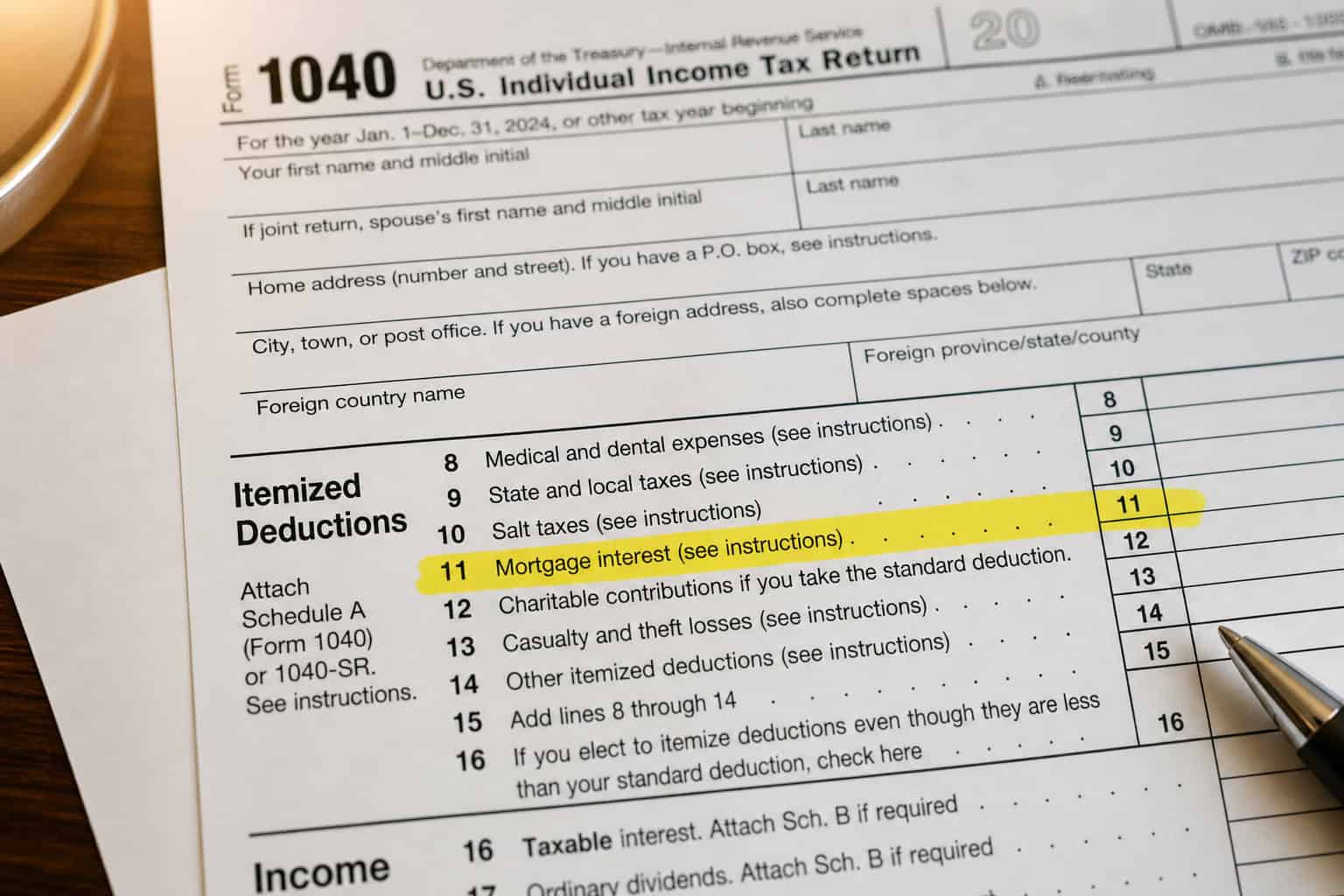
Cash buyers have no mortgage interest to deduct. Full stop. But here’s the catch: that deduction only helps if you itemize your taxes. After the Tax Cuts and Jobs Act doubled the standard deduction, many homeowners find that taking the standard deduction gives them more than itemizing — even with a mortgage. So if you wouldn’t have itemized anyway, you’re not losing anything.
Mortgage insurance premiums and mortgage points
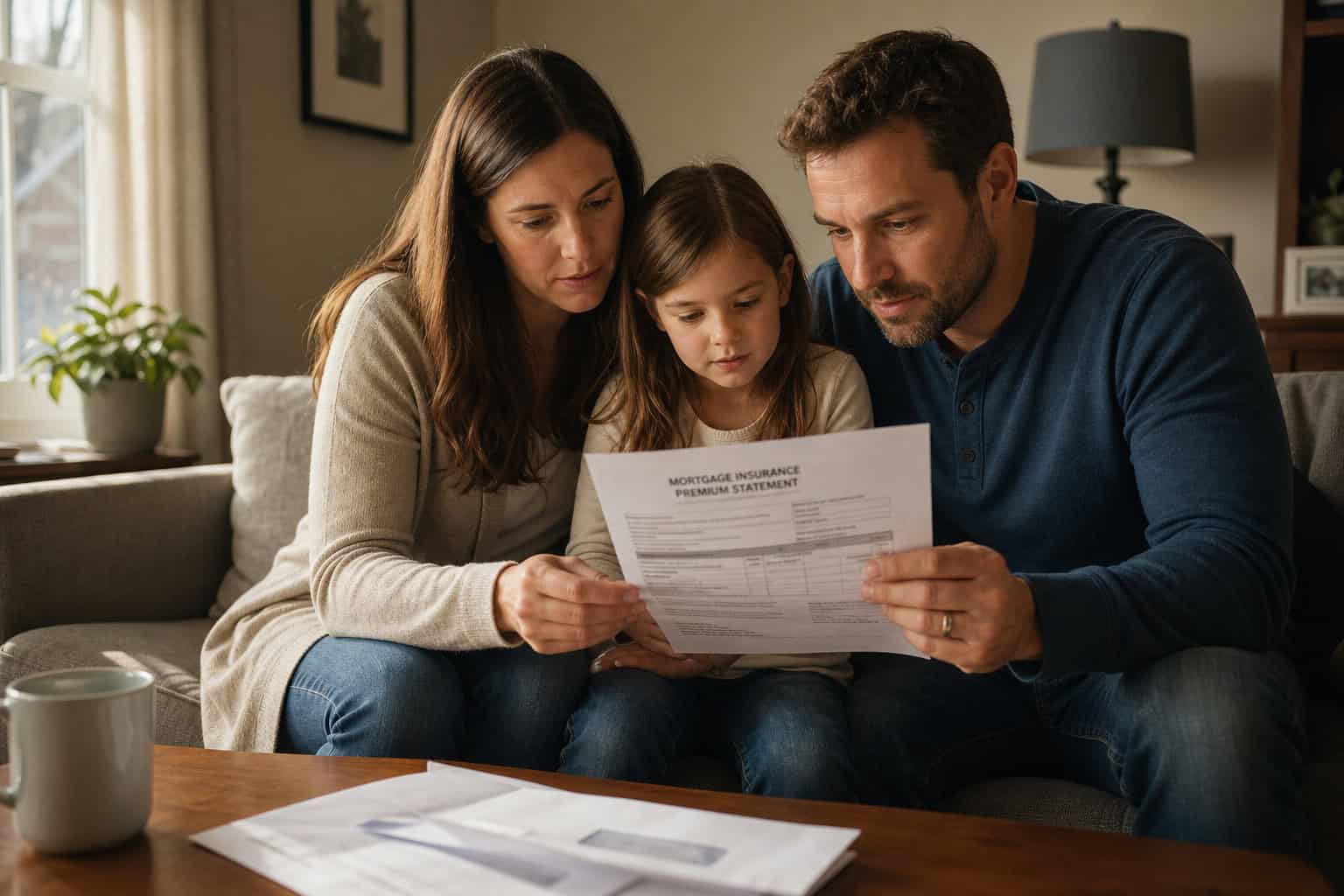
If you have a mortgage, you can deduct mortgage insurance premiums (depending on your income) and the points you paid to lower your rate. Cash buyers can’t claim either. But again — only if you itemize.
The Mortgage Interest Credit: a tax credit you can’t use
This one stings more because it’s a credit, not a deduction. The Mortgage Interest Credit (MCC) lets qualifying lower-income homeowners take up to $2,000 per year off their tax bill — dollar for dollar, for mortgage interest paid. But you need a mortgage and a certificate from your state or local government, which you apply for when you buy the home, not after closing. Cash buyers can’t qualify. If you would have been eligible, that’s a loss.

Taxes you still owe as a cash buyer
Here’s what you’re on the hook for.
Property taxes at closing
Current-year property taxes get prorated at closing based on the sale date. The title company figures out who owes what, and you see it on your closing statement. Same process whether you pay cash or use a mortgage.
After closing: paying property taxes directly
With a mortgage, your lender usually collects property taxes as part of your monthly payment and pays them for you (escrow). Cash buyers handle it themselves. Ken Crotts from the Real Estate Institute for Investing in Seattle describes the process: the title company records the sale, sends you the bill, and sends reminders. But before you decide to go that route, it’s worth considering is it smart to purchase a home in cash from a financial perspective, and you need to budget for that lump-sum annual payment. It catches many first-time cash buyers off guard.
Transfer taxes, recording taxes, and capital gains
Some states and cities charge transfer or recording taxes at closing — regardless of how you paid. And when you sell, capital gains tax may apply if the property appreciated. But the primary residence exclusion ($250k single / $500k married) still applies, and it helps to understand what is the 3 3 3 rule for home buying? It explains how the 3x income, 3% down, and 3% closing costs approach works, especially for cash buyers.
The standard deduction trap: are you really missing out?
The Tax Cuts and Jobs Act doubled the standard deduction. For 2025, it’s $16,100 for single filers, $32,000 for married couples filing jointly, and $24,150 for head of household. For 2026, those numbers drop slightly to $15,750 and $31,500.
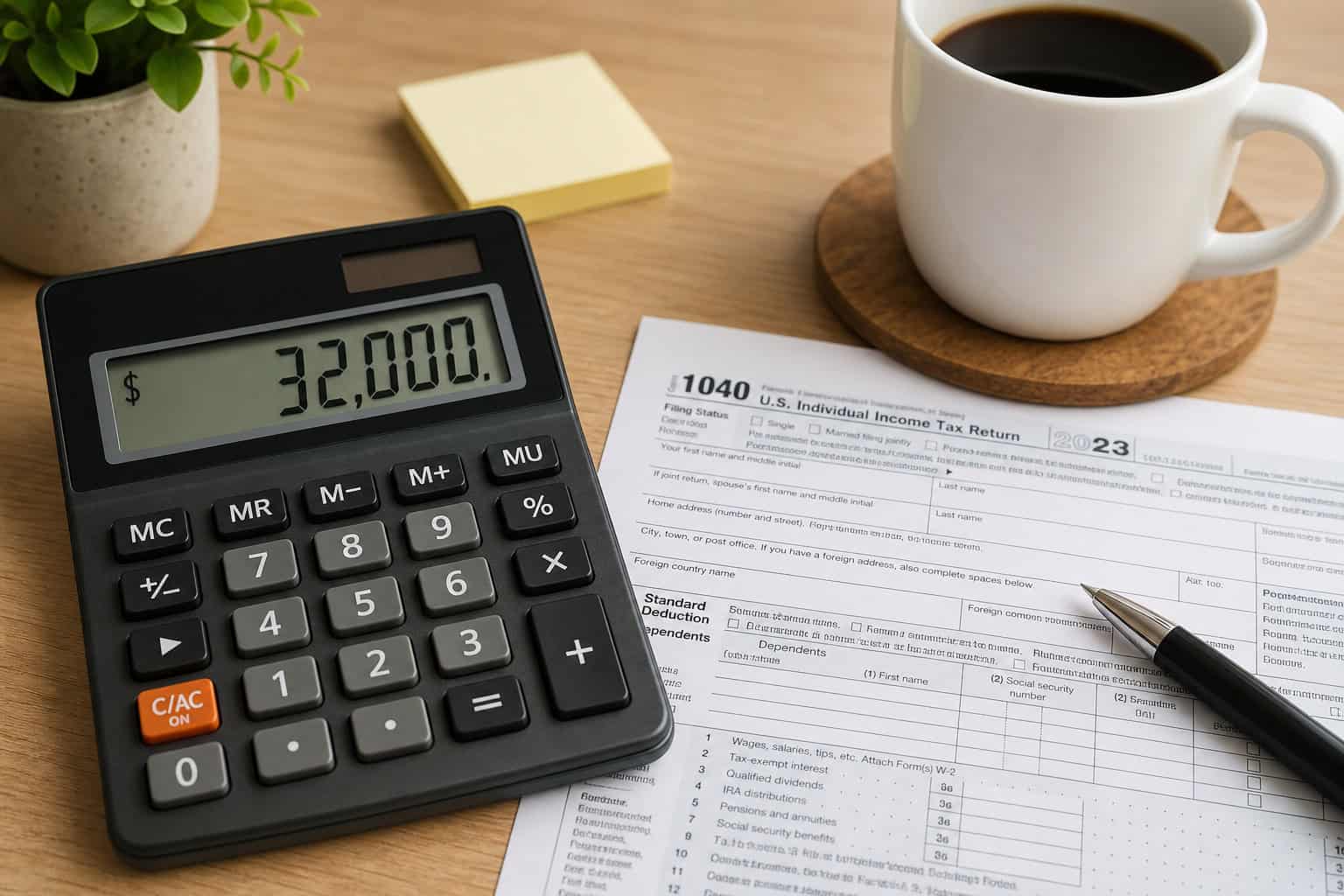
So let’s say you’re married, own a home, and pay $6,000 in property taxes. To make itemizing worth it, you’d need more than $26,000 in mortgage interest and other deductions to beat that $32,000 standard deduction. Many homeowners with a mortgage don’t hit $26,000 in mortgage interest and other deductions. Before the TCJA, the standard deduction was $13,000 for married couples — easier to beat.
Cash vs. mortgage: which saves you more money?
Should you get a mortgage just for the tax deduction? Let’s do the math.

The interest cost vs. tax savings tradeoff
Take a $250,000 loan at 4% over 30 years. You’ll pay about $179,674 in interest over the life of the loan. Even at a 24% tax rate, the deduction saves you roughly $43,121. That means you lose $136,553 compared to paying cash. As Michelle Caffrey from Fidelity puts it, mortgage interest expense increases the cost of the home.
Now consider a $1 million home with 20% down and a 7% rate. You’re looking at over $1,000,000 in interest. Moving to cash during volatile markets could negatively impact long-term portfolio returns, as Michelle Caffrey notes — so the opportunity cost goes beyond just lost growth.
Opportunity cost and liquidity tradeoffs
While there are advantages of buying a home with cash, tying up cash in a house means that money isn’t growing elsewhere. Selling investments to raise cash could trigger capital gains taxes and forfeit future earnings. A securities-backed line of credit might be a better alternative if you need liquidity without selling assets.
Special rules for ministers, military, and state programs
Two special cases:
- Ministers and uniformed services members: If you receive a nontaxable housing allowance, you can still deduct real estate taxes and mortgage interest without reducing your deductions. That is a perk if it applies.
- State programs like TSAHC: In Texas, the Texas State Affordable Housing Corporation offers down payment assistance up to 5% for low- and moderate-income buyers, plus an MCC program. Other states have similar programs. Check if you’re in that situation.
Also worth noting: your down payment itself isn’t deductible. IRS Publication 530 is clear on that.
Does paying cash trigger IRS reporting?
You need to report cash transactions over $10,000 to the IRS. Here’s what applies to home buying.
Form 8300 applies to physical cash (actual currency) over $10,000. The recipient — usually the title company, files it, not you. And most home purchases are done via wire transfer or cashier’s check, not paper cash, so this rarely comes up.
Geographic Targeting Orders (GTOs) are a different story. The U.S. Treasury requires title insurance companies to report all-cash home purchases in certain cities across California, Florida, New York, and Texas. This includes wire transfers and bank transfers, not just physical cash. It’s an anti-money-laundering measure, not a tax audit trigger. If you’re buying cash in one of those areas, your title company handles the reporting.
How the cash buying process actually works
Buying a home with cash removes the lender from the equation, but the process still involves several key steps and documents.
What you need before making a cash offer
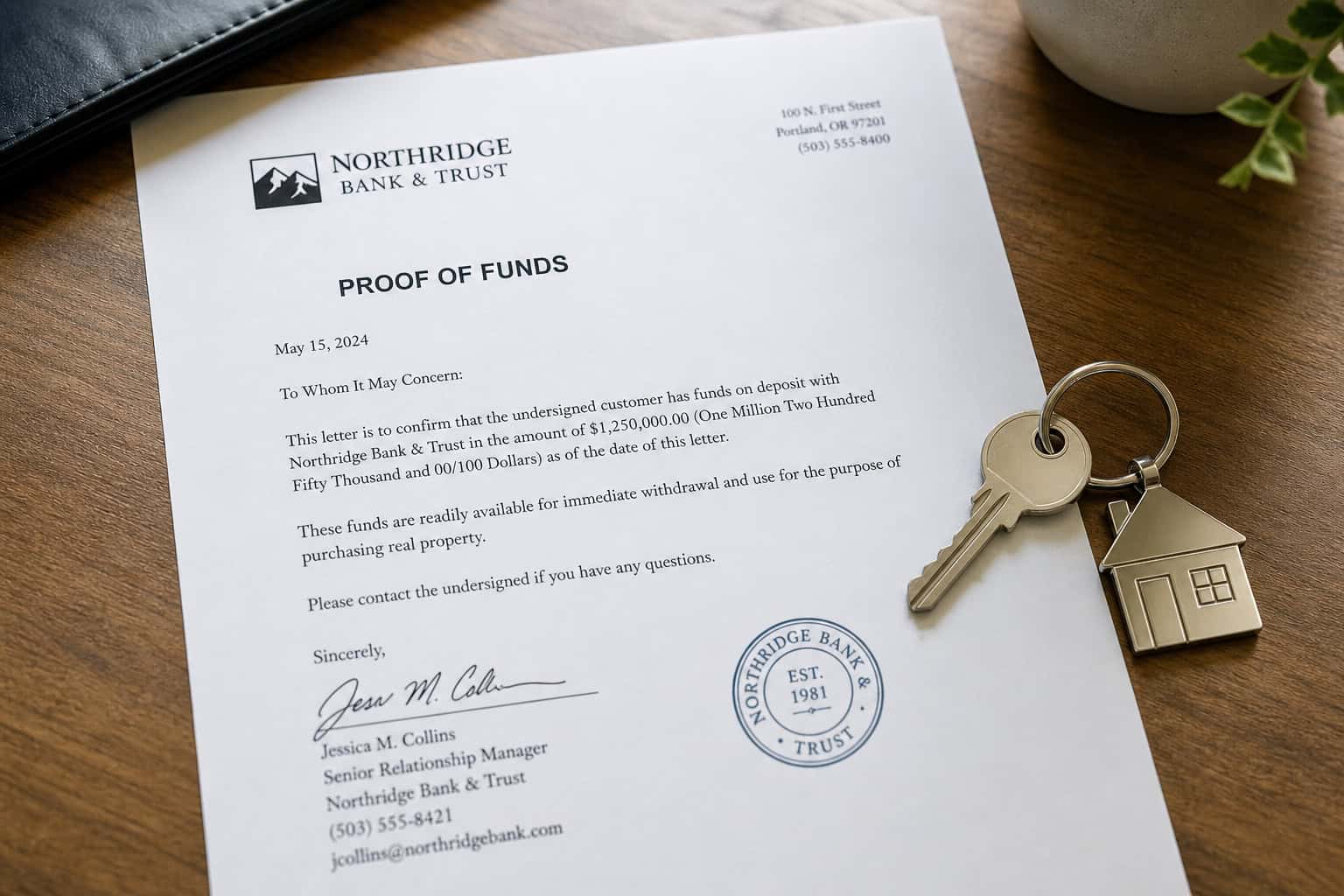
You’ll need a proof of funds (POF) letter from your bank showing you have the money. Retirement account statements usually don’t count — 401(k)s are considered illiquid for this purpose. So don’t try to use that as proof.

You can skip the mortgage contingency, which makes your offer stronger. Sellers prefer it because there’s no financing to fall through. You can close in one to two weeks.
What cash buyers still need after closing
Even without a mortgage, you still have ongoing costs: property taxes, homeowners insurance, utilities, and HOA dues if applicable. On the upside, you won’t have to worry about mortgage payments and you’ll save a considerable amount in interest.
And here’s the downside: that cash is now tied up in an illiquid asset. If you need to tap into it later, it’s hard to access. Don’t wipe out your emergency fund. A home inspection is still advisable — lenders won’t require it, but you don’t want surprises. An appraisal is not required either, but it can help you avoid overpaying.
People Also Ask
Can you write off buying a house in cash?
No, you cannot write off the purchase price of a home, whether you pay cash or finance it. The IRS treats a home purchase as a capital asset, not a deductible expense. What you lose as a cash buyer are specific deductions tied to having a mortgage, like the mortgage interest deduction — but those only matter if you itemize your taxes.
Is there a benefit to buying a house cash?
Yes, the main benefit is avoiding hundreds of thousands of dollars in mortgage interest over the life of a loan. Even after accounting for the lost mortgage interest tax deduction, the math usually favors cash because the interest you’d pay far exceeds any tax savings you’d get from itemizing. You also skip lender fees, appraisal requirements, and monthly payments.
Do cash buyers still pay property taxes?
Yes, cash buyers owe property taxes from day one, just like anyone who buys with a mortgage. The difference is that with a mortgage, your lender typically collects property taxes monthly through an escrow account and pays them for you. Cash buyers have to handle those lump-sum payments themselves, which catches many first-time cash buyers off guard.
What is the standard deduction trap for cash buyers?
The standard deduction for 2025 is $32,000 for married couples filing jointly. To benefit from itemizing deductions like mortgage interest, you’d need more than $32,000 in total itemized deductions. Many homeowners with a mortgage don’t hit that threshold, meaning the mortgage interest deduction wouldn’t have helped them anyway — so cash buyers aren’t actually losing anything.
Does paying cash for a house trigger IRS reporting?
Physical cash transactions over $10,000 require Form 8300, but most home purchases use wire transfers or cashier’s checks, so that rarely applies. However, the Treasury requires title companies to report all-cash purchases in certain cities across California, Florida, New York, and Texas under Geographic Targeting Orders — an anti-money-laundering measure, not a tax audit trigger.