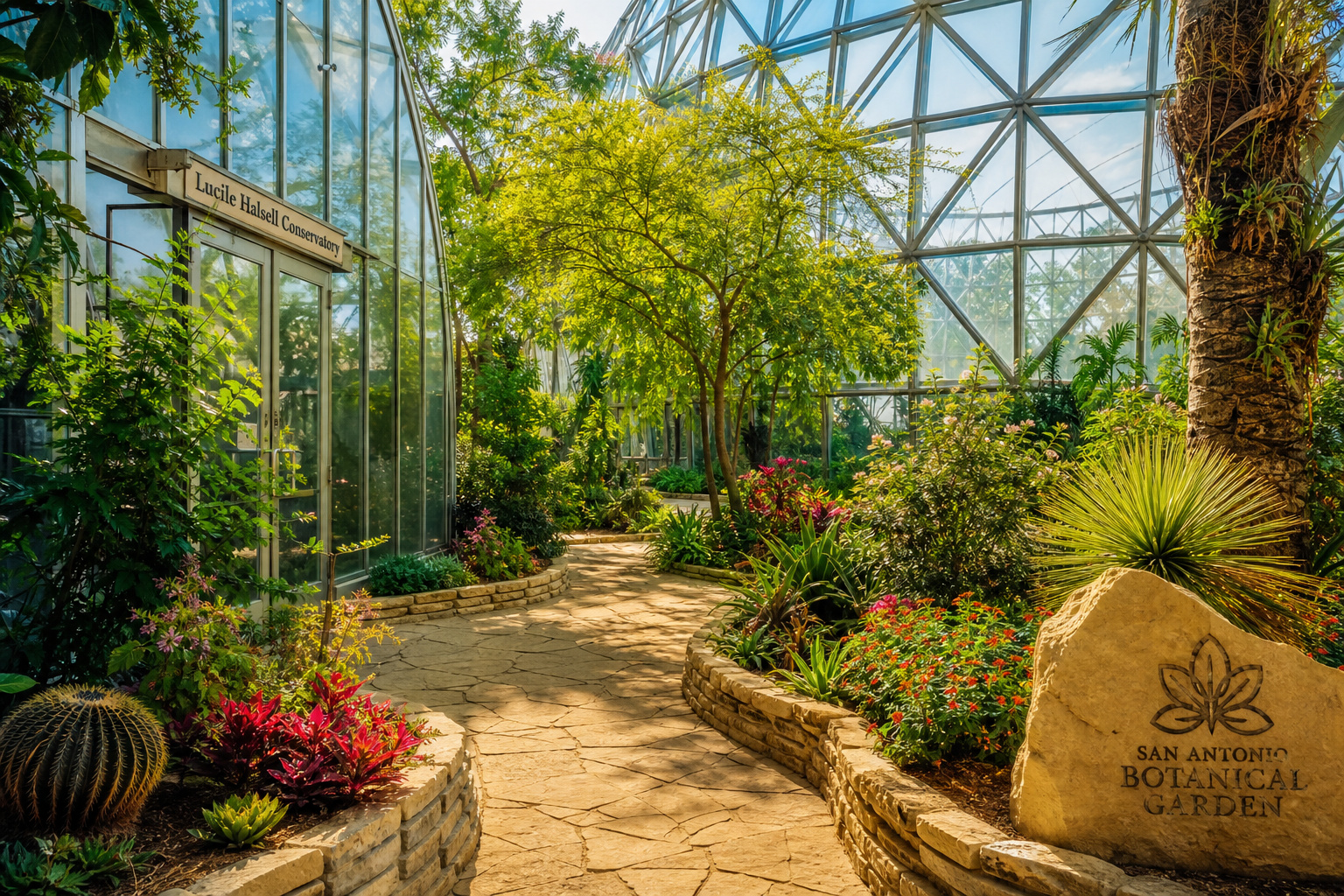
If you’re planning a trip to South Texas, you’re probably balancing a heavy list of historic missions, theme parks, and crowded river walks. It’s easy to wonder if spending a morning at a plant showcase is worth parking your family in the heat.
This 38-acre landscape is best experienced not as a boring science museum, but as a highly active, physically demanding, and surprisingly fun outdoor hike. From secret budget hacks to the real deal on walking distances, here’s how to decide if this green escape belongs on your itinerary.
Key Takeaways
Walking the entire 38-acre grounds takes 2 to 3 hours with zero available visitor trams, making comfortable athletic shoes a necessity for the trip.
You can bypass general admission ticket fees by utilizing a reciprocal membership from the American Horticultural Society Reciprocal Admission Program.
Outside food and snacks are strictly prohibited on the property, but carrying your own reusable water bottles is allowed and highly recommended due to scarce drinking fountains.
Table of Contents
Comparing the garden to other San Antonio icons
Unlike the passive strolls along the River Walk, the San Antonio Botanical Garden offers a structured, active hike that easily justifies an entire morning.
If you want to stretch your travel budget, your best weapon is checking your wallet for a home garden membership. The garden is a member of the American Horticultural Society Reciprocal Admission Program, which provides free entry for members of 300+ participating botanical gardens. If you already belong to a local garden back home, showing your card can get your entire group through the gates free. This hack instantly transforms what could be an expensive family morning into a zero-admission win.
Just keep in mind that the gate staff are strict about their housekeeping rules. While you should pack several reusable water bottles to stay hydrated, leave your picnic lunches and outside snacks in your car trunk, as they are not permitted past the entry gate.
Getting there: the realities of central Texas foot travel
While a 15-minute drive from downtown makes it easy to reach with kids in the back of a car or rideshare, looking at a map might tempt you to walk the distance instead. Please note the site spans 38-acres, which represents the total physical size of the property you will be traversing.
Why you cannot walk to the garden from downtown
Trying to walk here from downtown San Antonio is a safety hazard. The garden is cut off from the main hotel zones by massive highway crossing networks, specifically major branches of Interstate 35 and Interstate 37. These high-speed interstate corridors lack pedestrian sidewalks, safe crosswalks, or supportive pathways, making an on-foot commute impossible. Stick to a car, hail a rideshare, or use local transit to protect your feet and your safety.

How many hours should I set aside for a visit?
You should plan on budgeting at least 2 to 3 hours of active walking to properly explore the site. Do not underestimate the physical fatigue of navigating a 38-acre terrain under the Texas sun. There are no visitor trams, public golf carts, or rental scooters allowed on the paved walking loops. Showing up in unsupportive fashion footwear is a quick ticket to sore feet and complaining kids.
If you are currently researching February vacation destinations and decide to visit this garden, look through your wallet for any student IDs to keep your spending down if you do not have a reciprocal garden card. The front desk offers a student discount, reducing the price to $13 per ticket. Just remember to pack your own full water bottles; while you will find drinking fountains on the property, they are far apart and tough to track down when you are already hot and thirsty.
The biomes: walking the Lucille Halsell Conservatory
If this destination is on your list of flower gardens to visit during the peak of summer, your only realistic option is to arrive right when the botanical garden san antonio hours begin in the morning to beat the scorching midday heat.

The crown jewel of the indoor experience is the Lucille Halsell Conservatory, which is a stunning architectural achievement made of five distinct, half-buried glass climate chambers. In this space, you can walk directly from dry, cactus-filled desert pavilions into thick tropical heat within a few steps.
Exploring the subterranean fern grotto as a low-sensory sanctuary
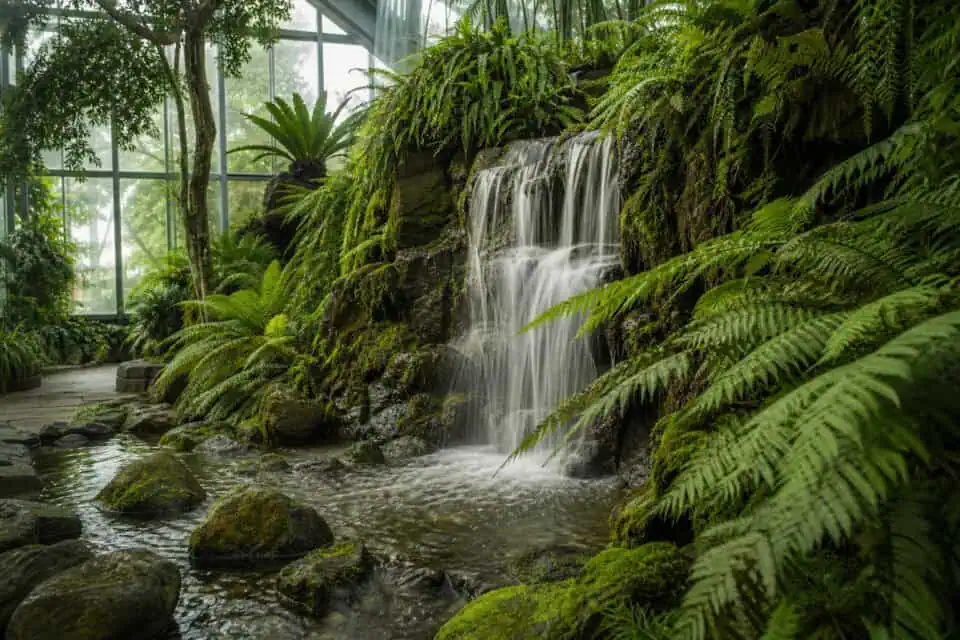
In the middle of these climates lies the subterranean fern grotto, which is easily one of the best areas on the property. As you walk down into the earth, you are greeted by a stunning, green, humid room complete with a cascading man-made indoor waterfall. The rushing water makes this a fantastic low-sensory getaway if your kids are feeling sensory overload from noisy downtown tourist areas. If you want this peaceful oasis to yourself, your best bet is planning a visit on a quiet weekday morning after the local school year starts.
Warning: Summer afternoon thermal conditions on the Texas Native Trail
While the indoor glasshouses are beautifully designed, you need to exercise caution on the outdoor Texas Native Trail during summer afternoons. This trail is designed to showcase the authentic, dry regions of Texas, meaning it is exposed to the elements with virtually zero shade or canopy cover. The sun beats down directly onto the pathways and reflects heat off the ground, causing thermal stress. Save this dryland hike for a winter morning, or skip it entirely in August to keep your family safe from heat exhaustion.
Edible landscapes: the Zachary Culinary Garden
The Zachary Foundation Culinary Garden is an active, working farm landscape rather than a sterile display of pretty flowers. The beautifully arranged raised beds are filled with real, edible crops like sprawling kale and dark spinach. Even better, a huge portion of this seasonal yield is regularly harvested and donated directly to local San Antonio food pantries, helping to ease community food insecurity.
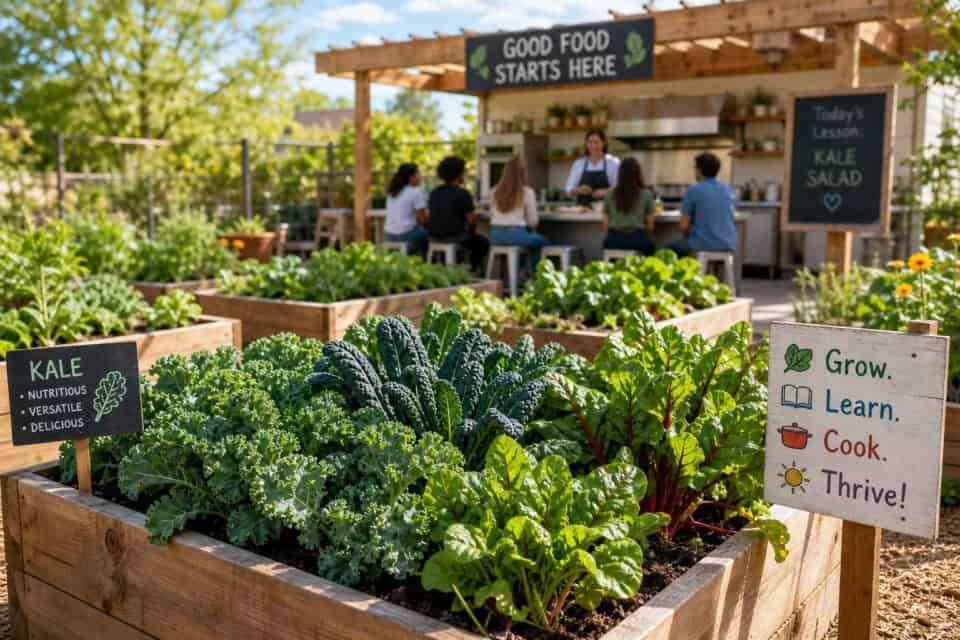
This space is also home to the CHEF Teaching Kitchen, which is a beautiful outdoor demonstration kitchen designed to make nutrition feel hands-on and approachable. While the CHEF Teaching Kitchen hosts seasonal cooking classes, check the garden events calendar online for specific scheduling.
If you visit during a public demonstration day, you might get lucky and catch a quick, healthy snack sample. We picked up a delicious seasonal spinach and citrus pairing salad and learned a fantastic piece of nutritional chemistry. The citrus in the mandarin oranges provides ascorbic acid (vitamin C), which physically unlocks and dramatically boosts how your body absorbs the non-heme iron found in raw spinach. It is a brilliant, low-pressure way to teach kids how food works while filling them with a quick, healthy bite.
Leisure chemistry: dining and open-trail walking
When it is time for lunch, you do not have to leave the property or survive on warm water. The garden features excellent on-site dining that lets you slow down and relax.
Can you bring your own alcohol or buy drinks at the garden?
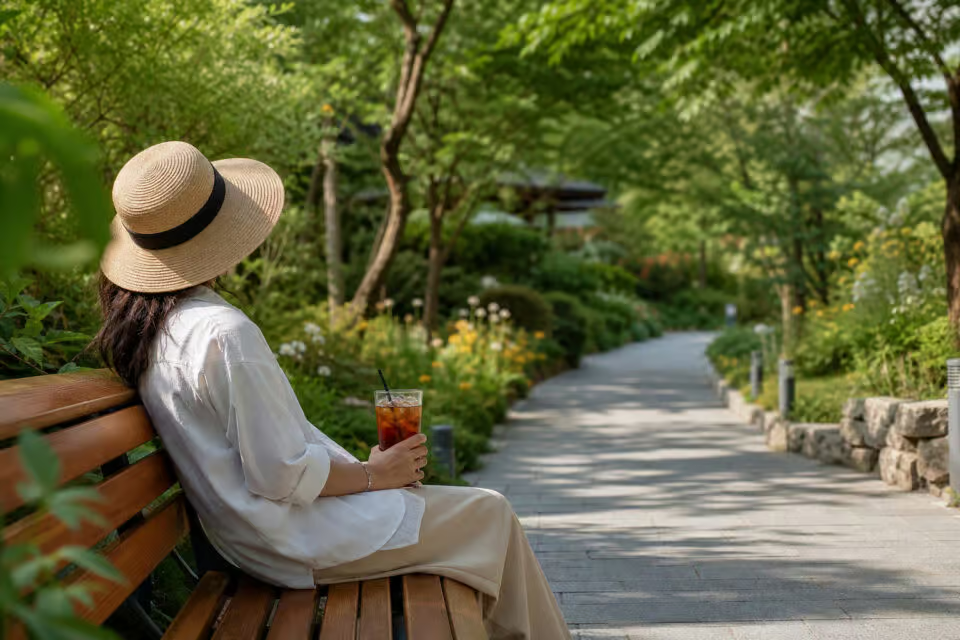
While bringing your own outside alcohol is strictly prohibited, the historic Sullivan Carriage House Restaurant features a full bar where adults over 21 can purchase craft cocktails, wine, or cold draft beer. The staff allows open-container walking throughout the grounds with these purchases. Sipping on a cold beverage while strolling the paved trails changes the vibe of the trip, making it feel less like a museum trip and more like an open-air art gallery.

As you walk, you can discover treasures tucked along the pathways, like the miniature Bonsai trees housed in the learning center courtyard. Depending on when you visit, you might even find temporary traveling art installations, like giant metal origami sculptures, flanking the trails.
Children’s zoning: the Family Adventure Garden
Taking kids to a traditional botanical center can feel like a stressful exercise in whispering and holding hands. Thankfully, the designers of the san antonio botanical garden solved this problem by building a dedicated zone specifically for high-energy play.
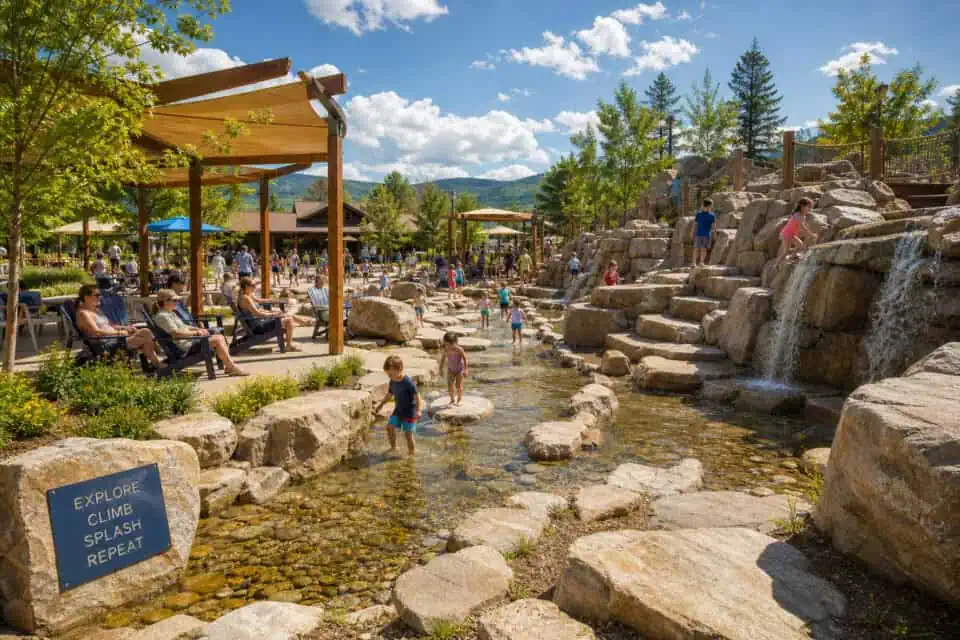
Why the family zone is a game-changer for parents
The centerpiece of the San Antonio Botanical Garden for children is the dedicated Family Adventure Garden. This 2.5-acre area is a fully self-contained play pasture that uses native limestone walls and rolling earth topography to create a natural acoustic buffer. Meaning, your children can run, scream, and splash at full volume, and the noise is completely drowned out before it ever reaches the quiet, meditative walking trails nearby.
The play features here are wonderfully rustic and immersive. Kids can splash around in “No Name Creek,” a shallow stone water-play stream, or climb to the top of “Prickly Pear Peak.” For parents, the best part is the layout; there are wide, comfortable shaded seating areas with clear, open sightlines so you can sit down, take a breath, and supervise while your kids burn off their energy safely.
Plan your visit: ticket structures, rules, and art
The garden participates in the American Horticultural Society reciprocal network, meaning members of over 300 participating properties across the country get in completely free.
For general admission ticket purchases, standard gate prices are straightforward:
- Adults: $15
- Military/Students: $13
- Children (ages 3-13): $12
- Museums for All: $3 (for SNAP/EBT and WIC cardholders)
The Museums for All program is a wonderful touch, offering deep discounts to ensure equitable access for low-income families.
Finding temporary local art
The garden hosts recurring installations, such as past exhibits like Origami in the Garden, and seasonal ticketed events like Lightscape. If you have been seeing advertisements for spectacular night displays like the winter Lightscape trail, keep in mind that experiencing the garden at night typically requires a separate, timed evening ticket that is priced higher than standard day admission.
Accessibility, mobility, and strict rules
If you are traveling with family members who have mobility difficulties, the main pathways are fully paved and ADA-compliant. The front desk also provides manual wheelchairs on a first-come, first-served basis, so you do not have to manage difficult dirt paths.
Just be sure to keep the strict carry-in guidelines in mind before you head to the gate. Commercial use or formal family photo sessions require a paid reservation permit and a pre-booked slot. All non-service pets must stay at home, and outside food must remain tucked away in your car.
Frequently Asked Questions
Is the San Antonio Botanical Garden free?
It is not free for the general public, but there are ways to access it without paying full price. If you hold a membership to another botanical garden participating in the American Horticultural Society Reciprocal Admission Program, you may be eligible for free entry. Additionally, those with SNAP, WIC, or EBT cards can utilize the Museums for All program to receive deeply discounted tickets.
Is San Antonio Botanical Garden worth it?
It is worth the visit if you treat it as an active outdoor hiking experience rather than a passive museum tour. The space offers unique features like the climate-controlled Lucille Halsell Conservatory and the high-energy Family Adventure Garden, making it a great way to spend an active morning. However, you should evaluate the visit based on your willingness to walk 38 acres and the current weather conditions, as much of the site is outdoors.
Can I bring my own food into the San Antonio Botanical Garden?
No, outside food and snacks are strictly prohibited on the property and must be left in your vehicle. If you need a meal during your visit, the on-site Sullivan Carriage House Restaurant offers dining and a full bar for guests over 21.
How much does it cost to get into the San Antonio Botanical Garden?
Standard general admission is $15 for adults, $13 for military personnel and students, and $12 for children ages 3 to 13. Families participating in the Museums for All program can access the grounds for a reduced rate of $3 per person.
How does the Family Adventure Garden handle noise control?
The Family Adventure Garden uses natural landscape architecture to contain sound. By utilizing limestone walls and the natural rolling topography of the terrain, the area acts as an acoustic buffer that keeps the noise of playing children from disturbing visitors in the more meditative sections of the botanical grounds.
What should I know about walking the Texas Native Trail in summer?
The Texas Native Trail is highly exposed to the elements and features almost no shade or canopy cover. During summer afternoons, the sun reflects off the ground to create intense thermal stress, so it is highly recommended to save this specific trail for cooler months or avoid it during the hottest parts of the day.
Is it possible to walk to the botanical garden from downtown San Antonio?
Attempting to walk from downtown is not a viable or safe option. The garden is separated from the main hotel zones by major, high-speed interstate highway corridors that lack the necessary pedestrian infrastructure, such as safe crosswalks and sidewalks.

A lovely and informative walking tour of the San Antonio Botanical Garden. I enjoyed how the article captures the garden’s natural beauty and highlights the experience of exploring its different areas on foot. A great guide for nature lovers and first-time visitors!
Thank you! I’m glad you found it helpful.