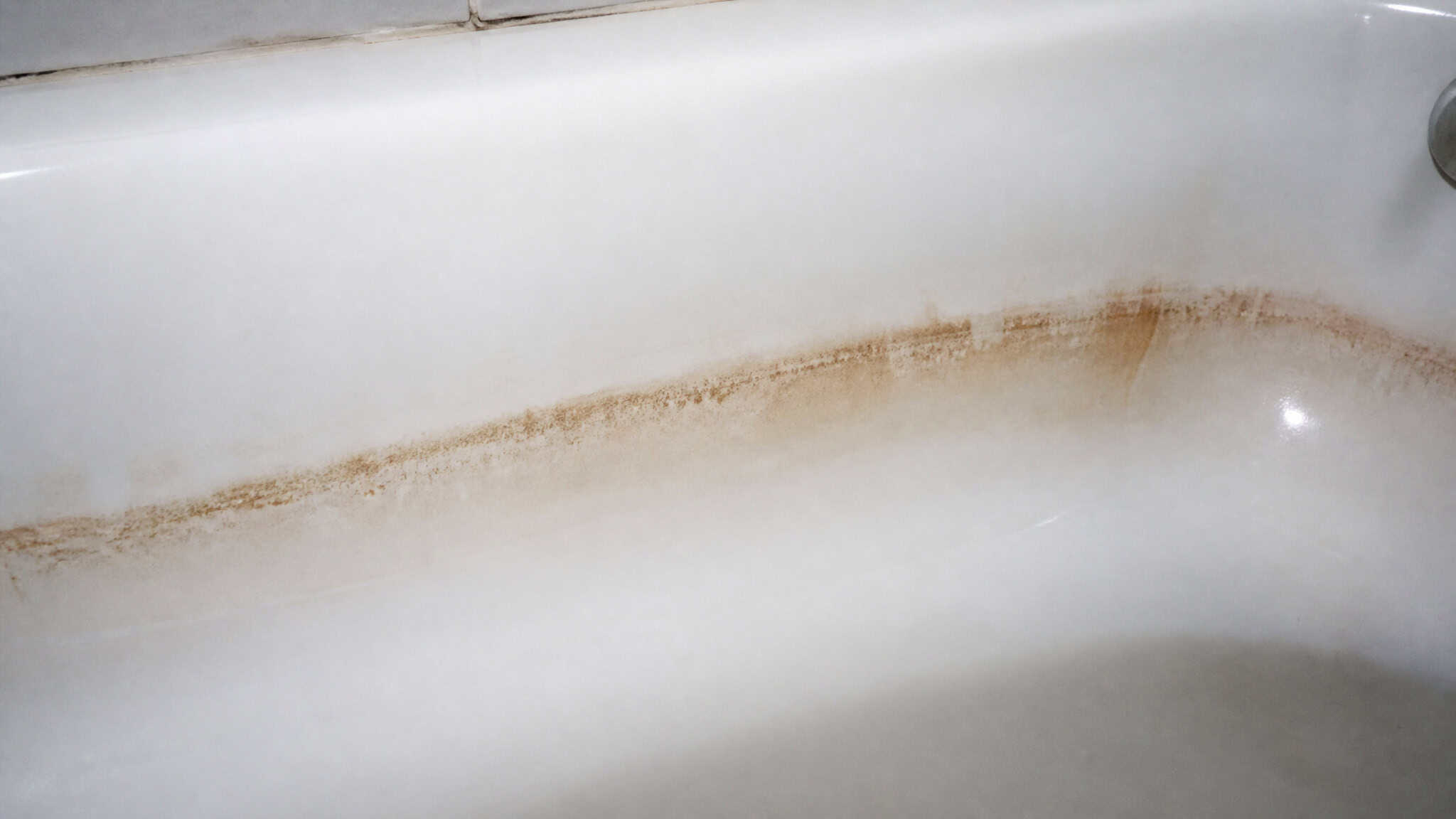
There’s a ring around our bathtub that has survived more cleaning attempts than I care to tally. Not the faint kind you can ignore, the kind that makes you wonder if the tub came with that brown stripe as a design feature. After enough failed scrubs to fill a small landfill, I finally figured out the problem: a stain that won’t move usually isn’t a scrubbing problem. It’s a matching problem.
The cleaner doesn’t fit the stain, or the method doesn’t fit the tub. Learn what your tub is made of, read what the stain’s color is telling you, then pick the cleaner to match both, and most of those stubborn marks come out with things already sitting in your pantry.
How to clean bathtub stains the way that works is three steps: know your tub, read your stain, match your cleaner.
Key Takeaways
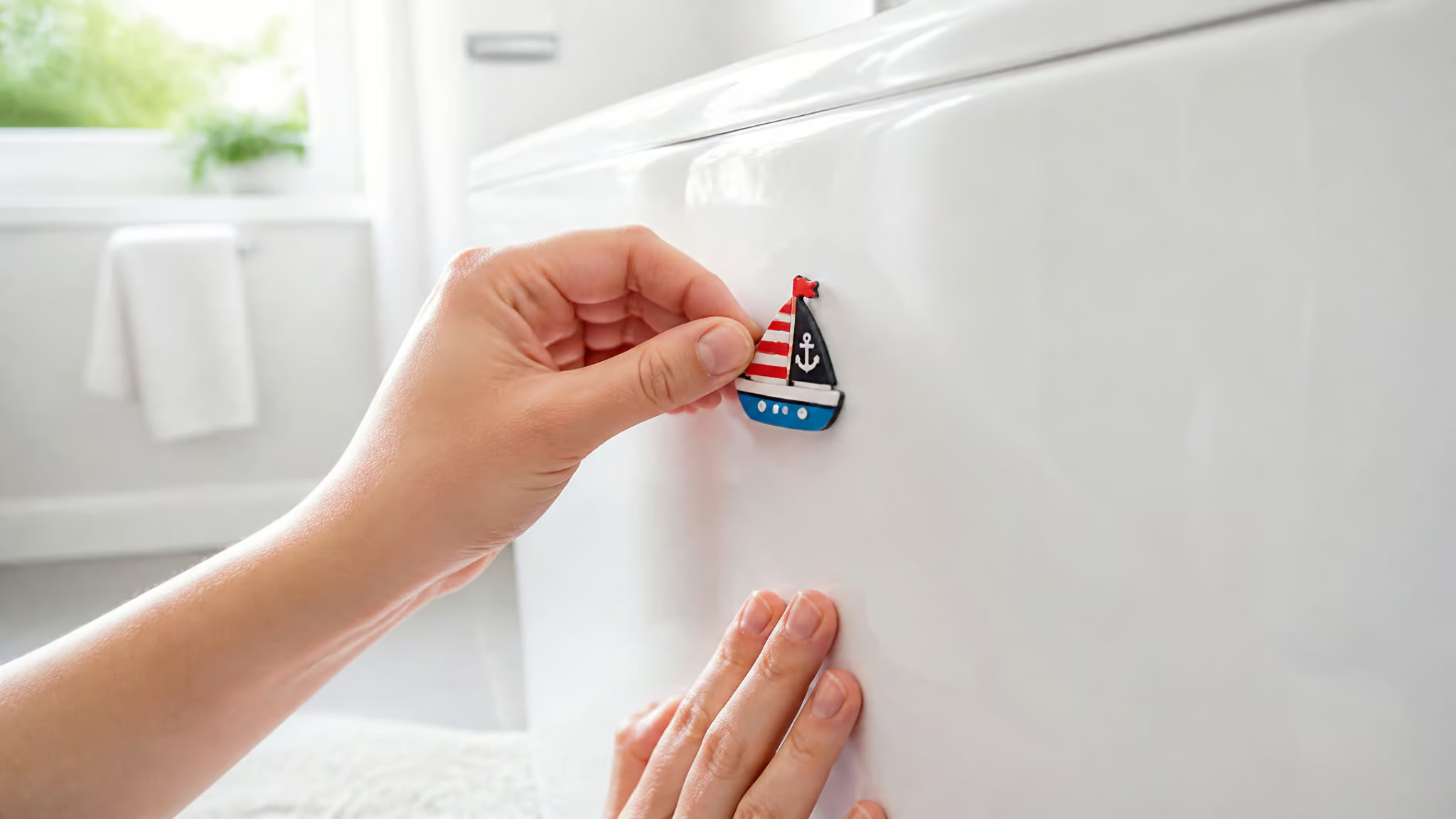
Run the magnet test first: if a fridge magnet sticks to the tub, it’s enamel-covered steel or cast iron; if it doesn’t, it’s porcelain, that one check tells you which cleaners are off-limits.
Read the stain before you scrub: reddish-orange is rust, black is mold, blue-green signals copper, pink signals bacteria, yellow-brown is hard water, each one needs a different remedy.
The two DIY cleaners cover most of the job: an equal-parts dish-soap-and-vinegar spray left 5-10 minutes for everyday stains, and a 2-to-1 baking-soda-to-hydrogen-peroxide paste left 10 minutes for stubborn spots.
Table of Contents
Know your tub: acrylic, enamel, porcelain, or fiberglass?
Before any cleaner touches your tub, you need to know what you’re working with. The wrong product, especially anything abrasive, can permanently scratch a finish that a gentler method would have cleaned in minutes.
Here’s the quick check that saves you from wrecking the surface: hold a fridge magnet to the wall of the tub. If it sticks, you’ve got an enamel-coated steel or cast-iron tub. If it doesn’t, it’s likely porcelain, acrylic, or fiberglass. That single check tells you more than you’d think, enamel and porcelain are tougher (though not invincible), while acrylic and fiberglass scratch easily. If you’re still unsure which tub you’ve got, the complete guide to cleaning every type of bathtub covers identification in more depth.
Acrylic. Common in newer baths. It’s forgiving on chemicals but not on abrasives. No salt, no scouring powders, no heavy scrub brushes.
Mild cleaners, soft sponges, and a cream cleaner left 15-30 minutes will handle most of what acrylic throws at you. Vinegar mixed with hot water is safe here.
Enamel. Your classic steel or cast-iron tub with an enamel coating, the magnet test catches these. It’s durable, but acidic cleaners can slowly eat at the finish over time. Skip concentrated vinegar.
A paste of water and a gentle powdered cleaner, left about 30 minutes, handles enamel well. One hard “don’t”: skip the baking soda + vinegar fizz here, the reaction is abrasive and can damage the coating.
Porcelain. No magnet stick, it’s fired clay. Diluted vinegar is fine on porcelain; concentrated or abrasive use is not. Scouring powder and steel wool will scratch the finish. For tough rings, a cream of tartar paste works well.
Fiberglass. Treat it like acrylic, no salt, no abrasives. Vinegar is safe here. Use soft cloths and gentle sponges to keep the gel coat from clouding.
When in doubt, go gentler first. That rule alone saves more tubs than any fancy product.
What type of stain are you dealing with?
The stain’s color tells you what caused it, and that tells you which method will actually move it. Match the stain to the cause before you pick a cleaner:
- Reddish-orange. Rust, usually from mineral deposits or metal objects left sitting in the tub.
- Black. Mold or mildew, which loves any spot that stays damp. As Alicia Sokolowski of AspenClean puts it, black stains usually trace back to mold or mildew buildup.
- Blue-green. Copper, usually from corroding pipes, especially if your water runs acidic.
- Pink. Biofilm-forming bacteria, it’s not mold, which is why a mold spray often does nothing to it.
- Yellow-brown. Hard water rings and mineral deposits. If it leans red, it might be rust; if it’s greasy, it’s everyday grime from body oils.
- White or chalky film. Hard water mineral buildup.
One tub often has two or three of these at once. That’s fine, you’ll just run the matching method for each one, and we’ll cover how to layer them at the end.
Supplies and two all-purpose cleaners that work on any tub
Most of what you need is already in your kitchen: white vinegar, baking soda, salt, hydrogen peroxide, cream of tartar, dish soap, and a soft sponge. Rubber gloves are worth grabbing if your skin gets cranky about scrubbing. And if you’d rather skip chemicals entirely, most of these methods are already pantry-based, the natural cleaning guide covers that angle completely.
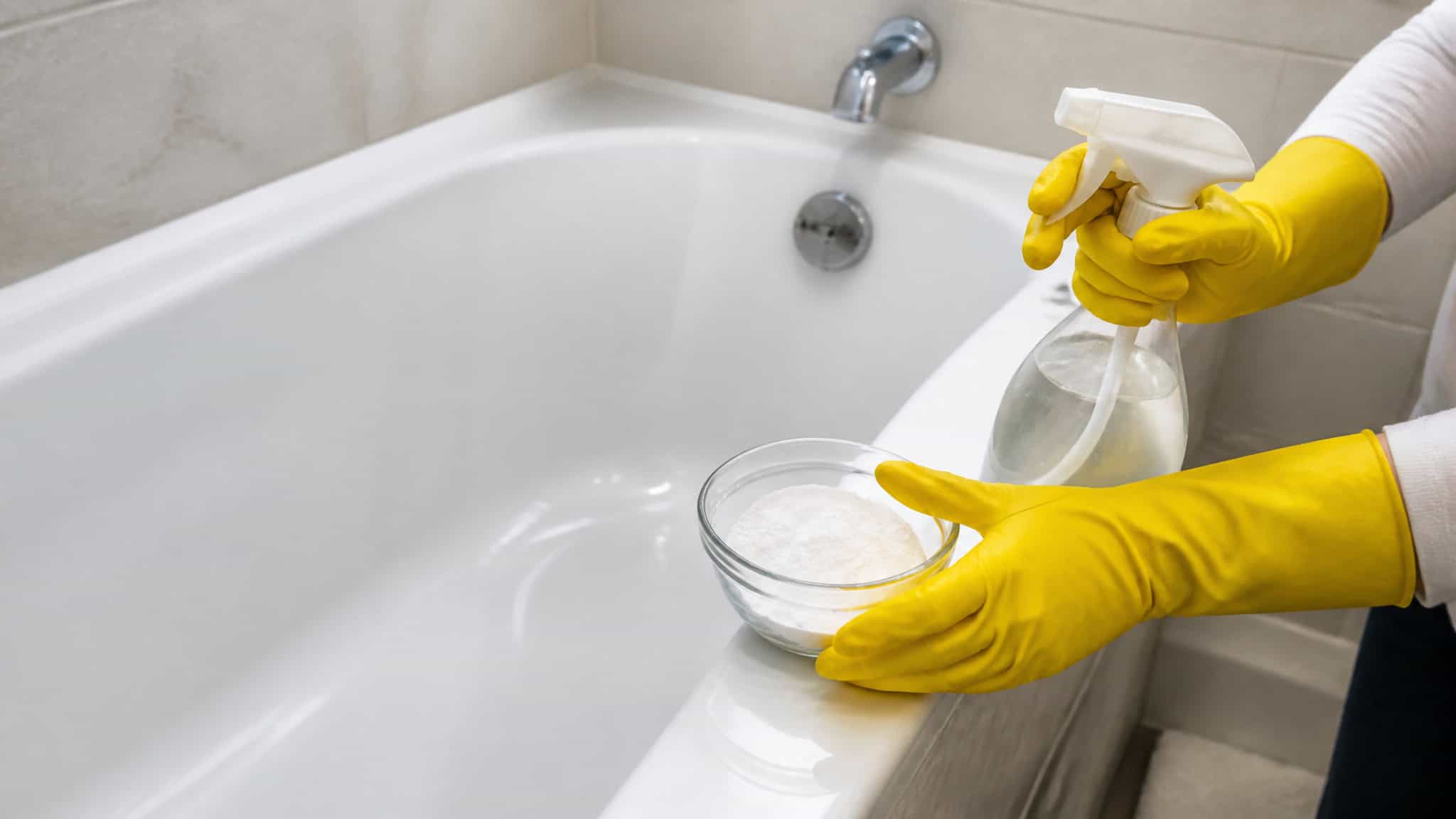
The everyday cleaner: dish soap + vinegar. Dan Deonarain, who runs NYC’s Galaxy Maids, recommends starting with the simplest approach, vinegar and dish soap. Mix them together for a basic cleaner that handles mineral buildup and everyday stains, let it sit 5-10 minutes, then rinse.
The stubborn-stain paste: baking soda + hydrogen peroxide. When something resists the basics, mix 2 parts baking soda to 1 part hydrogen peroxide into a thick paste. Let it sit about 10 minutes, then scrub gently. This duo is the workhorse for the tougher half of this article.
For most tubs, those two plus the targeted methods below handle everything you’ll meet.
How to remove hard water stains
Hard water leaves white or chalky mineral deposits that laugh at ordinary soap. Work through it in steps, after each one, rinse and check before moving on.
Step 1: the vinegar spray. Spray the stain with a 1:1 white vinegar and water mix and let it sit 10 minutes. Scrub with a soft sponge, then rinse.
Step 2: the baking soda paste. Still there? Spread a baking-soda-and-water paste over the spot, let it sit 15 minutes, then scrub and rinse.
Step 3: lemon juice or borax. A stubborn ring that survives both? Lemon juice or a spritz of borax adds extra dissolving power.
How to remove rust stains
Rust leaves those reddish-orange streaks, usually around drains or where metal objects have sat. Grab a lemon and some salt: cut the lemon in half, dunk the cut side in coarse salt, and rub it over the stain. Let it sit a few hours, the acid does the work while you do anything else, then rinse and scrub gently. Sokolowski recommends this method, with one guardrail: don’t use salt on acrylic or fiberglass tubs.
It scratches them. For those surfaces, use the lemon juice on its own.
How to remove iron stains
Iron stains look brown or reddish-brown, they’re metal deposits coming out of your water. This one uses a specific ratio: mix ½ cup hydrogen peroxide with 2 tablespoons of cream of tartar to form a paste. Spread it over the stain and give it 10 to 15 minutes. Rinse, check, and repeat if there’s still a ghost of it.
How to remove soap scum
Soap scum is that white-gray film that rides the waterline like it owns the place. Here’s where everyone reaches for the baking soda + vinegar trick, and here’s the catch that most guides skip: that reaction is abrasive, and it can damage enamel, porcelain, and fiberglass. It works well on soap scum, but only use it if your tub is one of those surfaces that can take it.
The method: sprinkle baking soda over the scum, spray vinegar over it, and let the fizz sit 15-20 minutes. Scrub well, rinse, and dry. The whole job runs about 20 minutes. If your tub is acrylic or you don’t want to risk the fizz, use the dish-soap-and-vinegar spray instead.
Cost check: Baking soda and vinegar are pennies per use, but a wrong choice can cost you a tub refinish. When in doubt, test the fizz on a hidden corner first.
How to remove black mold and mildew stains
Black means mold, it runs on damp. Sokolowski’s fix is simple: a paste of baking soda and water, smeared over the stains and left for 30 minutes. Scrub it with a nylon brush, rinse, and you’re done. If the mold keeps coming back fast, check your grout or ventilation, that’s a separate problem from a stained tub.
How to remove blue-green (copper) stains
Blue-green stains are a message from your pipes, copper is corroding, especially if your water runs acidic. The method is the same lemon-and-salt rub as rust: cut a lemon, dunk it in coarse salt, rub over the stain, rinse well. Same warning: skip the salt on acrylic or fiberglass.
Bigger issue to flag: this stain isn’t just a cleaning problem. If it keeps returning no matter what you do, a plumber might be the real fix. A cleaner can buy you time, but it won’t stop the corrosion at the source.
How to remove pink bacteria stains
Pink is the stain that confused me for a year, it’s not mold, it’s biofilm-forming bacteria that thrive in damp corners. That’s why mold sprays do nothing to it.
The fix: mix hydrogen peroxide and water in equal parts in a spray bottle, spray the pink areas, let it sit 15 minutes, and scrub with a nylon brush or soft sponge. Peroxide is safe on every tub surface, so you can use this one without worrying about the material, or, when tackling a larger job, simply use the bathtub method for extra space to work in.
How to remove yellow and brown hard water rings
This is the one you want to know before your shoulders do any real work, because the soak does the job overnight.
Fill the tub partway with an equal-parts mix of white vinegar and water, enough to cover the stained area. For rings higher up on the rim, spray the mix on or lay a towel soaked in vinegar over the stain. Then walk away for a few hours, or just leave it overnight. In the morning, drain, give it a quick scrub with a brush or sponge, and rinse thoroughly. That’s the “clean a dirty bathtub without scrubbing” trick, and it works because the acid gets time to dissolve the mineral buildup instead of you fighting it elbow-first.
One note: if your yellow-brown stain leans red, use the rust method above. If it’s greasy rather than chalky, start with the dish-soap-and-vinegar spray.
Stains that mix or won’t quit
Real life: your tub usually has a hard water ring, a soap scum band, and a pink patch all at once. That’s normal. Work top to bottom: start with the universal dish-soap-and-vinegar spray to lift the general grime, then apply the targeted method for each specific stain you identified. The overnight vinegar soak for the hard water ring, the peroxide spray for the pink, the baking soda paste for any mold spots.

And here’s the part nobody tells you: expect to repeat a method more than once. Stains that have been baking in for years don’t always release on the first attempt. That’s not failure, it’s normal. Reapply, rescrub, rinse, check. Persistence is the secret ingredient.
Prep the bathroom and finish the job right
Before you start, do yourself three favors:
- Clear the rim, soap, bottles, rubber ducks, all of it.
- Open a window or switch on the exhaust fan; some of these acid-based methods get fragrant.
- Put on gloves if you want to keep your hands intact.
After every method, the same finish:
- Rinse the whole tub with clean water, leaving cleaner residue behind invites the next ring.
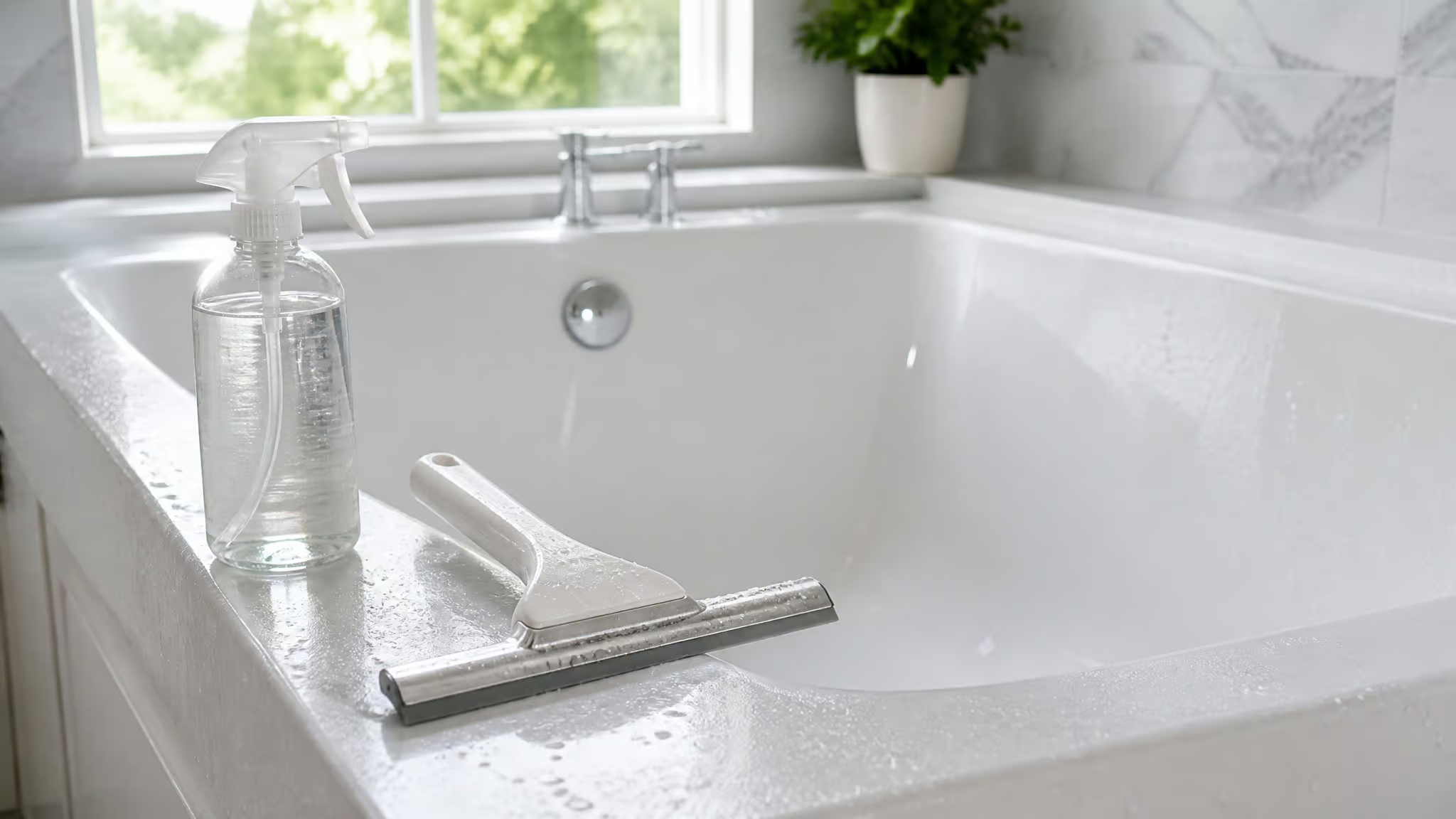
- Dry with a microfiber cloth. It prevents water spots and cuts down on the mineral buildup that starts this whole cycle again. If you’re dealing with hard water stains, a 15-minute vinegar soak can help break them down before you wipe.
- Repeat the steps until the stain is completely gone.
And if you only have five minutes and need the quick version for a busy morning, the five-minute fast routine is a different, abbreviated game.
What NOT to do: the safety rules that save your tub
Let’s answer the question everybody asks before they ruin something: can you use bleach on bathtub stains? Depends. Bleach is safe and a great disinfectant for many bathroom surfaces, and some of the best commercial options are bleach-based. But never on stone, it can damage it, especially if the tile is chipped or cracked, and never mixed with any other cleaner.
That combination kicks off toxic fumes. Bleach has a heavy scent, can irritate skin, eyes, and lungs, and needs to be used alone, every time, in a ventilated room.
Beyond the bleach rules, there are four cleaner-versus-surface warnings worth memorizing.
The baking soda + vinegar fizz is abrasive. Great for soap scum, but the reaction can damage enamel, porcelain, and fiberglass. On those surfaces, use the dish-soap-and-vinegar spray instead.
Vinegar and stone don’t mix. Vinegar etches stone and its sealant. Never use any vinegar-based method on a stone tub, even though diluted vinegar is safe on acrylic, fiberglass, and porcelain, stone is the exception that ruins the finish.
Salt is only safe on some surfaces. Salt scrapes acrylic and fiberglass, so skip the lemon-and-salt rub there and use the lemon juice alone.
Heavy abrasives wreck finishes. Scouring powder and steel wool damage porcelain; heavy scrub brushes scratch acrylic. When in doubt, spot-test any new cleaner on a small, hidden area first. That’s the cheapest insurance policy in the cleaning world.
Best commercial bathtub cleaners for every stain
Not everything needs a DIY method, sometimes you want the convenience of a spray and the work is done for you.
How these were chosen. Based on hands-on testing of nearly two dozen cleaners on tile, painted, and porcelain surfaces on soap scum, dirt, hard water, rust, mold, and mildew, evaluating application, scent, drips, and scrubbing needed, and final shine, here are the picks that earned a spot.
Scrubbing Bubbles Easy Clean Multi-Purpose Foam, best overall. This is the one that works. It cuts through soap scum, dirt, hard water, and mildew with minimal scrubbing, and it’s the best all-around bathtub cleaner of the bunch. It comes in a trigger spray or an aerosol can, it applies evenly with no drips, and it’s tidy.
The tradeoff: that classic “bathroom cleaner” scent lingers for a few hours, so open a window. Let it sit about a minute and wipe once with a microfiber cloth. Solid choice that does the job without much effort.
Stardrops The Pink Stuff Miracle Multi-Purpose Cleaner, runner-up. The Pink Stuff tackles soap, dirt, grime, and limescale impressively, leaving surfaces bright and tidy, nearly as good as the top pick. The honest drawback: it drips and runs badly on vertical surfaces, so you’ll be wiping up after it. The spray didn’t apply evenly, but it didn’t streak either. Fair trade if you want the cleaning power.
Mrs. Meyer’s Clean Day Vinegar Gel Cleaning Spray, best natural. If you want to avoid harsh chemicals, this one cleans with vinegar, plant-based ingredients, and essential oils. The gel consistency cuts through grease, dirt, and hard water, and it even whitened the grout around tile, bonus. Tradeoffs: it has a pickle-like smell thanks to the vinegar (brace yourself), and it takes some effort to wipe up. It leaves clear, shiny porcelain and tile, though.
Zep Foaming Shower Tub and Tile Cleaner, best for tile. This one was impressive on tile, clearing residue with scrubbing and leaving it shiny, with no heavy scent at all. The catch: it drips when you apply it, and it performed weakly on the tub itself. Simple verdict, use it on your tile, pick something else for the tub.
Clorox Multi-Surface Cleaner + Bleach, best heavy-duty. When something needs extra power, this bleach-based spray removes dirt and soap without scrubbing, just a few seconds of sitting and it lifts. It can also whiten and take on mold and mildew stains. The cost: heavy scent (ventilate, seriously), and never, under any circumstance, mix it with other cleaners.
Toxic fumes pose a real danger. The bleach rules above apply in full.
CLR Brilliant Bath Foaming Cleaner Spray, best for hard water and rust. If your problem is mineral buildup specifically, this gentler foaming formula visibly whitened hard water stains in testing and also handled soap scum and dirt. It’s less multipurpose than the original CLR, so it’s not your whole-tub cleaner, but for mineral rings, it’s the right tool.
Lysol Mold & Mildew Remover, best for mold and mildew. This one’s the standout for black spots. In testing, it turned dark, fuzzy brown stains to a softer gray and dissolved the mold almost instantly, no scrubbing required. It’s bleach-based, kills mold, and whitens. Same warnings as any bleach product: use alone, ventilate, heavy scent.
Three more worth knowing.
- Wet and Forget Weekly Shower Cleaner: a between-cleanings prevention spray, not a heavy-duty cleaner, you use it to stop stains from forming.
- Original CLR: tackles rust home-wide and is more multipurpose than CLR Brilliant Bath if you have rust in other spots too.
- Mrs. Meyer’s Clean Day Baking Soda Cream Cleaner: effective on oils and grease like soap scum, but it’s not a spray, so getting it onto vertical shower walls takes some effort.
How to pick a commercial cleaner.
- Type: sprays and foam sprays are the easiest. Powders and gels do good work but usually need more scrubbing, and more patience.
- Compatibility: check the surface your tub is made of, and patch-test anything you’re unsure about.
- Formula: acids, plant-based ingredients, and bleach each come with different tradeoffs. Bleach needs ventilation and has strict safety rules.
- Scent: a heavy fragrance might be a dealbreaker in a small bathroom, pick accordingly.
Quick test: Spray any new cleaner on a hidden corner of the tub. Wait five minutes, wipe, and check for etching or dullness before you commit to the full job.
Prevent stains before they start
Painful truth: a bath that still looks dingy immediately after cleaning usually isn’t dirty, it’s mineral buildup, soap scum, or biofilm that your general-purpose cleaner missed. Matching the method to the stain type is the fix. These habits keep it from coming back:
- The 15-minute fan rule. Run the exhaust fan during the shower and for 15 minutes after. Around here we learned this the hard way, and it helps with mold more than almost any product.
- Clean after baths. A quick wipe or rinse after each bath stops oils and soap scum from accumulating. It takes two minutes.
- Weekly shower scrub. Thirty seconds in the shower with a squeegee or sponge keeps the pink at bay.
- Seasonal deep clean. Schedule a full deep clean every 6-12 months, that’s when you break out the overnight vinegar soak.
- Preventive sprays. Wet and Forget between cleanings makes the hard-water ring a non-issue.
If you’ve done all this and the stains keep coming back no matter what, it’s not a technique problem, it might be your water quality, or something a plumber should look at, like corroded pipes. When the ordinary fixes stop working, that’s the signal to call in a professional who can treat the actual source instead of the symptom. If you’d rather hand the whole job to someone else, services like Merry Maids, which are provided by independently owned and operated franchises, offer insured and bonded cleaners who can visit on a weekly or bi-monthly basis, while Homeaglow is another option worth comparing.
Now go point your sponge at that ring. This time, it knows it’s beaten. And if you’d rather not fight it yourself, remember that professional cleaners like Merry Maids are insured and bonded, and their services come from independently owned and operated franchises, so you know you’re in good hands.
Frequently Asked Questions
How to clean a heavily stained bathtub?
Start by identifying your tub material with a magnet test, then read the stain’s color to match the right cleaner. For most stains, a dish soap and vinegar spray or a baking soda and hydrogen peroxide paste will work. For tough hard water rings, an overnight soak with equal parts vinegar and water does the job without scrubbing.
How do I get my bathtub white again?
To restore whiteness, first determine if the discoloration is from hard water, soap scum, or mold. Use a vinegar and water spray for mineral buildup, a baking soda paste for mold, and a hydrogen peroxide spray for pink bacteria stains. Rinse thoroughly and dry with a microfiber cloth to prevent new stains from forming.
What is the best thing to get stains out of the bathtub?
The best cleaner depends on the stain type: use a lemon and salt rub for rust, a baking soda and hydrogen peroxide paste for stubborn spots, and a vinegar soak for hard water rings. For a commercial option, Scrubbing Bubbles Easy Clean Multi-Purpose Foam is a top all-around choice that handles soap scum, dirt, and mildew with minimal effort.
Why does my bathtub still look dirty after cleaning?
A tub that looks dirty after cleaning usually has mineral buildup, soap scum, or biofilm that a general-purpose cleaner missed. The fix is to match the cleaner to the stain type—for example, use vinegar for hard water and hydrogen peroxide for pink bacteria. Also, rinse and dry the tub after cleaning to prevent residue from attracting new grime.
What’s the difference between pink and black bathtub stains?
Pink stains are caused by biofilm-forming bacteria, not mold, which is why mold sprays often don’t work on them. Black stains are mold or mildew, which thrive in damp areas. Use a hydrogen peroxide spray for pink stains and a baking soda paste for black mold.
How do I remove rust stains from my bathtub?
Cut a lemon in half, dip it in coarse salt, and rub it over the rust stain. Let it sit for a few hours, then rinse and scrub gently. Avoid using salt on acrylic or fiberglass tubs—use lemon juice alone on those surfaces to prevent scratching.