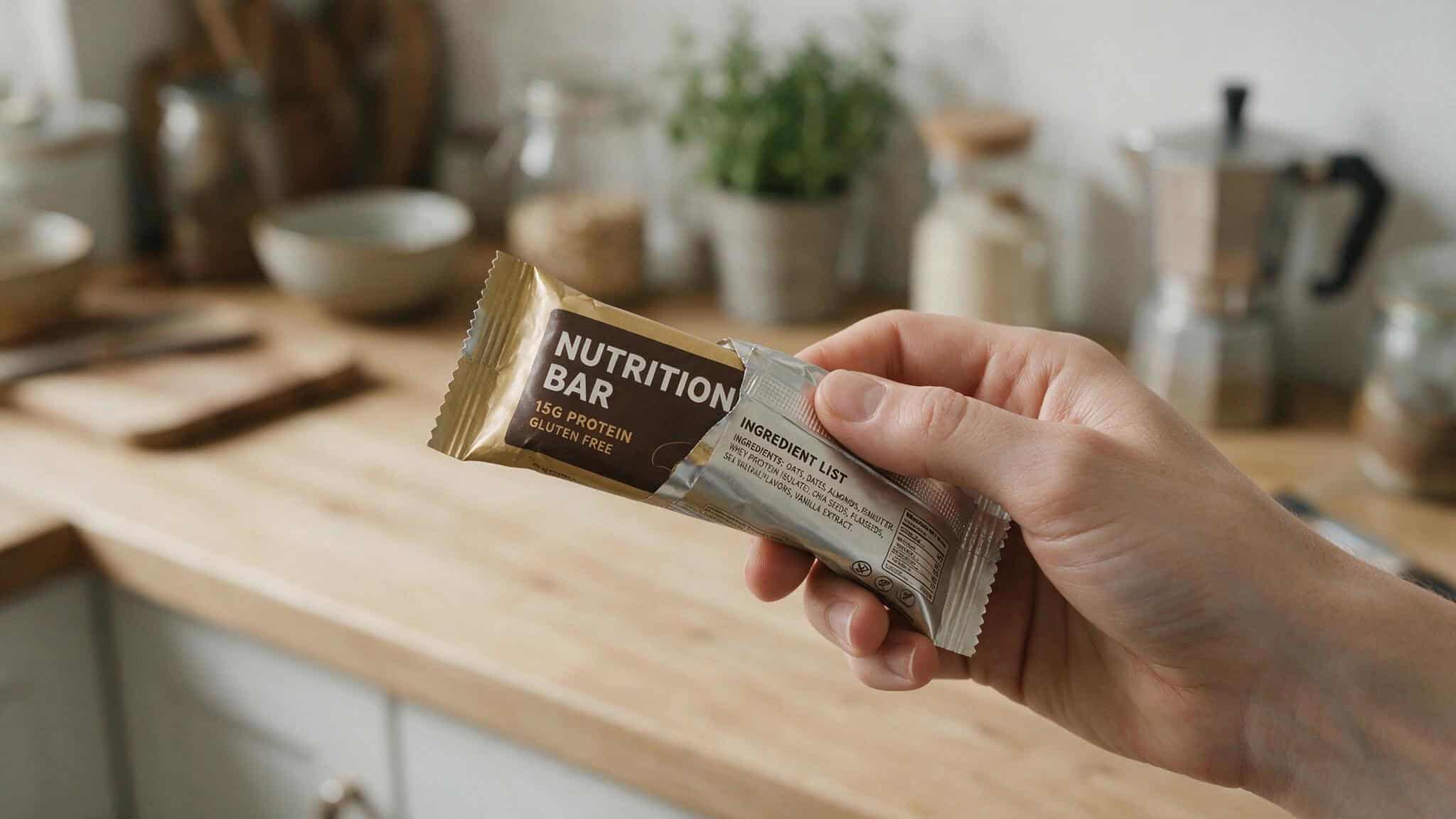
The bar looks clean — bold claims on the front, nice packaging, a price that says “premium.” But then you flip it over, and the ingredient list reads like a chemistry quiz you didn’t study for. It’s not a certification you can stamp on a box; it’s a way of reading labels that cuts through the marketing.
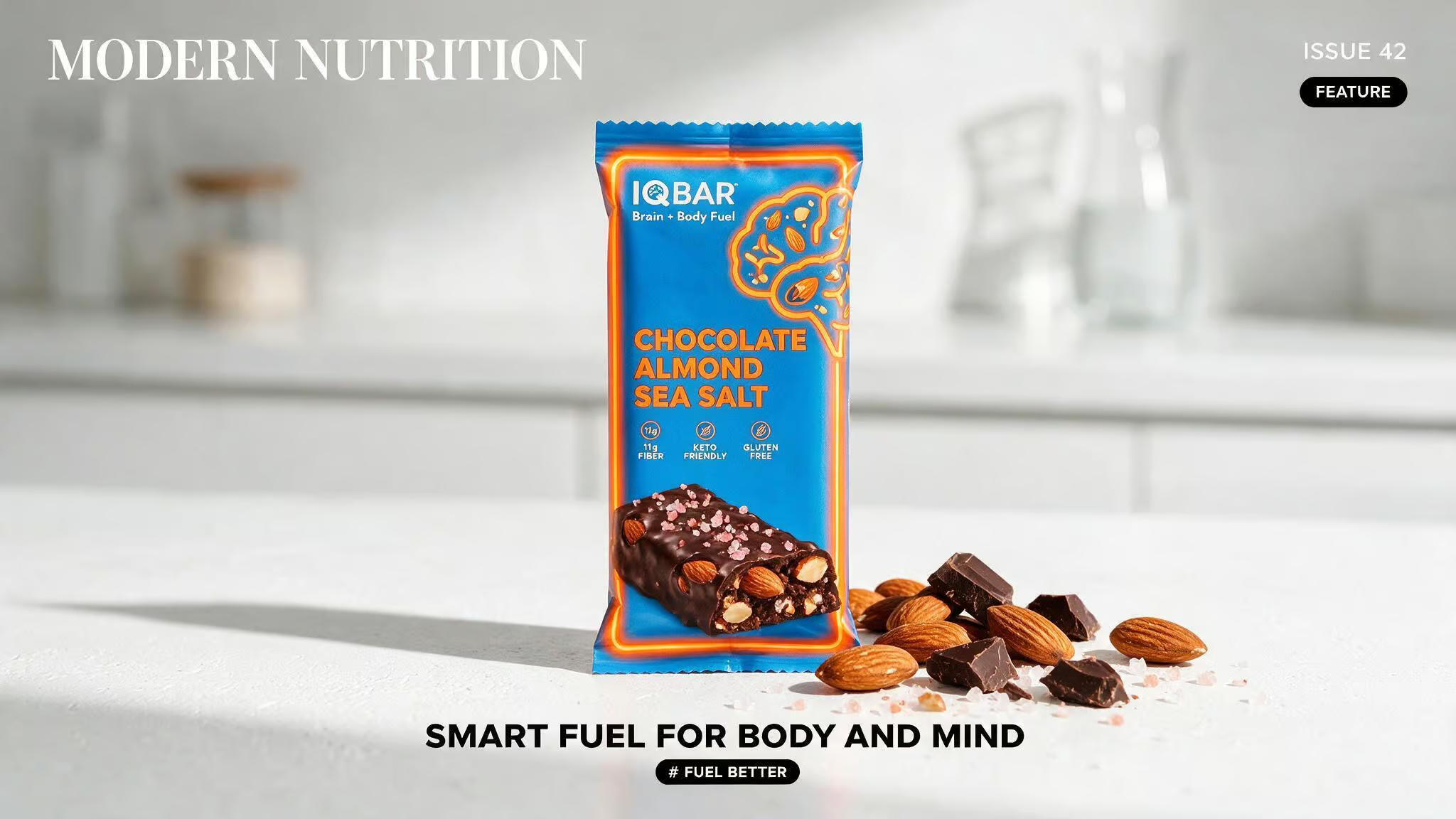
They’re positioned as ‘Superior Brain + Body Fuel,’ packed with magnesium and adaptogens, and they check off a long list of dietary claims. But do they hold up when you run them through the Bobby Approved lens? That’s what I wanted to find out, point by point.
Key Takeaways
IQ Bars meet the seed oil‑free swap (one of the four Bobby Approved smart swaps) and carry meaningful claims like non‑GMO and gluten‑free, but their “low sugar” claim doesn’t specify the sweetener, which leaves the fruit‑sweetened swap unconfirmed.
The plant protein source is likely an isolate (processed concentrate), which sits in a gray area against the “real food first” criterion — it’s not whole food, but it’s not synthetic either.
Overall, IQ Bars align partially with the philosophy: they’re an upgrade over conventional snack bars, but they don’t fully meet the “you should recognize every ingredient” standard without closer label inspection.
Table of Contents
Are IQ Bars Bobby Approved? What This Question Actually Asks
Before you can answer whether a specific product fits, you need to know what “Bobby Approved” means — because it’s not a seal you’ll find on a shelf. Bobby Approved is built on the idea of ingredient awareness—knowing what you’re eating—and it uses four criteria: transparency, real food, no hidden additives, and quality over cost‑cutting. The idea is that every component of what you eat should be recognizable. No umbrella terms like ‘artificial flavors’ that let companies hide cheap substitutes. No ingredient you can’t pronounce without a chemistry textbook.
The framework also comes with four practical smart swaps — upgrades rather than eliminations. Instead of conventional dairy, choose grass‑fed dairy products over conventional options from grain‑fed cows. Instead of refined sugar or artificial sweeteners, choose fruit‑sweetened items over products containing refined sugars or artificial sweeteners. Instead of protein from fillers and binders, choose clean protein sources over options bulked up with fillers and binding agents.
Instead of highly processed vegetable oils, choose seed oil‑free alternatives over products cooked in highly processed vegetable oils. These swaps give you a concrete checklist: you don’t have to cut out entire food categories, just find a better version of the thing you already like.
So when someone asks “Are IQ Bars Bobby Approved?” they’re really asking: Does this bar pass each of those four tests? Is the ingredient list clear? Does it use whole foods? Are there hidden additives?
Are the ingredients premium or cost‑cutting? That’s the evaluation I’ll walk through here.
What IQ Bars Actually Claim About Their Ingredients
Let’s start with what the brand says about itself. IQBAR makes plant protein bars (their main line), plus a hydration mix called IQMIX and an instant coffee called IQJOE. All are marketed as ‘Superior Brain + Body Fuel’ with added magnesium and adaptogens.
The bars carry six dietary claims that appear repeatedly in their marketing: vegan, low sugar, keto/paleo‑friendly, non‑GMO, seed oil free, and gluten free. That’s a lot of boxes checked, and the repetition makes you notice — they want you to see those badges as shorthand for “clean.”
They also offer a subscription model: 15% off with the flexibility to edit, swap, skip, or cancel anytime, plus early access to new products and free samples.
Now, those claims are a starting point. But claims aren’t the same as ingredient lists. Let’s see how each Bobby Approved criterion holds up.

Transparency Over Marketing: Does IQBAR Pass the Ingredient Clarity Test?
First criterion: ingredient clarity. Every ingredient should be recognizable and understandable without a chemistry background. No umbrella terms. The fact that IQ Bars repeat their six claims six times across marketing could itself be a tactic to overwhelm consumers with badges, ironically conflicting with the philosophy’s emphasis on ingredient clarity over marketing.
IQ Bars’ front‑of‑package claims are clear and specific: “vegan,” “non‑GMO,” “seed oil free.” Those are straightforward. “Low sugar” tells you the sugar content is low, but it doesn’t name the sweetener. “Plant protein” tells you the protein comes from plants, but not which plant — and the label doesn’t say whether it’s whole‑food protein or an isolated concentrate. For a breakdown of how the IQ bar Yuka score evaluates these ingredients and additives for health‑conscious moms, that specificity matters.
The Bobby Approved philosophy flags this as a typical failure pattern: a product that markets itself as clean but uses broad categories where a specific name should be. “Natural flavors” is the classic example. IQ Bars don’t appear to use that exact umbrella term, but “plant protein” and “low sugar” function similarly — they describe a category without naming the specific ingredient. You’d need to flip to the actual ingredient list to find out, and even then, some of those specifics aren’t highlighted.
Partial pass here. The claims are clear about what they claim, but they don’t satisfy the you should be able to read this and know exactly what’s inside standard. The marketing is transparent about its selling points, but not about every component.

Real Food First: Is Plant Protein Isolate a Whole Ingredient?
The second criterion is real food first: whole ingredients over synthetic substitutes and lab‑created flavors. The preference is for ingredients that come from a farm, not a factory.
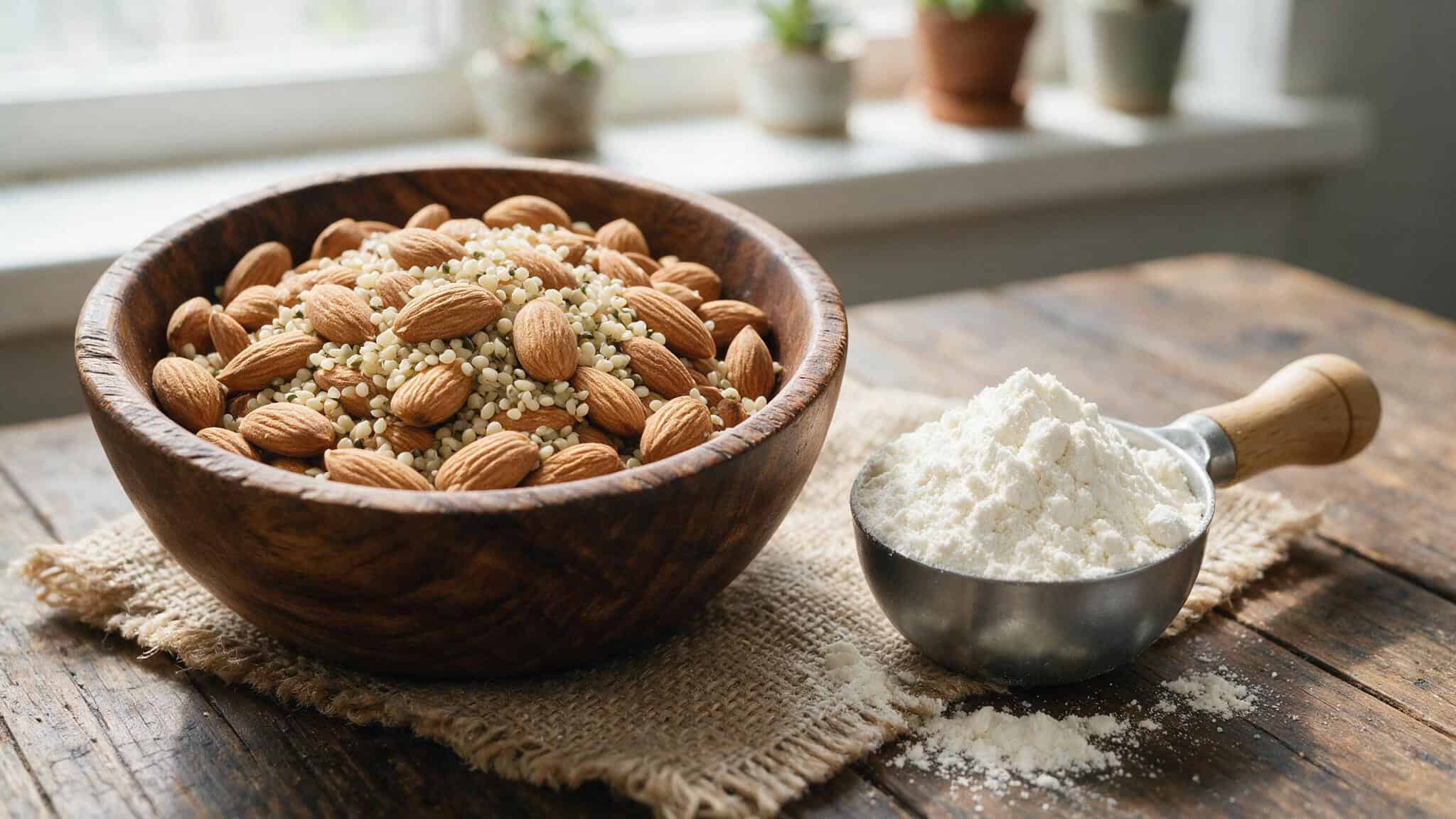
IQ Bars use “plant protein.” In most plant‑based bars, that means an isolate — typically from peas, brown rice, or soy. Isolates start as whole plants, but they’re processed to strip away fiber, fat, and other components, concentrating the protein. That processing makes them a gray area.
They’re not synthetic — no one is building a protein molecule from scratch, but they’re also not whole food. A handful of almonds is a whole‑food protein source. Almond protein isolate is not.
The Bobby Approved framework prefers the former. The clean protein swap specifically calls out fillers and binding agents as things to avoid, and isolates hover near that line. They’re not fillers; they do provide protein. But they’re also a processed ingredient that you wouldn’t find in a whole‑food kitchen.
Most plant protein bars rely on isolates because whole seeds and nuts don’t concentrate protein efficiently. IQ Bars aren’t alone here. But the question isn’t whether they’re typical — it’s whether they meet the real‑food‑first standard. I’d say partial fail on this specific criterion, with the caveat that it’s a common industry practice and not a deliberate cost‑cutting shortcut.
No Hidden Additives: What Sweetener Are They Using?
Third criterion: no hidden additives. Reject ingredients masked by umbrella terms like ‘artificial flavors.’ Vague terms like “artificial flavors” are a red flag because they let companies hide cheap or low‑quality ingredients.
IQ Bars claim “low sugar,” which is positive on the surface. But “low sugar” doesn’t tell you how they achieve low sugar. It could be stevia, monk fruit, erythritol, allulose, or a blend. To get a nutritionist-informed perspective on real ingredients, the question is are IQ bars actually good for you?
The Bobby Approved smart swap specifically prefers fruit‑sweetened items over products containing refined sugars or artificial sweeteners — real fruit brings flavor and nutrients, not just sweetness. “Low sugar” is not the same as “fruit‑sweetened.” In fact, a low‑sugar bar could use a refined sugar alternative like erythritol (which is fine for some people but still processed) or even a sugar alcohol that causes digestive issues for others.
There’s also the matter of “adaptogens.” That’s a functional category — a group of ingredients said to help the body handle stress, but it’s not a specific ingredient name. The philosophy would ask: which adaptogens? Are they named individually?
If IQ Bars list specific adaptogens (like ashwagandha or lion’s mane) on the ingredient label, that’s fine. If they just say “adaptogen blend,” that’d be an umbrella term.
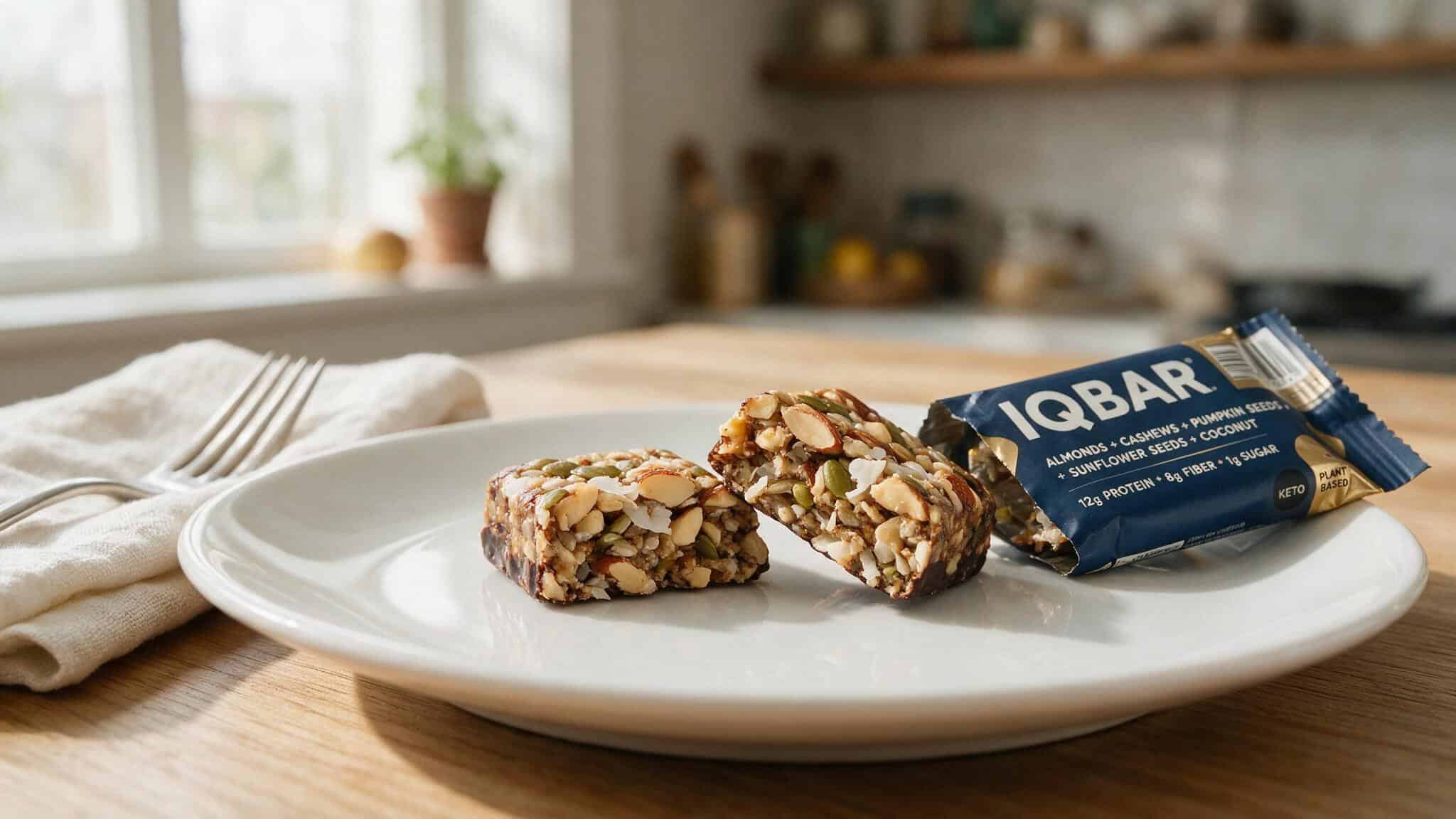
From the marketing copy alone, the sweetener type and the specific adaptogen names aren’t clarified. You’d need to check the actual label on the box. This is a partial outcome: the bars appear to avoid obvious red flags, but the lack of specific sweetener disclosure means they don’t meet the no‑hidden‑additives standard. For someone managing blood sugar — like a diabetic, this missing detail matters a lot. Without knowing the sweetener, you can’t evaluate the glycemic impact.
Quality Over Cost‑Cutting: Do IQ Bars Use Premium Ingredients?
Fourth criterion: quality over cost‑cutting. Support products that use premium ingredients instead of cheap fillers. The real cost is what those fillers do to your body over time.
IQ Bars have two positives here: non‑GMO and seed oil free. The seed oil‑free claim aligns directly with one of the four smart swaps — that’s a match. They avoid the inexpensive, highly processed vegetable oils (soybean, canola, etc.) that are everywhere in packaged foods.
But “seed oil free” is a baseline, not a ceiling. The question is: what fat source replaces the seed oils? It could be coconut oil, palm oil, or another relatively processed fat. The quality criterion asks whether the replacement is itself a premium ingredient. The source material doesn’t specify the fat source, so that’s a gap a label‑reading shopper would need to fill.
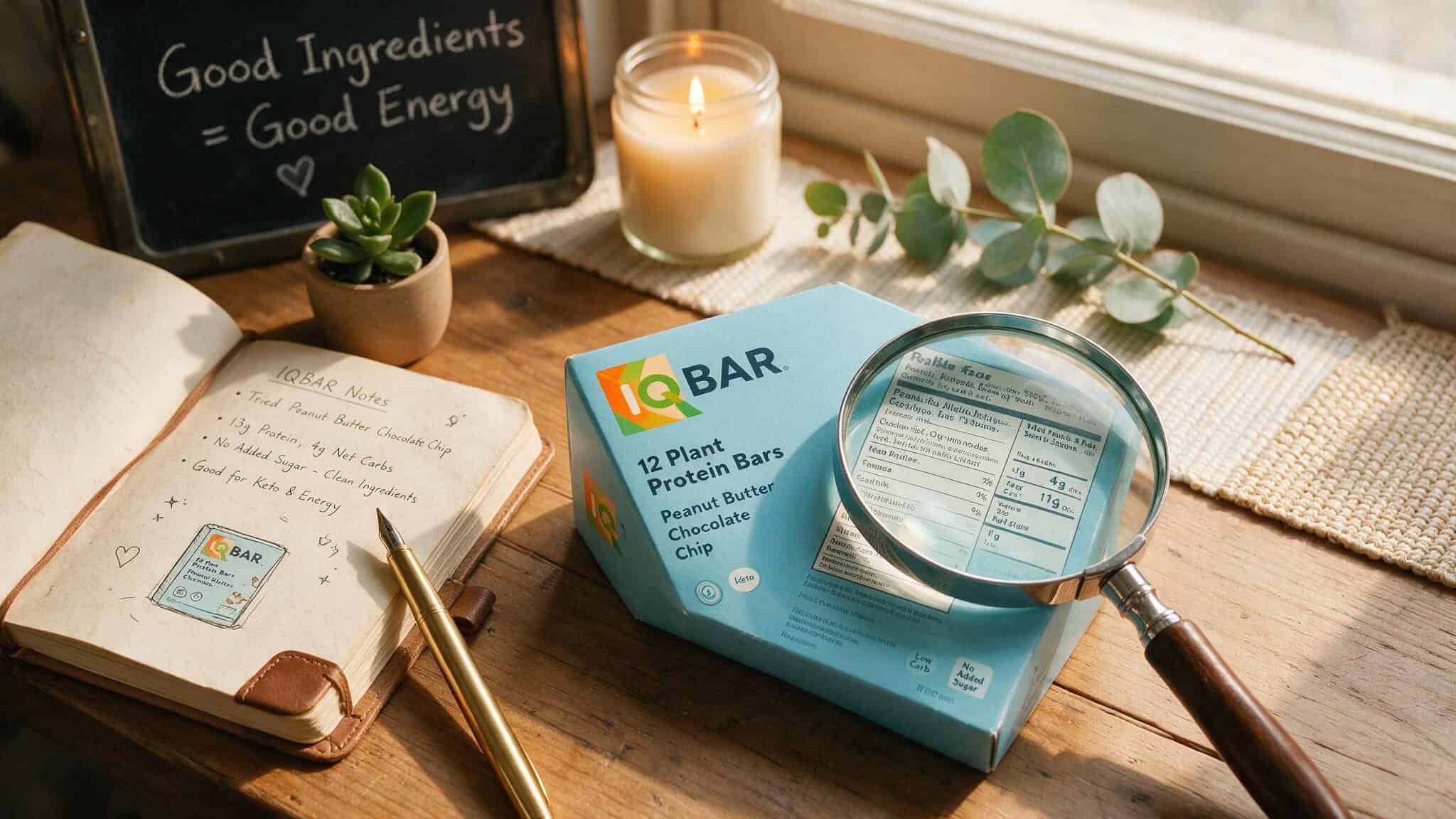
Similarly, the protein source (likely an isolate) sits in a cost‑effectiveness zone. Isolates are cheaper than whole‑food proteins like almond flour or hemp seeds. That’s not automatically a mark against them — isolates still provide quality protein, but it’s not the “premium ingredient” the criterion favors.
On balance, IQ Bars score decently here. The seed oil‑free and non‑GMO claims are quality signals. But the lack of detail on the fat source and the processed nature of the protein leave room for improvement.
Smart Swaps vs. Restriction: Are IQ Bars an Upgrade or Just Keto‑Friendly?
IQ Bars market themselves as keto and paleo‑friendly, which are restriction‑based frameworks — they avoid carbs. That’s a different mentality than “find a better version.” But that doesn’t make the bars bad; it just means their marketing frame is different.
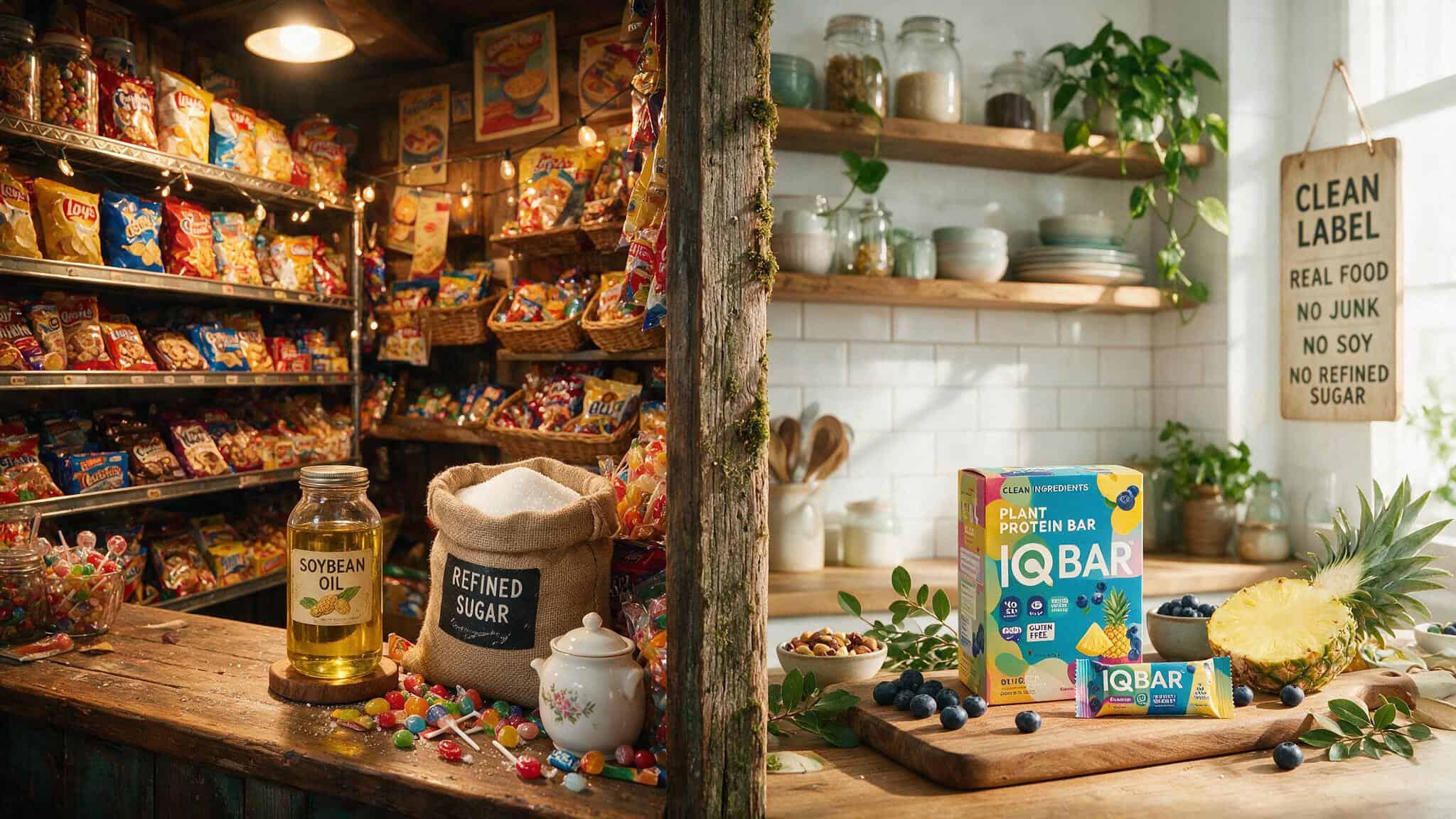
Let’s run the four smart swaps against IQ Bars:
- Grass‑fed dairy: Not applicable — the bars are vegan. Neutral.
- Fruit‑sweetened: Unconfirmed. “Low sugar” doesn’t guarantee fruit as the sweetener. Gap.
- Clean protein: Partial. Plant protein is used, but it’s likely an isolate, which is processed. Not the whole‑food ideal, but not filler either.
- Seed oil free: Confirmed. This swap is met.
Even with the partials, compare IQ Bars to a typical snack bar — one loaded with refined sugar, soybean oil, and vague “natural flavors.” Against that baseline, IQ Bars are an upgrade. They avoid seed oils, they’re non‑GMO, they’re gluten‑free for those who need it, and they’re low in sugar. But they don’t quite meet the philosophy’s highest standard.
I think the answer is somewhere in the middle. They’re not a perfect Bobby Approved product, but they’re a step in the right direction for someone replacing a conventional bar. The philosophy itself emphasizes progress over perfection.
The Verdict: Are IQ Bars Bobby Approved?
Here’s where I land after going through each criterion:
- Transparency: Partial. The marketing claims are clear about the selling points, but they don’t fully disclose every ingredient component. You’d need the actual label to fill in gaps like the sweetener and the specific protein source.
- Real food first: Partial/fail. The protein isolate is processed, not whole‑food. This is the biggest tension point.
- No hidden additives: Partial. No obvious umbrella terms, but the sweetener type is undisclosed — which matters for anyone with dietary concerns.
- Quality over cost‑cutting: Partial. Seed oil free and non‑GMO are genuine positives, but the fat source and protein quality aren’t confirmed as premium.
Overall, IQ Bars align with some Bobby Approved principles — especially seed oil free and the non‑GMO sourcing, but they fall short on the “real food first” criterion because the protein source is processed, and the sweetener disclosure is incomplete. They’re not “not Bobby Approved” in a binary sense; they’re more like a product that passes a few tests and raises questions on others.
What should you do? If you’re already eating conventional protein bars, IQ Bars are a cleaner option. But if you’re aiming for the philosophy’s highest standard — every ingredient recognizable, whole foods preferred, no processing shortcuts, then you’ll want to check the label on the specific box you’re considering. Look for the exact protein source (is it pea isolate? brown rice protein?) and the exact sweetener (stevia, monk fruit, or something else?). Those two details will tell you whether these bars fit your personal version of “Bobby Approved.”
IQ Bars are available at many major retailers, including Walmart, and they’re a solid option for someone who needs convenience without the worst additives. They aren’t the cleanest possible choice if you’re holding out for a bar made entirely from whole foods.
Partially approved, with specific checks needed on the label.
Frequently Asked Questions
What is the cleanest healthiest protein bar?
The cleanest bar would meet four criteria: every ingredient is recognizable without a chemistry degree, the protein comes from whole foods like nuts or seeds rather than isolates, the sweetener is fruit-based and named specifically, and the fats are premium sources like coconut oil instead of seed oils. Most bars on the market hit some of these but rarely all four.