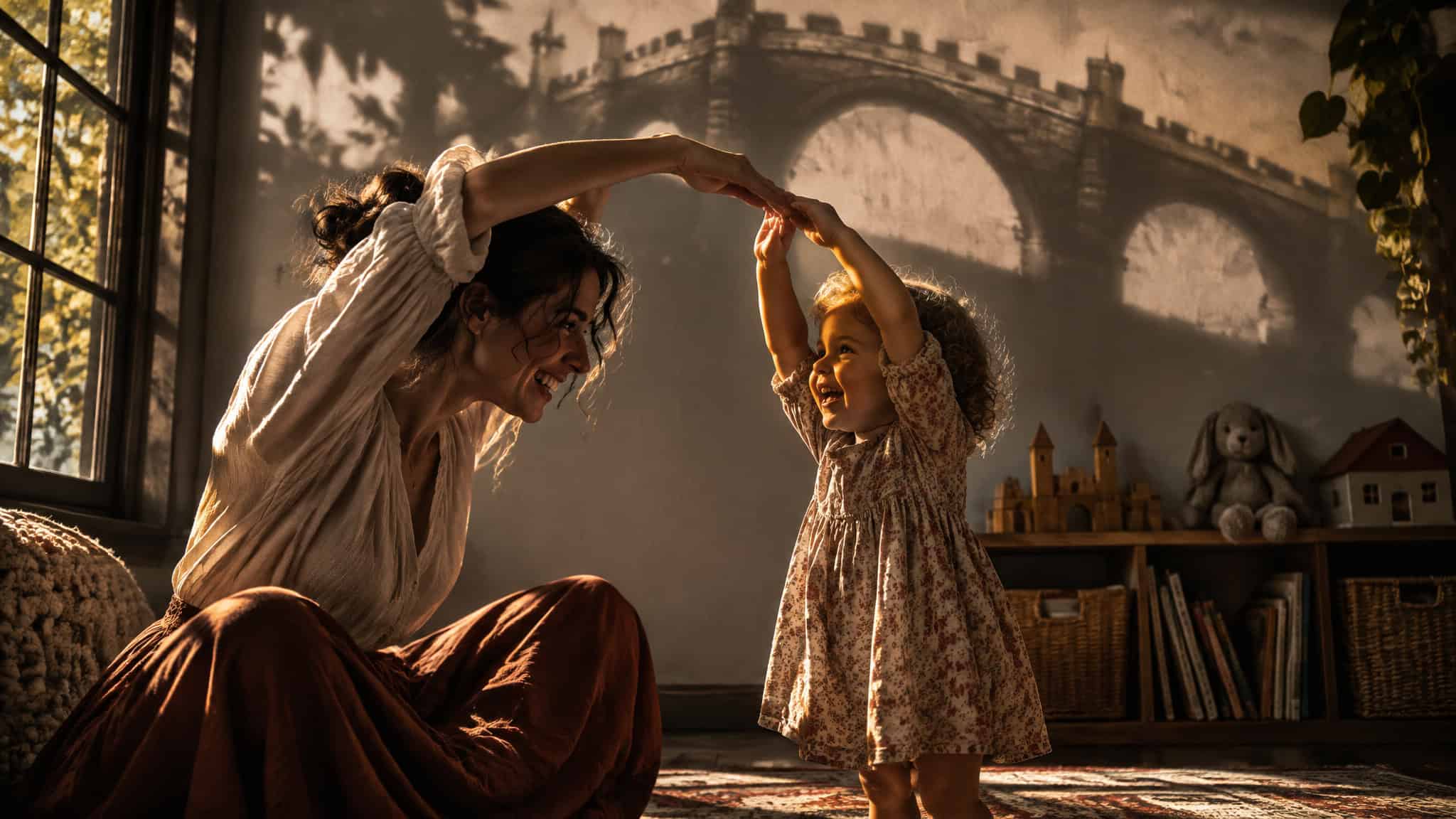
Chanting London Bridge Is Falling Down at bedtime or on the playground feels completely automatic until you remember the song keeps going past the fall, cycling through failed rebuilding materials or regional lines like taking a key and locking her up. Look up the backstory of almost any classic toddler tune, and the internet hands you a ready-made horror story. The default stock answer is Ring Around the Rosie and the 1665 plague, yet that famous theory is actually the weakest-evidenced contender on the list because The Infographics Show’s own telling dates the rhyme to 1881.
Here at Tidbits of Experience, we wanted a clear-eyed tour of these grim origin stories that grades each claim by its actual proof: documented historical record, legend, or pure interpretation, rather than sheer gore volume. That evidence test splits the crown in two. London Bridge Is Falling Down is the darkest nursery rhyme by legend for its rumor of children entombed alive in the bridge’s foundations, while the Queen Mary I rhymes take the title by documented record for hundreds of heretics burned at the stake, giving parents a practical way to decide what to keep singing.
Key Takeaways
London Bridge Is Falling Down (dated to 1744) is the darkest nursery rhyme by legend due to folklore about children entombed alive in its foundations, while Mary, Mary, Quite Contrary (1744) and Three Blind Mice (1805) hold the darkest documented historical record for tying into Queen Mary I burning over 280 religious dissenters at the stake.
The popular claim that Ring Around the Rosie encodes the 1665 Great Plague of London fails the print-date check because The Infographics Show dates the rhyme itself to 1881, leaving a 216-year gap between the outbreak and the song.
Several famous dark readings collapse under historical scrutiny, including a Jack and Jill link to King Louis XVI’s guillotine execution that’s impossible because the rhyme was written almost 30 years before his death, and a Three Blind Mice dismemberment rumor later proven false.
Table of contents
Table of Contents
What is the darkest nursery rhyme?
London Bridge Is Falling Down is the darkest nursery rhyme by legend, while the Queen Mary I rhymes (Mary, Mary, Quite Contrary and Three Blind Mice) take the title on the documented historical record. In the canon of traditional children’s verses, darkness depends on whether you judge a song by alleged human sacrifice, epidemic disease, or state executions, and several nursery rhymes carry grim real-world backstories. London Bridge Is Falling Down (dated to 1744 by The Infographics Show) takes the legend crown because its darkest reading involves children entombed alive in the foundations, re-enacted whenever kids drop an arch of arms to trap the last child inside the walls, whereas the Mary I rhymes (dated to 1744 and 1805) anchor on the documented burning of hundreds of Protestant heretics, and the famous 1665 plague candidate Ring Around the Rosie only dates to 1881.
- London Bridge Is Falling Down (1744). Grade: Legend. The refrain repeats that London Bridge is falling down and closes by addressing “my fair lady.” Alongside a debated 1014 Viking attack legend, folklore links the verse to burying children alive in the stone foundations to keep the bridge standing, mirrored by the playground arch game trapping the last player.
- Ring Around the Rosie / Ring a Ring o’ Roses (1881). Grade: Legend / Interpretation-only. Full verse: Ring around the rosie, a pocketful of posies, ashes, ashes, we all fall down. Popularly tied to the 1665 Great Plague of London (a ring-shaped red rash, posies for the smell, ashes from cremated bodies, and falling dead), its 1881 date makes it the weakest-evidenced famous answer.
- Mary, Mary, Quite Contrary (1744). Grade: Documented history, interpretive mapping. Full verse: Mary, Mary, quite contrary, how does your garden grow? With silver bells and cockleshells, and pretty maids all in a row. The history is Queen Mary I’s documented executions, though mapping the garden to graveyards and “silver bells and cockleshells” to torture instruments is interpretive.
- Three Blind Mice (1805). Grade: Documented history, interpretive mapping. Maps three Protestant bishops burned at the stake under Mary I to the mice and the carving knife to their execution.
- Goosey Goosey Gander (1784) and Ladybird, Ladybird. Grade: Documented history. Reflect 16th-century persecution of hidden Catholic priests in England.
- Georgie Porgie. Grade: Documented history. Points to royal court favorite George Villiers, Duke of Buckingham.
- Humpty Dumpty. Grade: Legend / Everyday history. Imagined as an egg, but believed to be a heavy English Civil War siege cannon blasted off a wall.
- Jack and Jill. Grade: Confessed guesswork. A speculative link to King Louis XVI and Marie Antoinette that fails the timeline.
- Peter, Peter, Pumpkin Eater. Grade: Interpretation-only. Read as a husband killing his wife, with no historical event behind it.
The darkest nursery rhyme origins are alleged rather than proven, and there’s plenty of debate among scholars over whether the events behind them ever actually happened.
Ring Around the Rosie and the plague legend
Ring Around the Rosie is widely said to symbolize the Great Plague of London of 1665, though the rhyme’s 1881 print date undercuts that claim. In traditional playground games, this short verse (called Ring a Ring o’ Roses in Britain) is the bouncy song where children hold hands in a circle and flop into the grass laughing, yet popular lore treats every line as a symptom or survival tactic from an outbreak that killed up to 15% of London’s population. In The Infographics Show’s telling, “rosie” represents the painful, highly visible ring-shaped rash, “a pocketful of posies” points to sweet-smelling blooms people carried to ward off the smell of death, “ashes, ashes” points to burning thousands of plague victims’ bodies, and “we all fall down” means dying, even as the same source dates the rhyme itself to 1881.
The plague reading, line by line
The full verse describes circling around a rosie with a pocket full of posies, followed by ashes and everyone falling down. Only London Bridge rivals it for sheer playground energy, which makes the alleged plague breakdown feel especially jarring. In the line-by-line decoding, the “rosie” was the hallmark ring-shaped rash on victims’ skin, and the posies were herbs and flowers clutched in crowded streets to cover the smell of corpses.
The ashes refer to mass cremations used to clear piles of bodies and stop the disease from spreading. Creeps Plays takes the final line even further, framing “we all fall down” as a guaranteed death sentence with zero survivors and attributing the reading to the earlier Black Death rather than the 1665 London outbreak.
The date test: 1881 versus 1665
Comparing a rhyme’s first print date against its claimed event date is the fastest way to fact-check any viral backstory. When you look up what a childhood song means, the confident plague story usually dominates the top results, while the print-date trail hides quietly underneath. Between the claimed event date of 1665 and the first print date of 1881 sits a 216-year gap. Whether someone originally wrote a harmless circle game that later got a grim backstory attached, or the dark legend is simply newer than the song, the plague connection remains an unproven story rather than settled history.
Humpty Dumpty, Baa Baa Black Sheep, and the milder rhymes
Not every dark nursery rhyme is about plague or human sacrifice, and the milder documented origins set a realistic floor for how much darkness to believe.
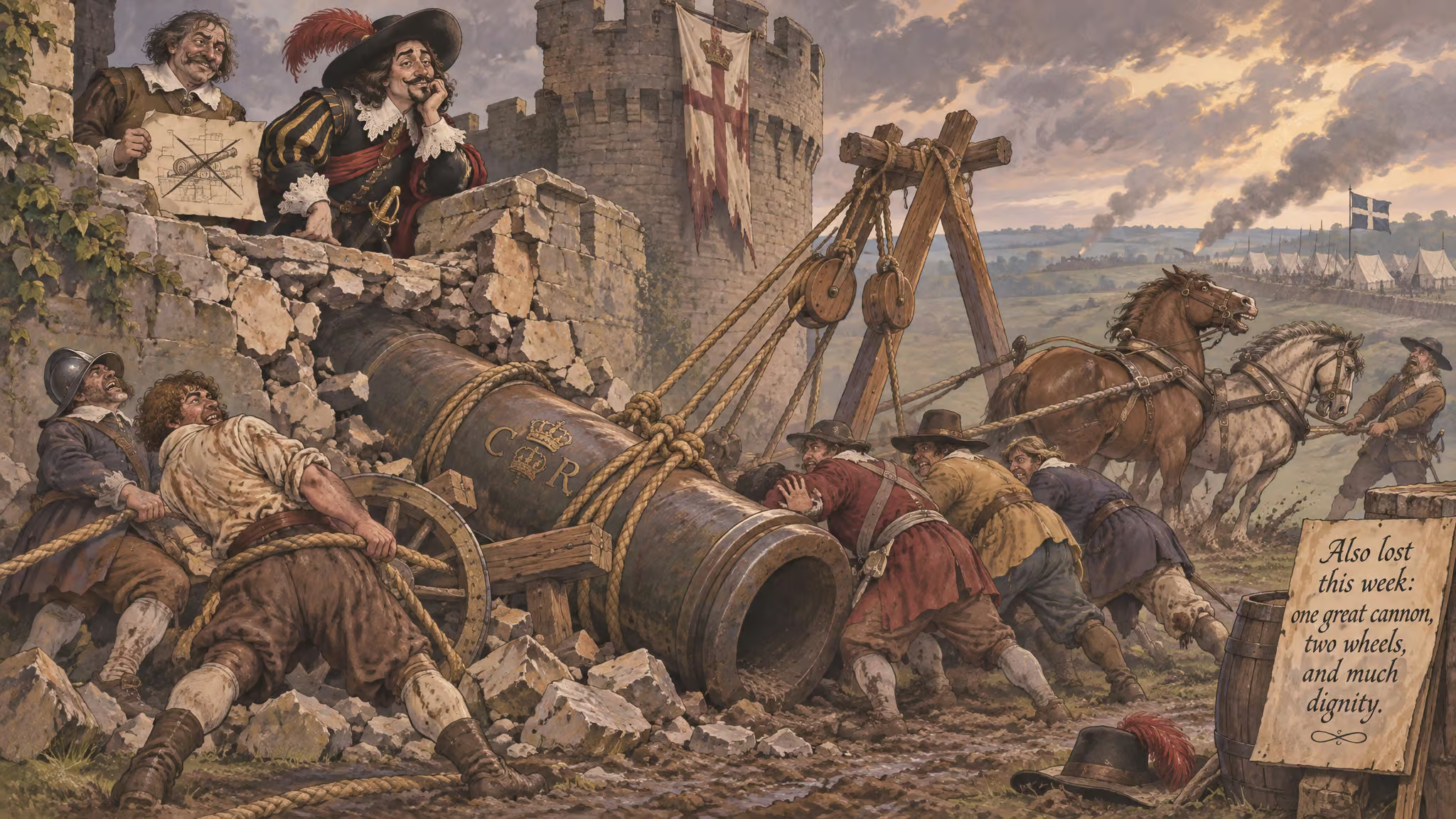
Humpty Dumpty: the cannon, not the egg
In Creeps Plays’ telling, the rhyme never once says Humpty Dumpty is an egg. The leading theory says he was a large, heavy English Civil War cannon mounted high on a wall; when the wall was damaged, the cannon fell, and none of the king’s horses and men could pull it back up.
Baa Baa Black Sheep and the 13th-century wool tax
Baa, Baa, Black Sheep points to heavy 13th-century wool taxes split three ways: one third to the crown, one third to the church, and the rest to the farmer. Black sheep were considered bad luck because their dark wool couldn’t be dyed, and the softened modern ending that gives a bag to the little boy living down the lane originally gave none to the little boy crying down the lane, leaving the shepherd boy with nothing.
Rain Rain Go Away and the Spanish Armada
Rain, Rain, Go Away originally ended rain, rain, go to Spain, never show your face again before softening to “come again another day.” It refers to the stormy weather that wrecked the Spanish Armada against a smaller, outmatched English army, leaving only 10,000 men of the Spanish fleet to make it back to Spain.
Hickory Dickory Dock and the cathedral cat
Per Weird History, Hickory Dickory Dock may trace to Exeter Cathedral in southwest England, which had a large 15th-century astronomical clock showing both the time and the phase of the moon. Staff cut a round hole in the bottom of a doorway so the cathedral’s cat could keep the clock mechanism clear of rats and mice, meaning a mouse would literally run up the clock to escape its predator.
Mary Mary Quite Contrary and Three Blind Mice
Yes, Mary, Mary, Quite Contrary and Three Blind Mice are tied to Queen Mary I (“Bloody Mary”), with a crucial split: the religious executions under her reign are verified historical fact, whereas tying individual lyrics to those events remains unproven literary theory. As England’s first solo female monarch, Mary I reigned in her own name (and also inspired the name of the unrelated childhood mirror game). After Henry VIII split from the Catholic Church after the Pope refused to annul his marriage to his first wife, Catherine, devout Catholic Mary reversed his reforms, outlawed other religions, and according to Weird History had over 280 religious dissenters burned alive at the stake.
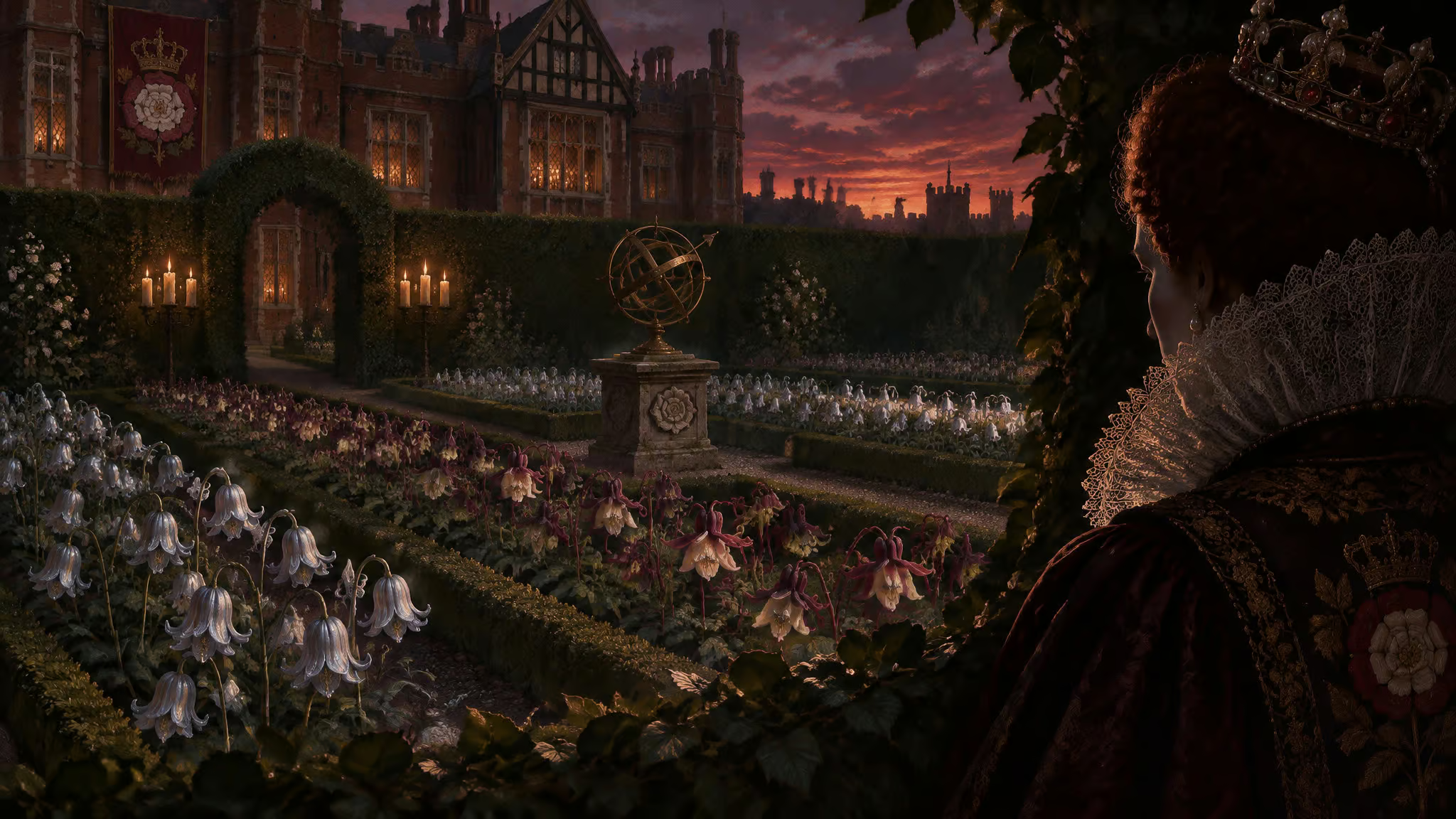
Mary Mary Quite Contrary: the Bloody Mary reading
Dated to 1744 by The Infographics Show and to the 18th century by Weird History, the verse asks: Mary, Mary, quite contrary, how does your garden grow? With silver bells and cockleshells, and pretty maids all in a row. Per Creeps Plays and Weird History, interpretive readings pair “silver bells” with thumbscrews (medieval torture devices that crushed prisoners’ thumbs) and cockleshells with other torture gear. The “garden” is read as growing Protestant graveyards (or rival theories about her lack of royal heirs, vassalage to Catholic Spain, or chief minister Stephen Gardiner), while “pretty maids” points to a guillotine-style execution device nicknamed “the maiden,” her miscarriages, or Lady Jane Grey’s execution.
Three Blind Mice and the Oxford Martyrs
Dated to 1805, Three Blind Mice describes the titular trio running after a farmer’s wife, who slices their tails off using a carving knife before the verse asks whether anyone has ever witnessed such a sight.
In breakdowns from The Infographics Show, Trust Me Bro, and The Crooked Explainer, the verse links Mary I (“Bloody Mary”) to the Oxford Martyrs: Protestant bishops Hugh Latimer, Nicholas Ridley, and Archbishop of Canterbury Thomas Cranmer, who plotted to overthrow her and were burned at the stake among roughly 300 Protestants executed in the 1550s. The “farmer’s wife” refers to Mary marrying a man with vast royal farmland, “blindness” symbolizes their refusal to give up Protestant beliefs, and a rumor that she had the three men blinded and dismembered before execution was later proven false, even though the legend stuck.
Goosey Goosey Gander and Ladybird Ladybird
Both Goosey Goosey Gander and Ladybird, Ladybird, Fly Away Home come from 16th-century England, when religious crackdowns turned ordinary homes and fields into hiding places.
Goosey Goosey Gander: priests in hiding
Per The Crooked Explainer and Creeps Plays, Goosey Goosey Gander (printed in 1784 without its closing lines before fusing a decade later with 1780’s Father Longlegs, about schoolkids pulling legs off crane flies) reflects the post-1530s era when Catholic priests faced hanging, drawing, and quartering under Elizabeth I, “left leg” was slang for Catholic, and praying in Latin instead of English gave them away. Carpenter and Jesuit lay brother Nicholas Owen built hidden priest holes behind walls, under floors, and inside chimneys before being racked to death in the Tower of London on March 2, 1606 without giving up a name (and canonized in 1970); Jesuit priest John Gerard survived a four-day search in an Owen hole while state-funded pursuivants, or priest hunters, tore the house apart.
Ladybird Ladybird: a Catholic in Protestant England
In Ladybird, Ladybird, Fly Away Home, the insect represents a 16th-century English Catholic fined for skipping Protestant mass and worshipping secretly in fields; “your house is on fire” refers to priests burned at the stake, while the verse’s last child, Anne, crept under the frying pan.
Georgie Porgie and Jack and Jill
Comparing Georgie Porgie against Jack and Jill shows the difference between the most verifiable historical figure in the nursery-rhyme canon and a famous dark backstory built on chronological guesswork.
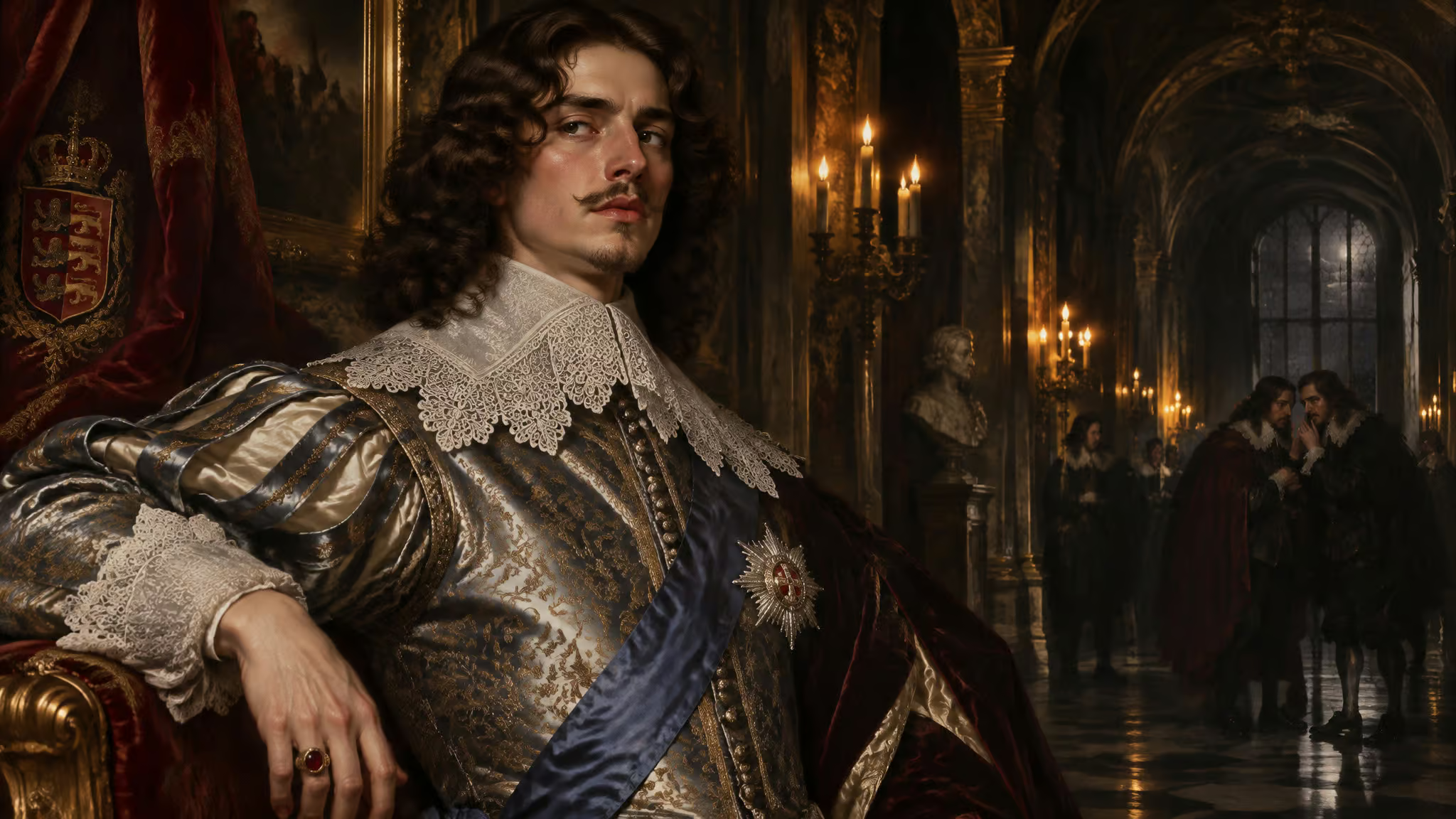
Georgie Porgie: George Villiers, Duke of Buckingham
Per The Crooked Explainer, Georgie Porgie is George Villiers (born 1592 in Leicestershire), who arrived at King James I’s court in 1614 with nothing and became a knight within a year, an earl within three, and Duke of Buckingham within nine. James I told the Privy Council in 1617 that “Christ had John, and I have George,” diarist Sir John Oglander compared James to a devoted husband, letters called Villiers his sweet child and wife, a secret passage between their bedchambers turned up at Apethorpe Palace in 2004, and after Charles I dissolved Parliament twice to shield him following failed naval expeditions to Spain (1625) and France (1627), John Felton stabbed Villiers through the heart in Portsmouth on August 23, 1628 to London street celebrations before Villiers was buried beside James I in the Henry VII Chapel.
Jack and Jill: the Louis XVI beheading theory
Per Creeps Plays and The Crooked Explainer, the speculative claim that Jack and Jill is about France’s King Louis XVI losing his crown at the guillotine with Marie Antoinette “tumbling after” (and an extended verse where Jack bound his head in bed with vinegar and brown paper to spare kids the ending) fails the timeline completely.
London Bridge Is Falling Down: the darkest contender
No, London Bridge Is Falling Down doesn’t refer to documented human sacrifice, though the rumor of children entombed alive in its foundations remains the darkest legend attached to any nursery rhyme. Across competing origin theories that range from a 1014 Viking raid and medieval structural collapses to ancient foundation-sacrifice myths, the song (dated to 1744 by The Infographics Show) repeats a simple warning to a fair lady that London Bridge is repeatedly falling down.
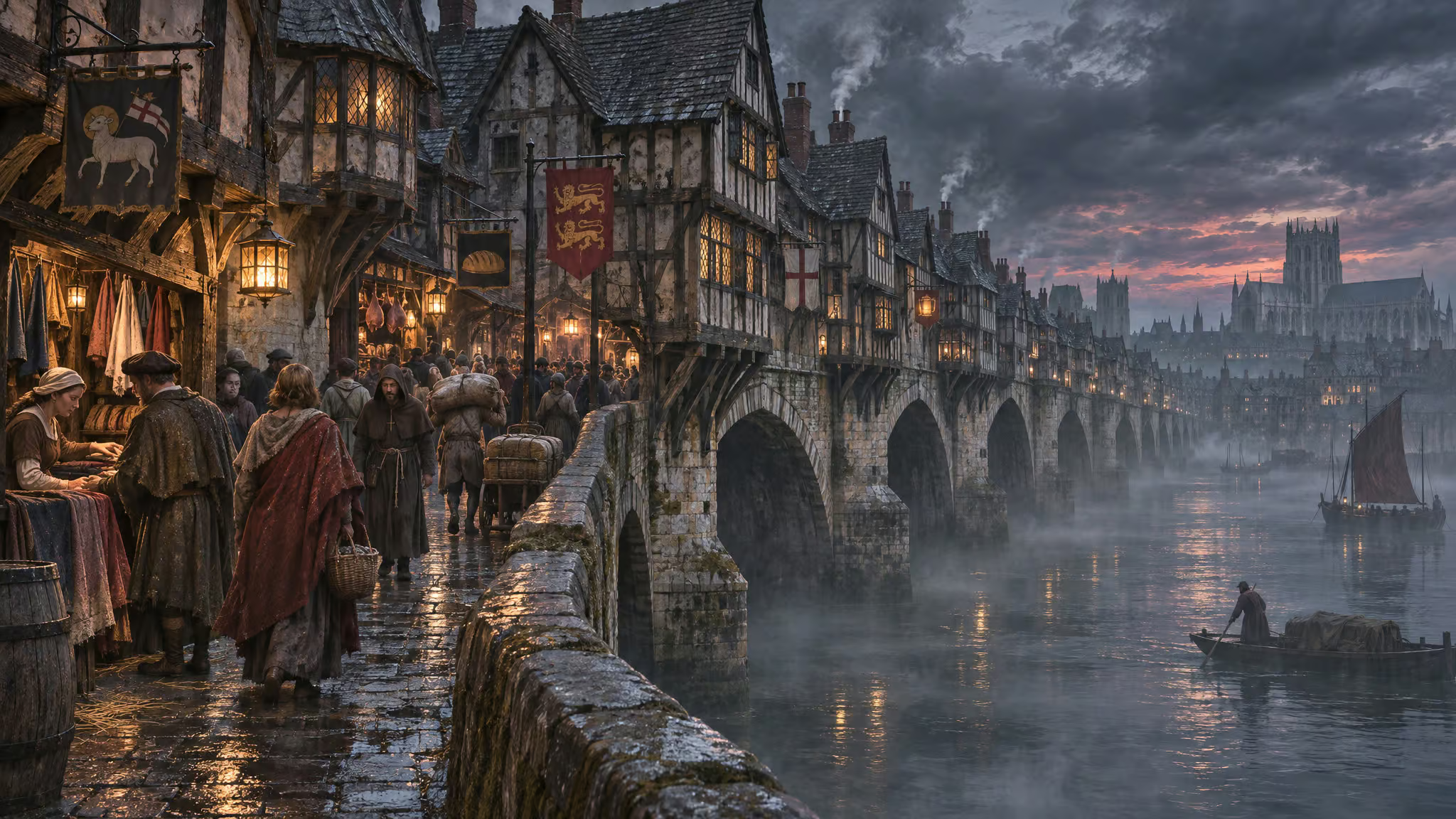
Compared side by side with the 1665 plague story that killed up to 15% of London, the bridge legend is darker in sheer severity because it centres on children dying slowly without food or water behind bricked-up stone walls, a scene children unwittingly re-enact every time they drop their arms to trap a friend at the end of the song. Popular dark origin theories don’t hold up: the Jack and Jill link to the beheading of Louis the 16th is completely impossible because the rhyme was written almost 30 years before it, and there’s plenty of debate among scholars over whether the London Bridge Viking attack ever actually happened.
The Viking attack legend
Per The Infographics Show and The Resurrectionists, King Æthelred the Unready (reigned 978 to 1013 and 1014 to 1016) fled to Normandy when Denmark’s Sweyn Forkbeard invaded and declared himself king on Christmas Day 1013; after Sweyn died five weeks later on February 3, 1014, Æthelred allied with Norway’s Olaf Haraldsson (King Olaf II), whose men allegedly rowed up the Thames at night, tied ropes to the bridge supports, and pulled it down. Recorded over 200 years later in the 1225 Heimskringla and absent from the Anglo-Saxon Chronicles, the feat is doubted by historians, and Samuel Laing’s 1844 translation (“London Bridge is broken down…”) appears adjusted to match the nursery rhyme.
The medieval bridge’s grim record
Per Weird History and The Resurrectionists, the 900-foot stone bridge commissioned by Henry II and built from 1176 to 1209 under King John had 19 irregular arches, a drawbridge, two churches, and revenue-raising shops and houses that by Tudor times squeezed traffic into two 6-foot single-file lanes taking an hour and a toll to cross. Often confused by tourists with Tower Bridge, it displayed traitors’ heads on spikes for over 350 years starting with William Wallace, lost 3,000 lives in a 1212 fire, suffered repeated arch collapses, and survived the Peasants’ Revolt (1381) and Jack Cade’s Rebellion (1450), making constant disrepair a plausible origin.
The print trail and the fair lady
Printed in Tommy Thumb’s Pretty Song Book in the 1700s, the verse has a possible nod in the 1636 comedy The London Chaunticleres, a line in Henry Carey’s 1725 poem Namby-pamby, an 1823 magazine dating it to Charles II’s mid-1600s reign, and older European cousins. Middle verses list failing materials (iron bars bend, wood and clay wash away, bricks and mortar won’t stay), and one candidate for the “fair lady” is Henry III’s consort Eleanor of Provence, who held 13th-century bridge revenues and faced angry Londoners pelting her with eggs and stones as she crossed.
The child-sacrifice legend and the playground game
Ancient foundation sacrifice folklore held that immurement, meaning burying bodies alive inside a structure’s walls, gave a bridge strength while dead spirits stood watch. British folklorist Alice Bertha Gomme linked the rhyme to child burial in bridge foundations, reading the extended line “Set a man to watch all night” as a corpse left in the stonework (and Weird History adds in a closing postscript that real bodies were found built into the bridge). Whenever children play the London Bridge arch game and drop their arms on a trapped child, preschoolers usually find the trap thrilling while the dark lore hits the adults singing along.
Why are so many nursery rhymes so dark?
So many nursery rhymes are dark for two opposite reasons: some genuinely served as an oral record of violent history, while just as much darkness was manufactured later as retellings grafted grim backstories onto old melodies, even as 19th-century collectors scrubbed rough edges out of the lyrics. Separating real history from legend comes down to a three-tier ledger: documented record covers Mary I’s burnings, Nicholas Owen and John Gerard’s priest holes, George Villiers’s court rise and 1628 assassination, and the medieval bridge’s fires and spiked heads; legend covers London Bridge child immurement, Olaf’s Viking attack, the 1665 plague code for Ring Around the Rosie, and the Humpty Dumpty cannon; interpretation-only and disproven guesswork cover Peter, Peter, Pumpkin Eater and the Jack and Jill guillotine story.
A living record of dark times
Per The Infographics Show, plagues, murder, and human sacrifice are the last things you expect in children’s literature, and once you hear the stories of brutal monarchs and public executions behind these tunes, the argument goes that Mother Goose belongs on the same shelf as horror authors Edgar Allan Poe, Bram Stoker, and Stephen King. A former governor of England’s 420-year-old Wakefield prison even claimed female prisoners invented the Mother Goose song there in the 1840s.
Darkness added by the retelling
Editing ran both ways. Thomas Ravenscroft published the earliest known Three Blind Mice in a 1609 print of musical rounds and catches (not children’s stories) with no mouse tails, farmer’s wife, or carving knife, featuring instead a miller and his cheerful old wife scraping tripe and licking the knife clean. Collector James Orchard Halliwell(-Phillipps) published the sanitized kids’ version in 1842 (per The Crooked Explainer) or 1844 (per Trust Me Bro), making today’s song 233 years younger than the 1609 text, just as collectors softened Baa, Baa, Black Sheep and Rain, Rain, Go Away while Samuel Laing’s 1844 saga translation and the false Three Blind Mice dismemberment rumor added darkness back in.
Peter Peter Pumpkin Eater: interpretation-only darkness
In Creeps Plays’ telling, Peter, Peter, Pumpkin Eater sounds like a goofy rhyme about hiding a wife in a pumpkin shell, but dark retellings frame it around a husband killing an unfaithful wife and hiding her corpse inside the shell so she can never run off again, with zero historical event behind it.
What to keep singing
Parents can keep singing almost all of these nursery rhymes without guilt, because the dark history belongs to the adult’s reading rather than the child’s game. Anyone who reads up on these backstories knows the sudden hesitation that hits mid-verse when a circle of toddlers is already holding hands waiting for “we all fall down.” The singalong almost always finishes anyway, and here at Tidbits of Experience, we think that instinct is spot-on. When you’re sorting through the everyday songs and stories kids ask to repeat, knowing the origin story changes the adult in the room, not what the four-year-old hears.
Our practical parent filter follows the three-tier evidence ledger:
- Keep legend-dark and interpretation-only rhymes as pure play. Sing Ring Around the Rosie, London Bridge Is Falling Down, and Peter, Peter, Pumpkin Eater without a second thought. Their grimmest stories are unproven folklore or modern readings.
- Save documented history for older kids. For rhymes tied to real atrocities like Mary, Mary, Quite Contrary, Three Blind Mice, and Goosey Goosey Gander, keep the bouncy tune for toddlers (the same way we handle repetitive toddler singalong routines or pick age-appropriate bedtime books) and save the Tudor history for when your kids are old enough to ask.
- Let the game lead the conversation. If an older kid asks why the dropped-arms trap at the end of London Bridge catches a player, or hears the rarely sung extended verse about stationing a watchman through the night for the fair lady, which folklorist Alice Bertha Gomme linked to foundation burials, answer their curiosity then instead of interrupting carpool with a history lecture.
Frequently Asked Questions
What is the darkest nursery rhyme?
The answer splits depending on whether you measure darkness by folklore or verified history. London Bridge Is Falling Down (dated to 1744) takes the crown for legend because of rumors about entombing children alive inside the bridge’s stone foundations to keep it standing. On the documented historical record, Mary, Mary, Quite Contrary (1744) and Three Blind Mice (1805) win for tying into Queen Mary I burning more than 280 religious dissenters at the stake.
Where does the nursery rhyme “Three Blind Mice” originate from?
The earliest known print appeared in 1609 when Thomas Ravenscroft published a collection of musical rounds featuring a miller and his wife scraping tripe, with no farmer’s wife or sliced tails in sight. Collector James Orchard Halliwell(-Phillipps) published the modern children’s version in the 1840s, more than two centuries later. Interpretive history links the 1805 version of the rhyme to Queen Mary I executing the Oxford Martyrs—Protestant bishops Hugh Latimer, Nicholas Ridley, and Thomas Cranmer—in the 1550s, though rumors that she literally blinded and dismembered them were proven false.
Is Mary Mary Quite Contrary really about Bloody Mary?
The historical events behind the theory are real, even if decoding the specific lyrics remains literary interpretation. Queen Mary I was a devout Catholic who reversed Henry VIII’s religious reforms and had over 280 Protestant dissenters burned at the stake. Dark readings map the “garden” to expanding Protestant graveyards, “silver bells” to thumbscrew torture devices, and “pretty maids” to a guillotine-like execution tool called the maiden, alongside rival theories about her miscarriages or Lady Jane Grey’s execution.