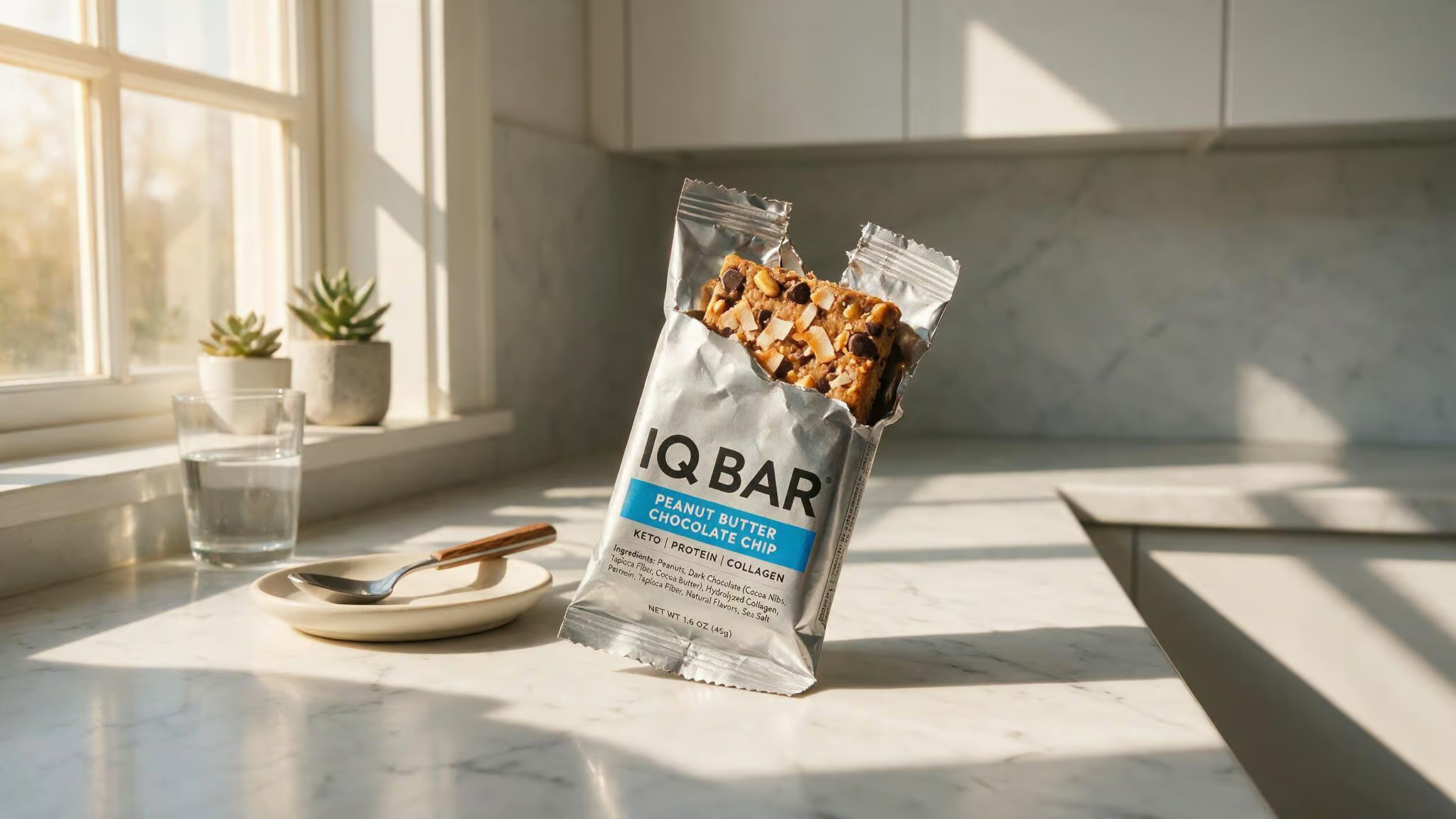
I grabbed an IQ Bar to eat quickly before taking my kids to school. Thirty minutes later, I was wondering why my stomach felt uncomfortable after eating a 45-gram bar with 7-8g of fiber and MCTs. That’s how my family’s test drive with these so-called brain bars started — not with a cognitive breakthrough, but with a very ordinary, human digestive complaint.
The bars look clean on the package. They’re marketed as keto-friendly, plant-based, and brain-boosting, with a lineup of six ingredients aimed at brain health: Lion’s Mane mushroom, MCTs, flavonoids, omega-3s, vitamin E, and choline. And the ingredients they do talk about — fiber, MCTs, sweeteners, can cause tangible side effects for a lot of people.
So are these bars safe for daily consumption? Let’s trace each side effect back to a specific ingredient, so you can decide what’s worth worrying about and what isn’t.
Key Takeaways
IQ Bars pack 7-8g of tapioca fiber and MCTs from coconut oil, which commonly cause bloating, gas, or loose stools — especially if eaten on an empty stomach.
The brand lists six brain-supporting nutrients but refuses to disclose exact dosages, citing no FDA daily values and bar-to-bar variability, making it impossible to know if you’re getting amounts that matter clinically.
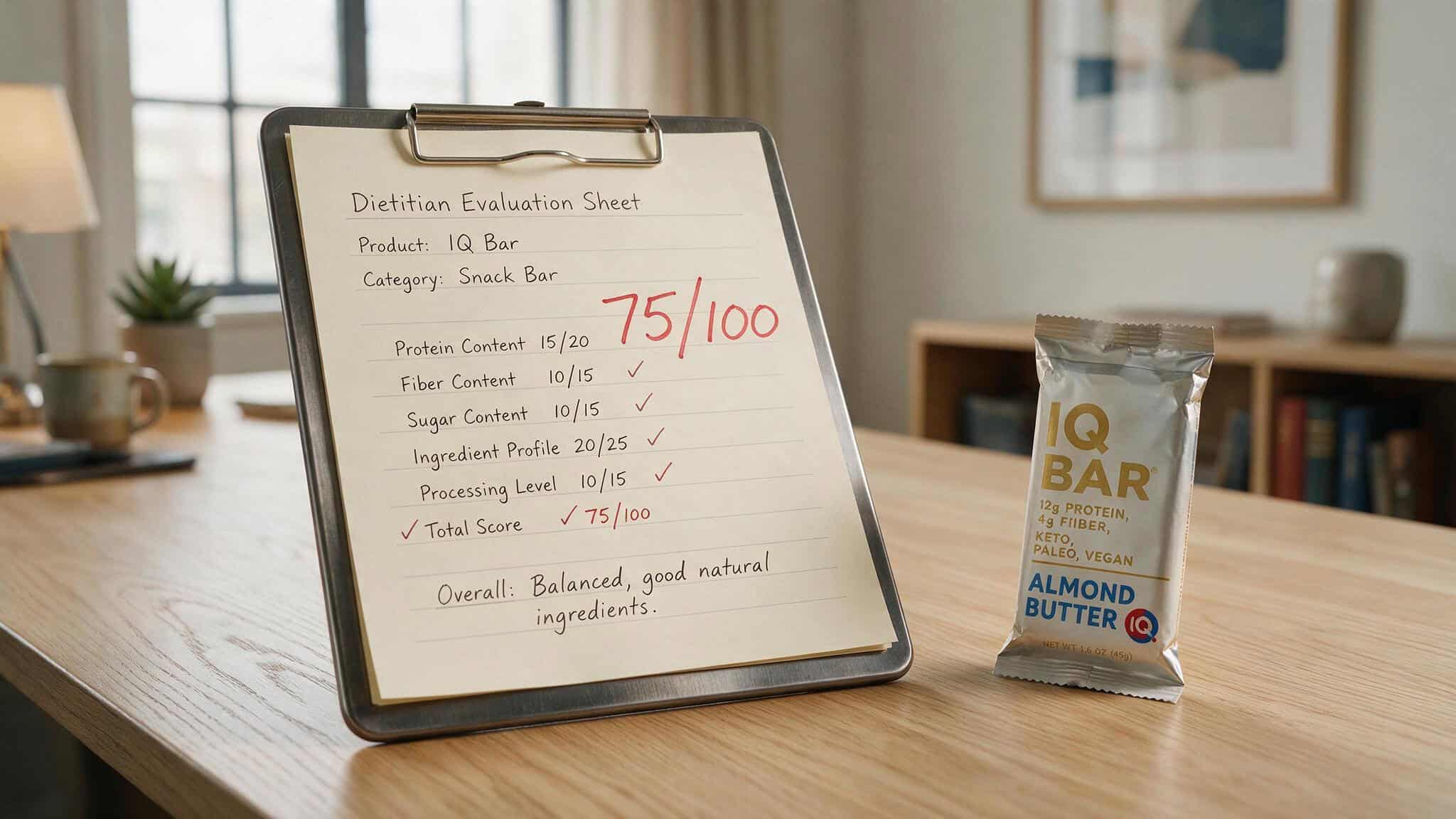
A dietitian review scored the bars 75/100 and explicitly called the brain health claim “more marketing than science,” noting the omega-3s (DHA) have the strongest evidence.
Table of Contents
Digestive Side Effects: What to Expect from Fiber, MCTs, and Sweeteners
The most common side effects people report with IQ Bars are digestive complaints: bloating, gas, and urgent bathroom trips. Let’s look at exactly which ingredients are behind this.

How the 7-8g of fiber affects your gut
Each bar has 7-8 grams of fiber, which is about 25-30% of the daily recommended intake for a single snack. The source is tapioca fiber, a prebiotic resistant dextrin made from cassava. The FDA classifies it as 100% legitimate fiber — the real deal, not the sneaky kind.
This matters because some bars use isomalto-oligosaccharide (IMO), a sweetener resembling fiber that the body actually breaks down into blood glucose. One study directly compared a fiber similar to tapioca fiber against IMO and found a difference in blood sugar and insulin response. IQBAR uses tapioca fiber, not IMO, so you’re not getting a hidden sugar spike. That’s genuinely good.
But here’s the practical problem: 7-8 grams of any concentrated fiber in one sitting can cause gas and bloating if your gut isn’t used to it. A frequent experience among first-time users — myself included, is eating an entire bar with nothing else in their stomach and feeling uncomfortable within 30-60 minutes. IQBAR uses pea protein because it is ‘more digestion-friendly than whey’ (per brand FAQ), which reduces the risk of bloating compared to whey-based bars.
The fix: Start with half a bar, and eat it after a meal, not in place of one. Your gut will thank you.
Why MCTs from coconut oil can loosen stools
MCTs (medium-chain triglycerides) are one of the six brain-support ingredients IQBAR lists. They’re a type of fat that digests differently than the long-chain fats in most foods — your body sends them straight to the liver for quick energy.
That rapid digestion is great for a mental boost, but it’s also exactly why MCTs can cause loose stools or cramping in sensitive people. The effect is worse on an empty stomach, which is how many people grab a bar — on the run, with nothing else in their system.
If you’ve ever tried straight MCT oil in your coffee and regretted it, you’ll know what I mean. The dose in an IQ Bar is smaller, but for some people, it’s enough to cause problems.
Natural sweeteners and their mild GI effects
IQBAR uses stevia and monk fruit extract for sweetness — both zero-calorie, both from natural sources. No sugar alcohols, which is a plus, because sugar alcohols (like erythritol or xylitol) cause much worse digestive upset in many people.
That said, some people get mild stomach upset from stevia or monk fruit individually. It’s not common, and it’s usually mild, but it’s worth knowing if you’re one of the people who finds that stevia doesn’t sit well.
Caffeine and Stimulant Profile: Bars vs. IQJOE
Here’s where confusion happens. Most people assume a “brain bar” means no caffeine — and they’re right about the bars, but wrong about the coffee product the same company sells.
Most IQ Bar flavors are caffeine-free
The brand’s FAQ confirms this directly: most flavors are caffeine-free. Some chocolate or coffee-inspired options may have trace amounts from natural sources such as cocoa or coffee powder, but not enough to matter for most people. If you’re avoiding caffeine, you’re fine with the bars.
IQJOE: 200mg caffeine plus Magtein
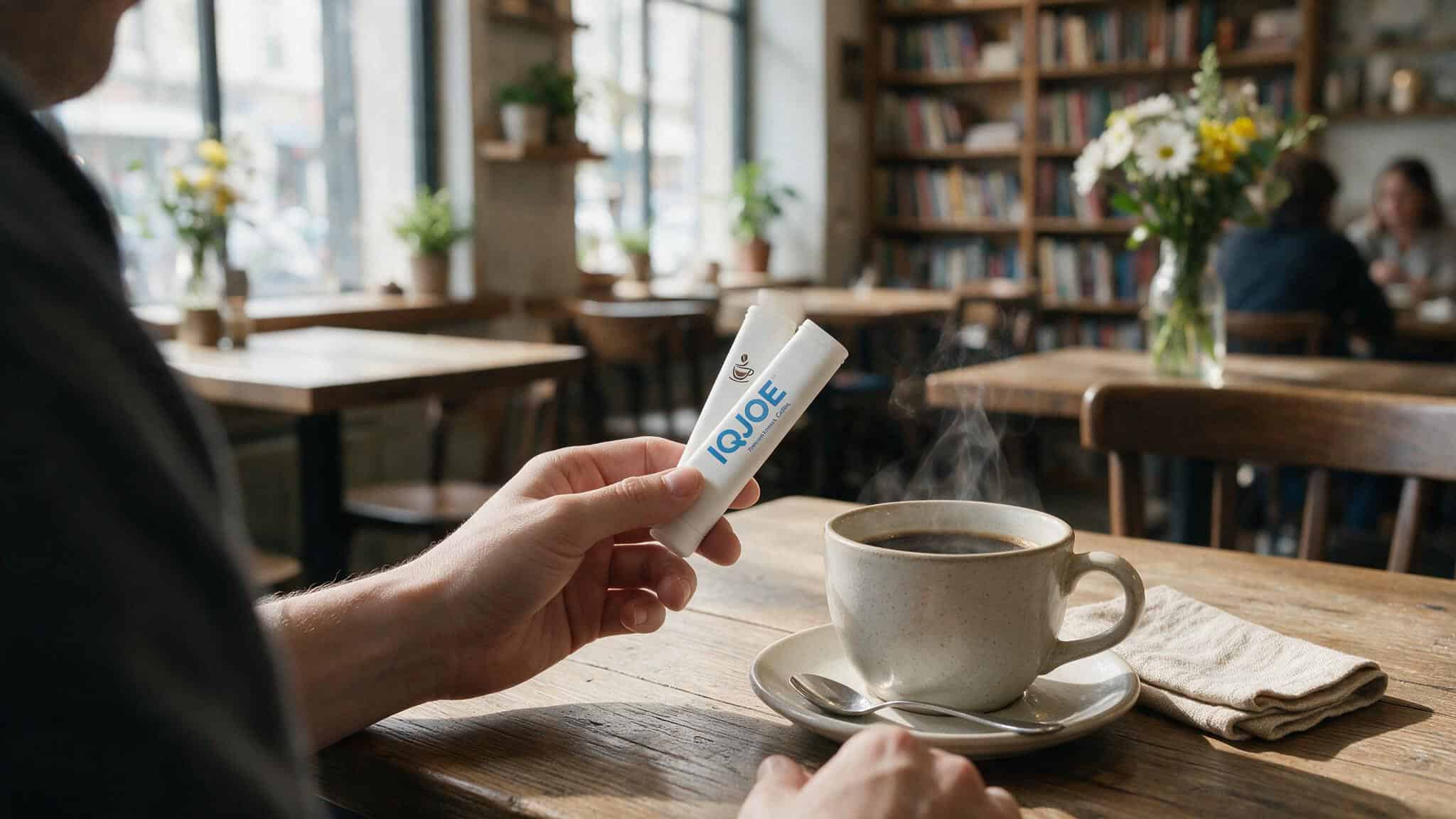
Where people get into trouble is with IQJOE, the brand’s instant coffee product. Each stick pack contains 200mg of natural caffeine — about two cups of coffee. It also has 750mg of Magtein (magnesium L-threonate), a patented form of magnesium that claims to cross the blood-brain barrier more effectively than other types.

The brand says the Magtein “smooths out” caffeine effects for jitter-free sharpness. That’s a claim they make, and there’s clinical data supporting Magtein itself for mood and clarity at a daily dose of 1.5g. But the specific claim about smoothing caffeine has not been clinically proven for this exact combination.
A common failure pattern: someone who avoids caffeine buys an IQJOE stick thinking it’s “just a brain coffee” and later reports feeling jittery or anxious. Or they grab a coffee-flavored bar (which is fine) and assume the coffee product works the same way (it does not).
Bottom line: The bars are safe for caffeine avoidance. IQJOE is a stimulant product — treat it like strong coffee, though if you’re looking to stock up for the family, IQ bars Costco offers bulk pricing and value worth comparing.
Allergen and Dietary Compliance Traps
IQBAR advertises itself as free of the top four common allergens: gluten, dairy, soy, and eggs. That sounds reassuring. But “plant-based protein” isn’t the same as “nut-free,” and “Paleo-friendly” has a loophole you need to see.
The tree nut problem you might miss
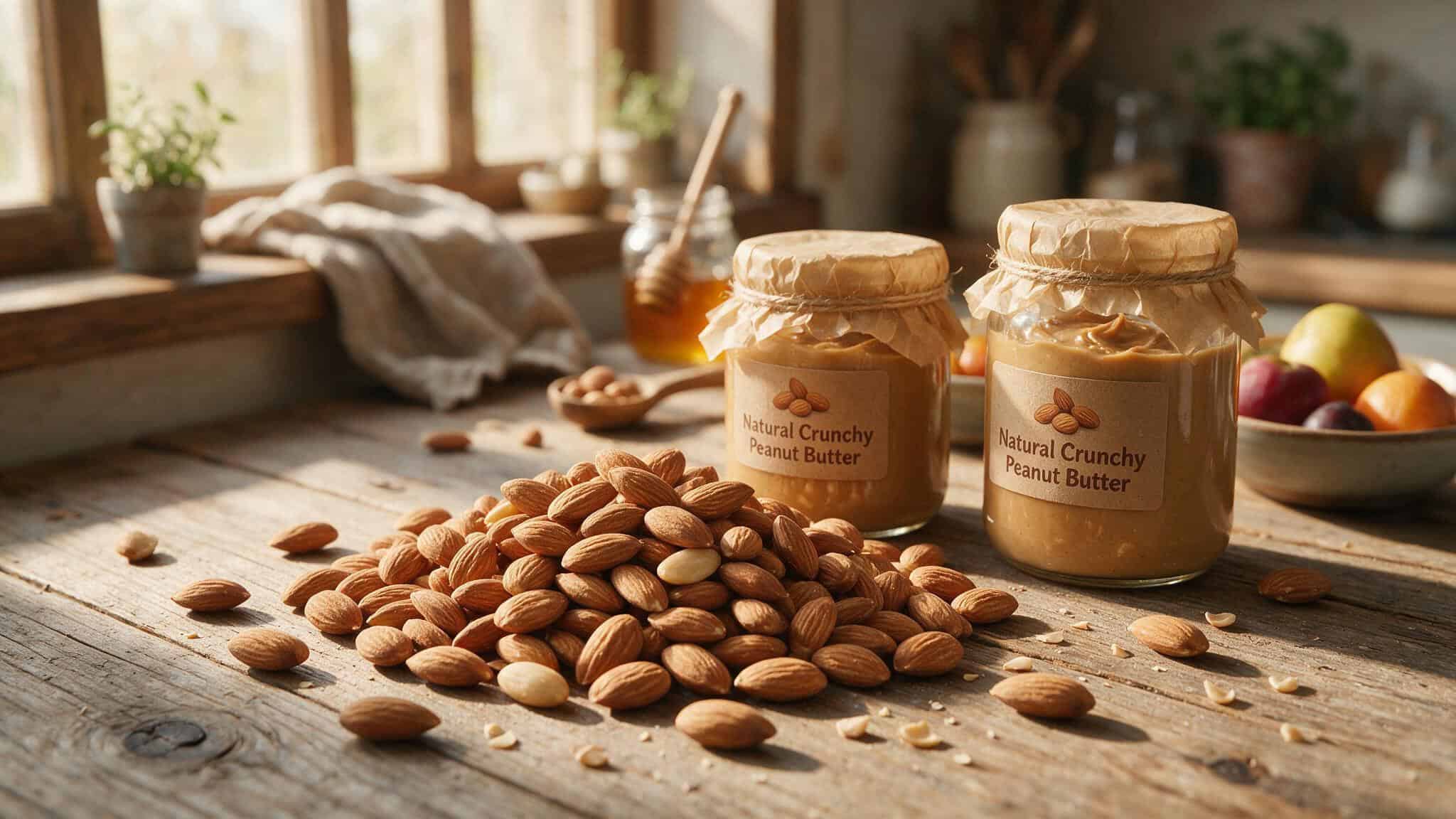
Almond butter is the primary protein source in most flavors. That means the first ingredient in the bar is a major tree nut. The Peanut Butter Chip flavor contains both peanuts and almonds.
If you or your kids have tree nut allergies, “plant-based protein” on the front doesn’t mean safe. You have to check the ingredient list specifically. The brand’s “free of the top four allergens” claim refers to gluten, dairy, soy, and eggs — not nuts.
Dairy, legume, and other protein surprises
The protein blend varies: almond butter and whey are the main sources, and some flavors also add pea protein. If you’re dairy-free, you need to check the label on each flavor individually — some contain whey protein, which is dairy.so add pea protein.
Speaking of pea protein — it’s from legumes. That means it’s not strictly Paleo-compliant. The brand markets the bars as “Paleo-friendly,” but strict Paleo followers exclude legumes entirely. “Friendly” is doing work there.
Practical takeaway: Read the ingredient list on the specific flavor you’re buying, not the front-of-package claim. The packaging tells you what they want you to believe; the ingredients tell you what’s actually inside.
Brain Nutrients: The Dosage Black Box
This is the interesting tension in the product. IQBAR sells itself on brain benefits, but won’t tell you how much brain stuff is in each bar. For an honest, mom-tested IQ bars review, it’s like buying a vitamin bottle that says “contains some B12” — not very useful.
The undisclosed dosage problem
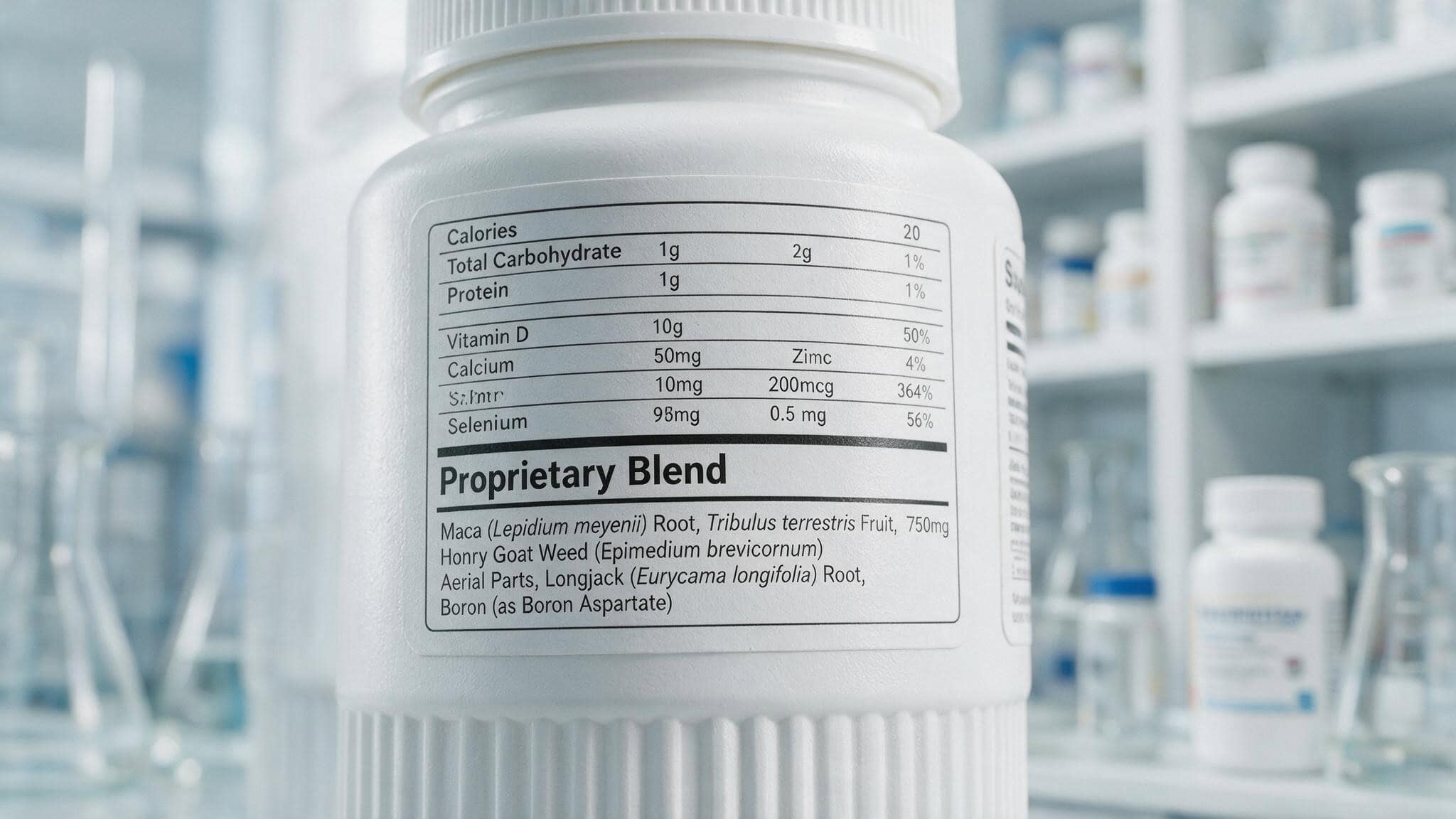
The bar lists six ingredients for brain support: Lion’s Mane mushroom, MCTs, flavonoids, omega-3s, vitamin E, and choline. But exact dosages are nowhere on the label. The brand’s FAQ explains this by saying there are no FDA daily values established for these ingredients, and there’s natural bar-to-bar variability in manufacturing.
The FAQ says the amounts are “in the hundreds of milligrams.” That’s too vague. For comparison, IQMIX and IQJOE (the other products in the same line) do disclose exact amounts: 750mg of Magtein and 250mg of Lion’s Mane extract per serving. The bars? Crickets — but IQ bars review reddit reveals what real users are saying about the unfiltered pros and cons.
What the research actually says about Lion’s Mane
Small studies show promise for nerve growth factor, memory, and attention, but there’s not enough evidence to say it definitively works for cognitive function. The brand calls it a “powerful adaptogen that keeps you sharp” — that’s marketing language, not settled science.
The dietitian score: “more marketing than science”
A dietitian review scored IQBAR 75 out of 100 — a solid score in the protein bar category. The reviewer explicitly said the brain health claim is more marketing than science. Among the six brain ingredients, omega-3s (especially DHA) have the strongest evidence for brain health. The rest? Possible benefits, but at unknown doses.
The risk here isn’t a side effect in the usual sense — it’s paying a premium for subclinical amounts of ingredients and expecting a cognitive upgrade. The dosage opacity makes it impossible to evaluate whether you’re getting enough for any effect at all. Long-term safety data for the undisclosed blend is unavailable, so consumers should treat the brain ingredients as a bonus rather than a daily therapeutic dose.
Sodium and Saturated Fat: Context Matters
Two numbers on the nutrition label cause people to raise an eyebrow: sodium and saturated fat. The context changes for both.
Sodium: 135-190mg per bar
That’s high for a snack bar. The brand justifies it by citing “The Salt Fix,” a book that argues most people actually need more sodium, not less. For someone active, on a low-carb diet, or losing electrolytes through sweat, that sodium can be helpful. For someone with hypertension or salt sensitivity, it’s a consideration.
Saturated fat: 2.5-4g from nuts and coconut oil
The saturated fat comes from almonds and coconut oil — not from processed meats or fried foods. Dietitians view these as less concerning sources of saturated fat. For keto dieters, the fat is a feature, not a flaw.
Context matters here. Neither number is good or bad. It depends on your health profile and dietary goals.
Who Should Be Cautious?
Different ingredients affect different people. Here’s how the bar interacts with specific health situations.
Children: The brand says the bars are generally safe for kids. However, some flavors contain stevia (which parents may want to limit) and caffeine or coffee powder (clearly labeled if present). Use parental discretion.
Diabetics: The low net carbs (2-3g) and near-zero sugar are good for blood sugar management. The undisclosed brain nutrients don’t offer any guarantee of benefit or safety at unknown doses, but they are unlikely to cause blood sugar issues.
IBS sufferers: The 7-8g of fiber can be a trigger for some. MCTs can cause urgent bathroom trips in sensitive individuals. The FODMAP profile is not disclosed — if you’re sensitive to fermentable carbs, proceed with caution.
Medication users: Lion’s Mane may theoretically interact with blood thinners at high doses. This is a theoretical risk based on the compound’s mechanism, not a known interaction. Worth noting, not worth panicking over.
The Bottom Line: What You Should Actually Worry About
Here’s a hierarchy of what matters.
Worry about digestive side effects if you’re not used to high-fiber or MCT-rich foods. Start with half a bar on a full stomach. That solves problems.
Worry about caffeine if you’re buying IQJOE, not the bars. The coffee product has 200mg caffeine per serving. The bars are caffeine-free.
Check the ingredient list if you have tree nut allergies. “Plant-based” doesn’t mean safe.
Don’t worry about the brain nutrients causing harm at these doses. But don’t expect them to deliver the promised benefits. The dietitian score of 75/100 is a fair summary: this is a protein bar with clean macros, not a cognitive miracle.
Buy IQ Bars for the macros — 12g protein, 7-8g fiber, 1-2g sugar, 2-3g net carbs, and the ingredient profile (no IMO, no sugar alcohols, no seed oils). If you get a mental boost from the undisclosed ingredients, consider that a bonus, not a guarantee.
Frequently Asked Questions
Do IQ bars cause bloating?
Yes, they can. Each bar packs 7-8g of tapioca fiber and MCTs from coconut oil, both of which are common triggers for gas and bloating, particularly if eaten alone on an empty stomach. Eating half a bar with or after a meal usually solves the problem.
What is the unhealthiest protein bar?
That depends on your definition of unhealthy — bars with sugar alcohols like erythritol or xylitol cause worse digestive upset for many people, and bars using isomalto-oligosaccharide (IMO) can spike blood sugar despite being labeled as fiber. IQ Bars avoid both of those, using tapioca fiber and stevia instead.
How much Lion’s Mane is in an IQ Bar?
The brand doesn’t disclose the exact dosage, only saying it’s ‘in the hundreds of milligrams’ — which is too vague to know if you’re getting a clinically meaningful amount. For comparison, their IQJOE product lists exact amounts for its ingredients, but the bars keep the brain nutrient doses opaque.