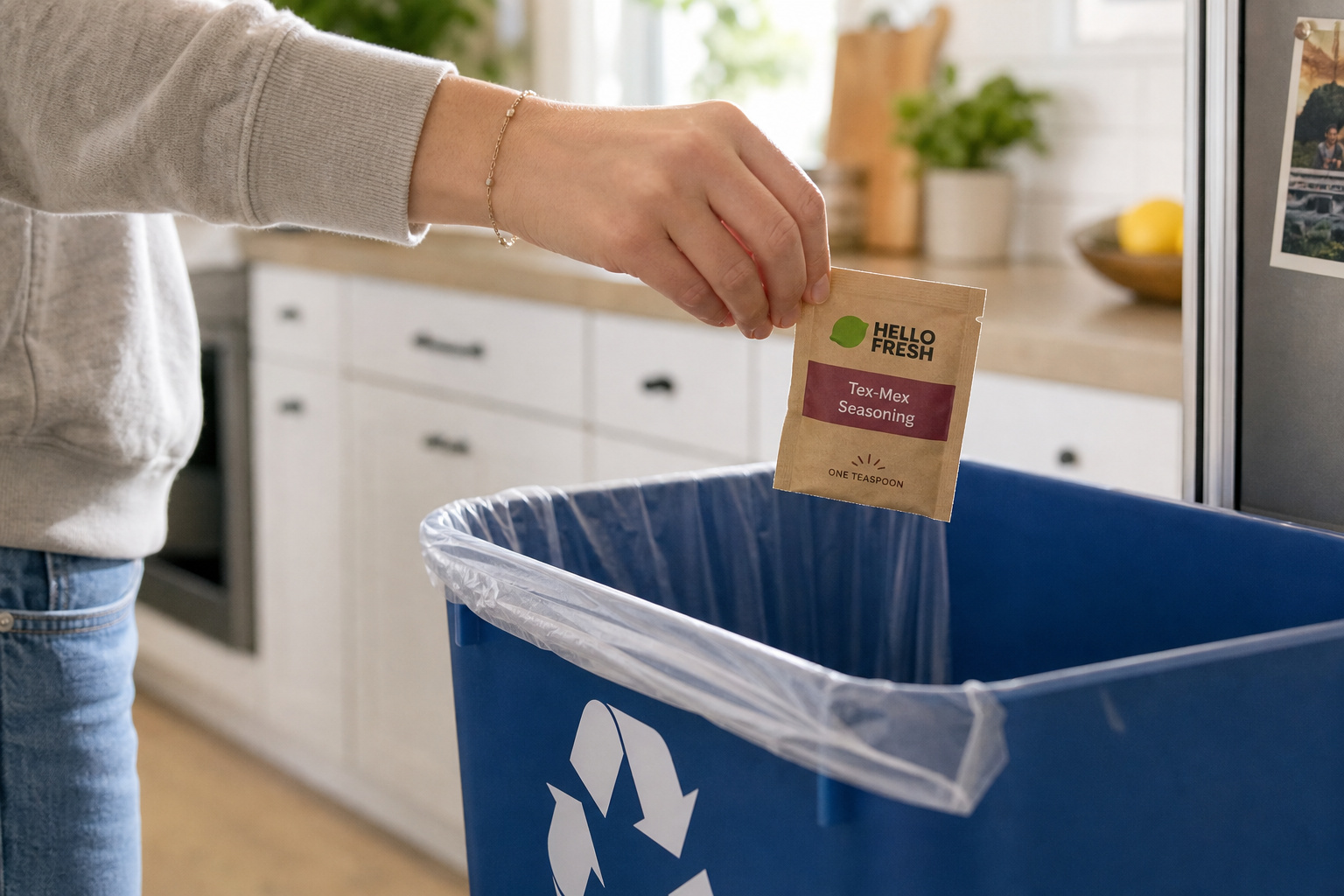
I’ll admit it: when HelloFresh boxes started showing up at friends’ houses, I was a little smug about it. I’m a good cook, I told myself, I don’t need someone to tell me what to make every Tuesday. Then Sarah got a promotional box and asked if I wanted to split a few recipes, and the next thing I knew, I was digging through the recycling bin for the empty seasoning packets.
The spice blends were the hook. That little packet of Shawarma seasoning in particular — I had to have more. But HelloFresh doesn’t sell their exclusive seasoning packets separately, which is a common complaint. So I did what any reasonable person with too many browser tabs open would do: I started searching.
Reddit had a version. A couple of blogs had versions, including a HelloFresh spice blend recipes PDF for easy printing. A cooking forum had another. None of them were in the same place, and none of them matched exactly.
So I compiled them. Every recipe I could find, tested and pulled together from the community, into one spot. Because if you’re standing in your kitchen with chicken defrosted and no idea how much cumin goes into Shawarma spice, you don’t want to be scrolling through five different pages.
Here’s everything I found — 30+ blends, exact ratios, how much to use, and how to store them so they don’t turn into a clumpy mess.
Key Takeaways
HelloFresh does not sell its seasoning packets separately, so DIY is your only option for most blends — and homemade versions have a shorter shelf life (3-6 months) than the original packs (up to 1 year).
The three essential blends the community recommends starting with are Fry Seasoning (equal parts garlic powder, onion powder, paprika), Tuscan Heat Spice, and Southwest Spice — each has a specific usage ratio you should follow to avoid over-seasoning.
Nutrition varies significantly per tablespoon: Fry Seasoning has 0mg sodium and 20 calories, Tuscan Heat has 3g fiber, and Southwest Spice has the most sodium at 60mg.
Table of Contents
Why DIY? The problem that started this whole project
I was looking for Shawarma Spice Blend. One recipe. One reliable version I could throw together without hunting through Reddit threads and personal blogs that hadn’t been updated since 2019. I kept finding “close but not quite” versions — one had too much allspice, another skipped the turmeric entirely.
Meanwhile, other people were having the same frustration. I use the fry seasoning and Tuscan spices quite a bit to recreate your recipes, one person said on a forum. Would love if you added even more spice mixes to pick up! said another. And the classic: Wish they came in bigger sizes but I love the flavors.
So this guide exists because the demand is real, the official company doesn’t sell them separately, and nobody else had put 30+ blends in one place. If you’ve ever wanted to buy the spices without ordering a whole box, you’re in good company.
The complete A–Z reference of HelloFresh spice blends
Each entry has the ingredient ratios and a quick note on what it’s good for. Some blends have more detail (shelf life, nutrition) because those were documented. Others are just the recipe. Let the length match what’s available.
All American Spice Blend
1 tbsp each: ground cumin, cayenne, onion powder, smoked paprika · 2 tsp garlic powder · 1 tsp each: ground coriander, salt, dried parsley · ½ tsp each: black pepper, dried mustard, red pepper flakes · ¼ tsp ground allspice · ⅛ tsp ground cloves
Great for tacos, fajitas, chili — anything that needs a warm, smoky, slightly spicy kick. This one’s also available in the Seasoned Pioneers bundle if you’d rather buy it pre-made.
Berbere Spice Blend
3 parts paprika · 1 part cayenne · ½ part ground coriander · ¼ part ground ginger · ⅛ part ground cardamom · ⅛ part ground fenugreek
Ethiopian-inspired, warm and complex. Excellent in stews, on roasted veggies, or anywhere you want depth without heat overwhelming the dish.
Bold and Savory Steak Spice Blend
1 part red chili flake · 1 part crushed coriander seed · 2 parts crushed dill seed · 3 parts crushed mustard seed · 4 parts each: dried minced garlic, crushed black pepper · Optional: 3 parts kosher salt (skip if watching sodium)
It’s labeled for steak, but honestly, it works on any grilled meat or even roasted potatoes. The version with salt is punchier; the version without lets the other spices shine.
Blackening Spice Blend
3 tsp smoked paprika · 1.5 tsp garlic powder · ½ tsp each: white pepper, black pepper · ¼ tsp each: thyme, oregano · ⅛ tsp low-heat cayenne
This is perfect for blackening fish or chicken — that crispy, spicy crust without needing a trip to New Orleans.
Burger Spice Blend
1 Tbsp paprika · 1¼ tsp salt · 1 tsp ground black pepper · ½ tsp each: garlic powder, brown sugar, onion powder · ¼ tsp cayenne
Simple, crowd-pleasing. Makes any burger taste like it came from a diner — or at least a really good backyard grill.
Cajun Spice Blend
2 parts each: paprika, onion powder · 1 part each: garlic powder, dried oregano, dried thyme · ½ part each: dried basil, cayenne
Classic Cajun. Use it in gumbo, jambalaya, blackened fish — it’s got that earthy, slightly spicy kick.
Enchilada Spice Blend
1 tbsp each: chili powder, paprika · 2 tsp each: cumin, light brown sugar, kosher salt · 1.5 tsp each: onion powder, garlic powder, Mexican oregano · 1 tsp chipotle chili powder · 1 tsp each: ground coriander, black pepper · ¼–½ tsp cayenne
Warm, slightly sweet. Enchiladas, tacos, anything you’d order at a Mexican restaurant.
Fall Spice Blend
3 parts dried thyme · 3 parts ground sage · 2 parts garlic powder · 1 part onion powder (or 3 tsp thyme, 3 tsp sage, 2 tsp garlic powder, 1 tsp onion powder)
Earthy, aromatic, slightly acidic. Works on pork, chicken, steak, fries, potatoes, roasted veggies — it’s versatile. Gluten-free, paleo, low-carb, vegan. Per serving: 4 calories, 0g fat, 1mg sodium, 1g carbs. Note: this nutrition info is auto-generated, not lab-tested.
Fry Seasoning
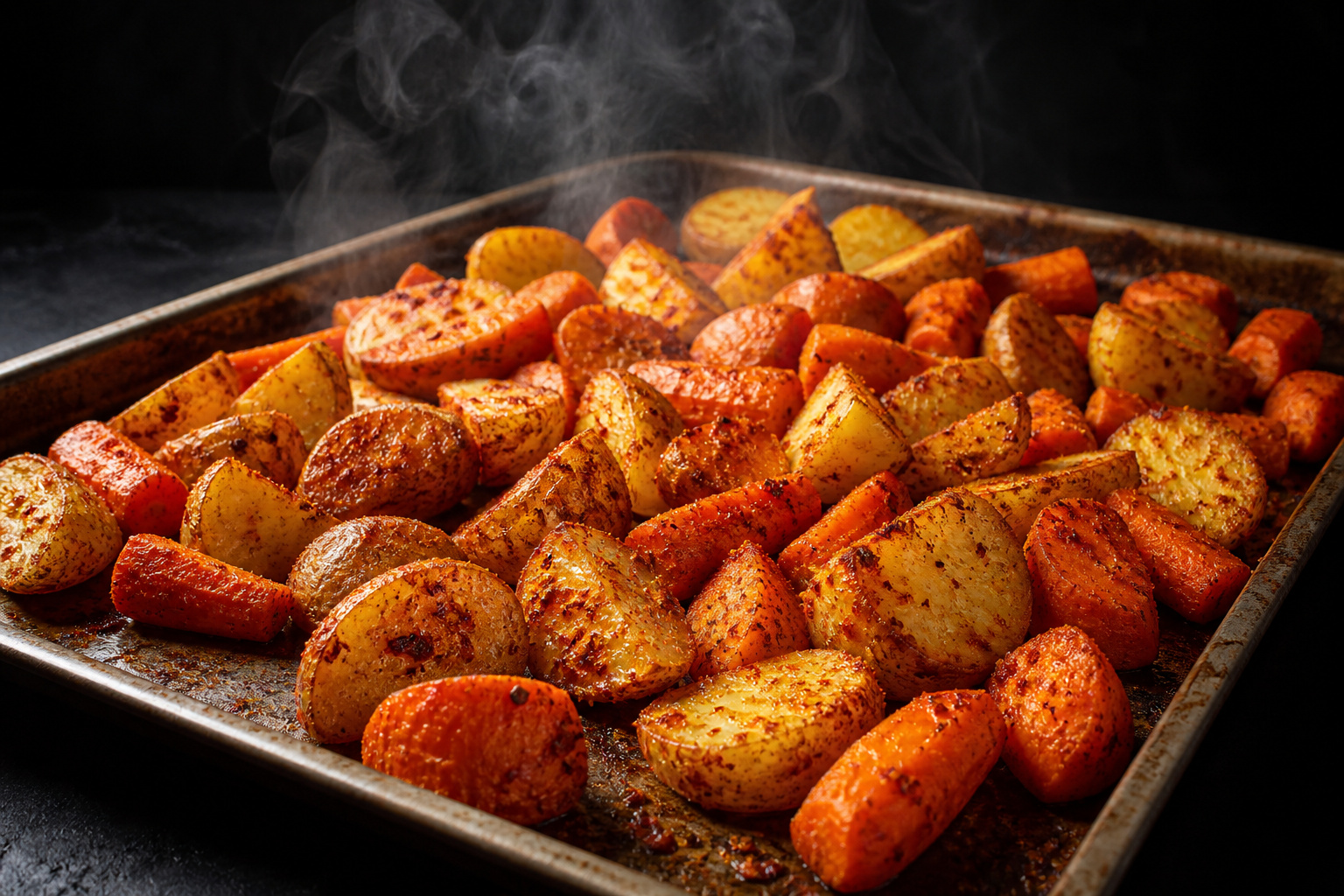
Equal parts garlic powder, onion powder, paprika.
Three ingredients, that’s it. Use 1 tablespoon per 1.5 pounds of vegetables — potatoes, sweet potatoes, carrots, Brussels sprouts, root vegetables, squash. Toss and roast. Per 1 tbsp: 20 calories, 0g fat, 0mg sodium.
It’s one of the three essential blends the community recommends stocking first.
Herbes de Provence Blend
Equal parts: savory, thyme, rosemary, basil, tarragon, lavender flowers
Sounds fancy, but it’s great on roasted chicken, veggies, or in a simple vinaigrette. Like a garden in a jar.
Italian Seasoning Blend
Equal parts: garlic powder, oregano, basil, black pepper, parsley
The go-to for pasta sauces, pizza, or anything Italian-ish. You probably already have something like this in your cabinet.
Meatloaf Seasoning
2 parts onion powder · 2 parts garlic powder
That’s the whole thing. Simple, but perfect for meatloaf, meatballs, or burgers.
Mediterranean Spice Blend
2 parts dried oregano · 1 part each: dried mint, sumac, ground coriander
Bright, herbaceous, with that tangy sumac pop. Great on grilled meats, salads, or roasted veggies.
Mexican Spice Blend
2 parts chili powder · 1 part each: oregano, smoked paprika, cumin
Warm, smoky. Tacos, fajitas, anything you want to taste like your favorite taqueria.
Moo Shu Spice Blend
Equal parts ground ginger and garlic powder
For stir-fries and Asian-style wraps. Sometimes less is more.
Ranch Spice Blend
2 parts dried parsley · 1½ parts dried dill weed · 2 parts each: dried garlic powder, onion powder, dried onion flakes · 1 part each: ground black pepper, dried chives
Classic ranch. Great for dips, dressings, or sprinkling on roasted veggies.
Shawarma Spice Blend
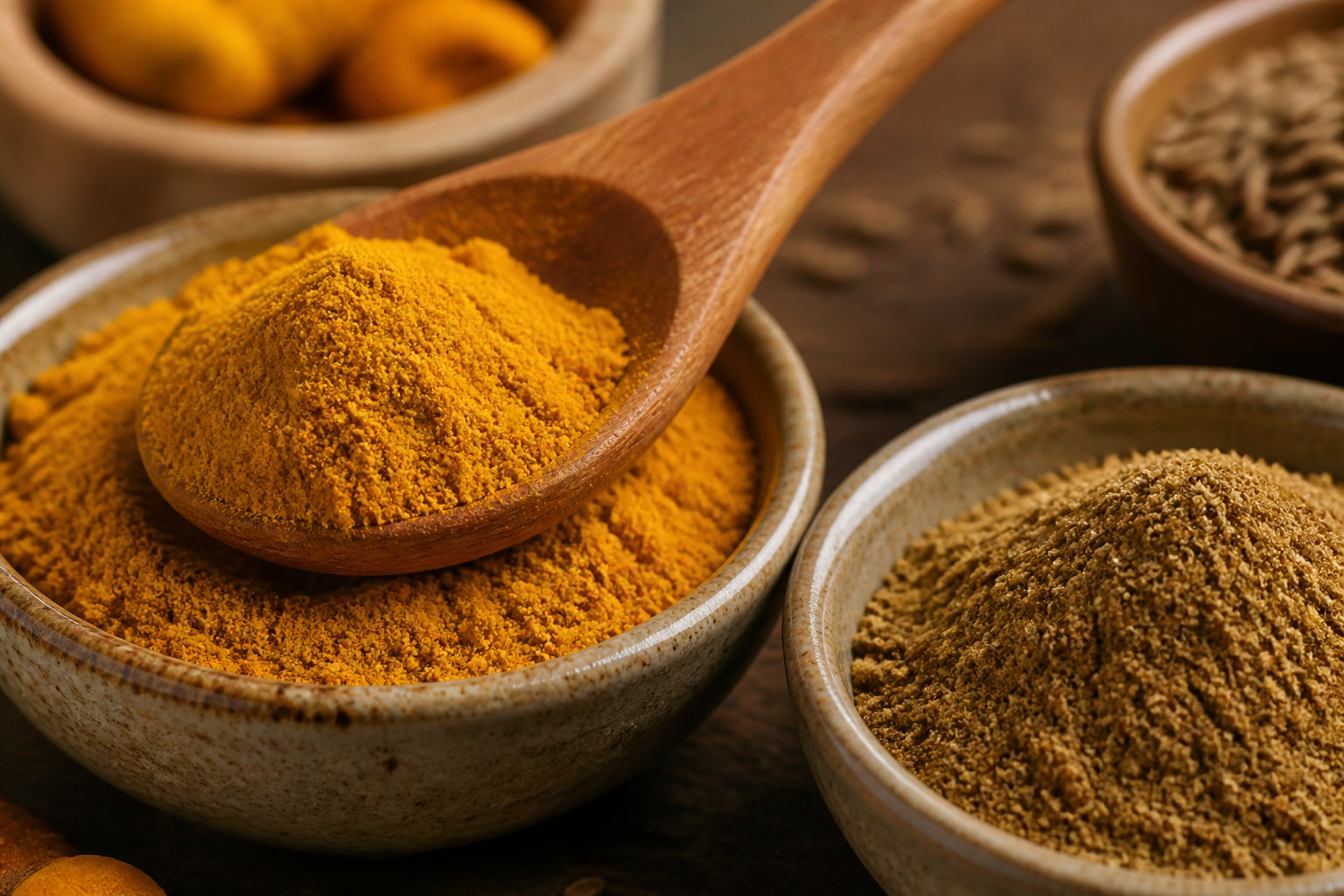
2 parts each: turmeric, cumin · 1 part each: dried coriander, garlic powder, paprika · ½ part each: ground allspice, black pepper
This is the one that started the whole search. Warm, aromatic. Perfect for chicken, lamb, roasted veggies — anything that wants Middle Eastern flavor without a plane ticket.
Southwest Spice Blend
4 parts garlic powder · 2 parts cumin · 2 parts chili powder (optional: ½ tsp each oregano and coriander)
Another essential blend. Use 1 tablespoon per pound of protein — ground beef, chicken, shrimp; for ground protein, use 1 tbsp per 8-12 oz. HelloFresh uses this in Veggie Chiles Rellenos, Citrus Pork Tacos, and Fully Loaded Turkey Taquitos, and what Reddit users say about HelloFresh spice blends often includes reviews, hacks, and DIY copycat recipes shared by the community. Per 1 tbsp: 25 calories, 1g fat, 60mg sodium, 5g carbs, 1g fiber, 1g protein.
Also great in breakfast scrambles, Mexican street corn salad, spicy chicken fajitas, black bean and sweet potato tacos, or just sprinkled on roasted vegetables and quesadillas—if you want a deep dive into the ingredients and flavor profile of HelloFresh’s Southwest spice blend and how to make it at home, you can check out this Southwest spice blend HelloFresh guide. Takes about 5 minutes to make a batch.
Smoky BBQ Seasoning
8 parts smoked paprika · 6 parts granulated sugar · 2 parts garlic powder · 1 part each: dry mustard, ground cumin, ground ginger · ½ part black pepper
Sweet and smoky. Summer cookout vibes for chicken, ribs, or roasted veggies.
Smoky Cinnamon Paprika Spice Blend
1 part ground cloves · 8 parts onion powder · 8 parts ground cinnamon · 6 parts smoked paprika · 16 parts mustard powder · 24 parts each: sweet paprika, sugar
This one sounds unusual on paper — cloves and cinnamon with that much paprika, but it’s excellent on pork or roasted veggies. Bold and unique.
Sri Lankan Curry Powder Spice Blend
Not yet figured out. I haven’t found a reliable DIY version yet. There’s a link to the company that creates blends for HelloFresh if you want to dig deeper, but for now, this one’s a gap.
Sweet Smoky BBQ Spice Blend
8 parts smoked paprika · 6 parts sugar · 2 parts garlic powder · ½ part black pepper · 1 part each: dry mustard, cumin, ground ginger
Similar to the Smoky BBQ but with slightly tweaked ratios. Great for grilling season.
Thai Seven Spice Blend
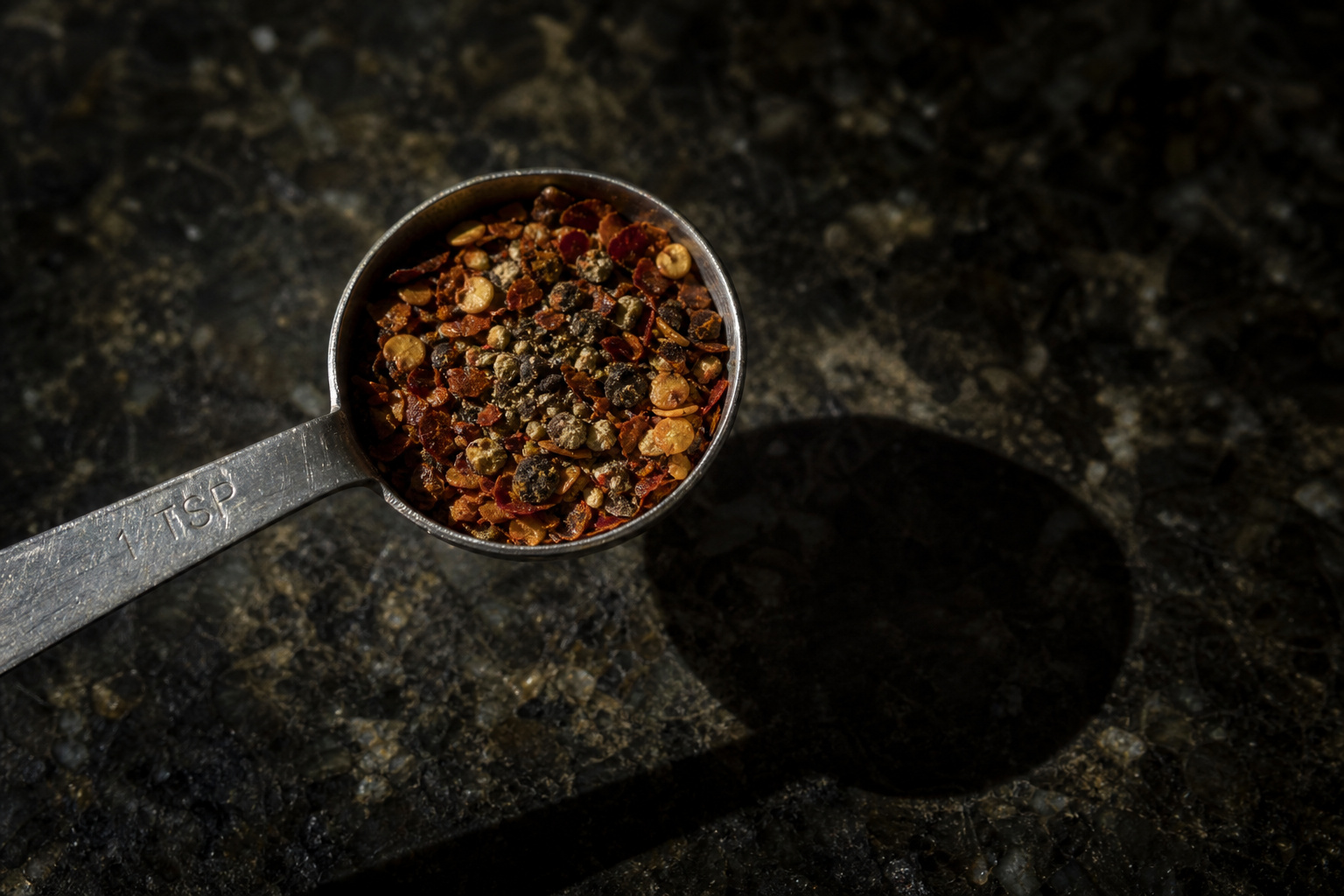
2.5 tsp white sesame seeds · 1 tsp each: chili flakes, ground coriander, onion powder · ½ tsp each: garlic powder, shrimp extract powder · ¼ tsp cinnamon · ⅛ tsp low-heat cayenne
Fragrant, slightly spicy, these HelloFresh spice blends recipes are perfect for Thai-inspired stir-fries, curries, or sprinkled on rice.
Tunisian Spice Blend
4 parts each: ground caraway seed, ground coriander, smoked paprika, turmeric, chili powder, garlic powder · 1 part cayenne pepper · 1 part each: cinnamon, ground black pepper
Warm and earthy with a bit of heat. Great on grilled meats, roasted veggies, or in couscous.
Turkish Spice Blend
2 parts each: cumin, garlic powder · 1 part ground coriander · ¼ part each: ground allspice, chili flakes
Warm and aromatic. Perfect for kebabs, grilled meats, or in a simple rice dish.
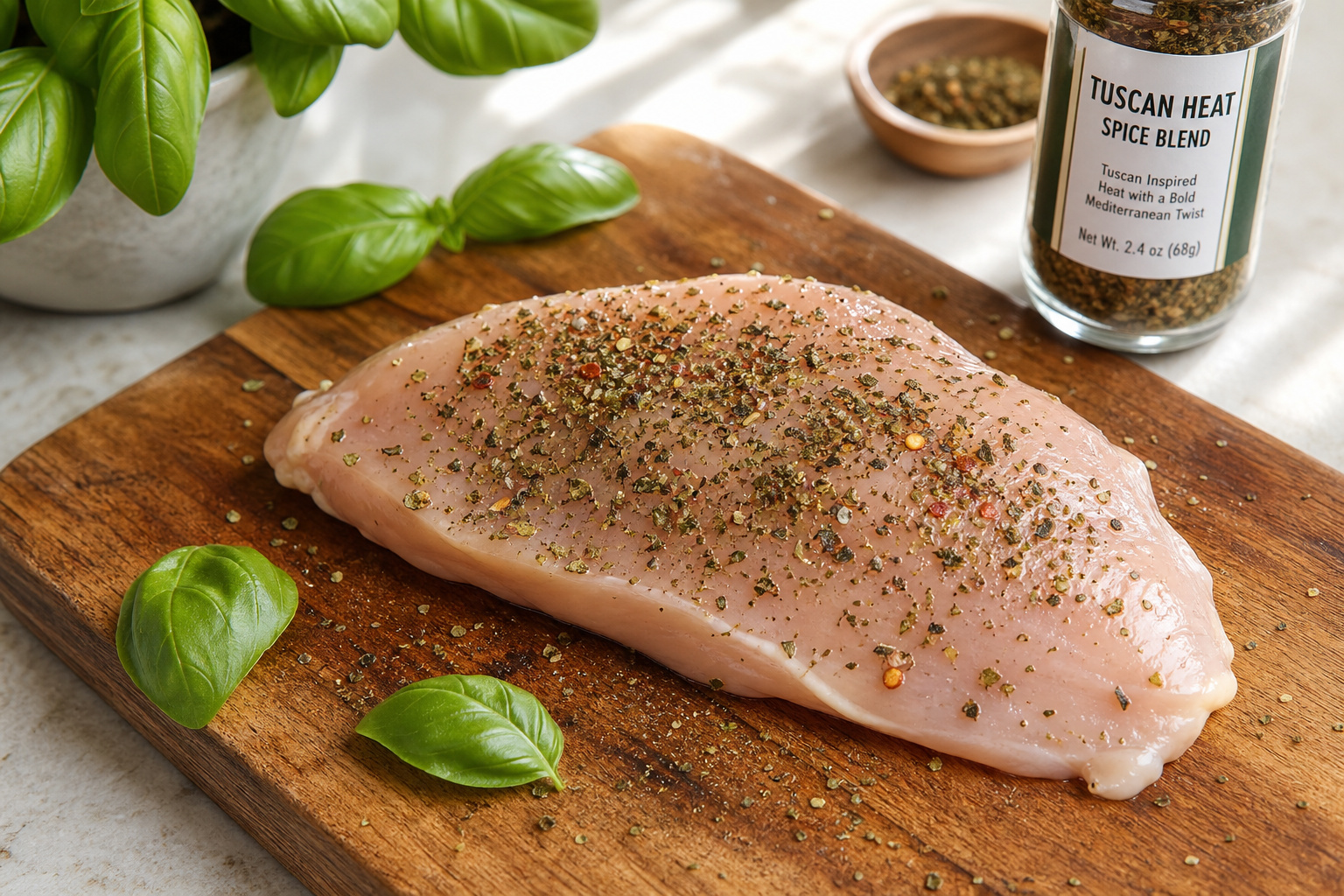
Tuscan Heat Spice Blend
4 parts dried basil · 2 parts each: dried rosemary, dried oregano, garlic powder · 1 part each: cayenne pepper, ground fennel
Warm, herby, with a little kick. Use 1 tablespoon per pound of protein — chicken, steak, shrimp, salmon, ground beef. For ground protein, use 1 tbsp per 8-12 oz. Per 1 tbsp: 25 calories, 0.5g fat, 5g carbs, 3g fiber, 1g protein, 0mg sodium. The third essential blend.
Blends available in the Seasoned Pioneers bundle
These are pre-made if you’d rather buy them, and they’re all included in one bundle:
- Chermoula Spice Blend — North African-inspired, great with prawns
- Zanzibar Curry Powder — the most popular curry blend in the lineup
- North Indian Curry Powder — warm, aromatic, perfect for impressing company
- Ras el Hanout Spice Blend — complex, Moroccan-style, great in wraps
How much to use (so you don’t ruin dinner)
The most common mistake with DIY spice blends is assuming you can use a heaping tablespoon per pound the way you might with generic seasonings. These blends are concentrated — they’re designed to deliver a lot of flavor in a small amount.
For Fry Seasoning, use 1 tablespoon per 1.5 pounds of vegetables. That’s about right for a sheet pan of potatoes, carrots, and Brussels sprouts.
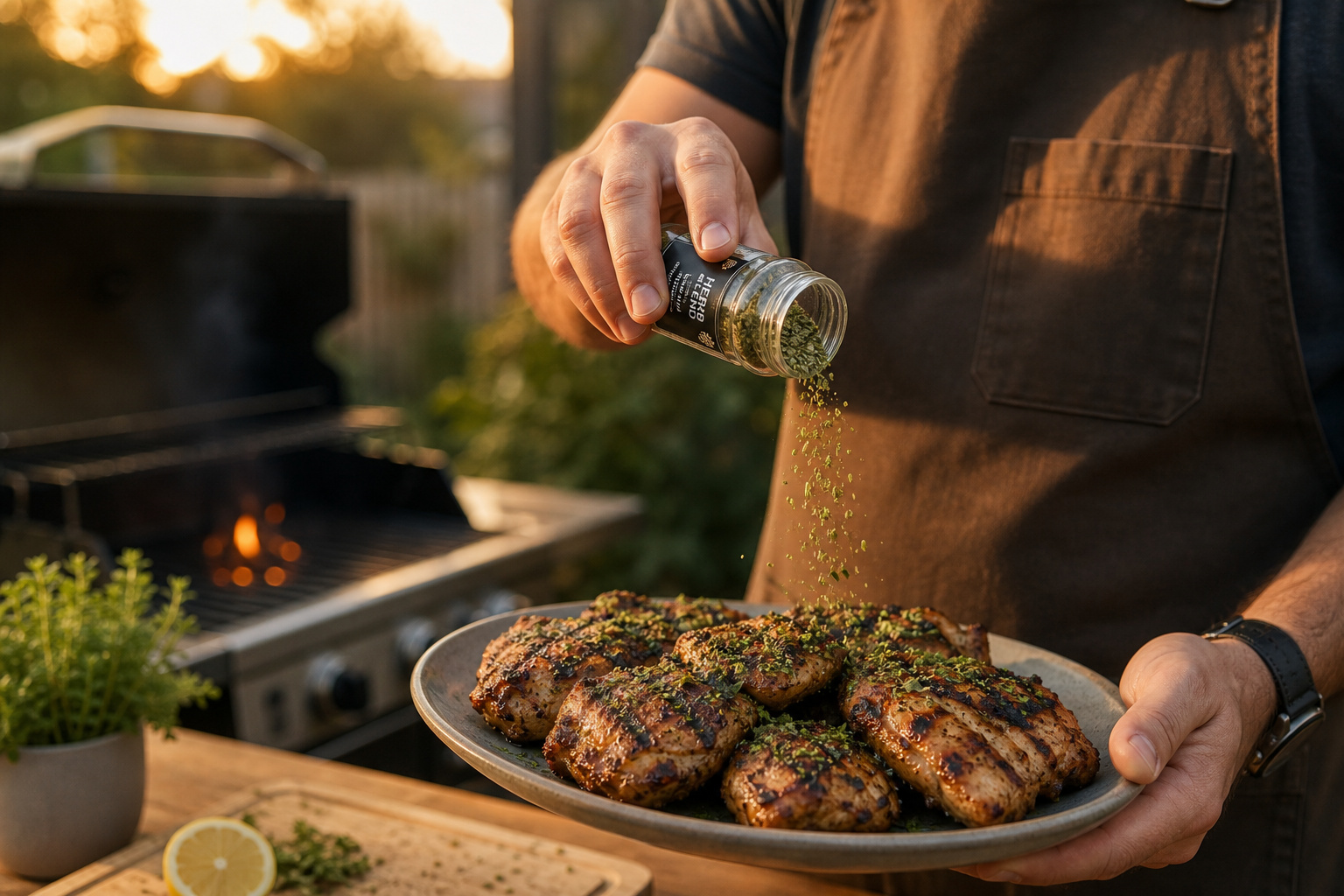
For Tuscan Heat Spice and Southwest Spice, use 1 tablespoon per pound of protein. If you’re using ground meat (beef, chicken, turkey), adjust to 1 tablespoon per 8-12 ounces, since ground protein absorbs seasoning differently.
These ratios come straight from how HelloFresh uses them in their recipes. They’re tested. Don’t guess.
Storage and shelf life: homemade vs. original
Here’s where the DIY version and the original packet diverge. The original Fall Spice Blend packet is shelf-stable for up to a year. Your homemade version? About three months in an airtight mason jar in a cool, dry spot.
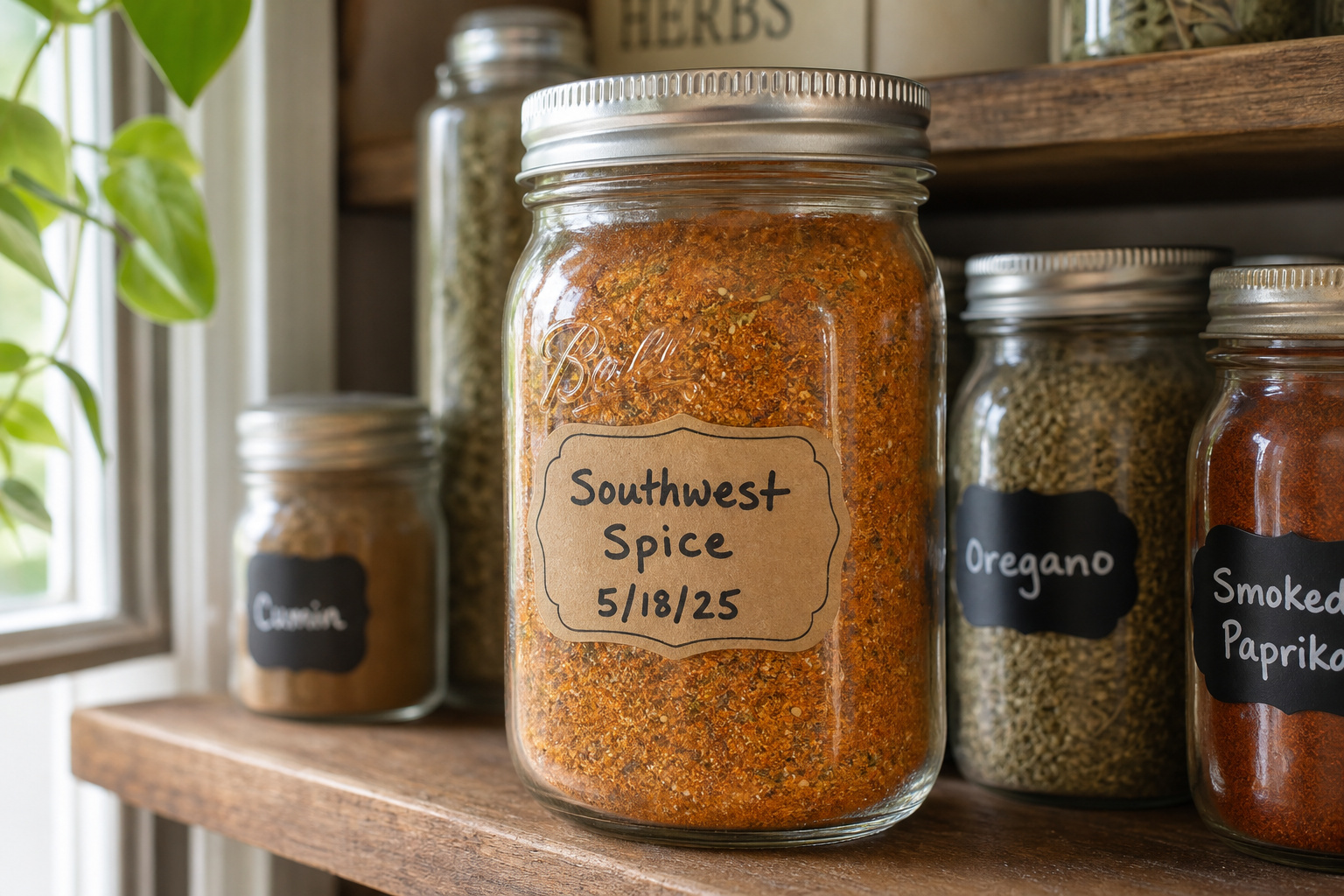
Southwest Spice homemade blend lasts up to six months — a bit longer because the ingredients are less moisture-prone.
A few storage rules that actually matter:
- Avoid plastic jars. They trap moisture and make spices clump. Glass mason jars with airtight lids work much better.
- Keep away from the stove or oven. Heat accelerates flavor loss. A cabinet away from the cooktop is ideal.
- Label everything with the date. You will not remember when you made that batch of Berbere six months from now.
Nutrition information for key blends
If you’re tracking macros or sodium, here’s what you need to know. These are per 1 tablespoon:
| Blend | Calories | Fat | Sodium | Carbs | Fiber | Protein |
|---|---|---|---|---|---|---|
| Fry Seasoning | 20 | 0g | 0mg | 5g | 1g | 1g |
| Tuscan Heat Spice | 25 | 0.5g | 0mg | 5g | 3g | 1g |
| Southwest Spice | 25 | 1g | 60mg | 5g | 1g | 1g |
| Fall Spice (per serving) | 4 | 0g | 1mg | 1g | 0g | 0g |
A couple of things stand out here: Fry Seasoning has zero sodium, so it’s a good option if you’re watching salt. Tuscan Heat has 3g of fiber per tablespoon — that’s unusual for a spice blend. Southwest has the most sodium at 60mg, mostly from the optional salt in some versions.
One caveat: the Fall Spice Blend nutrition info is auto-generated, not lab-tested. Good for a rough idea, but take it with a grain of salt — literally.
Customization: making these blends your own
The Southwest Spice blend is a perfect example of why DIY is actually better than buying. The base is simple: 4 parts garlic powder, 2 parts cumin, 2 parts chili powder. But you can take it in four different directions from there:
- Smokier: add smoked paprika
- Spicier: add cayenne or crushed red pepper flakes
- Sweeter: add brown sugar or a touch of honey
- Citrusy: add dried lime zest
The optional oregano and coriander from the expanded recipe give it a more rounded flavor, but you don’t need them for the core profile. That’s the beauty of making your own — you’re not locked into HelloFresh’s exact formulation. You can make it better for your own kitchen.
The shortcut: pre-made bundles that cover some blends
If you’d rather buy than mix, there’s one option worth knowing about: the HelloFresh Spices bundle from Seasoned Pioneers for £19.95. To put that in perspective, a homemade batch of Southwest Spice costs roughly $0.30 per ounce, the Seasoned Pioneers bundle works out to about $1.10 per ounce, and ordering a full HelloFresh box just for the spice packets would cost around $8.00 per ounce — making DIY the clear winner for value.
It includes six blends: Chermoula, Cajun, Central American, Zanzibar Curry Powder, North Indian Curry Powder, and Ras el Hanout. They’re gluten-free, vegan/vegetarian friendly, 100% natural, hand-packed in the UK, and come in small resealable packets.
But here’s the honest truth: it only covers a subset of the full lineup. The most popular blends — Southwest, Tuscan Heat, Fry Seasoning, Shawarma, aren’t in this bundle. So if those are the ones you’re after, you’re still making them yourself. Also worth noting: this is a UK-based product, so US readers may have limited access.
Final tips for actually using this guide
If you’re only making a few blends to start, the community’s consensus is: Fry Seasoning, Tuscan Heat Spice, and Southwest Spice. Those three cover vegetables, chicken, beef, seafood, and pretty much anything you’d roast or sauté. They’re the workhorses.
Make small batches first. It takes about five minutes to mix up a batch of Southwest Spice — no need to commit to a full jar until you’re sure the ratios work for your taste.
Label your containers with the blend name and the date you made it. It’s a small step that saves a lot of confusion later.
And here’s the contrarian take: homemade versions can taste better than the originals. Fresh-ground spices are brighter and more vibrant than the pre-packaged versions that have been sitting in a warehouse. You’re not settling for a substitute — you’re making something that could be better, if you take the time to get the ratios right.
So pick a blend, mix it up, and don’t be surprised if you end up like me: standing over the stove with a jar of DIY Shawarma seasoning, wondering why you thought you needed a subscription to get the flavors you wanted.
People Also Ask
How should I store homemade spice blends to keep them fresh?
Use glass mason jars with airtight lids instead of plastic, which traps moisture and causes clumping. Keep them in a cabinet away from the stove or oven, since heat accelerates flavor loss, and always label the jar with the blend name and date so you don’t forget when you made it.