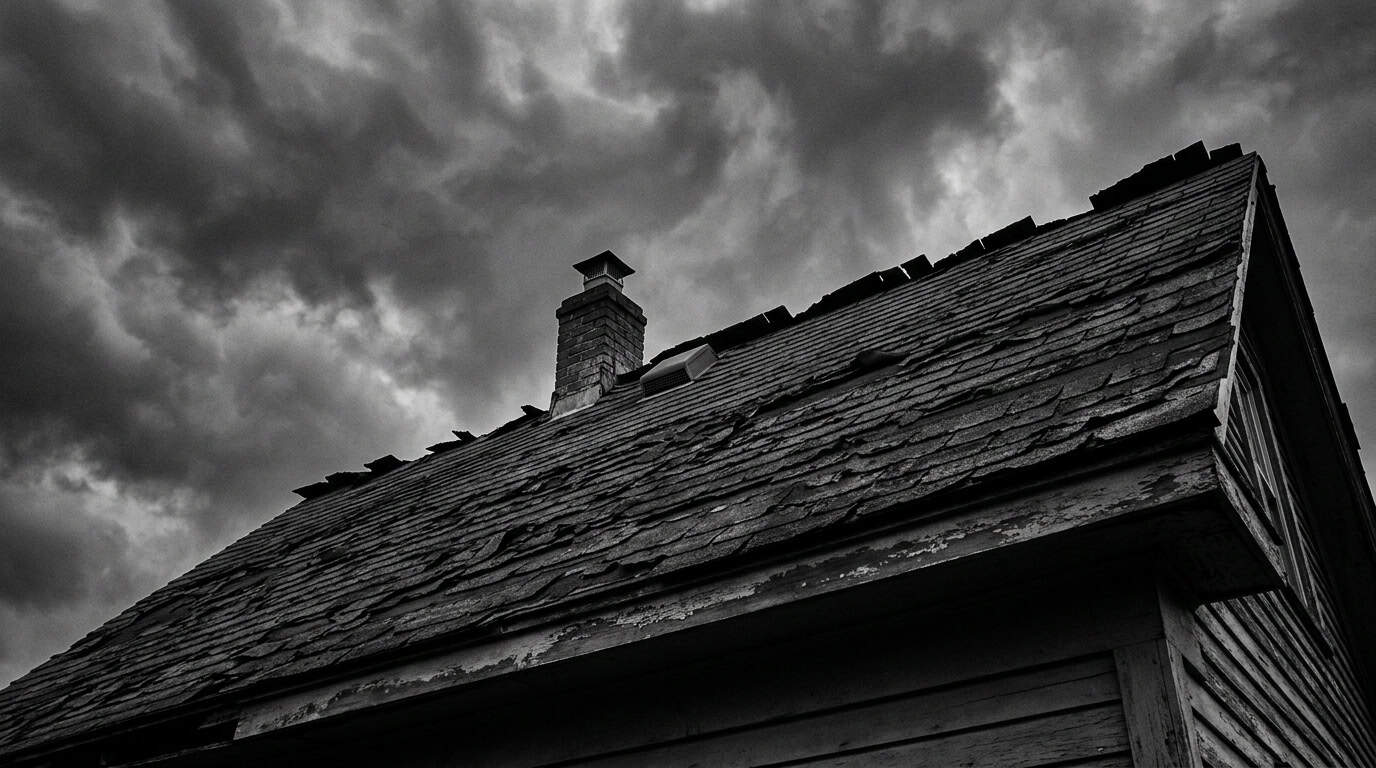
The most common interior and exterior signs of a failing roof range from invisible interior condensation to distinctly missing exterior materials that leave your framing exposed. When it comes to home repair, ignoring a problem never makes it cheaper. A while back, we heard all sorts of insane noises coming from the ceiling of our commercial Tidbits of Experience office. I went up to investigate, assuming it was just normal building settling.
Instead, we quickly realized that we had raccoons living up there, throwing a massive structural block party. That terrifying discovery forced us into a rigorous tradition of regularly checking the roof structure for vulnerabilities.
You do not need to wait for a heavy ceiling collapse to know dread. Spotting vulnerabilities proactively is a sequential process that uncovers hidden flaws from the ground all the way up to the attic. If things are completely past the point of a DIY check, you can definitely call in backup, like hiring the best commercial roofer in St Pete to handle the heavy lifting. But you can catch most of these issues yourself.
Establishing a steady, biannual protocol will save you thousands down the line. It works.
Key Takeaways
Asphalt shingles typically last 20–25 years, while materials like clay tiles or slate can last over 100 years with proper maintenance.
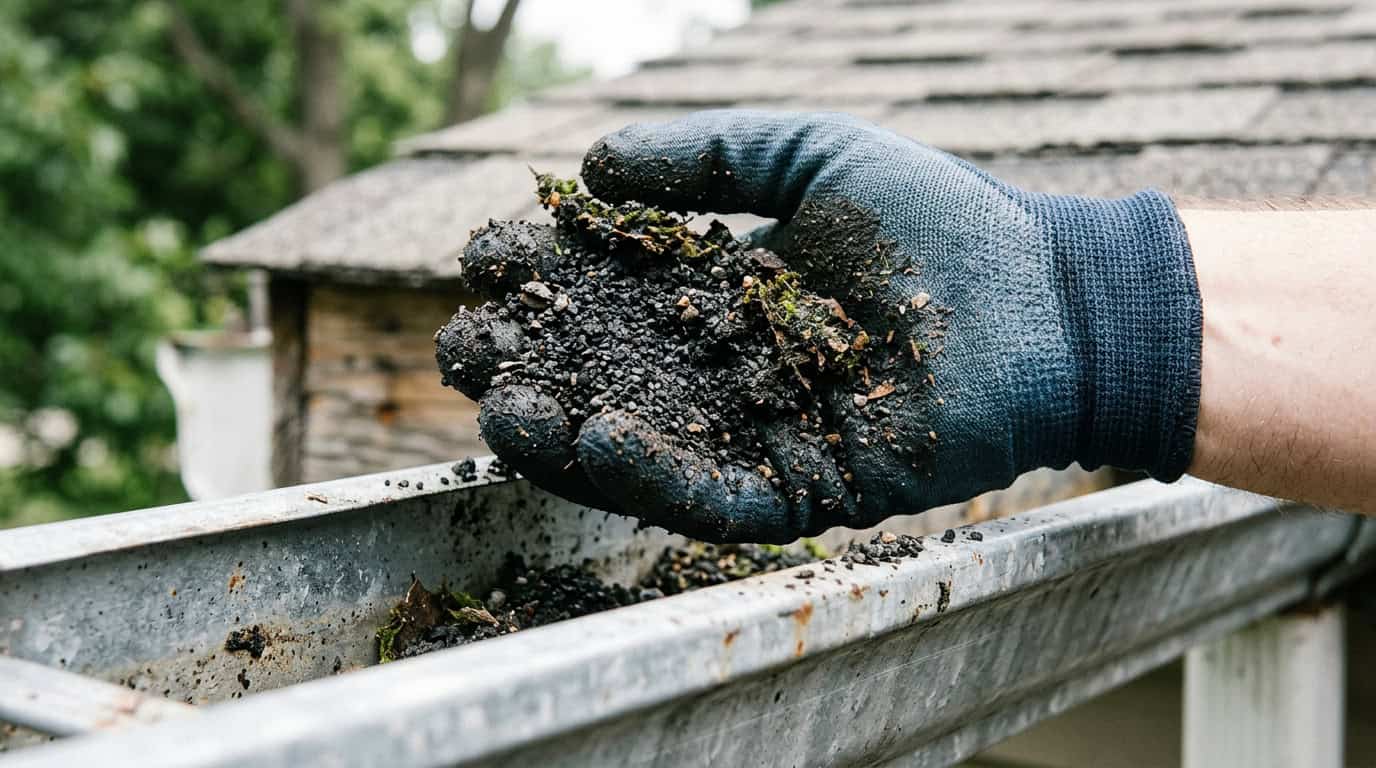
Finding sandy granules in your gutters is an immediate warning of surface breakdown, as it indicates the shingle materials are losing their built-in sun protection.
Check your interior walls; hidden moisture causes mold to grow within 48 hours of an invisible leak.
Table of Contents
How to Tell if a Roof is Bad From the Ground
You can safely inspect your roof for damage by yourself without an extension ladder by treating your downspouts and yard drainage systems as a biannual health check. Your gutters act essentially like a massive forensic catch-basin. They capture everything that washes off your home. You do not have to risk your neck to find out what is degrading up top.
Checking for Protective Debris
Look straight into the sludge at the bottom of your gutters. Heavy, sand-like sedimentation means your overhead materials are rapidly deteriorating. This buildup consists of missing asphalt granules, which means the shingles have lost their critical UV protection and are slowly baking in the sun. That loss instantly accelerates total failure.
This is not just dirty rainwater. It is the literal surface of your house washing away. Reframe how you think about those weekend chores regarding how to take care of your property. Cleaning out the muck is a crucial diagnostic step.
Spotting Exterior Overflow
Look closely at the exterior framing near your downspout seams. Water that fails to drain correctly will push up against the wood holding the structure together. This moisture rots the wooden fascia boards, a problem heavily accelerated by constant gutter overflow. It mimics a traditional weather breach but is entirely self-inflicted by a clogged drain. A minor blockage pushes standing water back under the lowest edge of the asphalt shingles. Eventually, that rotted wood fails entirely.
Shingle Surface Hazards: Assessing Moss and Direct Wear
Standard asphalt shingles normally last 20 to 25 years before they go bad, depending on weather conditions and organic surface growth. Once you finish looking at the gutters, scan the actual roof planes from a distance. Missing, physically cracked, or actively flapping shingles mean the moisture barrier is compromised. You can easily spot these flaws from the sidewalk using binoculars.
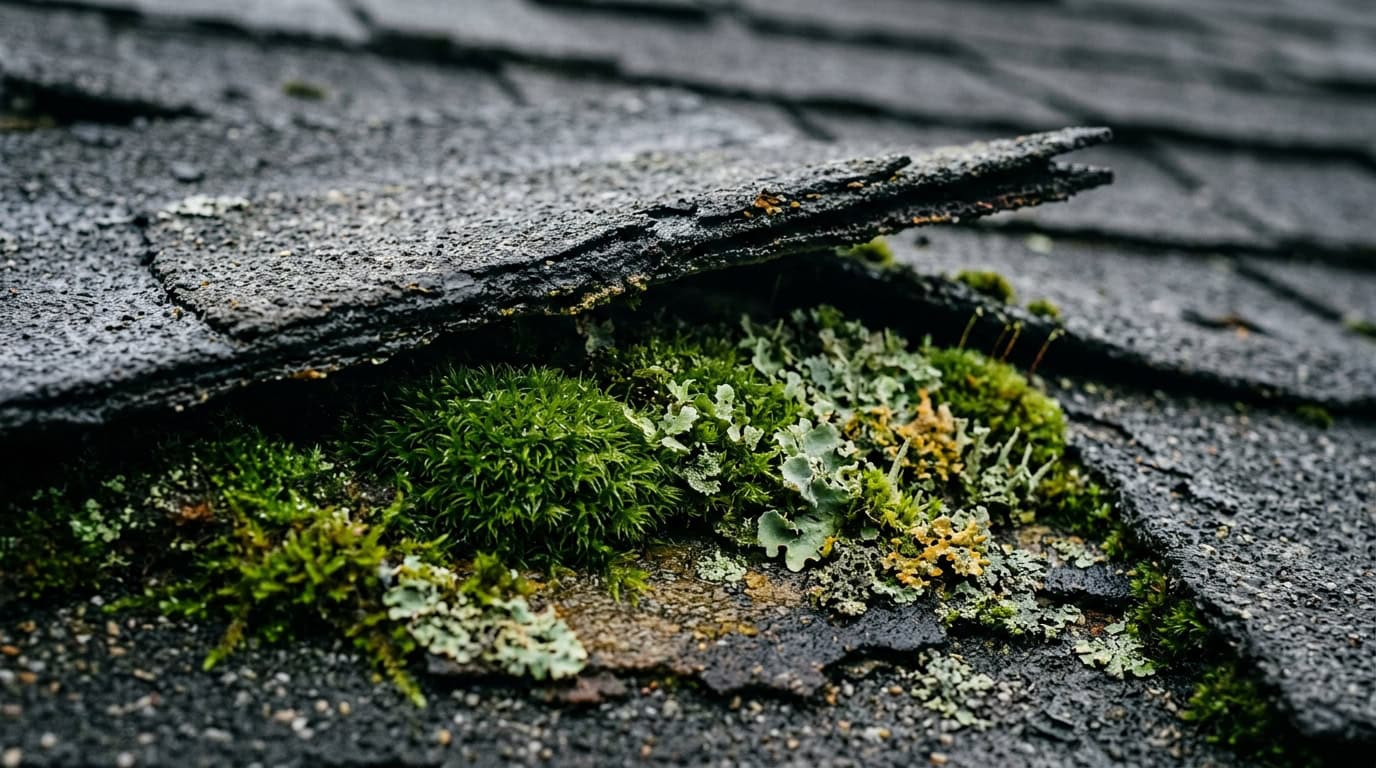
The green stuff growing on the shady side of the house is not just an aesthetic quirk. Biologically, lichen, algae, and moss accumulation lead directly to permanent shingle lift. These organisms act like a continuous, soggy sponge. They trap an active layer of moisture against the materials every single day.
That wet layer physically pushes the shingles apart, weakening the glue and giving rain a direct path inside. Ignore the greenery, and it will quite literally pry neglected roofs apart.
Wildlife Breaches and Compromised Roof Vents
The most common signs of vent failure are visible claw marks around metal edges and completely removed exhaust covers. As we learned the hard way at the Tidbits of Experience office, animals actively target these vulnerable protrusions. They pry metal apart. They chew apart the venting.
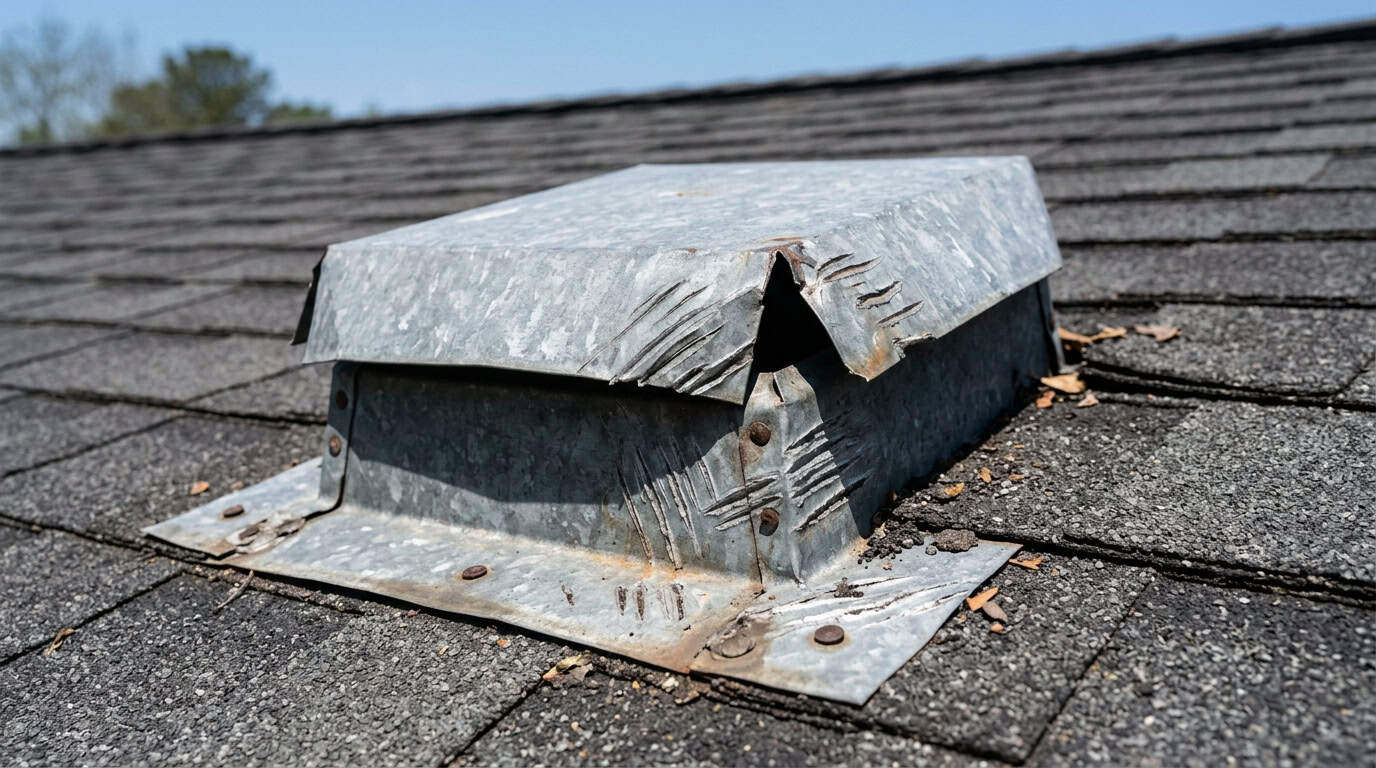
Inspect the physical condition of the metal flashing penetrations for specific claw damage, because those structural bends guarantee instant water ingress. The tiny gaps around chimneys and pipes are essentially targeted entryways. Wild animals transform a relatively minor weather liability into massive, overnight wildlife ingress, creating huge roofline vulnerabilities that rain simply pours into. Look closely at the metal siding around those vents.
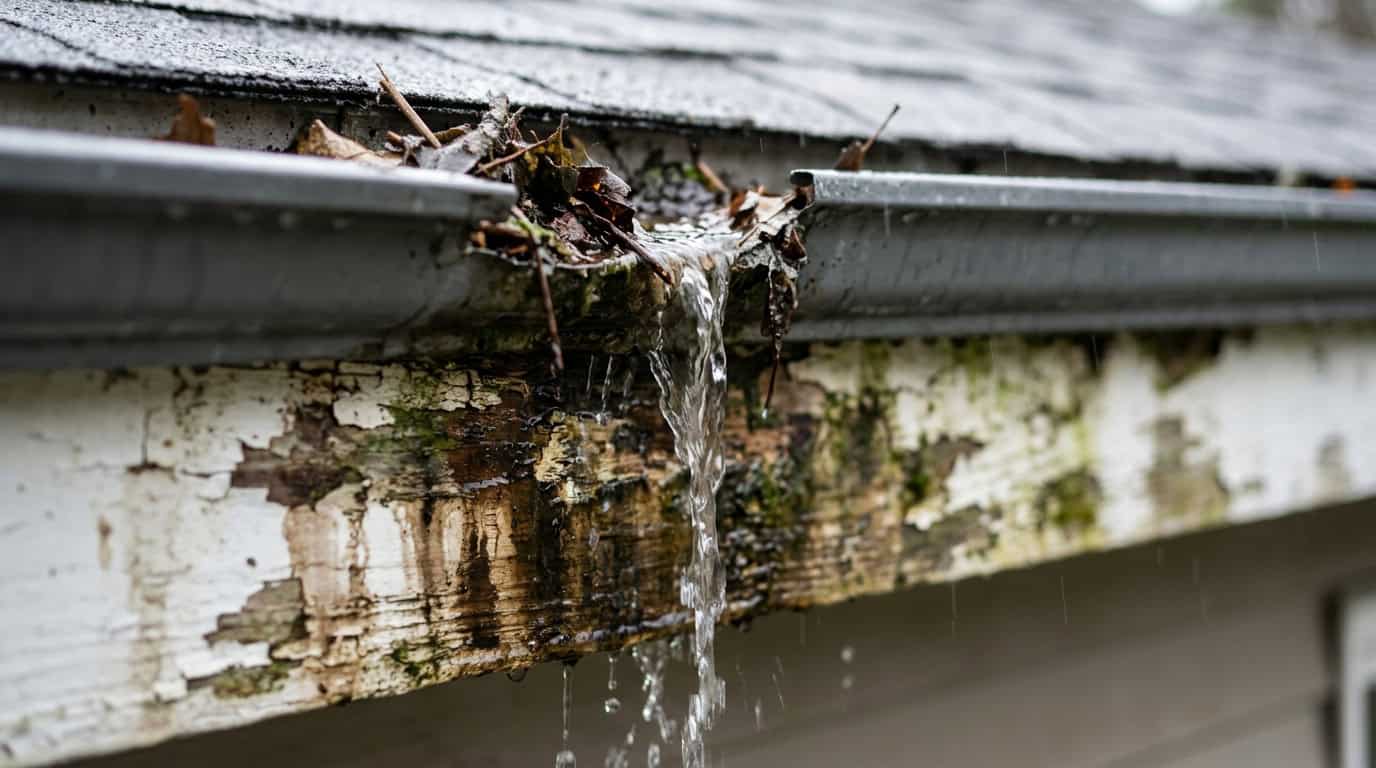
If the corners are bent backward, a raccoon found a way in. It is incredibly frustrating, and there is no simple hack for it. You just have to fix the metal.
Storm Impact: Identifying Hail and Severe Weather Damage
Severe weather events rolling through your neighborhood mean you have to verify whether any structural hits are localized or widespread. Storm damage rarely wears pieces evenly. Hail or high-wind impacts on a roof actually look like distinct, circular dents scattered across soft metal vents, along with random patches of missing grit.
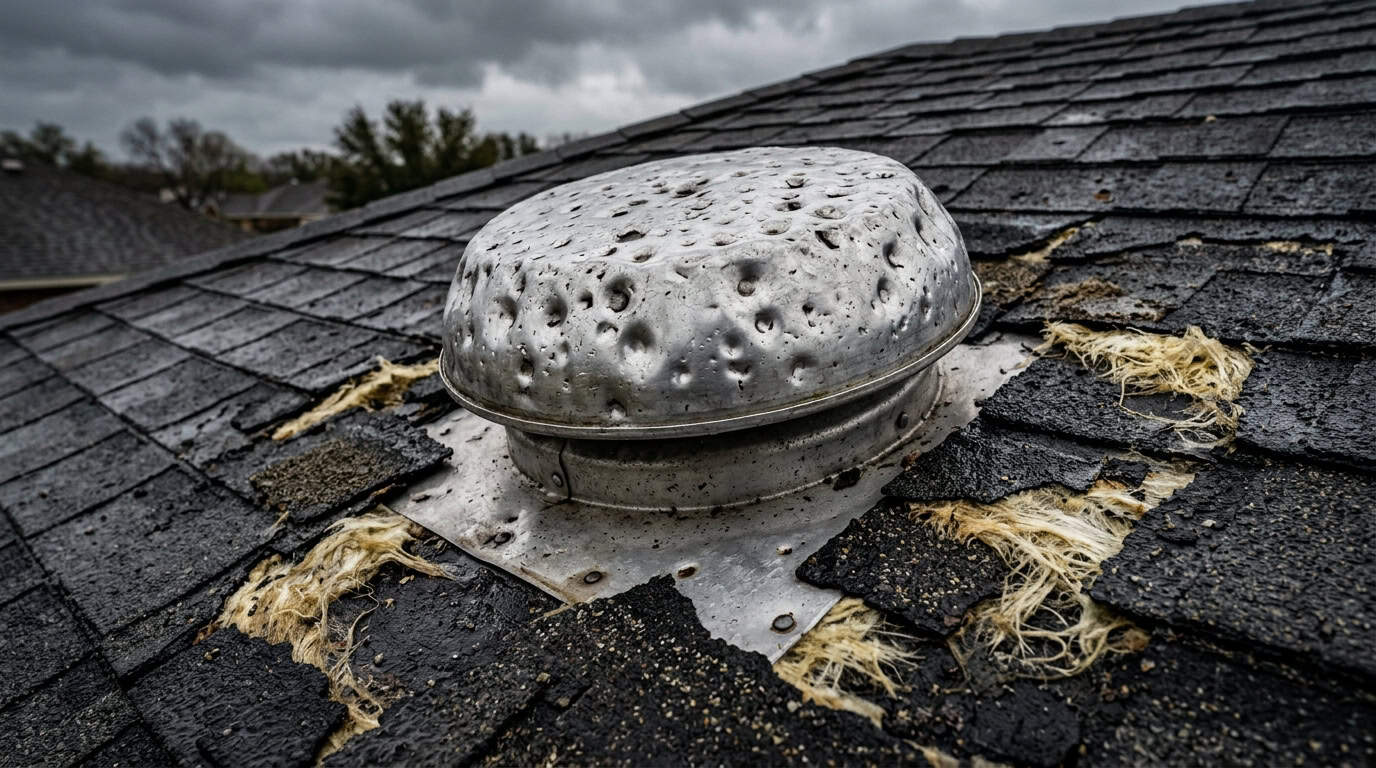
In heavy storm corridors like Calgary or Airdrie, evaluating the aftermath is just part of homeownership. Hail impacts leave actual bruised spots on the surface. They punch the grit right off the fiberglass mat. Interestingly, flat roofs often reveal deep pooling craters and surface indentations that steep pitches easily hide. Any time heavy hail falls, check the soft aluminum vent covers first. If the metal has little rounded craters on it, the entire exterior system definitely took a beating.
Attic Diagnostics: Spotting Internal Condensation
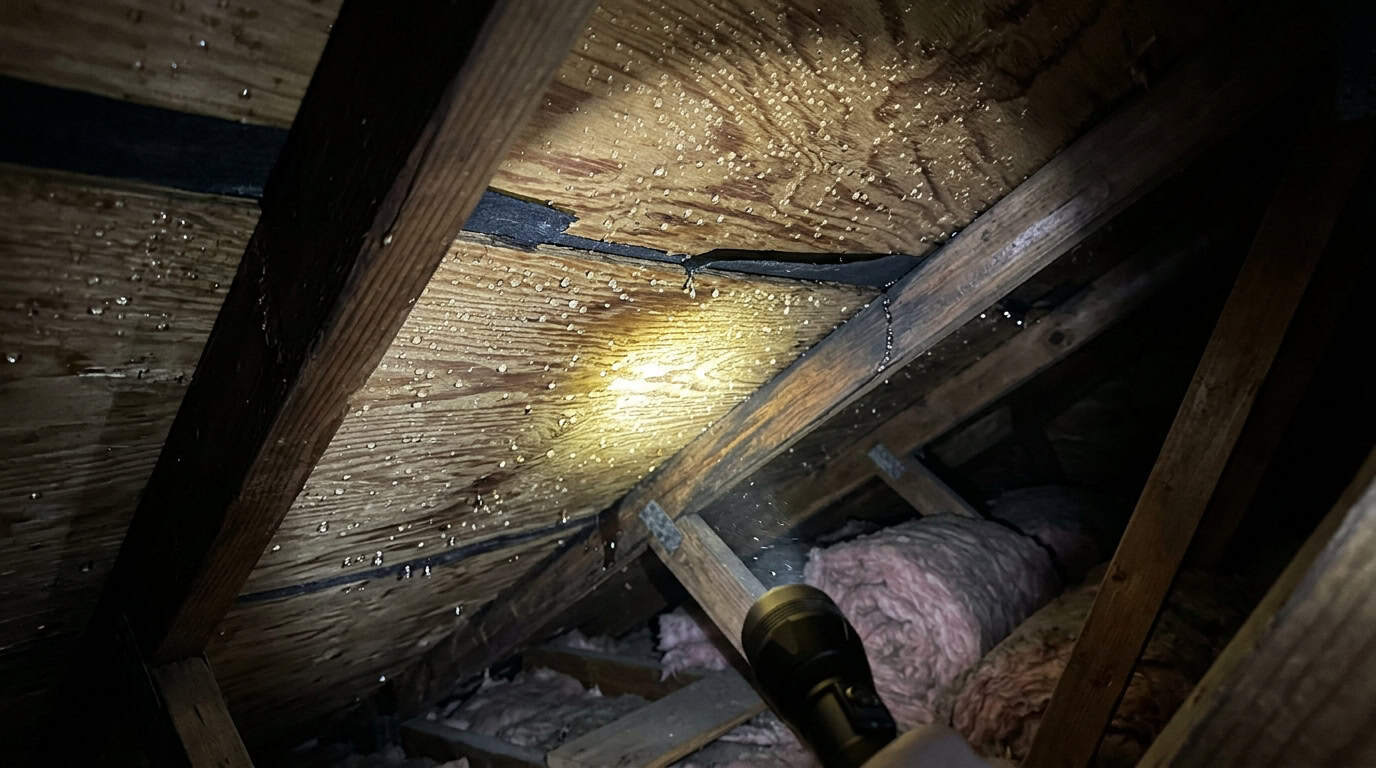
You can distinguish between normal cosmetic roof aging and severe structural damage by investigating your attic for deep internal air-flow blockages. Sometimes a leak is not actually a hole in the top of the house. A poorly vented system is incredibly destructive. Because the humidity has nowhere to escape, the space simply traps your home’s hot air.
Identifying Poor Ventilation
Feel the wooden panels underneath the primary deck during varying weather temperatures. If the wood feels completely damp when it has not rained in days, your roof sheathing is suffering from severe internal condensation sweating. That is the byproduct of blocked airflow. It mimics a weather leak perfectly, but the trapped humidity is decaying the wood from the inside out.
Your house is essentially breathing heavily into a plastic bag. A trip up into the attic is annoying and sweaty, but a necessary diagnostic step to catch this decay early.
“Your house is essentially breathing heavily into a plastic bag.”
Checking for Daylight Breaches
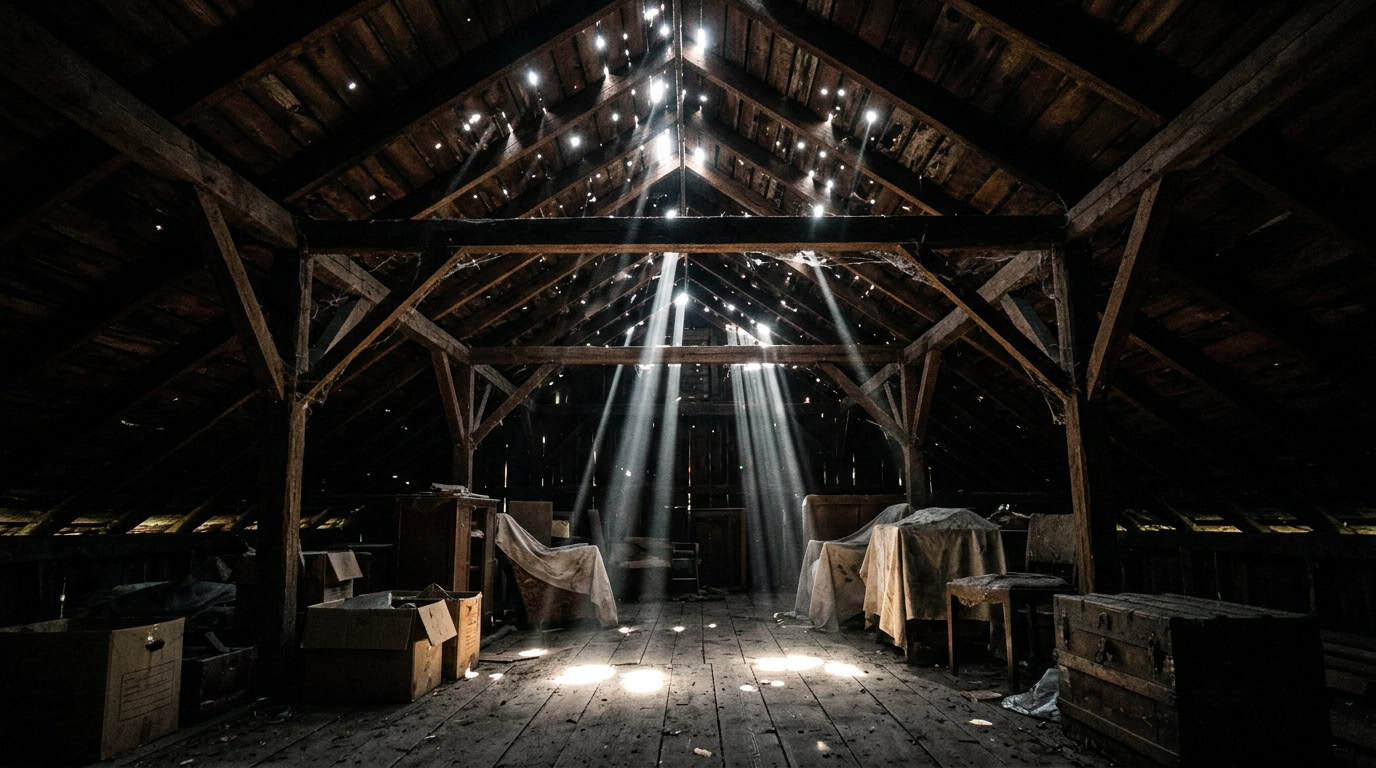
Turn all the nearby lights out and look for any pinholes of daylight. Sunlight shining through the upper deck is the absolute earliest indicator of a breach above. If light is getting in, rain is already getting in. The moisture simply has not pooled enough yet to break through the living room ceiling below. Catching these tiny stars of light saves you a massive interior renovation.
Wavy Rooflines: Interpreting Deck Rot From Afar
A visible dip, localized wave, or soft spot along the roofline means the foundational wooden deck holding up the surface has fundamentally failed. Step back to the street curb and align your vision straight along the peak. A perfectly healthy structure holds a straight, sharp line.
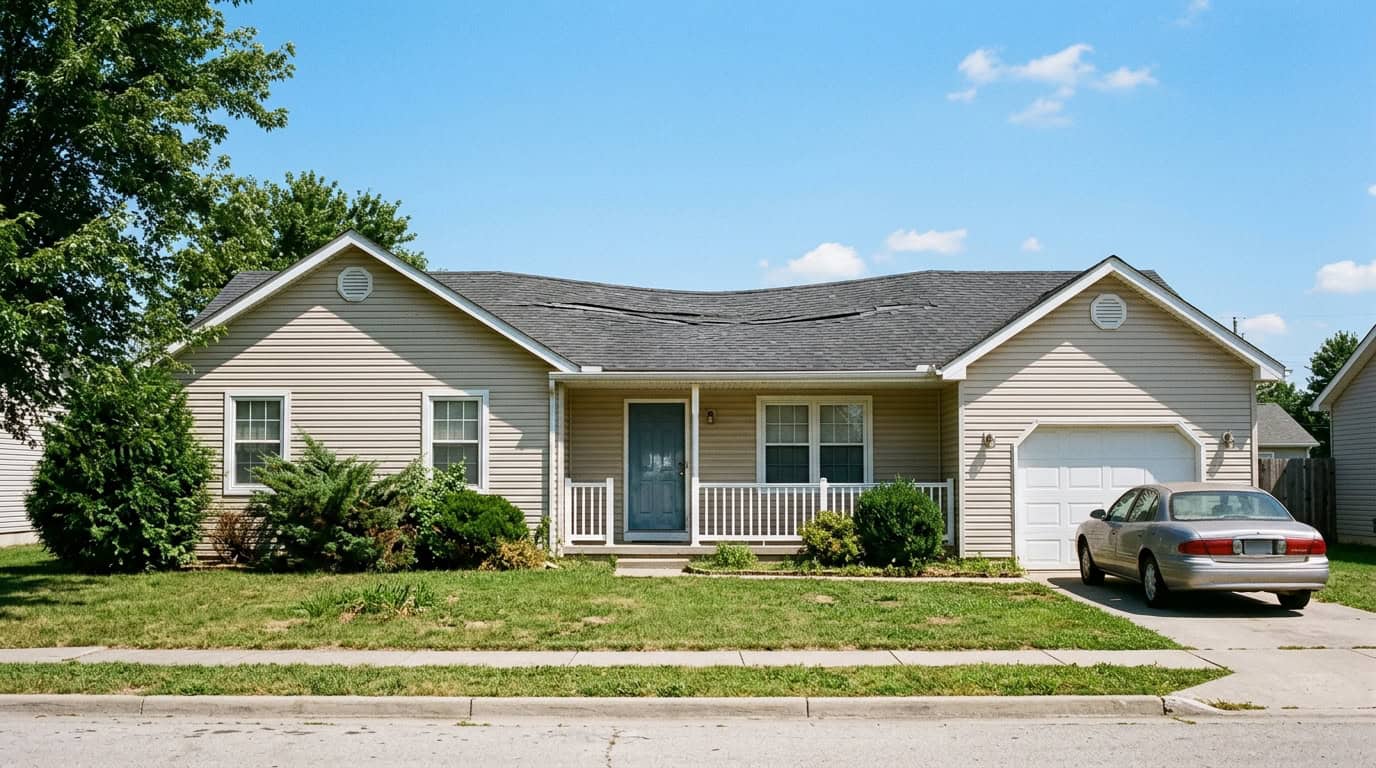
Translating that external symptom means accepting a hard truth. If you see deep structural sagging, it means severe deck rot has been quietly destroying the wood for months. By the time a wave presents itself visually, the damage is heavily advanced. The wooden sheathing beneath the shingles is completely soft and can no longer bear the physical weight of the materials.
It is a profoundly stressful moment as a homeowner. We naturally want to hope it is just a bad visual angle, but plywood does not bend unless water has destroyed its structural integrity.
Ceiling Forensics: Tracing the Path of a Leak
Brown water stains on your ceiling are a definite sign your roof is failing, but the breach is very rarely located directly above the visible stain. The moment you see that brown bubble, the clock is actively ticking. Structural mold starts growing wildly within 48 hours of a sudden leak.
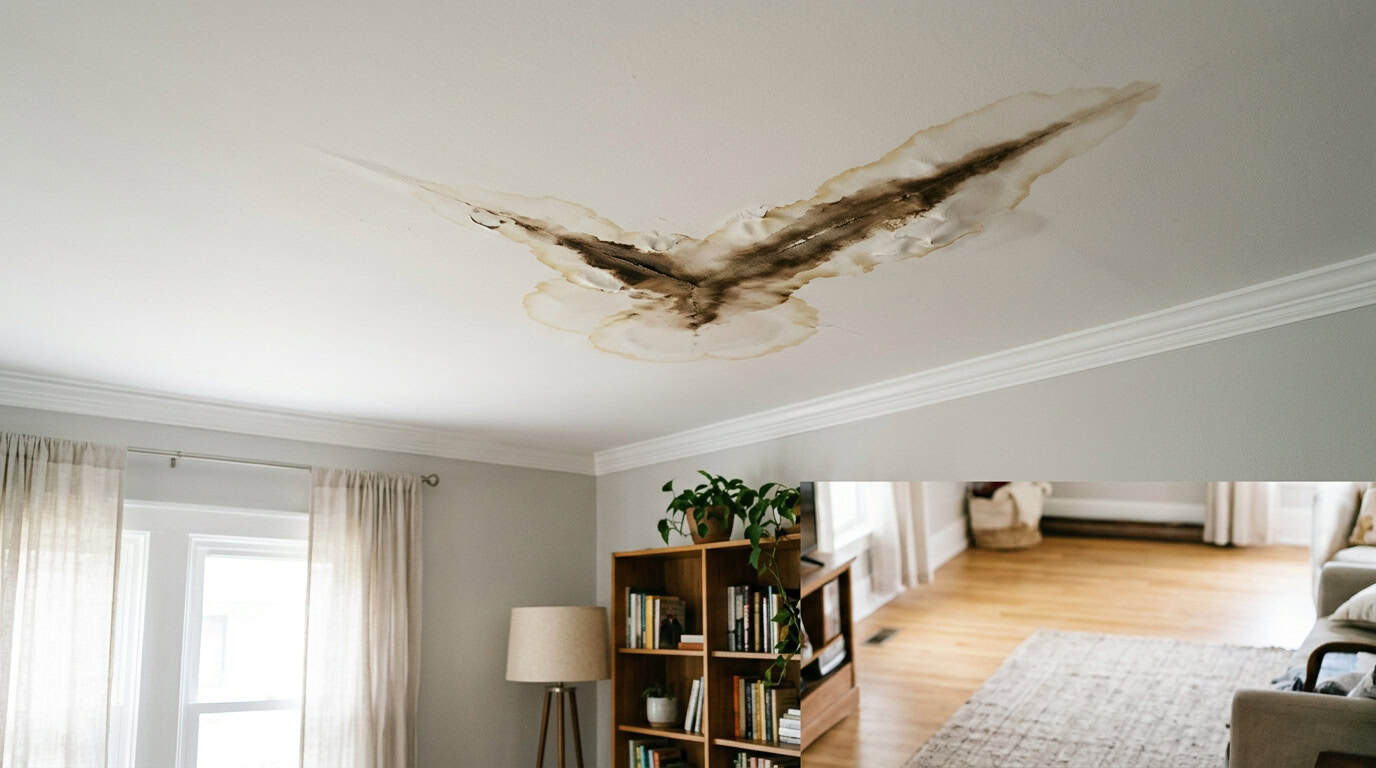
The fluid dynamics of an attic leak are deeply frustrating. Moisture always takes the path of least resistance. The physics of interior beam travel heavily dictate the resulting U-shaped stains you see forming on the drywall. Rain enters a tiny crack, drops onto a tilted wooden rafter, slides fifteen feet down the wood, pools at a low cross-section, and then finally drips onto your ceiling.
The stain’s shape is literally a pointing compass. Follow the curve upward. That V-shape maps the hidden trajectory of the water damage and helps you track the entry back to its original source.
Repair vs Replacement: Navigating the Property Impact
Having a bad roof will heavily delay selling your house, drastically reduce your property value, and frequently force eager buyers to immediately walk away. Navigating the financial impact of a failing top structure requires blunt honesty. A patchy fix on an expired system is functionally useless if you plan to move next year.
Valuing the Remaining Lifespan
Evaluate the core materials supporting the house. While standard asphalt only hits the two-decade mark, luxury installations like heavy clay tiles easily push a century if managed correctly. If your system is failing around year twenty, replacing it before listing is practically mandatory. Minor patchwork will fail a basic real estate inspection anyway.
Buyers hate expensive surprises like looming roofing jobs. Even incredible interior renovations stop mattering to a buyer if the fundamental structure above them is caving in.
Selling With a Bad Roof
Consult with regional market experts like the Justin Havre Real Estate Team to understand your actual leverage. If you cannot afford the out-of-pocket costs to swap the shingles before selling, look at specialized local options. Agencies underneath EXP Realty often use targeted programs that cover major renovations pre-listing. Specifically, tapping into the Havre Concierge or the Guaranteed Sold Program entirely shifts the burden of a failing roof away from your bank account during a stressful move. You do not have to figure out the massive financial logistics alone.
Why am I finding heavy, sandy grit at the bottom of my gutters?
That sediment is the protective asphalt granules washing off your shingles. Once those granules are gone, your roof loses its critical UV protection and starts baking in the sun. This rapid deterioration means the exterior surface of your house is literally washing away.
What is the difference between a true roof breach and attic condensation?
A weather breach is a physical hole or gap in the exterior materials letting outside rain in. Condensation happens entirely inside when poor ventilation traps humid, hot air in your attic like a sweaty plastic bag. The internal moisture rots the wooden sheathing from the inside out and mimics a traditional leak perfectly.
Why does the brown water stain on my ceiling not line up with the hole in the roof?
Water is lazy and strictly follows the path of least resistance through your framing. Rain drops through a tiny exterior crack, hits a tilted wooden rafter, slides several feet down the beam, and pools before finally dripping onto the drywall. You can actually use the V-shape of the interior stain as a compass to track the fluid dynamics upward to the real source.
What does it mean if the peak of my roofline looks wavy from the sidewalk?
A visible dip or wave indicates advanced, severe rot in the wooden decking underneath your shingles. Plywood simply does not bend unless moisture has entirely destroyed its structural integrity. By the time you can spot that sagging from the curb, the foundation has already failed and can no longer bear the weight of the surface materials.
Is removing moss from asphalt shingles actually worth the effort?
Absolutely, because that greenery is quietly destroying your house. Moss, algae, and lichen act like a continuous, soggy sponge that traps moisture against the materials every single day. That persistent wet layer degrades the glue and physically pries the shingles apart, giving rain a direct pathway inside.
How do I check for recent hail damage without climbing up an extension ladder?
Start by inspecting the soft aluminum vent covers from a safe vantage point or flat surface. Hail leaves distinctly bruised, circular craters on soft metals and punches the grit right off fiberglass mats. If those vents are heavily dented, the rest of your exterior system certainly took a localized beating as well.
Can I sell a house with an expired 20-year roof without paying out of pocket for a replacement?
Yes, by leveraging specific real estate programs that cover major renovations prior to listing. Brokerages connected to EXP Realty offer solutions like the Guaranteed Sold Program or the Havre Concierge to absorb those up-front replacement costs. This prevents a bad roof from killing your property value while shifting the financial burden away from your bank account during a move.