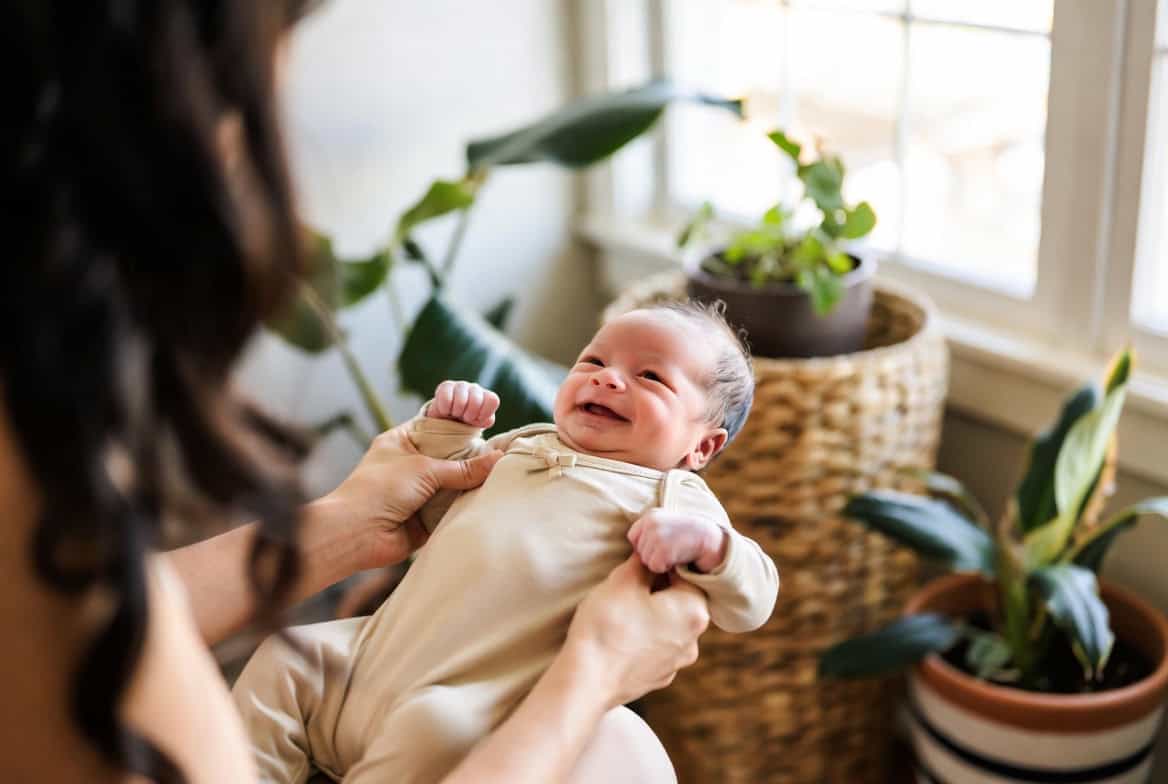
When you’re getting ready for a newborn, choosing what touches your baby’s skin is one of the most personal decisions you’ll make. You’ll find countless options for everything from tiny baby girl rompers to daily essentials like baby bandana bibs. With labels like “organic,” “natural,” and “conventional” everywhere, it’s easy to wonder what really matters.
The great news is you don’t need to be a textile expert to make wonderful choices for your little one. Understanding the key differences between organic and conventional fabrics helps you confidently pick clothing that supports your newborn’s delicate skin and fits your family’s values.
Key Takeaways
Skin Sensitivity is Key: A newborn’s skin is 30% thinner and more absorbent than an adult’s, making them highly sensitive to chemical residues and harsh dyes.
The Organic Advantage: GOTS-certified organic fabrics are grown without synthetic pesticides and processed without harsh chemicals, significantly reducing the risk of skin irritation.
The “Big Two” Certifications: Look for GOTS for organic fiber integrity and OEKO-TEX Standard 100 to ensure the final garment has been tested for over 100 harmful substances.
Bamboo for Softness: Bamboo viscose offers exceptional softness and temperature regulation, though parents should look for “lyocell” or “TENCEL™” for more eco-friendly processing.
Practical Preparation: Regardless of the fabric type, always wash new baby clothes before the first wear to remove manufacturing dust and surface residues.
Table of Contents
Why Fabric Choice Is So Important for Newborns
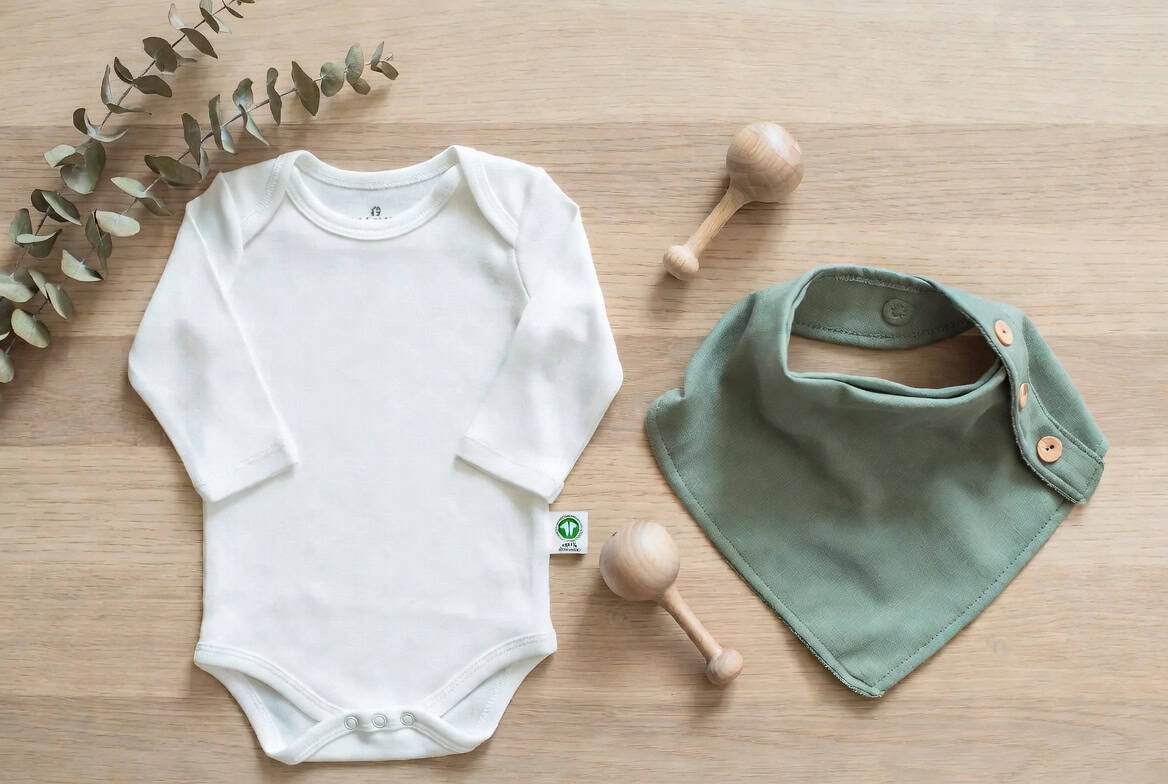
A baby’s skin is different from ours. According to Johns Hopkins Medicine, newborn skin is significantly thinner and more sensitive, making it more vulnerable to irritation and dryness. In fact, it can be up to 30% thinner than an adult’s, which allows substances to be absorbed more easily.
This is why breathability, softness, and chemical exposure are so important. Some conventional fabrics are finished with chemicals you’d want to avoid, like formaldehyde resins for wrinkle resistance or harsh AZO dyes for color. These residues can sometimes trigger skin reactions in sensitive babies.
Choosing gentle, high-quality materials is a simple way to keep your baby comfortable and happy, especially since they can’t tell you if something feels itchy.
What Makes a Fabric “Organic”?
So, what does it mean when baby clothing is made from organic fabrics? It means the fibers were grown without synthetic pesticides, chemical fertilizers, or genetically modified organisms (GMOs). This approach extends to the manufacturing process, which restricts the use of harsh chemicals and dyes.
For newborns, organic fabrics offer clear benefits:
- Gentler on sensitive skin: With fewer chemical residues, there is a lower risk of irritation.
- Soft and breathable: Organic fibers like cotton are known for their natural softness and airflow.
- Eco-conscious choice: Conventional cotton farming consumes a lot of water and pesticides. For instance, reports from organizations like the World Wildlife Fund have noted it can take over 2,700 liters of water to make just one conventional cotton t-shirt.
When you’re shopping for organic baby clothing, look for trusted certifications. The two most important ones to know are:
- GOTS (Global Organic Textile Standard): This is the gold standard. It guarantees the fabric is at least 95% organic fiber and that the entire production process, from farm to factory, meets strict environmental and social standards.
- OEKO-TEX Standard 100: This certification tests the final product for over 100 harmful substances. It ensures the clothes are safe for your baby’s skin, though the fibers themselves are not necessarily grown organically.
Understanding Conventional Fabrics
Conventional fabrics, like standard cotton, are popular for a reason. They are durable, affordable, and easy to find. These materials are often made from crops grown with pesticides and synthetic fertilizers and may be processed with chemicals like chlorine bleach to achieve a bright white color.
However, conventional doesn’t automatically mean unsafe. Many high-quality baby garments are made from conventional cotton and are perfectly soft and comfortable for most babies.
Pro-Tip: Always wash new clothes before your baby wears them. This simple step helps remove surface residues from the manufacturing process, like dust and finishing agents, making any garment gentler on their skin.
Many parents find a happy balance. They might choose conventional fabrics for outerwear or items that are washed often, while selecting certified organic pieces for items that have prolonged skin contact, like sleepers and bodysuits.
Bamboo Clothing for Babies: A Popular, Soft Alternative
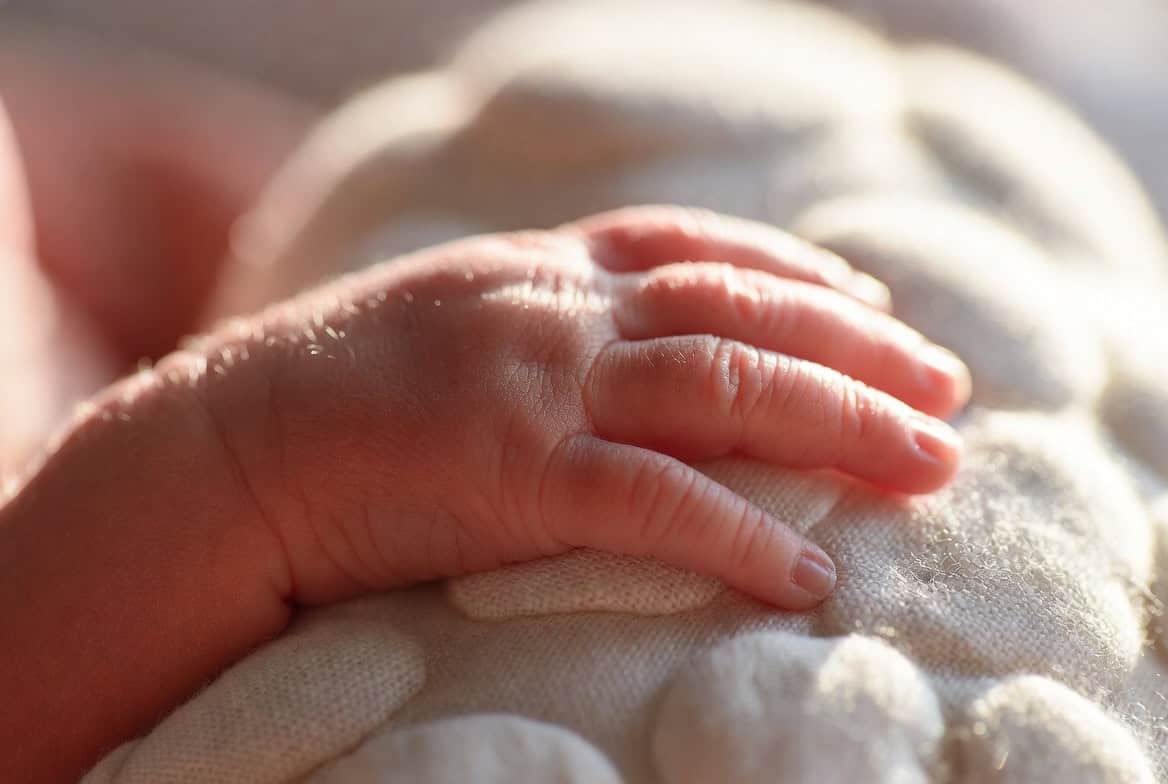
Bamboo clothing for babies is celebrated for its incredible softness, often compared to cashmere. It’s a wonderful option for newborn essentials because it feels so smooth against delicate skin.
The benefits of bamboo-derived fabric are impressive:
- Exceptional softness: Perfect for preventing irritation on sensitive skin.
- Moisture-wicking: It pulls moisture away from the skin, keeping your baby dry and comfortable.
- Temperature-regulating: The fabric helps keep babies cool when it’s warm and cozy when it’s cool.
It’s helpful to know that most bamboo fabric is technically bamboo viscose (or rayon). This means the raw bamboo is broken down and reformed into fibers using a chemical process. While the resulting fabric is silky and safe, the U.S. Federal Trade Commission (FTC) notes that this process is not always eco-friendly. For a more sustainable option, look for fabrics made with a lyocell process, like TENCEL™, which uses a closed-loop system to recycle water and solvents.
Organic vs. Conventional Fabrics for Newborns: A Quick Comparison
| Feature | Organic Cotton (GOTS) | Conventional Cotton | Bamboo Viscose |
|---|---|---|---|
| Softness | Very soft, gets softer with each wash | Can be soft, but varies widely | Exceptionally soft, silky feel |
| Hypoallergenic | Excellent, no harsh chemical residues | Good, but potential for irritation from residues | Excellent, very smooth fiber |
| Breathability | High | High | High |
| Environmental Impact | Low, no synthetic pesticides, less water usage | High, significant water and pesticide use | Complex. Plant is sustainable, but viscose processing is chemical-intensive. |
| Average Cost | Higher | Lower | Mid to High |
What to Look for When Shopping for Baby Clothes
No matter which fabric you choose, a few key features make baby clothes more comfortable and practical for both you and your little one.
- Soft Seams: Run your fingers over the stitching inside the garment. Flat, smooth seams are less likely to irritate your baby’s skin.
- Breathable Weave: Hold the fabric up to the light. A looser weave allows for better airflow, which helps regulate body temperature and prevent overheating.
- Ease of Care: Check the label. You’ll be doing a lot of laundry, so machine-washable and durable fabrics are a huge help. Keep in mind that bamboo fabrics often last longer when washed cold and tumble-dried on low.
- Smart Designs: Look for helpful features like two-way zippers for easy diaper changes or envelope necklines that stretch to go over your baby’s head without fuss. Avoid clothing with loose buttons or long ties, which can be safety hazards.
Making Thoughtful Choices for Your Baby
It’s easy to feel pressured to find the “perfect” items for your newborn, but remember that your loving care matters more than any fabric label. Whether you stock the nursery with organic cotton, bamboo clothing for babies, or well-chosen conventional pieces, you are already making great decisions by being so thoughtful.
You can always start with a few trusted basics and see what your baby seems most comfortable in. Over time, you’ll discover the fabrics and styles that work best for your family.
Parenting is a journey of learning. With a little knowledge, you can dress your newborn in comfort, confidence, and love.