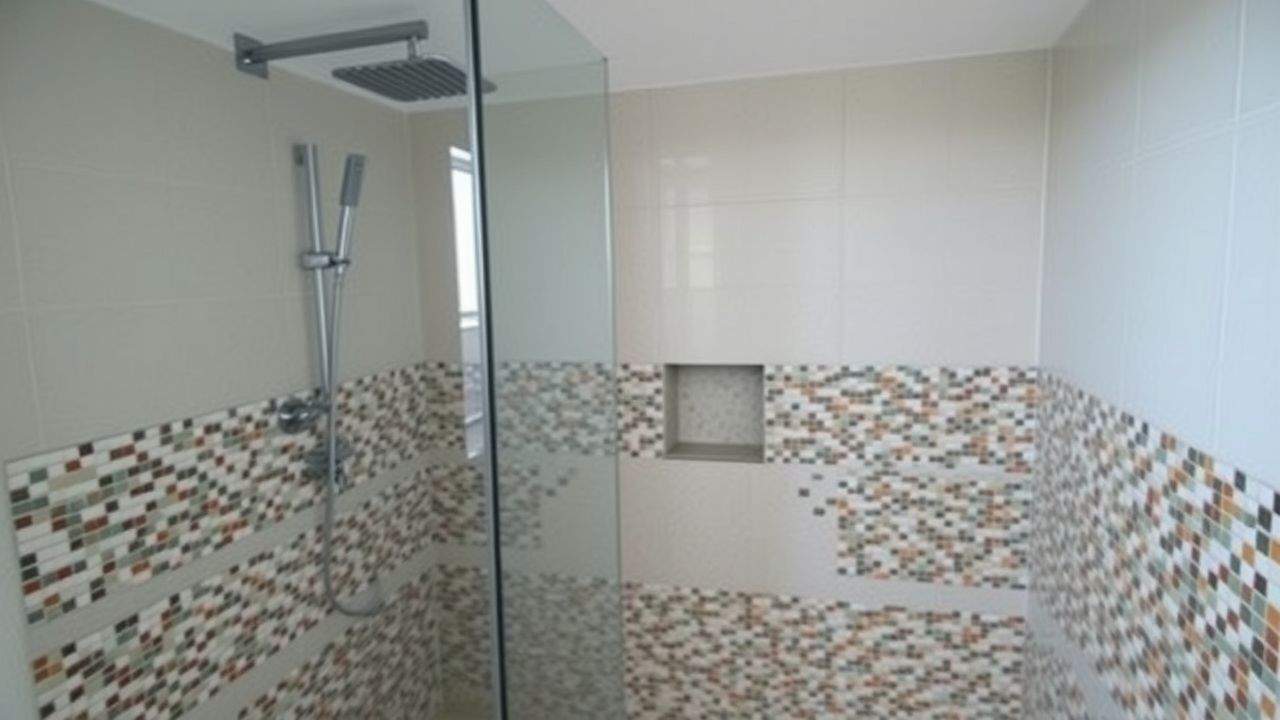
Are you tired of a cramped, outdated bathroom? You’re not alone. The 2025 U.S. Houzz Bathroom Trends Study shows that homeowners are increasingly prioritizing accessibility and wellness in their remodels. If you’re looking for an upgrade that delivers on both, it’s time to ask: what is a wet room? It’s a completely waterproof space where the shower area blends seamlessly with the rest of the bathroom.
This guide will walk you through the essential facts about wet rooms, turning your dream of a spa-like makeover into a practical plan.
Key Takeaways
A wet room is a fully waterproofed, open-concept bathroom without a separate shower enclosure, using a sloped floor and central or linear drain to manage water.
Crucial features include a spacious layout, complete waterproofing (known as “tanking”) with systems like Schluter-KERDI, and an efficient drainage system with a proper slope.
The main advantages of wet rooms are superior accessibility, easier cleaning, and a modern aesthetic, while the drawbacks include higher installation costs and the risk of water leakage if not professionally installed.
Successful installation demands reliable waterproofing techniques, a mandatory 24-hour flood test before tiling, and careful drain placement to ensure flawless function.
Wet rooms can increase property value by 5-10% and can be customized with luxury features like heated floors, wall-mounted fixtures, and stylish linear drains.
Table of Contents
What is a Wet Room?
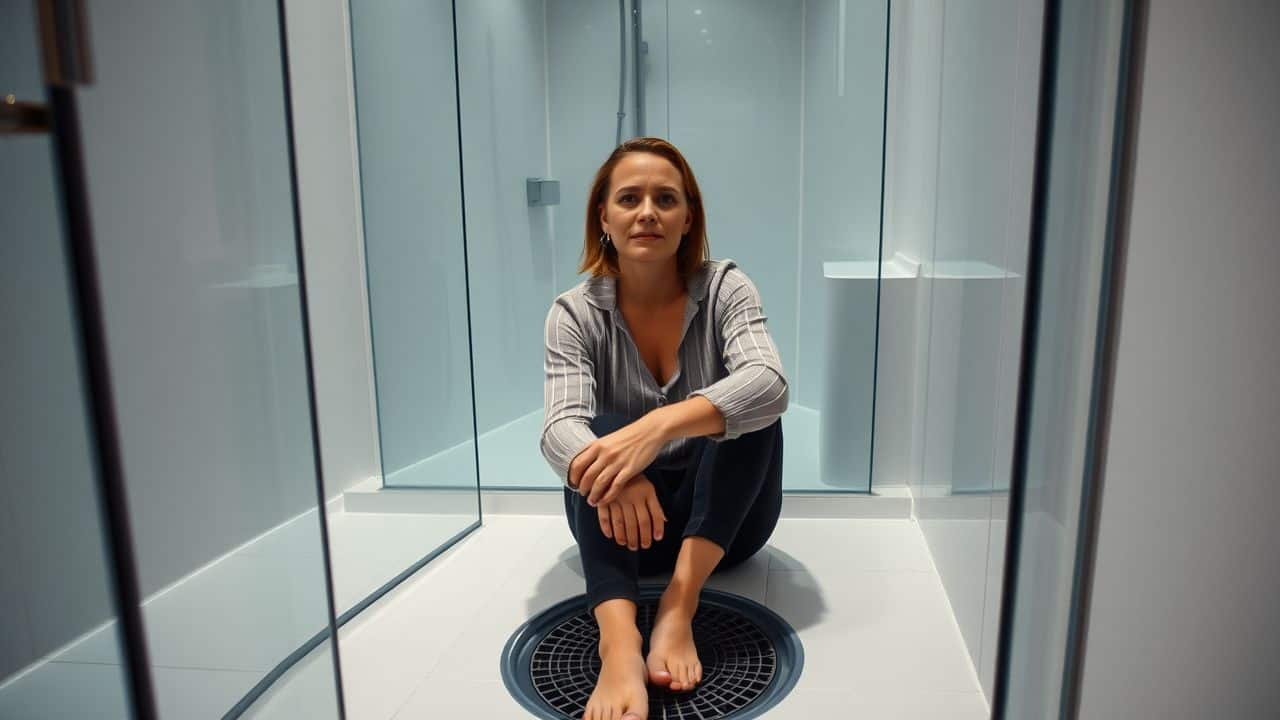
A wet room is a bathroom without borders. Think of it as an open-plan shower where the entire room is designed to handle water. There are no shower curtains or bulky enclosures, just an open, airy space.
The entire room, from floor to ceiling, is completely waterproofed. This process, known as “tanking,” creates a sealed envelope that prevents moisture from escaping into the rest of your home.

These modern bathrooms are gaining popularity fast, with the 2025 Houzz study reporting that 1 in 6 bathroom renovations now feature a wet room. They’re sleek, easy to clean, and incredibly accessible. The secret is a gently sloped floor that directs all water toward a drain, keeping everything tidy and safe.
A wet room isn’t just a bathroom, it’s a lifestyle upgrade!
Even toilets, sinks, and cabinets are often wall-mounted or made of water-resistant materials. For those looking for affordable wet room solutions, there are many options to fit different budgets, making this luxury accessible to more homeowners.
Essential Features of a Wet Room
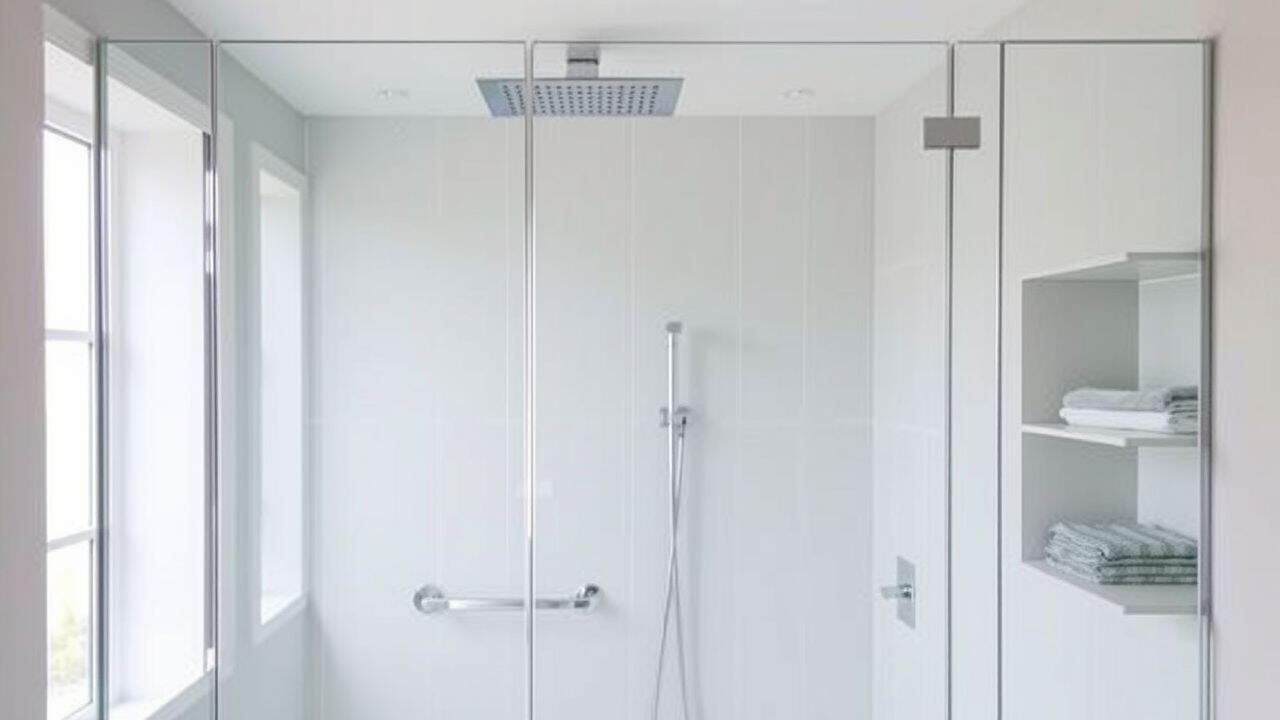
A successful wet room is all about the details. To work correctly, these spaces need specific features that manage water flow and ensure long-term durability. Let’s explore the key components that make a wet room both functional and beautiful.
Spacious Layout
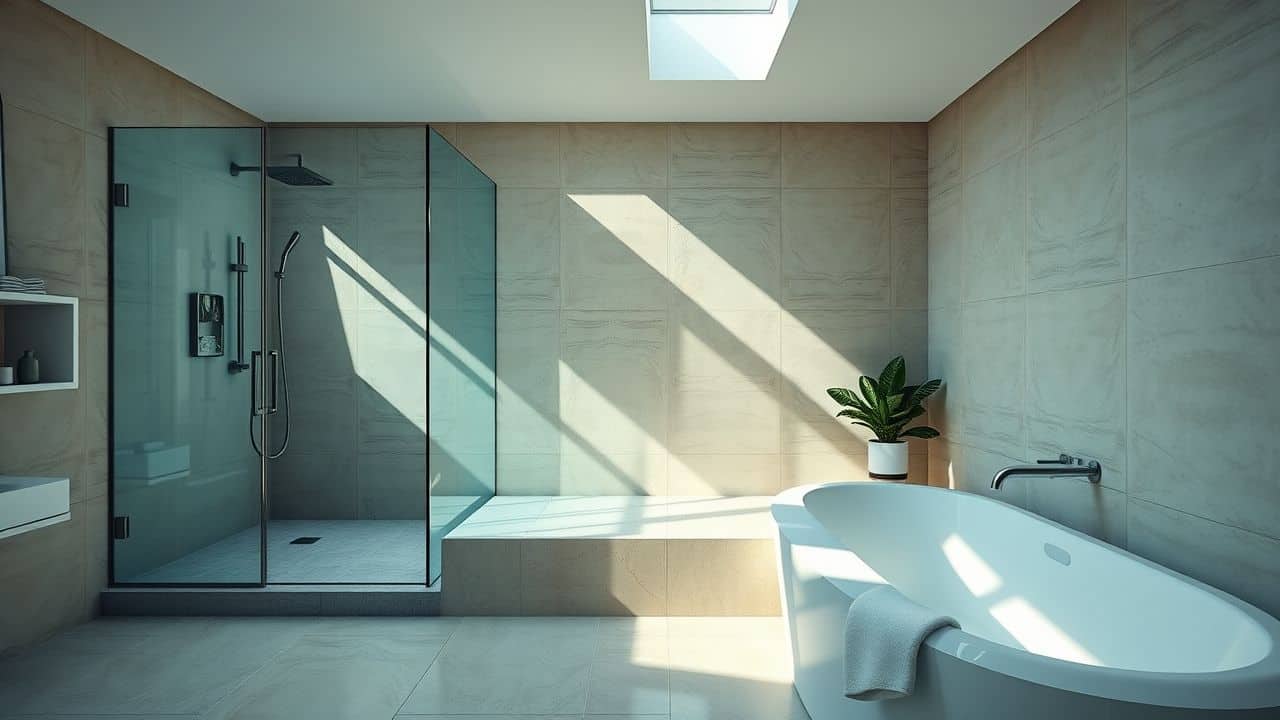
Wet rooms are defined by their spacious layouts. Without a cramped shower stall, the entire room feels more open. While there are no strict size rules, a comfortable wet room is typically at least 6′ x 6′ to prevent water from splashing on everything.
Many designs use a single, fixed glass panel instead of a door. This contains most of the spray while maintaining that open feel. You can even choose specific types of glass, like low-iron glass for perfect clarity or frosted glass for added privacy.
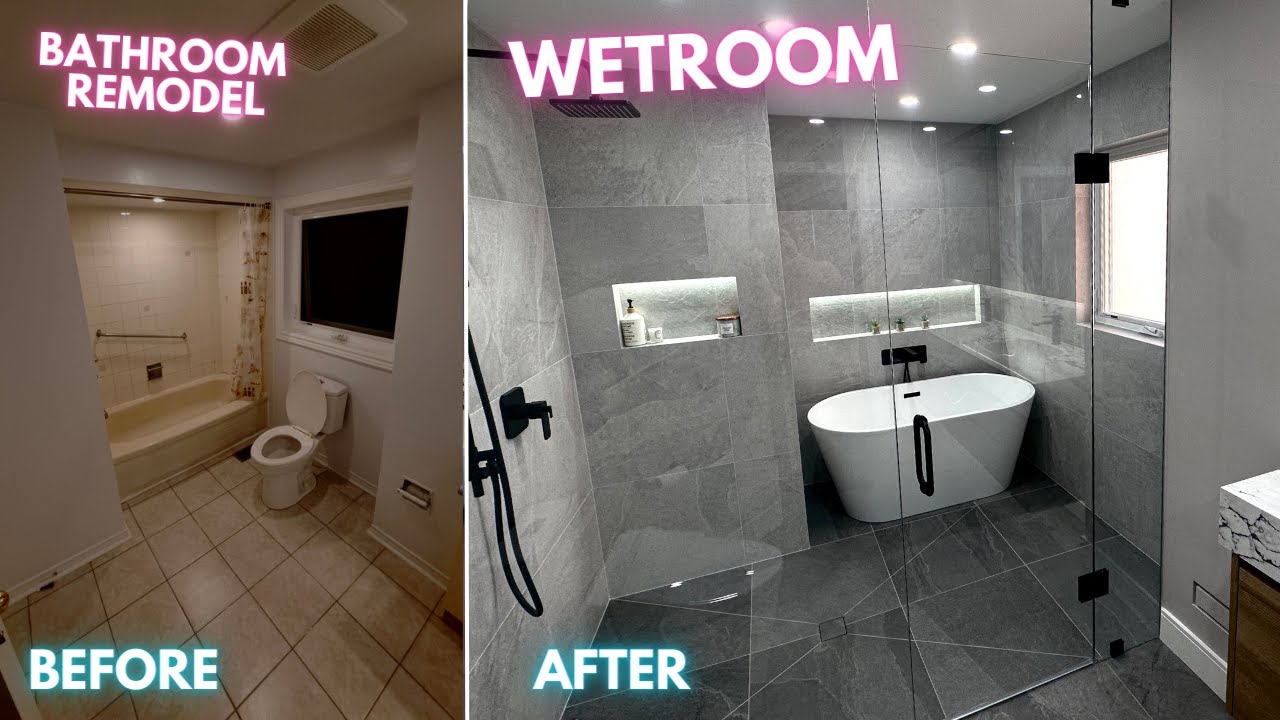
The barrier-free design isn’t just for looks. It’s a huge benefit for anyone with mobility challenges, making it easy to get in and out of the shower. This focus on universal design is a major reason why wet rooms are becoming a popular choice for homeowners planning to age in place.
Waterproofing Solutions
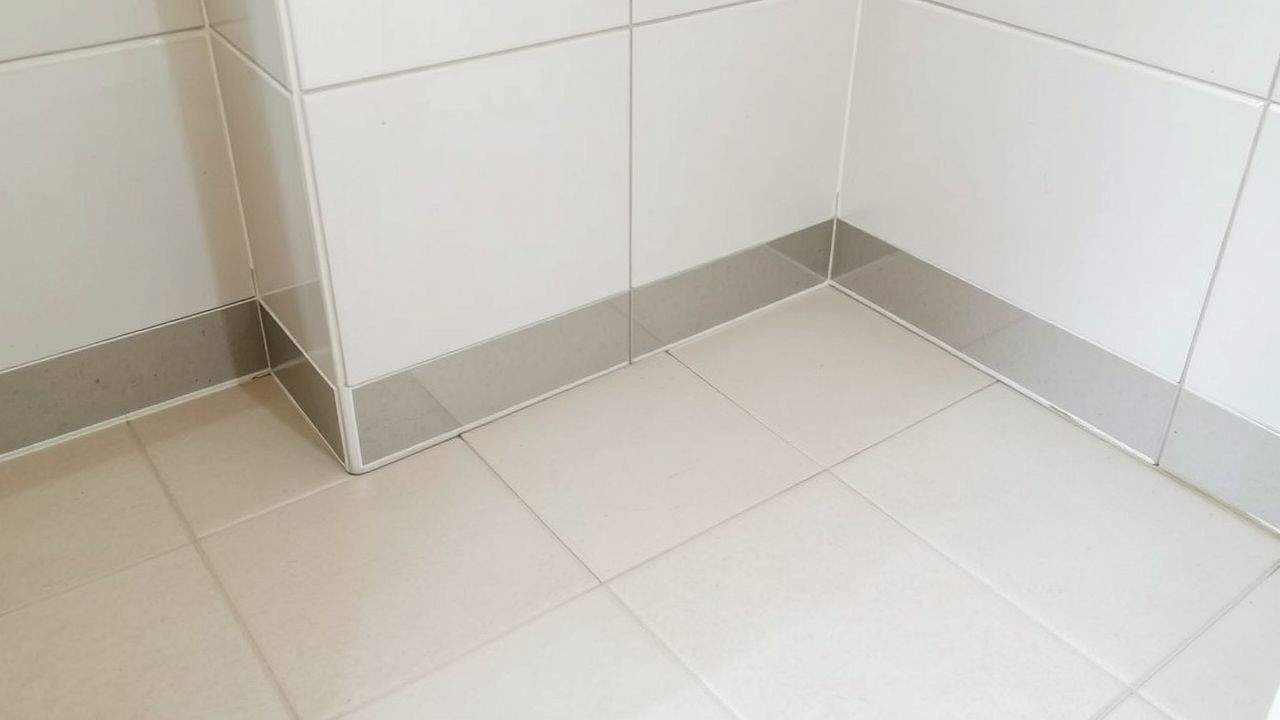
Waterproofing is the single most critical part of a wet room. It’s an entire system designed to contain water, not just a layer of sealant. Professionals use specialized systems to create a completely sealed, tank-like environment.
There are two main types of waterproofing systems:
- Sheet Membranes: These are physical sheets, like the popular Schluter-KERDI system, that are installed over the walls and floor. They provide a consistent layer of protection, and special pieces are used to seal corners and seams.
- Liquid-Applied Membranes: Products like Laticrete Hydro Ban or RedGard are painted onto the surfaces. They cure into a seamless, flexible, rubber-like layer that is completely waterproof.
Porcelain tiles are a top choice for wet rooms because they have a very low water absorption rate, typically under 0.5%. This adds another layer of protection. Regardless of the system used, a professional installer will always perform a 24-hour flood test before laying any tile to guarantee the room is perfectly sealed.
Efficient Drainage Systems

An efficient drainage system is the engine of a wet room. It consists of two key elements: the floor slope and the drain itself. The floor must be built with a subtle gradient to guide water toward the drain, preventing any pooling.
Experts recommend a slope of at least ¼ inch per foot. This is enough to ensure proper flow without making the floor feel noticeably tilted.
A good drainage system is like a silent guardian for your wet room.
You also have a choice when it comes to the type of drain.
| Drain Type | Best For | Tiling Notes |
|---|---|---|
| Point Drain | Traditional look, smaller spaces | Requires a four-way slope, works best with smaller mosaic tiles. |
| Linear Drain | Modern aesthetic, large bathrooms | Only needs a one-way slope, perfect for large-format tiles. |
High-quality brands like Infinity Drain or Pestan Confluo offer drains that are not only effective but also stylish. A pro tip is to choose a drain with an easily accessible hair trap to make cleaning and maintenance simple.
Advantages of a Wet Room
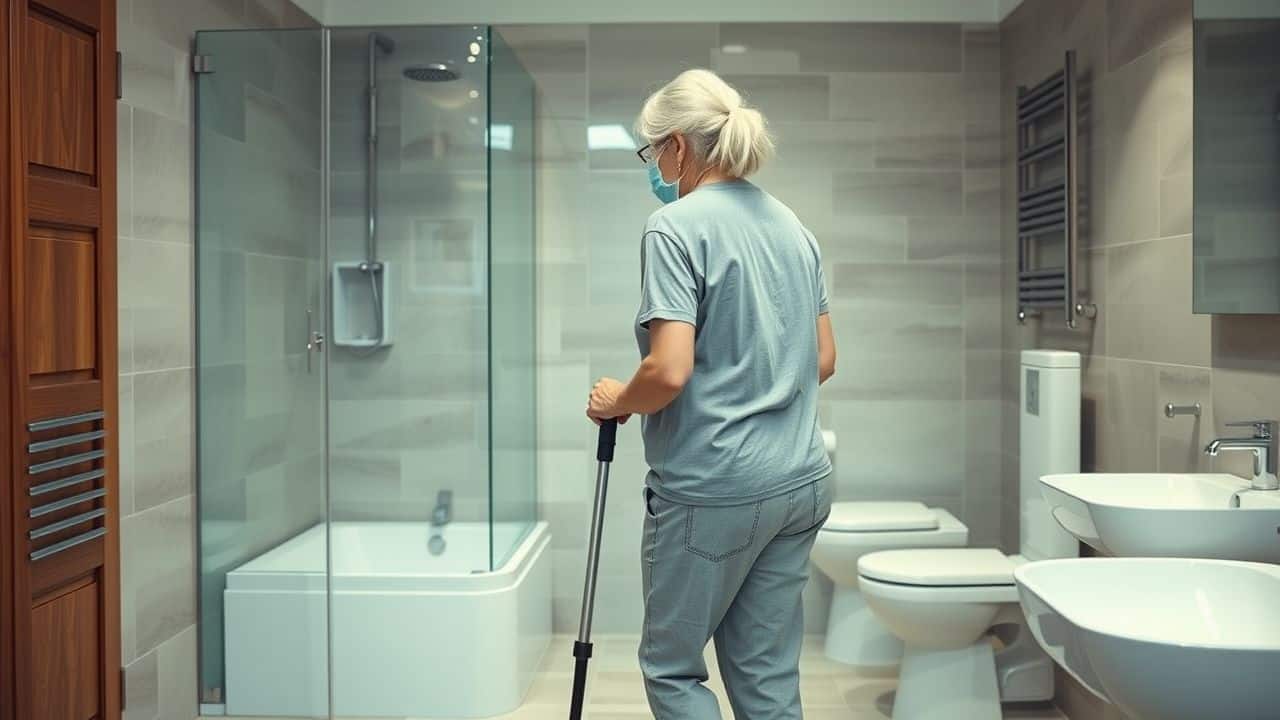
Wet rooms offer a fantastic combination of style, function, and future-proofing. They are easier to clean, look incredibly modern, and are perfect for people with mobility needs. Let’s look at why this bathroom remodel might be the perfect upgrade for your home.
Improved Accessibility
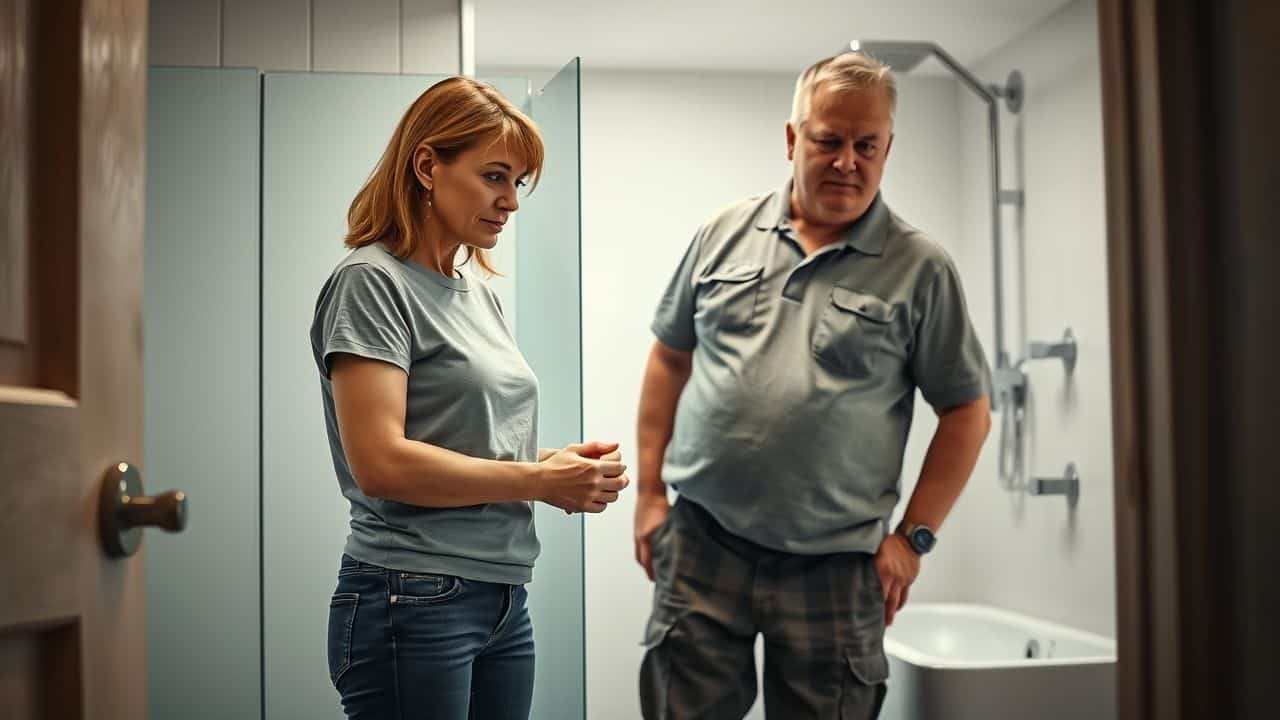
The single greatest advantage of a wet room is its accessibility. The completely level floor eliminates the curb or threshold of a traditional shower, which is a common tripping hazard. This makes it a game-changer for seniors, wheelchair users, and anyone with mobility issues.
A properly designed wet room can be made fully compliant with the Americans with Disabilities Act (ADA). This includes specific guidelines for things like clear floor space (a minimum 60-inch turning radius for wheelchairs) and grab bar placement. Incorporating these features makes the home safer and more comfortable for everyone.
According to the 2025 Houzz study, over two-thirds of homeowners now consider special needs during their bathroom remodels. A wet room is a smart investment in aging-in-place standards, allowing you to stay in your inviting home longer as your needs change.
Ease of Cleaning and Maintenance
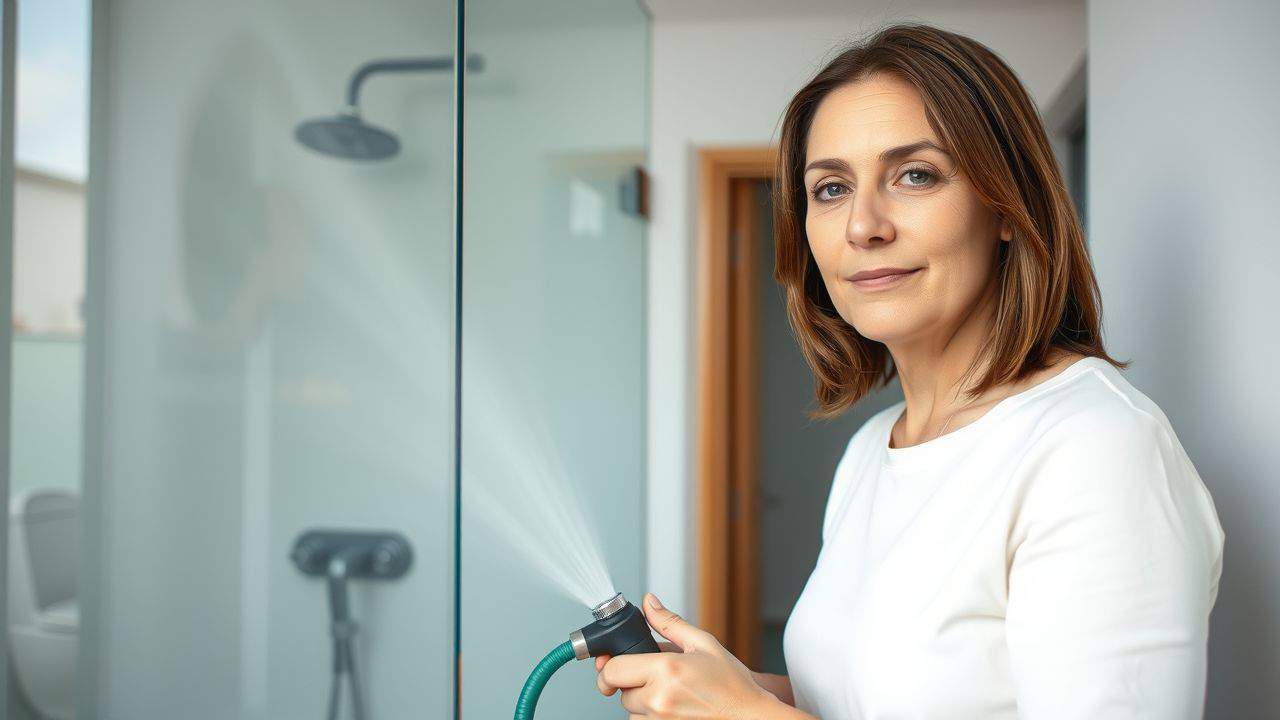
Cleaning a wet room is remarkably simple. With no shower tray or door tracks to scrub, you can say goodbye to those hard-to-reach corners where mold and mildew love to grow. The open layout means you can easily clean the entire space.
To make it even easier, consider using an epoxy grout instead of traditional cement-based grout. Products like Mapei Kerapoxy or Laticrete SpectraLOCK are non-porous, making them completely waterproof and highly resistant to stains and bacteria. This means less scrubbing and a cleaner bathroom for years to come.
A clean bathroom is a happy bathroom, and a wet room makes that happiness effortless.
A simple squeegee used on the walls and floor after each shower is a pro tip that can dramatically reduce water spots, especially in areas with hard water. This small step keeps the space looking pristine with minimal effort.
Contemporary Design
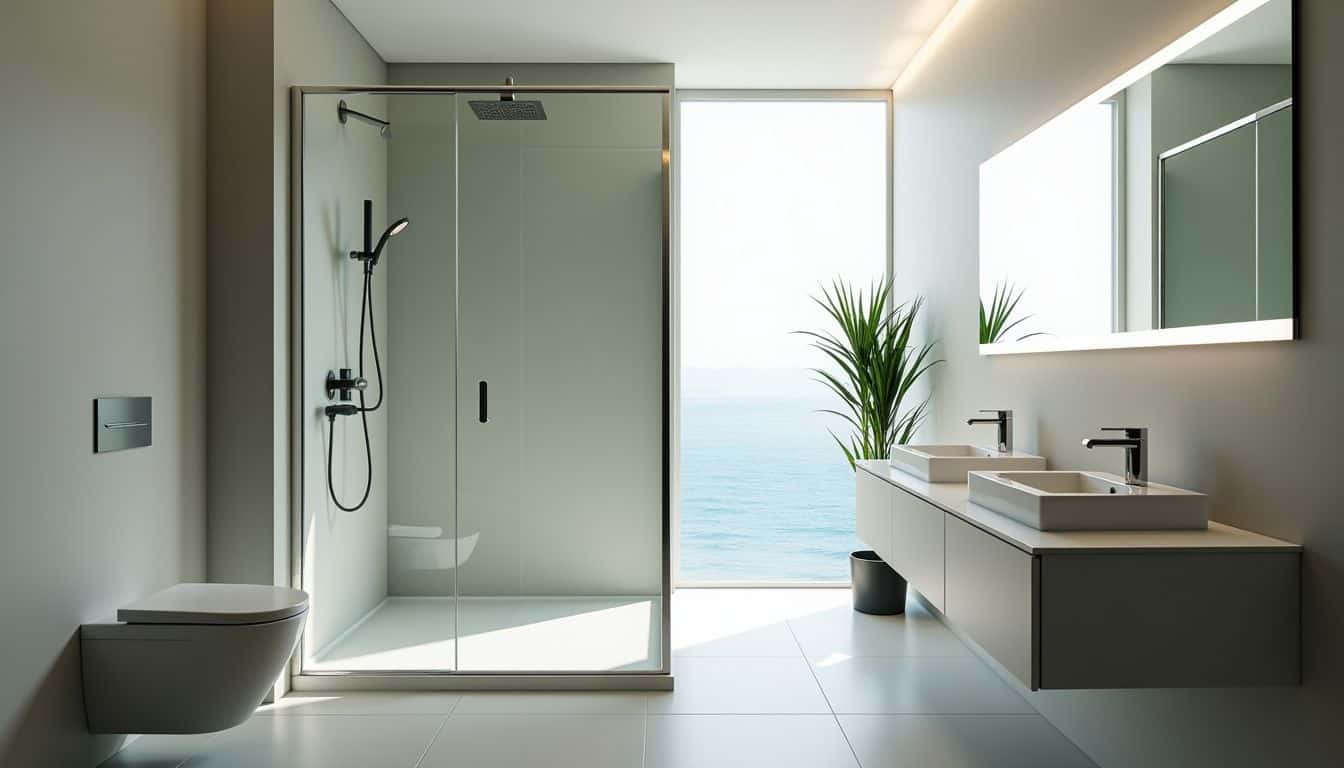
Wet rooms are the definition of modern style. Their clean lines and minimalist look create a sense of luxury and space. The lack of visual clutter from a shower enclosure makes any bathroom feel larger and brighter.
This design trend aligns with what homeowners want right now. The latest Houzz report shows that creating a “spa-like” atmosphere is a top priority in bathroom remodels. Features like wall-mounted toilets and vanities enhance this look by creating an unbroken floor plane, which also makes cleaning easier.
You can elevate the design further with luxury additions. Consider installing heated floors with a system like Schluter-DITRA-HEAT for ultimate comfort. Built-in wall niches for shampoo and soap also add to the sleek, uncluttered aesthetic.
Potential Disadvantages

While wet rooms are stylish and functional, they aren’t without potential drawbacks. They typically cost more than a standard bathroom remodel and require expert installation. If not done perfectly, water can become a major headache, and the open layout can create privacy issues for some.
Risks of Water Leakage
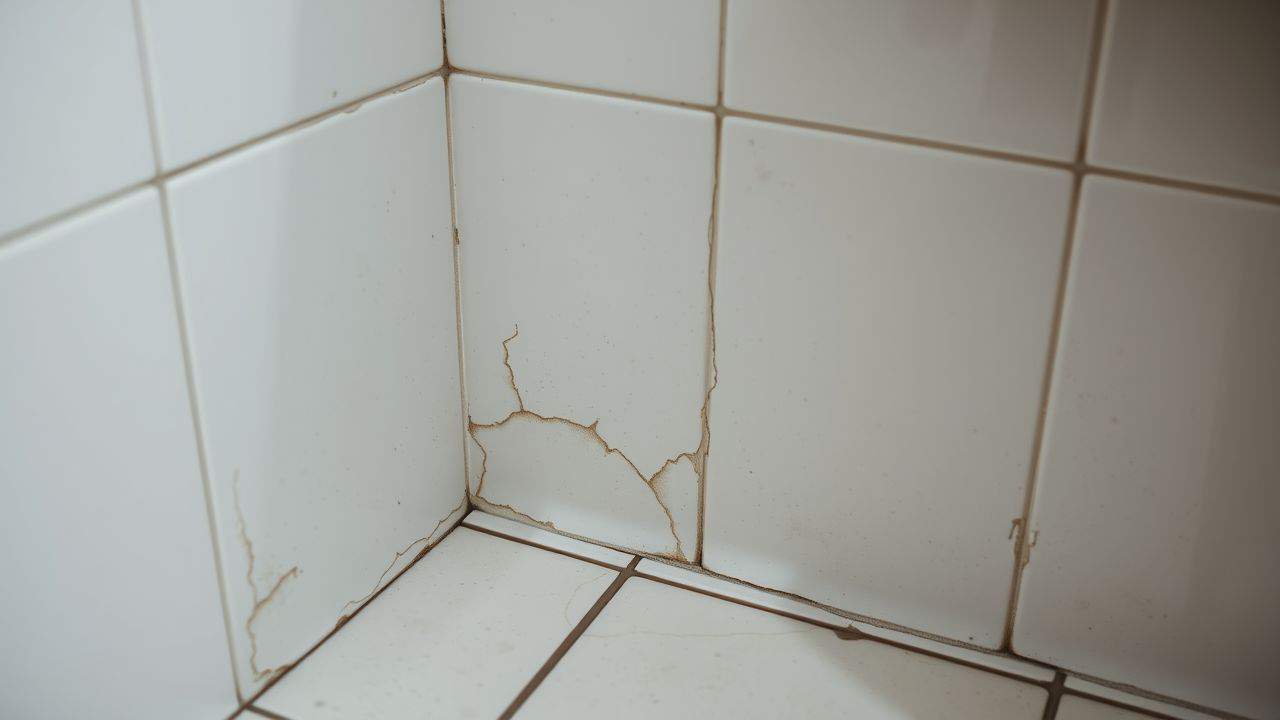
The biggest fear with a wet room is a leak. Because the entire space is designed to handle water, a failure in the waterproofing system can be catastrophic. The primary cause of leaks is improper installation of the ‘tanking’ membrane.
A water leak from an upstairs bathroom can cause extensive damage, with average repair costs in 2026 ranging from $1,361 to $6,270, and sometimes much more for structural issues. This is why hiring an experienced professional is non-negotiable. An installer certified by an organization like the Ceramic Tile Education Foundation (CTEF) has proven expertise in these complex installations.
Another common issue, often discussed on home improvement forums, is installing a wet room on a second floor with a wooden subfloor. Wood can flex, potentially causing grout to crack and seals to fail over time. A professional will know how to properly reinforce the floor to prevent this movement and ensure a long-lasting, leak-proof installation.
Privacy Concerns
An open-concept wet room isn’t for everyone. The lack of barriers means less privacy, which can be uncomfortable in a shared or family bathroom. While the design is beautiful, it’s important to consider how it will function in your daily life.
Fortunately, there are ways to add privacy without sacrificing the open feel.
- Frosted or Textured Glass Panels: These provide a visual barrier that obscures views while still allowing light to pass through.
- Pony Walls: A strategically placed half-wall can shield the shower or toilet area from the doorway without fully enclosing the space.
- Smart Glass: For a high-tech solution, switchable privacy glass can change from clear to opaque with the flip of a switch, offering privacy on demand.
Ultimately, the level of privacy is a personal choice. Thinking about these solutions during the design phase can help you create a space that feels both open and comfortable.
Recommendations for Wet Room Installation

Thinking about installing a wet room? Proper execution is everything. Getting the waterproofing right is the most important step, followed closely by drain placement. These two elements will determine the success and longevity of your new bathroom.
Techniques for Reliable Waterproofing
Reliable waterproofing is the foundation of a durable wet room. Here are the essential techniques professionals use to keep your bathroom dry and secure.
- Choose a Complete System: Don’t mix and match products. Use a full waterproofing system from a single brand like Schluter-KERDI or Laticrete and follow the manufacturer’s instructions precisely.
- Prepare the Substrate: The surface must be stable, clean, and ready. For wood subfloors, this often means installing a layer of cement backer board to create a rigid, waterproof-ready base.
- Seal Every Seam and Corner: Use the system’s pre-formed corners and sealing tape to meticulously cover every joint. This is where most leaks happen, so attention to detail is critical.
- Install the Floor Gradient: Before waterproofing, a sloped mortar bed must be created to ensure water flows correctly to the drain.
- Seal Around Fixtures: Pay extra attention to the spots where pipes and the drain penetrate the membrane. Use the manufacturer’s specified seals for a watertight fit.
Perform a Flood Test: Once the membrane is installed and cured, plug the drain and fill the floor with two inches of water. Let it sit for 24 hours. If the water level doesn’t drop, your waterproofing is a success. This is a non-negotiable step.
Considerations for Drain Placement
Where you put the drain affects both the look and function of your wet room. Here are the key points to consider for a perfect setup.
- Match Drain to Tile Choice: If you love large-format tiles, a linear drain is your best bet. It only requires a simple, single-direction slope. For smaller mosaic tiles, a central point drain works perfectly.
- Position Away From the Door: To be safe, place the drain as far from the bathroom entrance as possible. This minimizes the chance of any water escaping the room.
- Ensure Correct Slope: The floor must slope towards the drain at a minimum of 1/4 inch per foot. This is the industry standard for effective water flow.
- Check the Flow Rate: The drain’s capacity, measured in gallons per minute (GPM), must be higher than your showerhead’s output. A standard showerhead is around 2.5 GPM, but a high-flow rain shower could be more.
- Plan for Accessibility: When planning your bathroom remodel, think about future maintenance. Choose a drain with a cover that is easy to remove for cleaning the trap underneath.
- Consider Multiple Drains: For very large wet rooms, two drains may be more effective at managing water than one, ensuring the floor stays as dry as possible.
People Also Ask
What’s the big deal about wet rooms?
Wet rooms are a growing trend because they combine luxury, accessibility, and modern design. The 2025 Houzz Bathroom Trends study found that 1 in 6 bathroom renovations now include a wet room. They offer a spa-like, open-plan showering experience that eliminates the traditional shower curb, making them safer and easier to access for everyone.
How does a wet room differ from a regular bathroom?
The main difference is waterproofing and drainage. In a regular bathroom, only the shower or tub area is waterproofed. In a wet room, the entire room, including the floor and walls, is sealed with a waterproof membrane. The floor is also sloped towards a drain, so there’s no need for a separate shower tray or enclosure.
Can I still have a bathtub in my wet room?
Absolutely! A popular and luxurious design choice is to place a freestanding bathtub within the wet room area. This creates a stunning focal point and combines the quick convenience of a walk-in shower with the relaxing option of a long soak.
What kind of flooring works best in a wet room?
Porcelain tile is the most popular and practical choice. It has a water absorption rate of less than 0.5%, making it highly water-resistant. It’s also crucial to choose a tile with a good slip-resistance rating to ensure safety. For a seamless look with large tiles, a linear drain is the best option.
Are wet rooms hard to keep clean?
No, they are actually much easier to clean. With no shower door tracks or tight corners around a shower tray, there are fewer places for mold and soap scum to build up. Using a non-porous epoxy grout can make cleaning even simpler, as it resists staining and mildew growth.
References
https://sweeten.com/blog/home-renovation-process/wet-room-bathroom-guide/
https://www.build.com/what-is-a-wet-room/a26391
https://www.mirashowers.co.uk/blog/mira-recommends/wetroom-guide-6-reasons-why-you-should-have-a-wet-room (2024-10-10)
https://bathroomeleven.co.uk/what-are-the-pros-and-cons-of-a-wetroom/
https://www.ccl-wetrooms.co.uk/blog/benefits-of-a-wetroom/ (2023-02-25)
https://www.homecarecontractors.com/wet-room-bathrooms-pros-and-cons-you-need-to-know/
https://www.floortrendsmag.com/articles/111266-wet-room-installation-tips-and-best-practices (2023-09-27)
https://www.thisoldhouse.com/bathrooms/89229/how-to-design-a-bathroom-wet-room