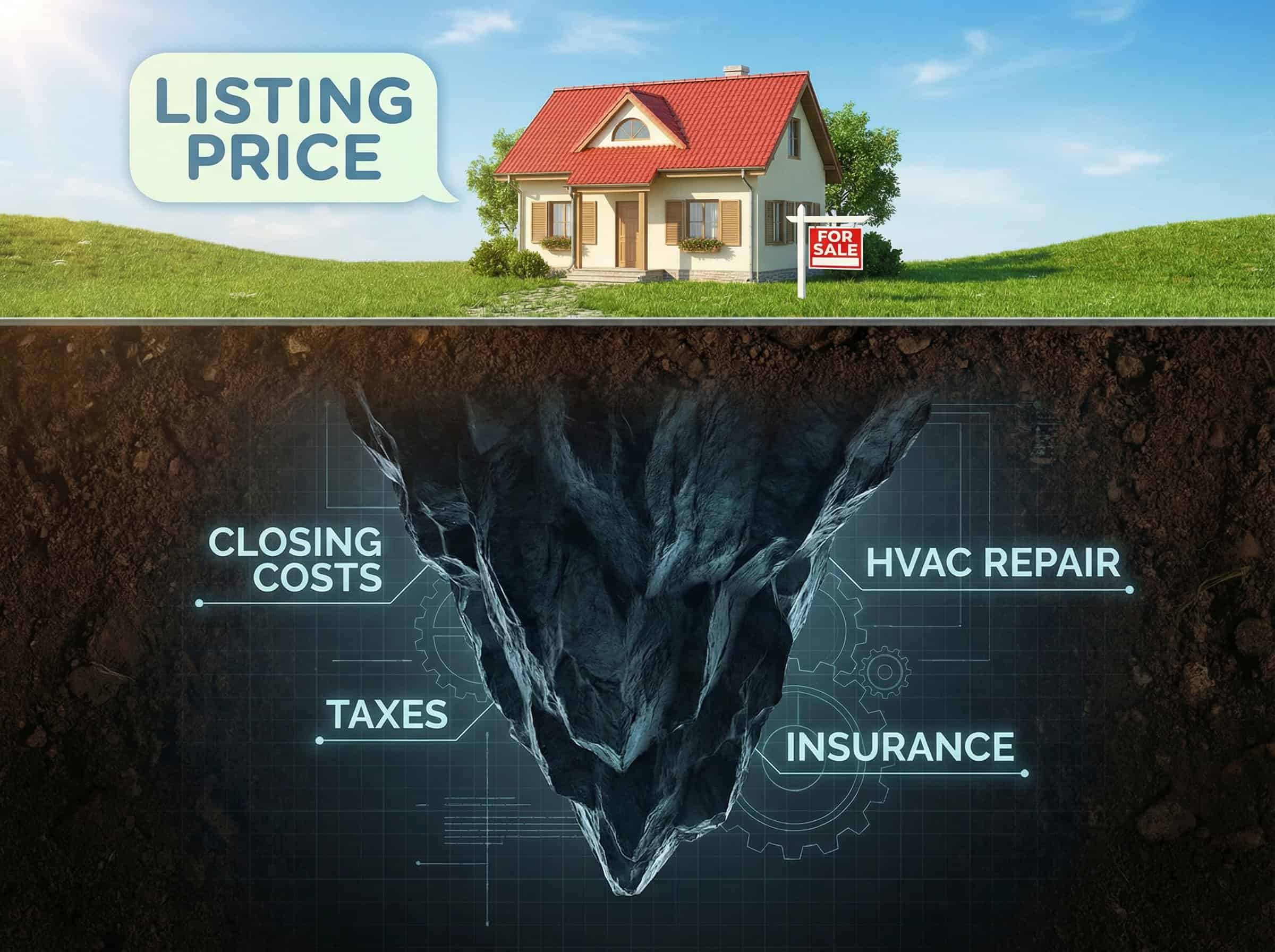
Buying your first home feels like crossing a finish line. You save, you scroll through endless listings, and when you finally get that preapproval letter, it feels like the hard part is over. But here’s the twist most first-time buyers don’t see coming: the price on the listing is only the beginning of what it costs to own a home.
The reality is, the total cost of homeownership often comes as a shock. A 2025 study from Bankrate found that the average annual cost of owning and maintaining a single-family home has ballooned to over $21,000, not including your mortgage. Many new homeowners, about 42% according to the survey, cite these unexpected costs as their biggest regret.
Let’s break down the home costs that buyers misunderstand the most, so you can walk into your first home with confidence.
Key Takeaways
Look Beyond the Mortgage Payment: A mortgage quote is just the baseline; savvy buyers calculate “PITI” (Principal, Interest, Taxes, and Insurance) to understand their true monthly housing expense.
Budget for Thousands in Upfront Cash: Closing costs typically range from 2% to 5% of the purchase price—an expense entirely separate from your down payment.
Emergency Repairs Are Inevitable: Unlike renting, you are the landlord now. Experts recommend budgeting 1% to 4% of the home’s value annually for maintenance and repairs.
Utility Bills Will Likely Increase: Moving into a larger home often means higher heating and cooling bills, plus new costs previously covered by landlords like trash, sewer, and landscaping.
Don’t Let Emotion Overrule the Inspection: Buyers often overlook costly red flags like foundation issues or aging roofs because they love the “idea” of the home; reading the full inspection report is crucial to avoiding a money pit.
Table of Contents
“If I Can Afford the Mortgage, I’m Good.” Not Exactly.

The most common mistake first-time buyers make is focusing only on the mortgage payment. It seems logical. Your lender gives you a number, you check your budget, and it looks manageable.
However, the mortgage is just one piece of the puzzle. A smarter approach is to think in terms of “PITI,” which stands for Principal, Interest, Taxes, and Insurance. This figure gives you a much more accurate picture of your baseline monthly housing expense before all the other costs pile on top.
Even better, many financial advisors recommend the 28/36 rule. This guideline suggests your total housing costs (your PITI) should not exceed 28% of your gross monthly income, and your total debt, including car loans and credit cards, should be no more than 36%. Sticking to this helps ensure you have enough breathing room for everything else.
The Hidden Home Costs Buyers Rarely See Coming
Here are the sneaky expenses that often surprise new homeowners, turning a dream purchase into a source of stress.
Closing Costs That Add Up Fast
You know closing costs exist, but it’s easy to underestimate their impact. These fees cover essential services like the appraisal, title search, and loan origination. They don’t go toward your down payment; they’re a separate, significant cash expense.
On average, buyers can expect to pay between 2% and 5% of the home’s purchase price in closing costs. For a $300,000 house, that means you’ll need to bring an extra $6,000 to $15,000 to the table. Lenders are required to give you a “Loan Estimate” document after you apply, which provides a detailed breakdown of these fees.
Taxes and Insurance That Shift Year to Year
Your property taxes and homeowners’ insurance are not set in stone. As property values in your neighborhood rise, so will your tax bill. Likewise, insurance premiums can increase due to inflation or regional risk factors like weather events.
Another insurance cost to plan for is Private Mortgage Insurance (PMI). If your down payment is less than 20%, your lender will likely require you to pay for PMI, which protects them if you default on the loan. According to the Urban Institute, PMI typically costs between 0.46% and 1.5% of the original loan amount annually. On a $300,000 mortgage, this adds an extra $115 to $375 to your monthly payment.
Maintenance and Repairs That Are Never as Optional as They Seem
When you’re a renter, a broken water heater is the landlord’s problem. When you’re an owner, it’s your expensive emergency. Things will break, and usually at the most inconvenient times.
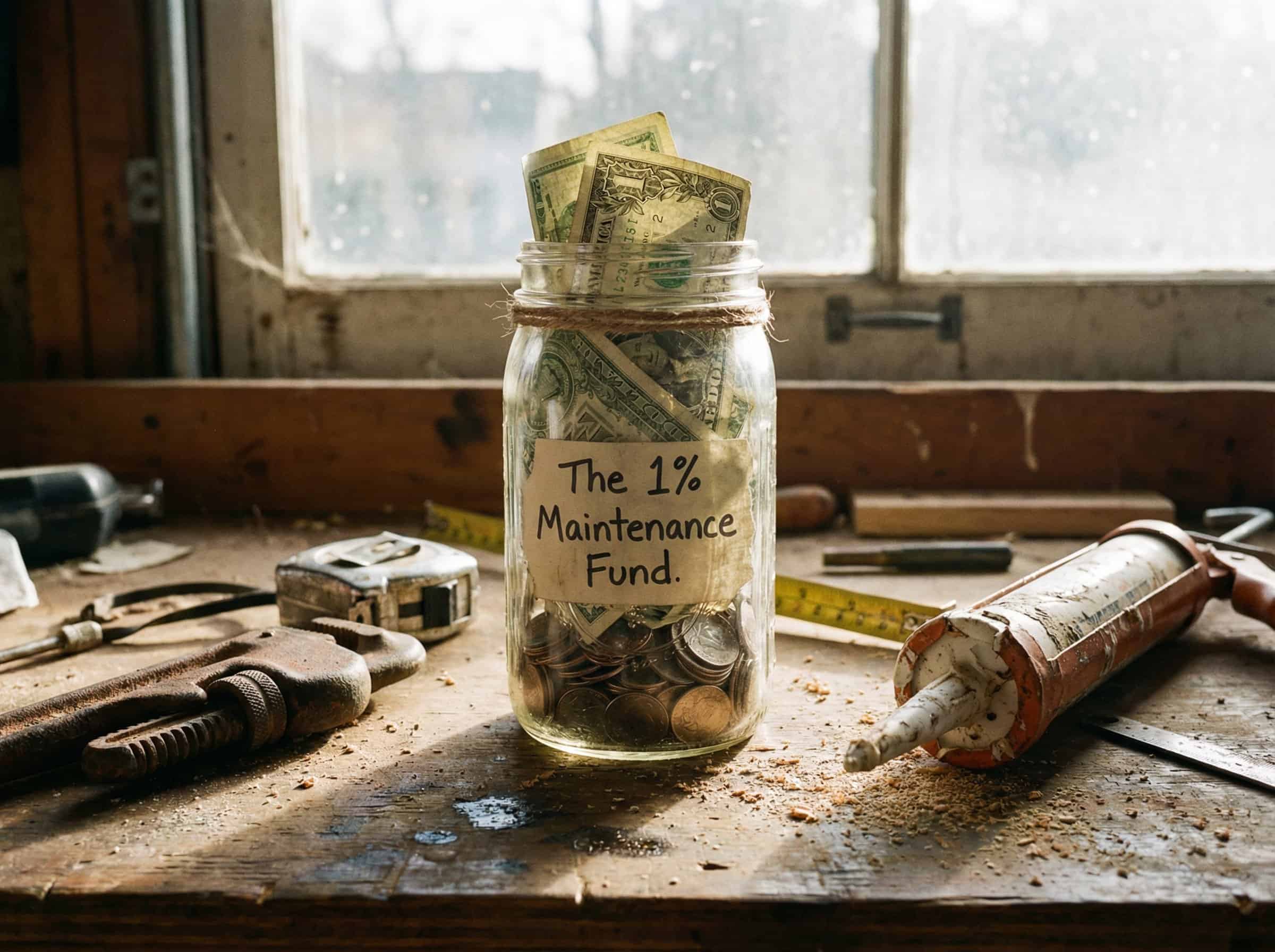
Financial experts recommend budgeting 1% to 4% of your home’s value each year for maintenance and repairs. A 2025 survey from Clever Real Estate found the average homeowner spends about $6,087 annually just on basic repairs and maintenance.
This isn’t for fun renovations, it’s for the essentials: servicing the HVAC, fixing a leaky pipe, or replacing a worn-out appliance. Creating a dedicated savings account for home maintenance can prevent these predictable surprises from becoming financial crises.
Utilities and Services That Don’t Look Like Their Apartment Counterparts
Moving from a 700-square-foot apartment to a 2,000-square-foot house means your utility bills will jump significantly. You’re heating and cooling a much larger space, often with less efficient insulation than a modern apartment building.
Beyond gas and electric, you might now be responsible for services that were once included in your rent.
- Trash and Sewer: Many cities bill for these services directly, which can add $50-$100 or more to your monthly budget.
- Landscaping: You’ll need to buy a lawnmower, trimmer, and other tools, or pay for a service.
- HOA Fees: If you buy in a community with a homeowners association, you’ll have monthly or annual dues. The national average HOA fee is around $291 per month, but can be much higher depending on the amenities.
Falling in Love With the “Perfect” House Can Be Expensive

It’s easy to get swept up in the emotion of home buying. You walk into a house and immediately start picturing your future there. While that feeling is part of the fun, it can also blind you to serious and costly problems.
Emotional buyers are more likely to overlook major red flags that a home inspector might find. These can include expensive issues that aren’t obvious at first glance.
Some of the most common and costly red flags include:
- Foundation Issues: Large cracks or sloping floors can signal structural problems that are extremely expensive to fix.
- An Aging Roof: A roof replacement is one of the most expensive projects a homeowner will face. Look for missing shingles or signs of water damage inside.
- Outdated Electrical Systems: Old wiring, like knob-and-tube, can be a fire hazard and may make it difficult to get homeowners insurance.
- Signs of Water Damage or Mold: A musty smell or water stains on the ceiling often point to hidden leaks or mold, which can be a health hazard and costly to remediate.
Before you make an offer, try to separate your feelings from the facts. Ask yourself: am I loving the home itself, or just the idea of living in it?
What Real Estate Pros Wish You Understood About Home Costs From the Start

Experienced professionals see the same mistakes happen over and over. They want you to look beyond the shiny new kitchen and focus on the long-term financial health of your investment.
Budget for the Real Monthly Cost, Not Just the Mortgage
The smartest buyers build a budget that includes PITI, a monthly set-aside for maintenance (that 1% rule is a good start), average utility costs, and any HOA fees. When you budget for the total cost of living in the home, you make a decision based on reality, not just the lender’s preapproval amount.
Don’t Just Get the Inspection. Read It. Carefully.
A home inspection report is your roadmap to future expenses. Too many buyers just skim the summary. Pros urge you to read every single line. Pay close attention to the age and condition of major systems like the HVAC, water heater, and roof. The report gives you the power to negotiate repairs with the seller or walk away from a potential money pit.
Think Ahead: Your Financial Health After the First Year
Once the initial excitement wears off, your house becomes a part of your larger financial picture. Over time, you build equity, which is a powerful asset. You may eventually learn how to turn home equity into cash for renovations or other financial goals. Understanding that your home is a long-term investment helps you make smarter choices from day one.
How to Prepare Smarter Before You Buy
Knowledge is your best defense against surprise costs. Instead of a basic mortgage calculator, use a more comprehensive home affordability calculator from a source like Zillow or Fannie Mae, which allows you to input estimates for taxes, insurance, and HOA fees.
Before you even make an offer, call a local insurance agent to get a real quote for homeowners insurance on a prospective property. Ask friends or family in the area what they actually spend on utilities for a similarly sized home. The more real numbers you can gather, the more accurate your budget will be.
A Mindset Shift Makes the Whole Experience Better
When you understand the true cost of owning a home, the entire process feels less scary. You can budget with confidence, knowing you are prepared for what’s to come, instead of reacting to every new bill with surprise.
Buying your first home is a huge achievement. By stepping into it with realistic expectations, you ensure the experience is as rewarding as it should be.