
Dropping off a college freshman can turn even the calmest mom into a bundle of nerves. I’ve been there, and I know that mix of pride and panic all too well. It is completely normal to worry about your child’s next big step. You want them to thrive, but letting go is one of the hardest things we do.
So, take a deep breath. This guide walks you through smart, battle-tested steps for managing those big emotions and offers simple tips to keep drop-off day smooth and upbeat. With real-life solutions that actually work, we’ll get you ready for this new chapter together. Grab a cup of coffee, and let’s get started.
Key Takeaways
Parents often feel more anxious during college drop-off than at graduation, but finding community and practicing self-care can help manage emotions.
Short goodbyes support your student’s independence; quick hugs and regular but not daily check-ins (just a few times per week) allow them to settle in faster.
Keeping organized by grouping items and using printed checklists helps reduce move-in stress; staying flexible if plans change is important for a smooth process.
Encouraging students to use campus resources like CAPS (Counseling and Psychological Services), join clubs, and solve problems on their own builds confidence and resilience.
In 2025, expect new drop-off technology like digital arrival-time apps (such as StarRez), QR code check-ins, virtual info sessions, and touch-free registration options.
Table of Contents
Preparing Emotionally as a Parent
I faced a tidal wave of mixed feelings before drop-off day—worry one minute and bursting pride the next. It’s a lot to process. Here are some ways I found to handle these waves while also planning for those quiet mornings with extra coffee.
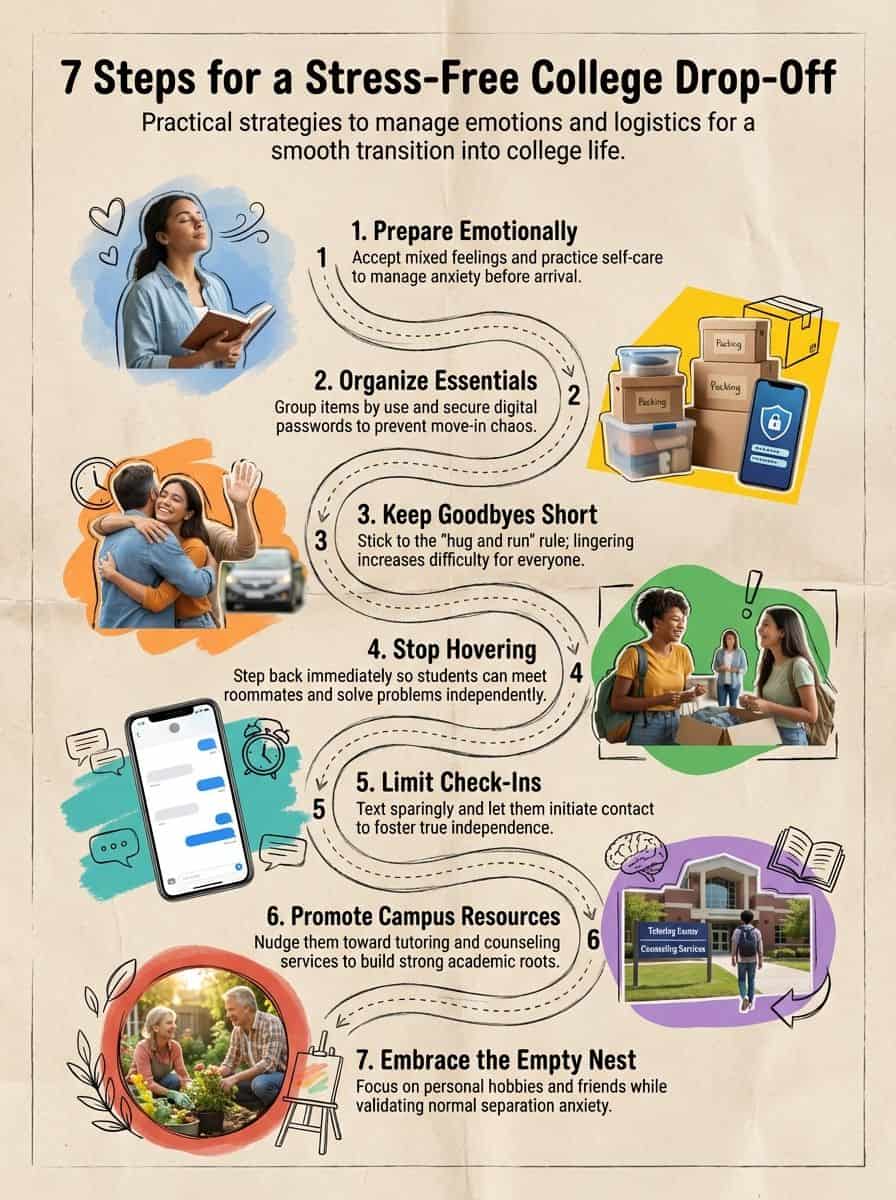
How can I acknowledge and accept my feelings about college drop-off?
College drop-off punched me in the gut with a mix of anxiety and sadness, even though I knew my kid picked a great school. Tears showed up at breakfast; nerves crept in every time I checked Instagram or scrolled through text messages.
Sharing these feelings with other moms opened the door to real support. I found great comfort in online communities like “Grown and Flown,” where thousands of parents are in the exact same boat. Studies show that talking about “empty nest” syndrome helps lighten the load for women like us. It reminds you that you aren’t the only one crying in the Target parking lot.
I found self-care key to surviving that first goodbye: deep breaths, strong coffee, and short walks. Packing day felt less scary once I focused on getting practical things done, like making sure my student had extra anti-virus protection loaded on her laptop before we hit campus WiFi. Helping her set up a password manager like NordPass or 1Password gave me peace of mind, knowing those strong passwords wouldn’t end up scribbled on receipts or stuck to sticky notes by her browser login screen.
A quick hug and fast goodbye worked best for both of us. Lingering only made it harder. If you need an easy way to haul dorm stuff without destroying your own car, rent a van instead. “Big changes start with small steps.” Up next is planning how life looks different now that home feels quieter.

How do I plan for adjusting to an empty nest?
After sorting through my emotions, I set out to create a new rhythm at home. The quiet felt odd at first, but staying active helped me cope with the change. I joined groups online where other parents shared their stories and tips for this stage of parenting. Reading messages from women who went through it reminded me that feeling anxious or sad was normal.
To fill the extra time, I started organizing family photos and learned more about digital safety—protecting logins, avoiding phishing attacks in emails, and updating anti-malware software on all our devices. It sounds boring, but honestly, it made me feel like I was still looking out for the family.
Keeping busy with these tasks gave me purpose while boosting household security against identity thieves lurking on the web. Connecting regularly with friends both online and in-person lifted my mood as well; swapping small stories over coffee sometimes beat scrolling social media feeds any day. By focusing on both practical projects and connecting with others, I found peace inside an emptier house.
Practical Tips for Drop-Off Day
Drop-off day can feel like a scramble, with keys, ID cards, and boxes everywhere. I find it helps to keep my phone handy for directions, checklists in my web browser, and mobile banking app open—just in case that credit card gets lost during the move-in chaos.
How can I stay calm and supportive on drop-off day?
I keep my cool by taking steady breaths and focusing on the facts—I am here to help, not add more stress. Packing snacks and cold drinks in advance saves everyone from hunger-fueled meltdowns. A pro-tip I learned the hard way: bring a door stopper. Most dorm doors automatically close, and propping yours open is the single best way for your student to meet floor-mates while unpacking.
I let my student lead while setting up their space, only jumping in when needed, so they feel this dorm room is really theirs. My small talk stays positive; I ask how they feel about making new friends or using campus resources like online banking or firewalls for internet safety.
After our goodbye hug, there’s no lingering at the door; quick farewells give my college-bound kid a sense of independence and ease the shift for both of us. Now that we’ve made it through drop-off day, staying organized but flexible matters just as much during move-in chaos.
What are the best ways to keep goodbyes short and sweet?
I stick to the “hug and run” rule on college drop-off day, no matter how sappy I feel inside. Dragging things out just makes it harder for everyone. My tip: after unpacking boxes, give a big hug, say you love them, then hit the road within 15 minutes.
Students need space right away to meet their new roommates or dive into activities. Hanging around only delays their fresh start.

Leave quickly so your student can wave goodbye with excitement instead of tears.
Keeping my own emotions under wraps is key; those tears are saved for behind closed car doors. After all, focusing on classes and friends helps our kids settle in faster than getting swept up in long farewells. For me, scheduling regular check-ins later gives both sides something to look forward to without overcrowding their calendar with constant calls or endless e-mails that could distract from independence building—even if my inner mama bear wants otherwise!
How should I stay organized but flexible during drop-off?
Quick goodbyes help, but I know keeping my sanity during drop-off takes some real planning. I bring a printed checklist of must-haves and double check both the essentials and those little comforts from home.
One tip that saved me last year: ditch the cardboard boxes and use Veno bags. These are the zippered, heavy-duty moving bags that replaced the old blue IKEA Frakta bags. They hold a ton, stack easily in the car, and fold flat for storage under the dorm bed. Group items by use while packing, like snacks with drinks or toiletries together for easy access in each bag.
Another “insider” tool you shouldn’t leave home without is a rubber mallet. Many dorm beds are adjustable, but they are often stuck tight. A few taps with a mallet can help you raise the bed to fit storage underneath without damaging the frame. Also, bring a pool noodle with a slit cut down the side—it covers the sharp metal edge of the bed frame perfectly!
I make sure our box with chargers, strong passphrases written down, college independence guides, and credit card info sits on top during unload—no password hunting under piles of pillows! Sometimes plans change in the blink of an eye; maybe a room isn’t ready right away or rain turns everything into chaos. Instead of panicking, I keep extra water bottles handy and break out some cookies so no one gets cranky waiting around. If we need to adjust our order—maybe hang clothes before setting up user profiles on laptops—I just roll with it.
Giving Your Student Space
Sometimes, the best thing I can do is step back and let my student figure things out. After all, even the strongest passwords need space from prying eyes—kids need it too.
Why is it important to avoid hovering after drop-off?
Excessive hovering makes it hard for my kid to build new friendships or tap into campus resources, like tutoring centers and student support. I find that stepping back gives them room to log in to their own networks, not just rely on a call home every time trouble hits.
If I flood them with calls or texts all day, it can block their chance to solve problems or even spot fake websites trying social engineering tricks on first-year students. Scammers often target overwhelmed students with urgent-sounding messages, and if I’m managing everything for her, she won’t learn to spot these social engineer traps herself.
Letting my daughter send the first text helps her grow more self-reliant and stops me from being her personal spyware—always watching from afar. A quick goodbye at drop-off lets both of us start this next chapter strong; drawing things out only turns up the emotional volume for everyone. My goal is simple: raise someone who’s ready to face viruses, fraudsters, and late-night study sessions without needing me logged in beside her every step of the way.

How often should I call or text my student in the first few weeks?
I check in with my student just a few times each week during those first six weeks. Most days, I let her decide when to reach out, even if that means quiet spells between texts. A quick meme or comment on social media helps me keep the vibe light and cheerful, while giving her space to settle into campus life without feeling watched by satellite surveillance from home.
We make plans for regular chats at set times so neither of us feels caught off guard. If she needs tech help with browsers or worries about online fraud like spam or fraudulent sites using http:// instead of encrypted connections, she knows where to find me. Speaking of tech, many parents struggle with apps like Life360. While it’s tempting to track their every move, I found it better to agree on using it only for emergencies, rather than asking “Why are you at the library so late?”
I try not to bombard her phone and avoid acting like a database collecting every detail; it’s more about keeping our connection strong without making her feel under a microscope. Regular but relaxed check-ins give both of us something sweet to look forward to before visiting again on Parents Weekend.
Helping Your Student Build Independence
I cheer my child on to log into campus web sites, find student activities, and use new tools. I talk about safe passwords and warn them not to share their username—or fall for direct mail tricks from someone wanting their info.
How can I encourage my student to use campus resources?
I talk to my daughter about campus resources every chance I get, even if she rolls her eyes. College can feel like a maze, but I suggest starting with the student help desk or library. If she’s feeling overwhelmed, I remind her that CAPS (Counseling and Psychological Services) is a standard resource on almost every campus, offering free, confidential support.
Most schools offer free counseling and tutoring—sometimes all it takes is a quick username and password setup to log into these services online. I tell her seeking support does not mean something is wrong; everyone needs help sometimes, especially in those first weeks when homesickness hits. For academic struggles, the Writing Center or Student Success Center are game changers that many freshmen ignore until it’s too late.
Some students never step inside their school’s writing center or join clubs because they think only struggling folks need support. In reality, joining activities helps make friends faster than waiting for luck. Anxiety over new routines is normal; using available tools early can keep things from piling up until it feels like malicious software infecting your mood. Getting comfortable asking questions now prevents bigger headaches later—kind of like setting a master password before someone tries identity theft on your bank account.
Taking the first step isn’t always easy, but reaching out leads to strong roots.
What’s the best way to support my student in making new connections?
After showing my student all the campus resources, I nudge her to join clubs and activities. She needs a safe way to branch out, so I share stories about how meeting different people shaped my own life. I tell her that even just chatting with classmates before lecture can spark real friendships. College is one big new neighborhood—a person doesn’t need permission to say hello.
I keep calls and texts light at first; she won’t find support networks if Mom’s on speed dial every day. If loneliness creeps in, I talk openly about it being normal and temporary—no shame there. Sometimes she needs tips for starting a conversation or reminders about counseling services if things feel tough. Like mailing a letter through the postal service, authentic connections take effort but get easier over time with practice and patience—even more so when she takes the first step herself.
How do I help my student develop problem-solving skills?
Jumping from helping my daughter make friends to boosting her problem-solving skills felt like the next big leap. I learned very fast, watching her handle move-in chaos and new roommates, that stepping back taught her more than any advice I could give. Letting students face their own challenges at college gives them a sense of autonomy and grit.

Rather than rushing in every time she hit a snag with online authentication or setting up transport layer security on her laptop, I nudged her to check campus resources first—tech support was just across the quad. I also made sure she had a solid student bank account, like Chase College Checking or a fee-free option like Chime, so she could manage her own budget without constant overdraft fears.
College brings hurdles that test emotional resilience too; some days she missed home or struggled finding help with credit card company issues. By validating those feelings instead of brushing them off, I saw her confidence grow as she tackled things head-on. Active involvement in clubs made it easier for her to talk through solutions with peers from all walks of life—a real-life lesson in adaptability. If you want even more tips about teaching your kid how money matters fit into these lessons, check out this article about being a financially responsible parent.
Coping with Separation Anxiety
Sometimes, my heart aches after drop-off, but focusing on chats with friends and learning about tools like campus support groups helps me cope. Even understanding the tech side, like knowing she’s using secure transport layer security (TLS) protocols when she connects to web sites, gives me one less thing to worry about.
How can I recognize if separation anxiety is normal?
Tears at drop-off, a lump in my throat on the drive home—those moments happened to me and to most of my friends. Feeling anxious and sad before or after college drop-off is common for both parents and teens. My daughter even shared that nearly everyone she met during freshman week felt homesick, too.
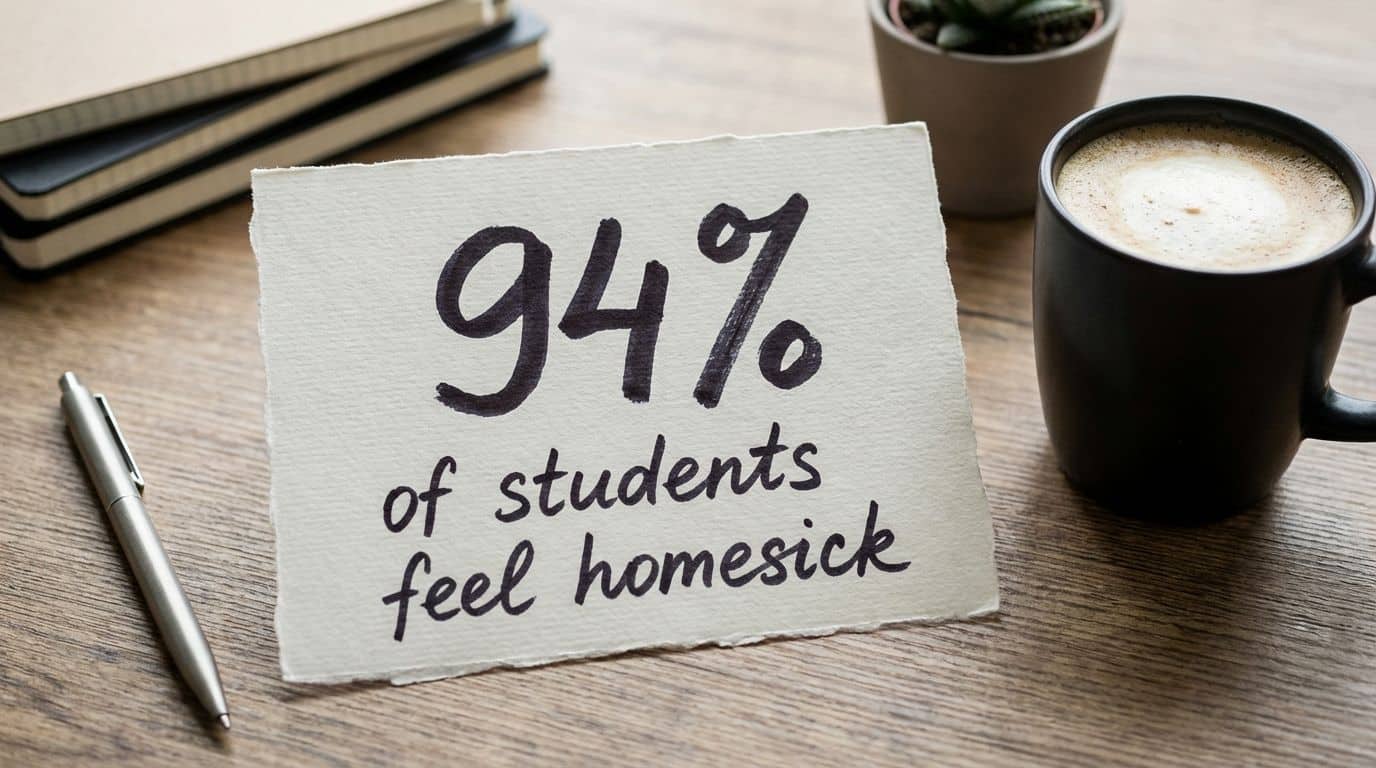
According to the Jed Foundation, 94% of college students experience homesickness in their first ten weeks. Mixed feelings—like pride mixed with sadness—hit hard, but these signals show normal separation anxiety. Calls or texts flooding in the first couple weeks? That can be a sign your student feels overwhelmed, which lines up with what counselors say about this adjustment period. Limiting how much I reached out helped her settle into campus life faster and brought both of us some peace of mind.
What positives should I focus on during this transition?
I feel pride watching my child grow into a young adult. Their new independence signals that I did something right, even though saying goodbye tugs at my heartstrings. Statistically, college towns prove safe for users their age; this helps me worry less and sleep better at night.
I chose to fill the quiet house with hobbies and outings with friends—healthy distractions do wonders for an empty nest. Frequent but brief check-ins on our phones help us keep communication open without hovering. Self-care becomes more than a buzzword now; it is how I recharge emotionally so I can support my student when they call home stressed or excited about clubs like Student Council or tutoring services on campus.
All the values we instilled start to shine in real-life choices, both big and small. Now seems like just the right time to let go a bit more and see what happens as they step out alone. Next up: figuring out how often these supportive chats should take place without crowding them—or myself with worry!
Establishing Healthy Communication
I try to text my daughter on Sundays, keep our talks open, and remind myself her life is a new book. If you’re wondering how to keep the conversation flowing without prying, keep reading.
How often should we schedule check-ins?
I set up regular check-ins at times that work for both of us. A quick call or text, maybe once a week at first, keeps the door open without making my college student feel watched. For me, short chats about funny roommate moments and campus news help ease my worries while showing I support their independence.
In those first six weeks away from home, I resist planning in-person visits. It feels hard sometimes, but giving them space helps students adjust faster. Social media can fill little gaps—a friendly comment on a photo says “I’m thinking of you” without crowding their new life. Too much calling or texting makes it tough for users to spread their wings; so I keep most conversations light and let them set the pace as they settle into school.
How can I listen to my student without judgment?
After agreeing on how often to check in, I try to set aside my own worries and give my student space during each talk. My focus is hearing their feelings instead of jumping right in with solutions or suggestions. Instead of just asking “How are you?”, which usually gets a “Fine,” I ask specific questions like “What was your peak and valley this week?” or “Who did you grab lunch with today?”
Sometimes, all they really need is a safe place to vent about tough classes, roommate headaches, or even homesickness. I remind myself that biting my tongue can be one of the best gifts—just letting them get it all out. If the urge hits to fix things immediately or share advice from my own college days at Ole Miss, I take a breath and listen more. It helps if I use simple phrases like “I hear you” or “That sounds tough.” The real trick? Keeping calls short so they don’t feel hovered over.
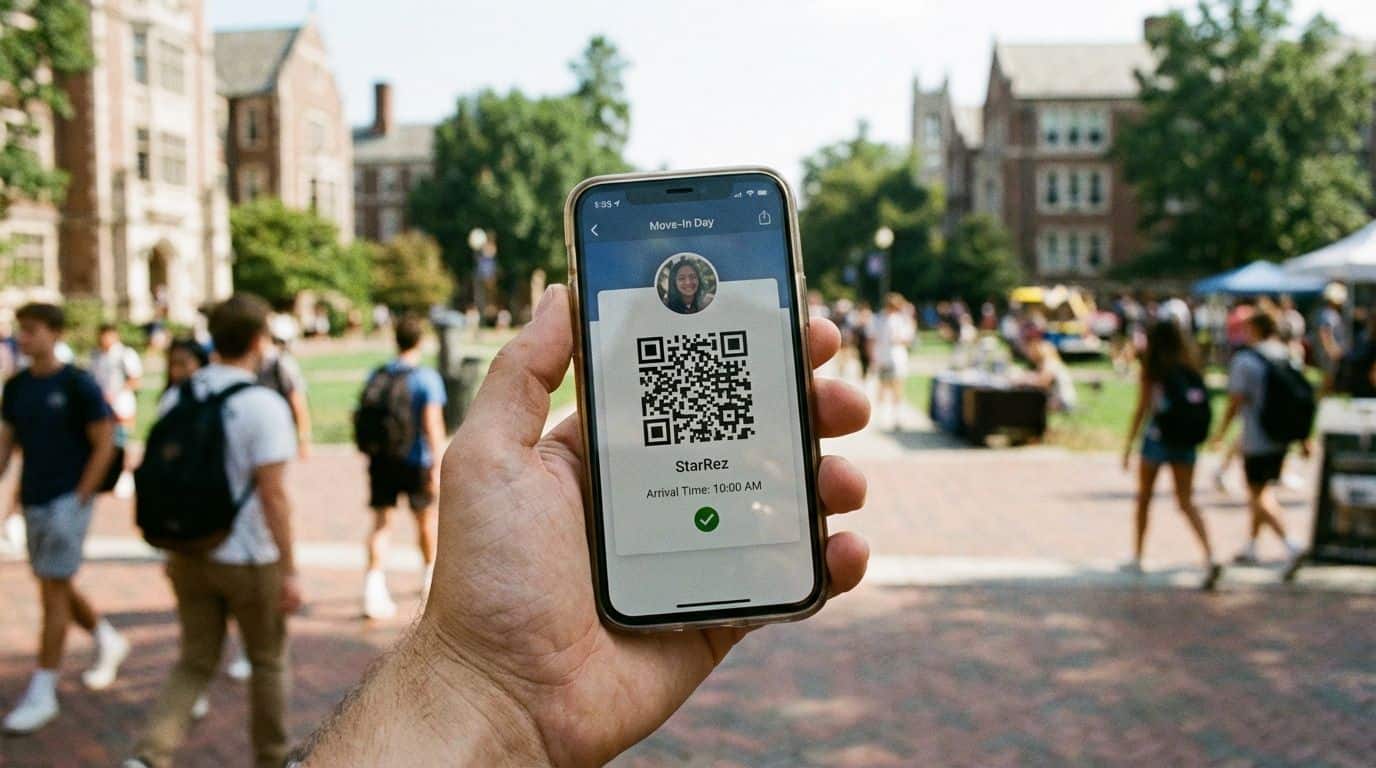
How Will College Drop-Off Change in 2025?
Drop-off might look a bit different in 2025. I could see colleges asking families to schedule arrival times using specialized software like StarRez or Symplicity, instead of waiting in long lines. Some campuses might use QR codes for quick check-in or map out where each car can unload with live tracking tools.
Many student affairs offices may offer virtual info sessions before we even set foot on campus. Packing and moving companies could get more popular too, making things easier if my child’s college is far away. I’ll probably snap photos and text updates to family who can’t join us; video calls will help everyone feel close, no matter the distance. Even small changes like touch-free registration or reminders sent right to my phone could take some pressure off the big day.
People Also Ask
What are the seven steps for a stress-free college drop-off checklist?
I recommend starting two weeks early with huge 20-gallon IKEA Frakta bags instead of boxes, and double-checking your list for easy-to-miss items like a surge protector. Be sure to label every single bag with your student’s name and room number, pack a cooler with protein snacks to keep blood sugar stable, and pre-load your route on Waze to avoid campus traffic. Finally, keep your housing paperwork handy in a dedicated folder and plan for a quick, confident goodbye to help them settle in.
How do I help my student adjust during college drop-off?
I found that letting my student take the lead on unpacking, even if they organize their desk differently than I would, was the best way to build their confidence. Keep your goodbye brief and upbeat to show them you trust them, rather than lingering and making the separation harder.
Why should I use a checklist for college drop-off?
A physical checklist reduces decision fatigue during the whirlwind of moving day and keeps you from forgetting hard-to-replace items like a Twin XL mattress topper.
What should parents expect emotionally during college drop-off?
Expect a wave of mixed emotions—pride, relief, and a little heartbreak—as you drive away, which is a totally normal reaction to this major life transition. I suggest planning a fun distraction for that first night back home, like a dinner out, so you don’t dwell on the quiet house.