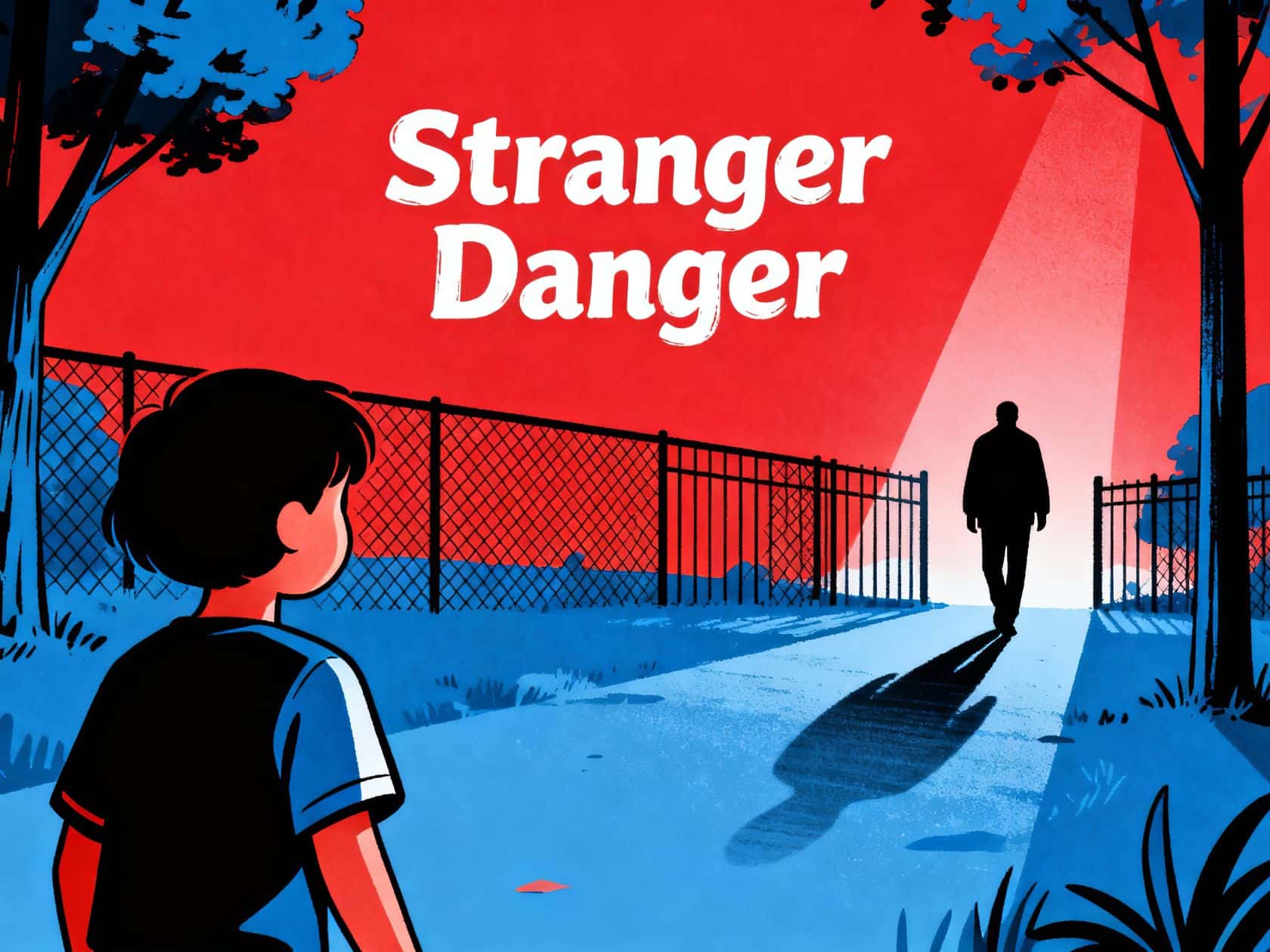
Ever feel that little knot in your stomach when your child is out of sight, even for a second, in a crowded place? You’re not just being overprotective, you’re being a mom.
The whole idea of “stranger danger” can feel so scary and overwhelming. But what if I told you the conversation has changed? It’s not just about strangers anymore.
We’re going to talk about how to give our kids real, practical skills. I’ll share some simple tips and clear steps, with advice from amazing groups like the National Center for Missing and Exploited Children, to help you feel more confident about your child’s safety.
Let’s walk through this together. Your peace of mind is worth it.
Key Takeaways
According to the National Center for Missing & Exploited Children (NCMEC), nonfamily abductions make up only 1% of the missing children cases they handle; the real risk often comes from people a child already knows.
Modern child safety shifts the focus from fearing strangers to spotting risky behaviors, like an adult asking a child to keep a secret or offering them a ride without a parent’s permission.
Teaching body safety starts with using correct anatomical words and establishing clear boundaries, which empowers kids to speak up if they ever feel uncomfortable.
A family safety plan is a must, including basics like having emergency contacts visible and practicing how to call 911, but also modern tools like a family code word.
Child safety education is evolving to focus more on building critical thinking and recognizing unsafe situations, both in person and online, rather than just repeating outdated warnings.
Table of Contents
What does “Stranger Danger” mean?
“Stranger Danger” is the classic warning we all grew up with, teaching kids that all strangers could be a potential threat.
This idea really took hold in the 1980s and 1990s, especially after high-profile child abduction cases like those of Sarah Payne and Amanda Dowler in the UK. The goal was simple: prevent child abuse by unknown people by telling kids not to talk to, walk with, or take anything from someone they didn’t know.
The problem is, this message can sometimes backfire. It can make a lost child afraid to ask a “safe stranger,” like a police officer or a cashier, for help.
That’s why safety experts, including the National Center for Missing and Exploited Children, have updated their advice. They found that most unsafe situations actually involve someone the child knows. The focus now is less on who is a stranger and more on what is unsafe behavior.
As a mom, my rule is simple: “Trust your gut.” I’m teaching my kids that if anyone, stranger or not, gives them a weird feeling, it’s always okay to run and tell me.
Understanding this shift helps us protect our kids from risks everywhere, from the playground to their online games.
Why is it important to teach kids about stranger awareness?
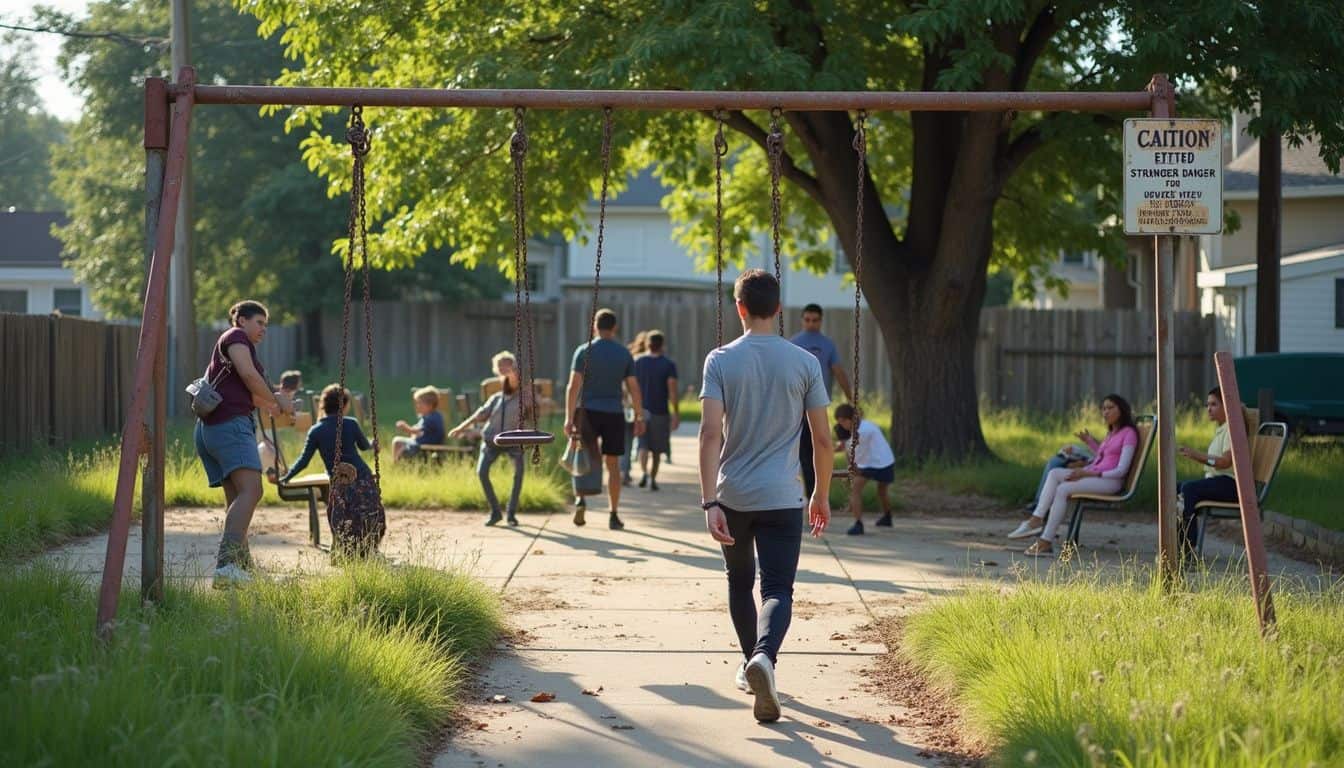
Life throws a lot at our kids, and real dangers don’t always wear a scary mask. I remember a close call with my cousin at a park, where someone tried to lure her away with candy. It’s a moment our family never forgot.
The statistics can be frightening and confusing. While the U.S. Department of Justice has previously cited large numbers of missing children reports, the NCMEC provides helpful context. In 2024, they assisted with 29,568 cases of missing children. The vast majority of these are runaways or family abductions.
Cases of “classic stranger abductions” by someone unknown to the child are the rarest type, making up only 1% of the cases reported to NCMEC. But for any mom, even one is too many.
This is why teaching awareness is so crucial. It’s about spotting risky behavior, not just fearing strangers. Abductors use simple tricks that sound innocent. NCMEC’s analysis of attempted abductions shows that “offering a ride” is one of the most common lures used. Others include asking for help finding a lost puppy or offering treats near a playground.
When kids have a strong attachment to safe adults, like their teachers and family, they feel more comfortable speaking up when something feels wrong. A psychotherapist will tell you that open conversations empower children and help prevent child abuse. It removes the shame around topics like body safety and consent, which need to be discussed clearly, not in whispers.
Next up, we’ll talk about practical tips you can use to teach your child how to stay aware without being afraid.
Essential tips for teaching kids about stranger danger
Teaching kids about stranger awareness is all about using real examples, simple rules, and practicing together. And yes, this includes staying safe online, too. Let’s get into the details that will keep your child confident and safe.
What does “stranger” really mean?
A stranger is simply anyone your child doesn’t know. But the old child abduction prevention tip to fear all strangers isn’t the best advice anymore. Why? Because most people are good, and a child might need to ask a stranger for help one day.
Instead of “stranger,” many experts now use the term “tricky people.” A tricky person can be a stranger or someone you know, and they try to get a child to break the rules or do something that feels wrong. Research consistently shows that a child is more likely to be harmed by someone they know than a complete stranger.
I tell my kids to focus on behavior, not just faces. We talk about “safe strangers” they can go to for help. These are people in uniform, like a police officer, or people who are clearly at work, like a store cashier with a name tag. Another great example is another mom who is with her own children.
A good rule of thumb I use is, “If someone makes you feel weird inside, listen to that feeling!” It’s about trusting your gut, and that’s a skill we can teach.
How can kids recognize suspicious behaviors?
Kids have great instincts, but they need our help to recognize the red flags. Teaching them to spot suspicious behaviors is one of the most important things we can do. Here are some key things to watch out for.
- Offering gifts or rides: An adult offering candy, toys, or a ride without your permission is a major warning sign. This is one of the most common lures.
- Asking for help: A safe adult will not ask a child for help finding a lost puppy or for directions. They will ask another adult.
- The emergency trick: Someone saying, “Your mom was in an accident, come with me,” is a common tactic. Our family has a secret code word for these situations.
- Wanting secrets: The only safe secrets are happy surprises, like a birthday party. A “don’t tell your parents” secret is never okay.
- Asking personal questions: A stranger doesn’t need to know where you live or what school you go to.
- Getting too close: If someone’s closeness makes your child feel uncomfortable, they have the right to move away. This is about body safety.
- Online dangers: In games like Roblox or Fortnite, if another player asks to chat privately or for personal information, that’s a red flag. They should block the user and tell you immediately.
- Ignoring boundaries: This can happen with people they know, too. If an acquaintance is pushing them to do something they don’t want to do during a playdate, they need to know it’s okay to say no.
- Tricky people can be anyone: Remind them that danger doesn’t have a specific look. Someone can seem nice and still be unsafe. You can learn more about recognizing peeping behaviors to sharpen this sense.
- Always tell: Encourage your child to tell a trusted adult if anything strange or uncomfortable happens. The sooner, the better.
What should kids know about body safety and consent?
Talking about body safety is one of the most powerful ways to protect your child. It’s not a one-time chat, but an ongoing conversation that should be open and comfortable.
Start by using the correct names for body parts, like “penis” and “vagina.” Using real words removes any shame or confusion and makes it easier for your child to tell you if something happens. An easy rule to teach is the “bathing suit rule”: any part of your body covered by a bathing suit is private.
It’s so important to teach them that their body is their own. No one should touch their private parts, and they shouldn’t touch anyone else’s. This includes family and friends. It’s always okay to say no to a hug or kiss, even from Grandma.
A great resource for this conversation is the “Uh-Oh Feeling,” a term used by the Monique Burr Foundation for Children. It helps kids name the internal alarm bell that goes off when something feels wrong.
Help your child identify five trusted adults they can talk to if they ever have a worry. This could be you, a grandparent, a teacher, or a family friend. Write the names down and put them on the fridge so it’s a concrete list they can rely on.
How can role-playing help kids practice safe responses?
Role-playing is like a fire drill for safety. It gives your kids a chance to practice what to do in a tricky situation so they won’t freeze up if it happens in real life.
It’s a form of active learning, which helps skills stick much better than just listening to a lecture. By acting out different scenarios, you move the knowledge from their head to their muscle memory. One study even found that this kind of training significantly improves how children respond in real situations.
Here are a few simple scenarios you can practice at home:
- The “Lost Puppy” Lure: You pretend to be a stranger and say, “I can’t find my puppy, can you help me look for him in my car?” Your child should practice shouting “No!” and running to a safe place.
- The “Secret” Lure: Pretend to be a friendly neighbor who says, “I have a really cool new toy to show you, but let’s keep it our little secret.” Your child should practice saying, “I don’t keep secrets from my parents,” and telling you right away.
- The “Emergency” Lure: You say, “Your mom sent me to pick you up, she’s in the hospital.” This is where a family code word is perfect. Your child should ask, “What’s the password?”
When we acted out a “lost in the grocery store” scene with my daughter, she learned to find an employee with a name tag instead of panicking. A little practice builds a lot of confidence.
Strategies to encourage safe interactions
It’s our job to give kids a toolbox of skills to handle tricky situations. By setting up clear rules and practicing them, we make it easier for our children to act confidently and stay safe.
How do you explain safe vs. unsafe people to children?
I explain it to my kids this way: safe people make you feel good and respected. They listen when you say no and they never ask you to keep secrets from me.
Unsafe people, or “tricky people,” might try to get you to break the rules. They might pressure you for a hug when you don’t want to give one or bribe you with treats to go against what you know is right.
A fantastic rule to teach is the “Check First” rule, which is a core part of the KidSmartz program from NCMEC. Before your child goes anywhere, changes plans, accepts a gift, or gets in a car with someone, they must always check first with you or another trusted adult.
A mom I know put it perfectly during a school meeting: “If someone makes you feel yucky inside, even if you know them, it’s time to go.” Trusting that “yucky” feeling is a superpower.
Another powerful tool is a family code word. This is a secret word that only your family knows. If you ever have to send someone else to pick up your child, that person must know the code word. It’s a simple trick that works wonders for peace of mind.
What is a family safety plan, and how do you create one?
A family safety plan is your roadmap for emergencies. Having one helps everyone stay calm and know exactly what to do. Creating one is easier than you think, and resources like Ready.gov have great templates to get you started.
- Start with a chat. Talk about what to do in different emergencies, like a fire or a severe storm.
- List emergency contacts. Post a list of important numbers, like 911, your doctor, and trusted neighbors, on the fridge.
- Plan your escape. Walk through your house and identify two ways out of every room. Decide on a safe meeting spot outside, like a specific tree or a neighbor’s mailbox.
- Build an emergency kit. Put together a small bag with water, snacks, a flashlight, a first-aid kit, and any necessary medications.
- Define “trusted adult.” Be specific. Name people like Mrs. Williams next door or a specific family member your child can go to for help.
- Practice 911. Make sure your child knows their full name, address, and how to call 911. You can practice on an old, disconnected phone.
- Teach modern safety. Add a modern twist by teaching older kids how to use the Emergency SOS feature on a smartphone and discuss the dangers of online scams. A 2025 report mentioned the rise of voice cloning scams, making a code word even more critical. Consider tools like a free password manager to help secure family accounts and prevent unauthorized access to personal information.
Why is the buddy system important for kids’ outings?
The buddy system is simple, but it’s incredibly effective. When kids stick together, whether at the park or on a school field trip, they are much safer. In fact, NCMEC’s own safety program, KidSmartz, highlights “Take a Friend” as one of its core rules.
Having a friend along means there’s an extra person to notice if something is wrong. If one child feels uncomfortable with a situation, the other can back them up or help them find an adult. It dramatically reduces the risk of a child wandering off or being targeted alone.
Many schools and camps require the buddy system because it’s proven to work. Friends naturally look out for each other and can get help quickly if someone is hurt or in danger.
Here’s a pro-tip I love: before an outing, have the buddies take a quick photo of each other on your phone. If they get separated, you have an exact picture of what they are wearing that day.
Moving beyond fear-based messages
Our goal isn’t to make our kids afraid of the world. It’s to make them feel confident and prepared. When we focus on skills instead of just scary stories, we empower them to be smart and safe.
How can we teach kids confidence and critical thinking?
Confidence starts small. Giving your child chances to make their own choices, like what to wear or which game to play, builds their decision-making skills.
I like to pause during bedtime stories and ask my daughter, “What do you think she should do now?” It shows me how she thinks through problems and gives her a chance to practice. You can also use shows your kids already love, like the “Stop, Think, and Choose” song from Daniel Tiger’s Neighborhood, to reinforce these ideas.
Role-playing is a huge confidence booster. When kids practice saying “NO” in a loud voice at home, they’re much more likely to be able to do it in a real situation. Remind them that it’s okay to trust their gut. If something feels off, it probably is, and they have your full permission to leave and tell you.
Why should kids have open communication with trusted adults?
All the safety skills in the world are most effective when paired with open communication. Kids need to know, without a doubt, that they can come to you with anything, and you won’t get mad.
My niece once told her mom immediately when a stranger tried to send her a message on TikTok. Because she knew she was in a safe space to share, the situation was handled before it could become dangerous.
When your child does come to you with something scary, your calm reaction is key. If you panic, they might be afraid to tell you things in the future. Listen, thank them for telling you, and reassure them that you will handle it together.
These conversations build a foundation of trust that will protect them as they grow into teenagers and young adults.
What additional resources are available for stranger safety?
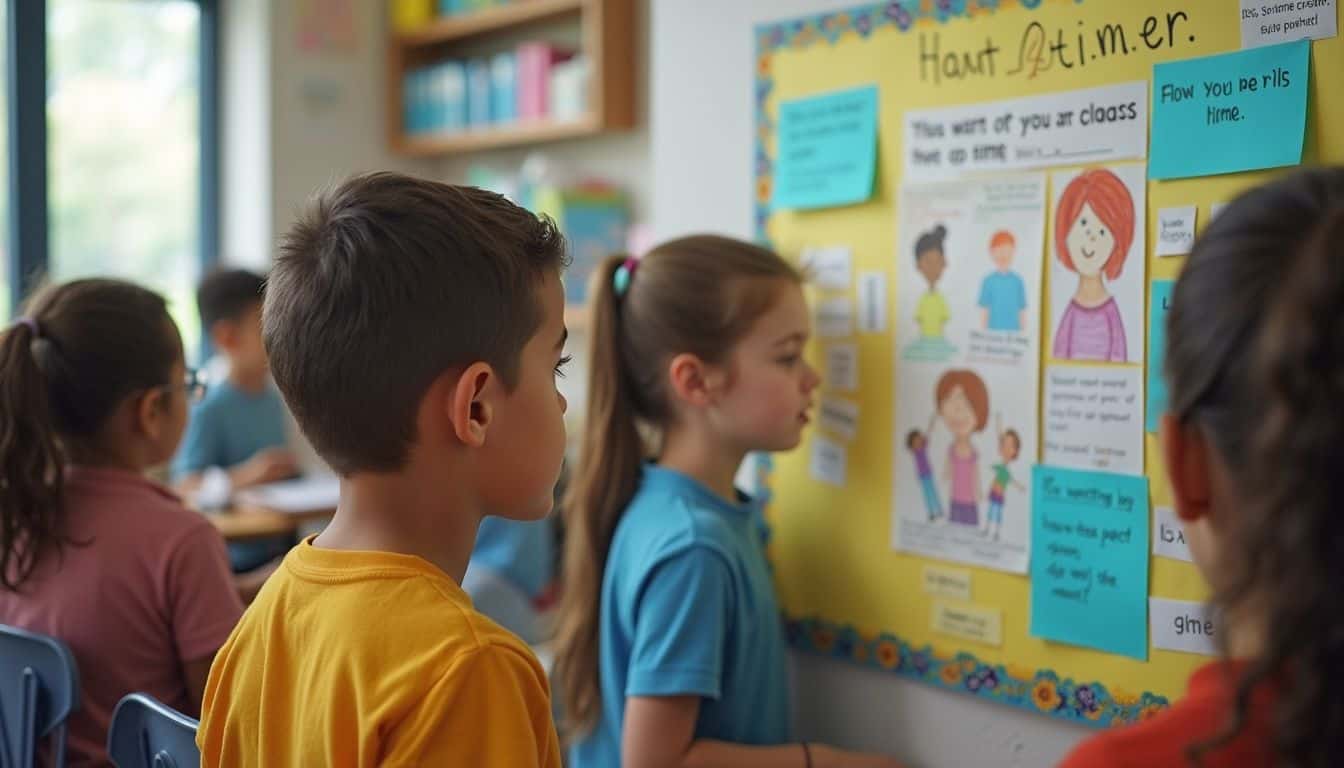
You don’t have to do this alone! There are some fantastic resources out there to help you continue these conversations at home.
The KidSmartz program, from the National Center for Missing & Exploited Children (NCMEC), is one of the best. It offers free animated videos, games, and printable activities that make learning about safety rules fun and engaging for kids in grades K-5.
For online safety, NCMEC also has a program called NetSmartz, which provides age-appropriate resources to help kids navigate the digital world safely. Another excellent resource is Common Sense Media, which offers reviews and advice on the apps, games, and shows your kids are using.
Another great organization is the Polly Klaas Foundation, which provides child safety kits and prevention tips. For body safety specifically, RAINN offers guides for parents on how to talk to their children about consent and boundaries.
How Will Stranger Danger Education Evolve in 2025?
The future of stranger danger education is all about empowerment, not fear.
We’re moving away from the simple “don’t talk to strangers” rule and toward teaching kids a more nuanced skill set. The focus in 2025 and beyond will be on helping children develop a “danger radar” to recognize risky behaviors, whether they happen in public spaces or online.
Organizations like KidPower are leading the charge, teaching “People Safety” skills that build confidence and critical thinking. We’ll see more interactive tools, like apps and games, that let kids practice their responses in realistic digital scenarios.
The biggest shift is happening right in our homes. The conversation is expanding to include digital literacy, consent, and mental well-being. According to a 2025 NCMEC report, online enticement and threats involving AI are rising dramatically, making these at-home talks more important than ever. By building these skills through practice and open communication, we’re raising a generation of kids who are not just safe, but also smart and resilient.
People Also Ask
What does u0022stranger dangeru0022 really mean for kids?
It’s less about being scared of everyone new and more about teaching kids to spot u0022tricky peopleu0022 or unsafe behaviors, even from someone they know. A key red flag is any adult asking a child for help, like to find a lost pet, because safe grown-ups ask other grown-ups for help.
How can I talk to my child about stranger safety without scaring them?
Keep it calm and use role-playing or resources like the Polly Klaas Foundation’s free safety kits to make the conversation feel empowering, not frightening. The goal is to focus on what to do in a tricky situation, helping them feel confident and prepared.
Are there easy rules kids should follow if a stranger approaches?
Yes, teach them the simple u0022No, Go, Yell, Tellu0022 rule: say no, run away, yell as loud as you can, and tell a trusted adult immediately.
Can technology help keep my child safe from strangers?
Absolutely, a kids’ smartwatch like a Gabb Watch or Bark Watch allows for GPS tracking and calls to pre-approved contacts, giving you peace of mind. You can also establish a family code word that anyone picking them up must know, which is a simple and effective safety tool.
References
https://www.hopkinsmedicine.org/health/wellness-and-prevention/stranger-danger-and-stranger-safety
https://pmc.ncbi.nlm.nih.gov/articles/PMC9582057/
https://thegentlecounsellor.com/talking-to-your-child-about-safety-strangers-tricky-people/
https://kidsfirstinc.org/how-to-talk-to-young-children-about-body-safety/
https://health.clevelandclinic.org/teach-stranger-danger-in-4-easy-steps (2024-01-31)
https://youthclinic.com/the-importance-of-a-family-safety-plan-and-how-to-make-one/
https://www.chicagoparent.com/parenting/advice/talking-kids-tricky-people/
https://pmc.ncbi.nlm.nih.gov/articles/PMC9291123/
https://www.missingkids.org/education/kidsmartz
https://www.huffpost.com/entry/teaching-kids-safety-awareness_l_68a61241e4b0da9c591c73ff (2025-08-21)