Heat styling tools are a fantastic part of modern hair care, helping you create polished, beautiful looks right at home. But these powerful devices, from a high-tech hair straightener to a classic curling wand, get incredibly hot.
Learning the essential safety rules is about more than just avoiding a burn or preventing split ends. It’s about protecting your hair’s long-term health and keeping your entire household safe.
Key Takeaways
Prioritize Temperature Control: Match tool temperatures to your hair type (e.g., below 180°C for fine hair) and always choose devices with adjustable settings to minimize irreversible cuticle damage.
Ensure Total Dryness: Never use heat tools on damp hair, as moisture trapped in the hair shaft can boil, causing “bubble hair” and extreme brittleness.
Prepare with Protection: Always apply a silicone-based heat protectant and use a heatproof mat to create a barrier for both your hair fibers and your surfaces.
Practice Safe Technique: Work in small sections with a steady, single-pass motion (using the “chase method”) to prevent “hot spots,” and limit heat styling to 2–3 times per week.
Post-Use Vigilance: Unplug tools immediately and store them high out of children’s reach, as styling devices can remain hot enough to cause severe burns for up to 40 minutes after use.
Table of Contents
Understanding the Risks of Heat Styling
Most styling tools can quickly reach temperatures over 200°C (392°F), creating a serious risk for your skin and hair. The danger is even greater for children. A child’s skin can be up to 15 times thinner than an adult’s, making them vulnerable to severe burns from just a moment of contact.
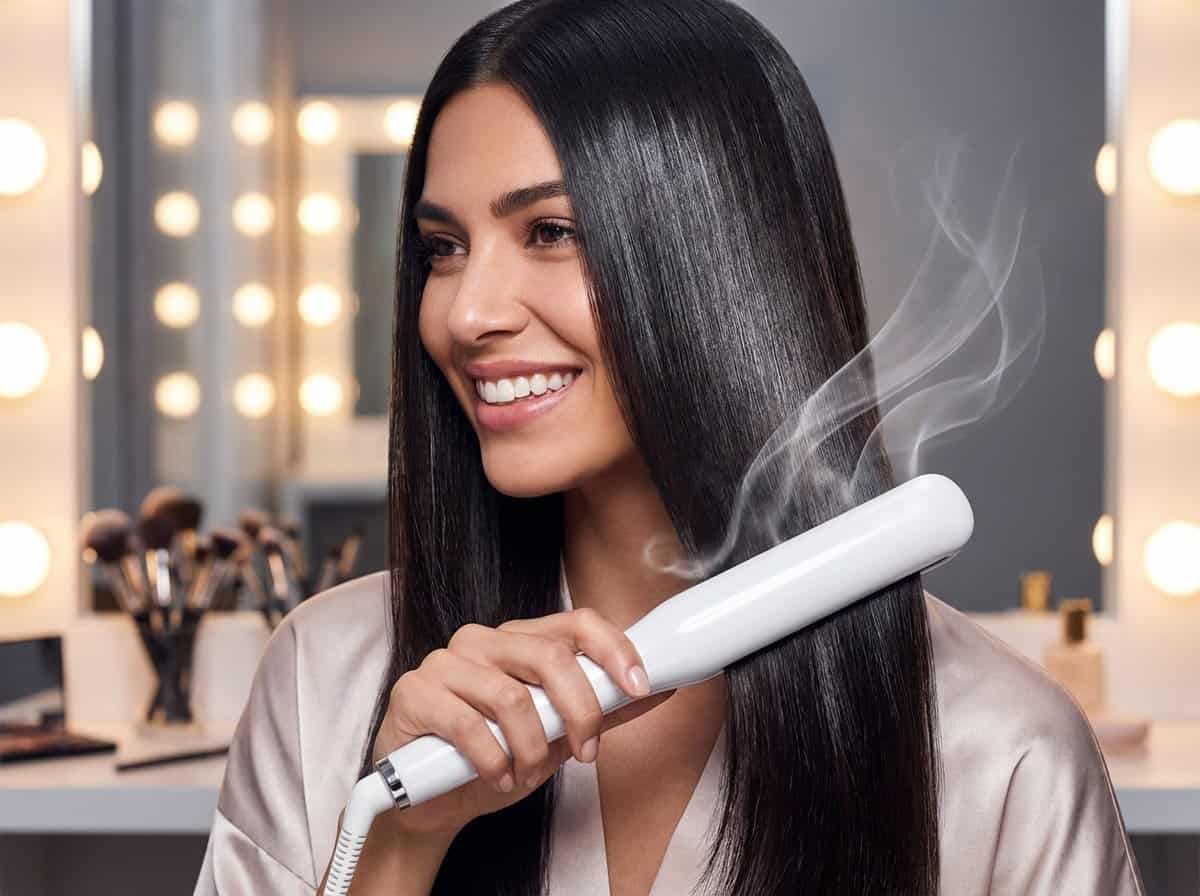
The UK-based charity, Electrical Safety First, found that hair straighteners are the cause of a significant number of serious burns each year, especially among toddlers.
Heat damage to your hair follows a predictable pattern. High heat forces the hair’s protective outer layer, the cuticle, to open up. This causes immediate moisture loss and weakens the hair shaft, leading to frizz, dryness, and breakage. Over time, this damage becomes irreversible.
Choosing the Right Heat Styling Tool
Safe styling starts with picking the right tool. Always look for devices with proper safety certifications and, most importantly, adjustable temperature controls. This allows you to use only the heat you truly need.
Here’s a simple guide to temperatures based on hair type:
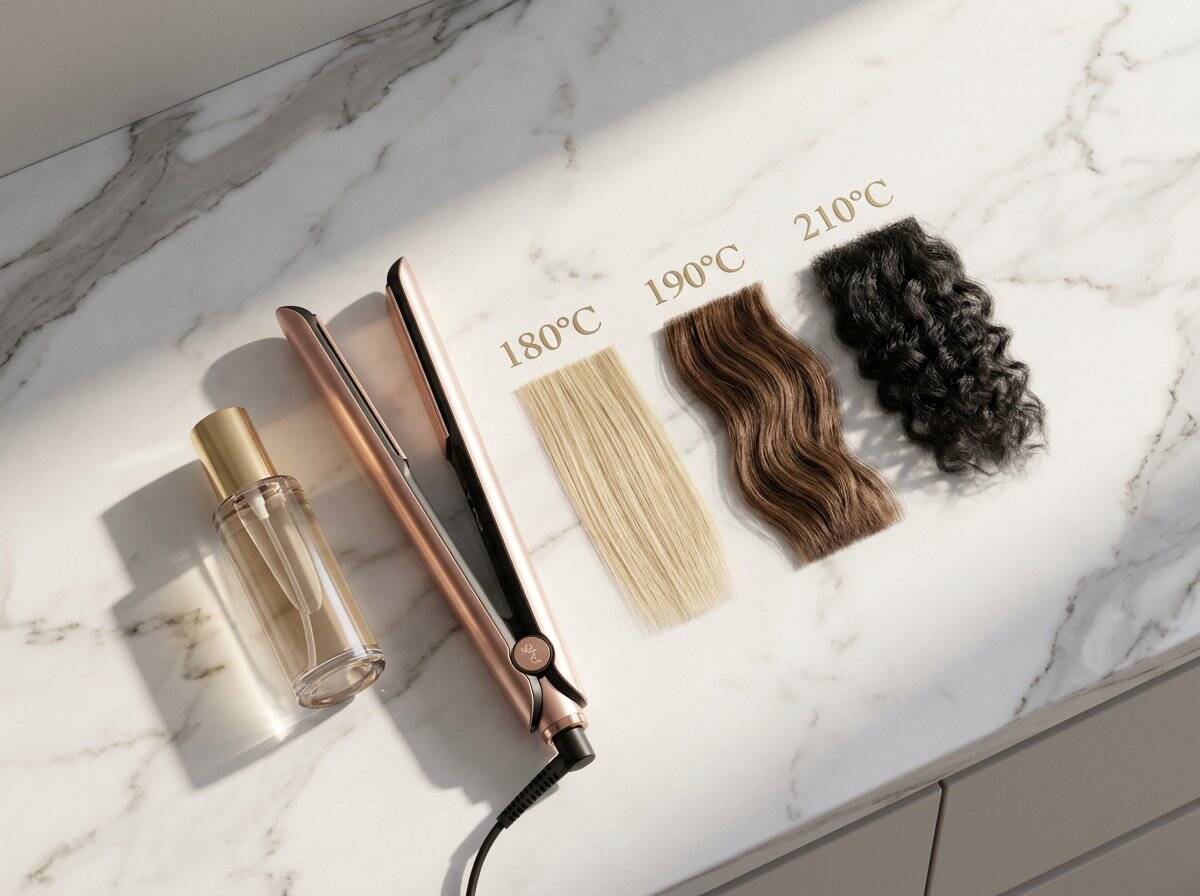
- Fine or Color-Treated Hair: Stay below 180°C (350°F) to prevent damage.
- Normal, Healthy Hair: A range of 180-200°C (350-390°F) is usually effective.
- Thick or Coarse Hair: You may need temperatures up to 210°C (410°F) for best results.
Many modern tools also include advanced safety technology. For example, ghd’s Platinum+ styler uses “Ultra-zone” technology to monitor heat 250 times per second, ensuring it stays at a consistent 185°C, which the company claims is the optimal temperature for effective styling with less damage.
Plate Materials Matter
The material of your tool’s plates or barrel makes a big difference in how heat is distributed. Here’s a quick comparison to help you choose.
| Material | Best For | Key Feature |
| Ceramic | Fine, thin, or damaged hair | Provides even, consistent heat to prevent hot spots. |
| Tourmaline | Frizzy or color-treated hair | Emits negative ions that seal the cuticle, reducing frizz and adding shine. |
| Titanium | Thick, coarse, or curly hair | Heats up very quickly and maintains high temperatures for fast styling. |
Preparing Your Hair and Workspace
Good preparation is the key to reducing risk and getting a great result. Your hair must be completely dry before you apply any heat. Using a hot tool on even slightly damp hair can boil the water inside the hair shaft, causing a type of damage known as “bubble hair,” which leads to extreme brittleness.
A quality heat protectant is non-negotiable. Apply it evenly to create a barrier between your hair and the hot surface. Look for products containing silicones like dimethicone or copolymers, such as TRESemmé Thermal Creations Heat Tamer Spray, which are proven to reduce heat damage.
You also need to set up a safe styling space.
- Use a silicone heatproof mat to protect your countertops.
- Keep tools and their cords far away from sinks, tubs, or any water.
- Clear the area of flammable products, like hairspray or dry shampoo aerosols.
- Make sure the room has good ventilation to disperse any fumes.
Safe Usage Techniques
Smart technique protects your hair from unnecessary damage. Always work in small, manageable sections to ensure you only need one pass of the tool. Moving the tool smoothly and steadily without stopping is crucial to prevent hot spots that can singe your hair.
A great pro-tip is the “chase method.” Run a fine-tooth comb down a section of hair and immediately follow it with your flat iron. This ensures the hair is detangled and smooth, giving you a better result with a single pass.
Avoid the temptation to start at the highest heat setting. Begin with a lower temperature and only increase it if you are not getting the results you want. To prevent long-term, cumulative damage, try to limit your use of heat styling tools to two or three times per week.
Post-Styling and Storage Protocols
Your safety routine does not end when your hair is done. Turn off and unplug every tool immediately after use. Research from Electrical Safety First shows that tools can stay hot enough to cause a serious burn for up to 40 minutes after being unplugged.
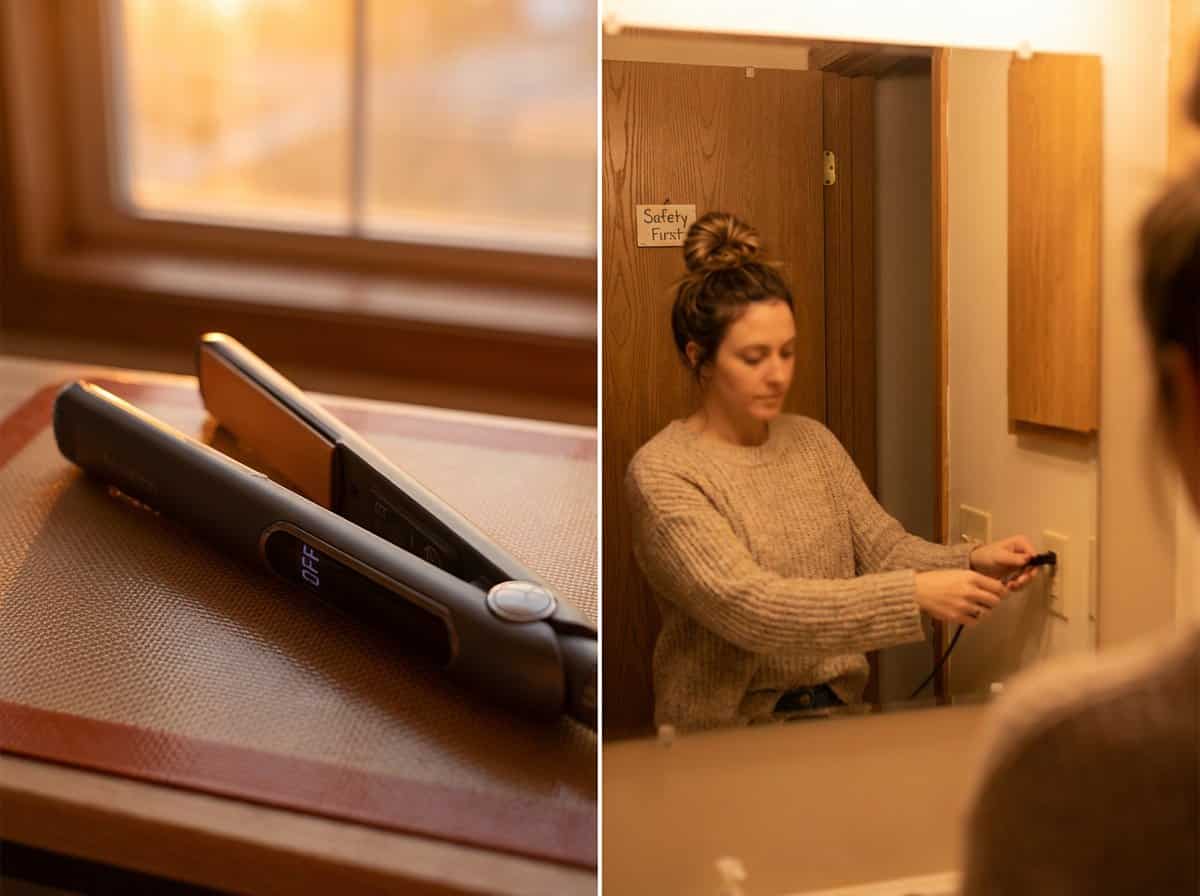
Always let tools cool down completely on a heat-resistant surface, like a silicone mat. A heatproof storage pouch is also a smart investment, especially for travel. Most importantly, store all styling tools high up and out of the reach of children.
If a burn does occur, the American Red Cross advises you to immediately cool the burn with cool or lukewarm running water for at least 10 minutes. Cover it loosely with a sterile dressing and seek medical attention for any severe injuries.
Long-Term Hair Health Maintenance
To keep your hair healthy, you need to balance styling with care. A weekly deep conditioning treatment can restore moisture and repair minor damage. Look for masks with ingredients like keratin or shea butter, such as the popular Briogeo Don’t Despair, Repair! Deep Conditioning Mask.
Give your hair regular breaks from the heat. Try alternating with protective styles like braids, buns, or low ponytails. Getting your hair trimmed every 6 to 8 weeks is also essential for cutting off split ends before they can travel up the hair shaft.
Protecting Your Household
Keeping your family safe requires constant vigilance. Never leave hot tools unattended, especially when children are present. Store them in a secure, elevated place where kids cannot reach them.
Establish clear household rules about where and when styling tools can be used. Make sure cords are tucked away safely to prevent anyone from tripping or pulling a hot tool down onto themselves. If you have older children who are starting to style their own hair, take the time to teach them these safety practices directly.
Final Thoughts on Safe Styling
Great hair styling is a blend of careful preparation, smart technique, and responsible storage. When you put your hair health and your household’s safety first, you can enjoy all the creative possibilities of heat styling without the risk.
Take a moment to review your own routine. Implementing these safety measures will help you style with confidence for years to come.