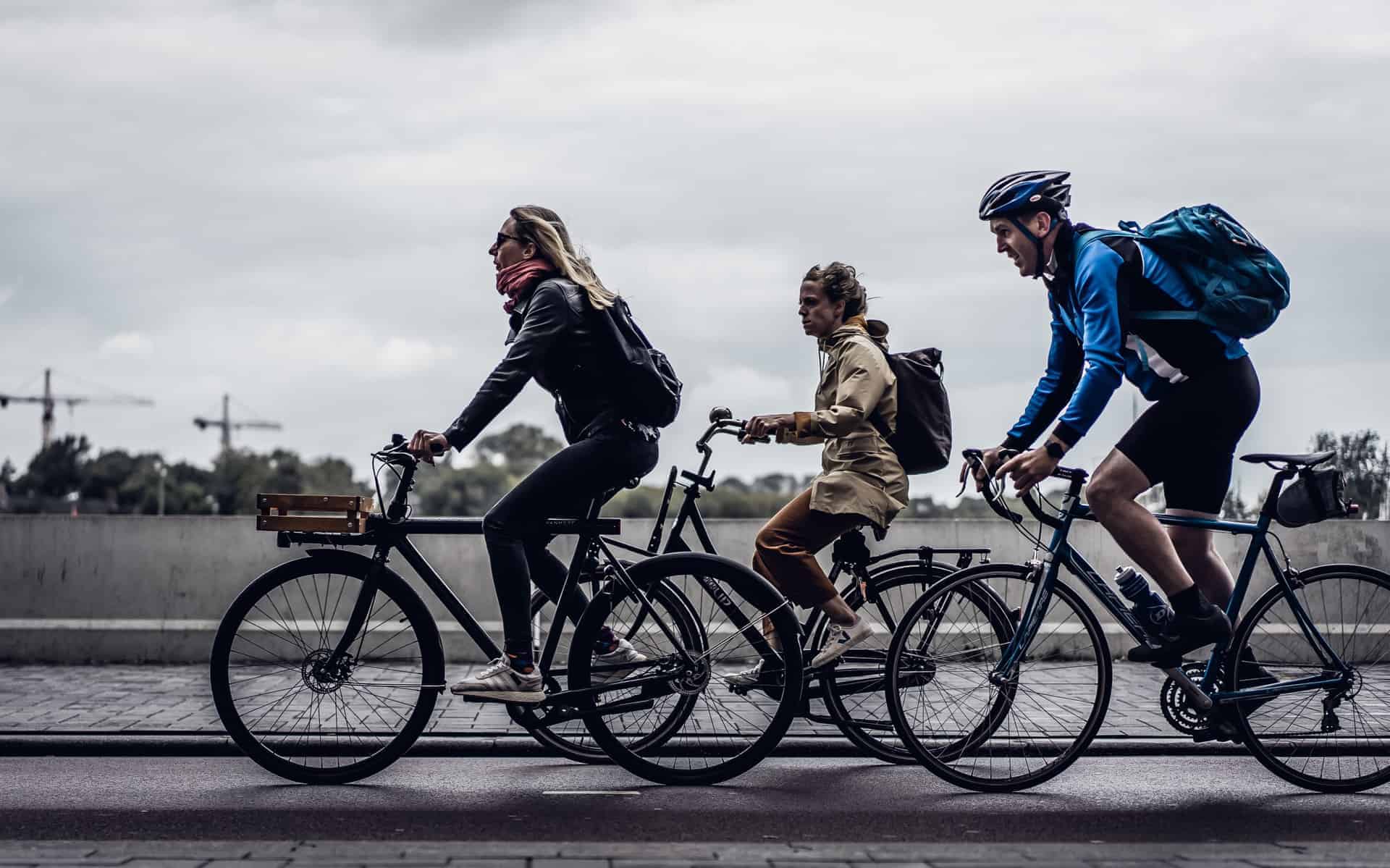
Cycling through city streets with your children can be both practical and enjoyable, but it also requires heightened awareness—especially when sharing the road with large vehicles like buses. While most rides are uneventful, accidents between bicycles and buses do happen. Understanding the risks and what to do in the event of an incident can help families feel more confident and prepared.
This article explores how and why these collisions happen, what immediate steps to take, what legal concerns to consider, and how to support your children emotionally after such events. With the right preparation, families can enjoy the benefits of urban cycling while minimizing risk.
Why Bus-Bike Collisions Happen More Often Than You’d Think
Buses pose unique challenges to cyclists. Their wide turns, frequent stops, and large blind spots increase the likelihood of confusion on the road. For families biking with young children, those challenges are amplified.
A collision may occur when a bus merges back into traffic while a cyclist is overtaking, or when both attempt to turn at the same intersection. Children are especially vulnerable because they are harder for drivers to see and may react unpredictably in high-stress situations.
Understanding what happens when a bicycle hits a Pace bus requires looking beyond the crash itself. These incidents typically trigger formal investigations, involve multiple agencies, and often require medical evaluation. Even minor accidents can have a lasting emotional and physical impact—especially on children. That’s why prevention is key, but preparation matters just as much.
Immediate Steps to Take After a Collision
In the event of a bike-bus collision, staying calm and focused is crucial. The following steps can help protect both your child’s well-being and your legal rights:
1. Move to safety. If possible, guide your child to a safe area away from traffic and assess everyone for injuries. Even if they appear unharmed, internal injuries can go unnoticed.
2. Call for help. Contact emergency services immediately. Medical professionals should evaluate all involved, especially children, regardless of how minor the injuries may seem.
3. Document the scene. Take photos of the location, vehicles, and any injuries. Collect details such as the bus number, time of day, and contact information for witnesses.
4. Avoid assigning blame. Let the authorities determine fault. Focus on staying calm and ensuring your child feels secure.
5. Seek follow-up care. Symptoms can emerge hours or even days later. A visit to urgent care or your pediatrician ensures nothing is overlooked.
Legal Considerations Families Should Understand
Legal questions often arise after an accident involving a public transit vehicle. Determining fault and filing a claim is not always straightforward, especially when government-operated cars are involved.
Transit authorities typically conduct internal reviews in addition to standard police investigations. While bus drivers are often required to report any incident involving a cyclist, parents should still file an official police report and document any medical treatment.
Families should also understand how public service liability works. Rules for filing claims against government agencies often include shorter deadlines and specific procedures. If your child were injured, keeping a clear medical and incident record is essential.
Understanding your rights around liability in government vehicle accidents can help you navigate these claims more effectively. Professional legal guidance is often necessary to meet filing deadlines, understand compensation options, and ensure your child’s long-term well-being is fully considered.
How to Talk to Kids About Safety After a Scary Incident
An accident—even a minor one—can be deeply upsetting for a child. It’s important to help them healthily process the event and rebuild confidence over time.
Give them space to talk. Some children want to share their thoughts immediately, while others need time. Ask open questions and listen without rushing to reassure or downplay their feelings.
Offer simple explanations that match their age. Emphasize that even careful riders can encounter unsafe situations, and that the goal is to keep learning and improving.
Ease them back into riding. Start with short, low-traffic rides where they feel in control. Encourage them to signal when they want to stop or rest, and praise safe riding habits.
Watch for lingering signs of fear or anxiety. If your child becomes withdrawn, refuses to ride, or has trouble sleeping, consult a pediatrician or counselor. Early support can make a big difference in their recovery.
Preventive Tools & Resources for Safer Urban Biking
Preparation starts with proper equipment. Reflective gear, bike lights, and well-fitted helmets are essential. Children on their own bikes should wear bright colors and use visibility flags or blinking lights.
Plan routes with safety in mind. Apps and local maps can help avoid high-traffic areas or known transit corridors. Whenever possible, ride during quieter hours.
Teach and reinforce habits consistently: stopping at signs, checking both ways, using hand signals, and walking bikes across major intersections. These lessons are most effective when repeated regularly.
Resources that promote child safety awareness can complement what you teach on the road. They offer practical tools and conversation starters that help kids build confidence in various real-world situations, including urban travel.
Keep communication open while riding. Establish simple hand signals or verbal cues so your child can signal discomfort or request a stop. Encourage a collaborative riding experience to help them feel more secure.
Conclusion
Cycling through the city with children brings great rewards—but also responsibilities. When buses and bikes share the road, the risk of collision is real, and families must be prepared for both prevention and response.
By understanding how these incidents unfold, what steps to take immediately, and how to support your child emotionally and legally, parents can help ensure cycling remains a safe and empowering activity. With the right tools and mindset, families can enjoy the freedom of biking while staying protected on every ride.