
Ever feel like your feet have grown two sizes by the time 5 PM rolls around? I’ve been there, and it turns out, I wasn’t imagining it.
Between chasing kids and the wild changes pregnancy throws at us, foot pain is practically a rite of passage for moms.
When I first asked, “Are orthotics useful for moms?”, I was just looking for relief from that nagging heel pain. What I found was a whole world of solutions—from PowerStep insoles to custom gear—that can actually help us move better.
I’m going to walk you through exactly what works, what costs too much, and the simple tricks I used to get back on my feet.
Key Takeaways
They fix the “Mom Feet” spread: The hormone relaxin can permanently widen feet by up to a full shoe size; orthotics help manage this spread and stabilize your new gait.
Cost vs. Value: Custom orthotics typically cost between $200 and $800 in the US, while high-quality prefabricated options like PowerStep run about $50 and are often HSA/FSA eligible.
Real relief is backed by data: Studies show that proper orthotic use can reduce pregnancy-related lower back and foot pain in up to 70% of women by correcting alignment.
Insurance can help: Many US insurance plans cover custom devices if you have a prescription for a specific code (like L3000), but you often need a letter of medical necessity first.
Future-proof your feet: New 2025 tech includes 3D-printed insoles made from eco-friendly castor bean oil and smartphone apps that scan your feet for a perfect fit at home.
Table of Contents
What Are Orthotics?
Orthotics are specialized supports that replace the generic factory liners in your shoes. Unlike the squishy gel pads you buy at the drugstore for five bucks, real orthotics like PowerStep insoles are designed to mechanically alter how your foot strikes the ground.
They provide the structure needed to treat medical issues like flat feet, bunions, or the dreaded morning stab of plantar fasciitis.
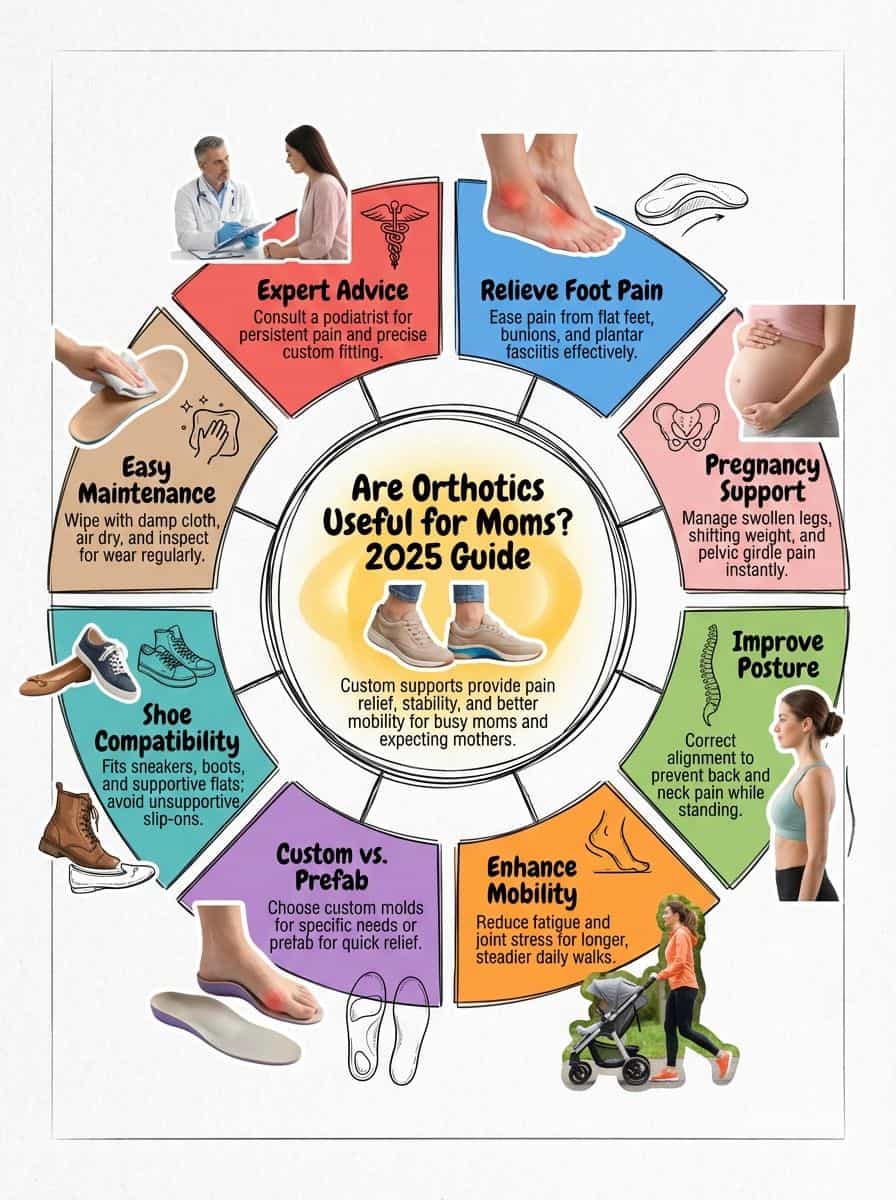
What Does Orthotics Mean?
In simple terms, “orthotics” refers to any medical device used to support, align, or correct the function of a movable part of the body. For us moms, this usually means foot orthoses.
I like to think of them as glasses for your feet. Just as glasses correct your vision, these devices correct your biomechanics (how you move).
Doctors prescribe them to fix specific mechanical failures, such as:
- Overpronation: When your foot rolls inward too much (common after pregnancy).
- Hallux Valgus: The technical name for those painful bunions.
- Metatarsalgia: That burning pain in the ball of your foot after carrying a toddler all day.
What Are the Main Features of Orthotics?
Real orthotics have features that simple cushioning lacks. The most important one I found is the deep heel cup. This cradle stabilizes your heel bone (the calcaneus) so the natural fat pad under your heel can absorb shock effectively.
Another key feature is the semi-rigid arch support. While soft foam feels nice instantly, it collapses under weight. A semi-rigid shell made of materials like polypropylene or graphite actually holds your arch up when you stand.
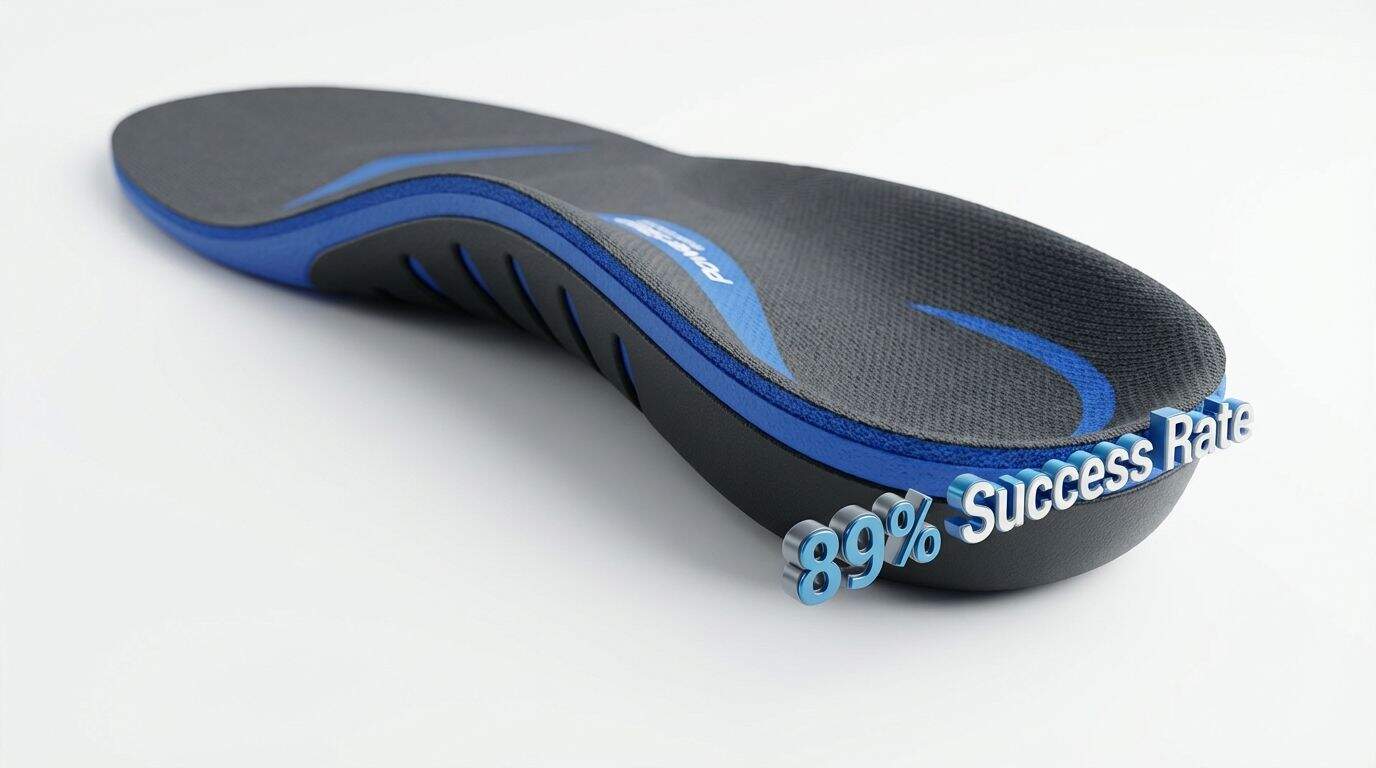
For moms with plantar fasciitis, a firm arch shell is often the only thing that stops the ligament from tearing further.
I rely on these features specifically during those long “mom shifts.” PowerStep is one brand my podiatrist recommended because they combine that essential rigidity with a soft top layer.
With an 89% success rate in reducing stubborn heel pain, they bridge the gap between expensive custom medical devices and cheap drugstore inserts.
How Can Orthotics Benefit Moms?
Let’s be real—motherhood is an endurance sport. We carry an average of 25 extra pounds of baby gear, groceries, and children daily.
Orthotic inserts, such as those from PowerStep, act like shock absorbers for your body’s chassis (your feet).
How Do Orthotics Relieve Foot Pain?
They work by redistributing pressure. Instead of all your weight slamming into your heel or the ball of your foot, an orthotic spreads that force across the entire sole.
For me, this meant the end of that “walking on glass” feeling in the morning. By supporting the plantar fascia ligament, the insert prevents it from stretching too far and getting inflamed.

A 2024 review found that women who used semi-rigid orthotics experienced a significant reduction in foot pain intensity compared to those using flat cushioning alone. It’s not just about comfort; it’s about preventing injury.
Can Orthotics Improve Posture and Balance?
Absolutely. When your feet are out of whack, your knees knock in, your hips tilt forward, and your lower back arches to compensate. This is called the kinetic chain effect.
By fixing the foundation (your feet), you straighten the whole building (your body).
The Journal of Applied Biomechanics published data showing that custom ankle-foot orthotics improve postural stabilization. This is huge for us moms because we are constantly off-balance, whether we’re leaning over a crib or balancing a diaper bag on one hip.
I found that wearing them made me feel less “sway-backed” by the end of the day. It’s a simple way to protect your spine without doing a single sit-up.
How Do Orthotics Enhance Mobility?
Custom orthotics improved my foot alignment, allowing me to walk farther without fatigue. It’s like getting a wheel alignment for your car—suddenly, you aren’t fighting the road anymore.
With supports like PowerStep, I noticed I could handle the zoo trip and the grocery run in the same day.
Improved proprioception (body awareness) is another hidden benefit. My podiatrist explained that when your feet feel the ground better, you are less likely to trip or twist an ankle.
This confidence boost is priceless when you’re carrying a precious cargo in your arms.
Do Orthotics Reduce Stress on Joints?
Yes, and my knees are the living proof. By stopping my feet from rolling inward (overpronation), orthotics reduce the twisting force on my shin bone and knee joint.
Experts call this reducing the knee adduction moment. In plain English? It saves your knees from grinding down over time.
Orthotics can cut down harmful loads linked with issues such as knee osteoarthritis. They do this by redistributing body weight evenly.
Combining this support with safe movement techniques, like learning how to lift kids without back pain, was a turning point for my joint health. Pelvic girdle pain became much more manageable once my feet weren’t collapsing with every step.
Orthotics for Moms During Pregnancy
Pregnancy changes everything, including your shoe size. I remember looking down at my swollen ankles and wondering whose feet those were.
Slipping PowerStep inserts into my shoes helped with pelvic girdle pain and kept me mobile when I felt like a waddling penguin.
How Do Orthotics Help with Pregnancy-Related Changes?
Here is a fact that blew my mind: a hormone called relaxin peaks during the first trimester and stays high until you stop breastfeeding. It loosens your ligaments for birth, but it also loosens the ligaments in your feet.
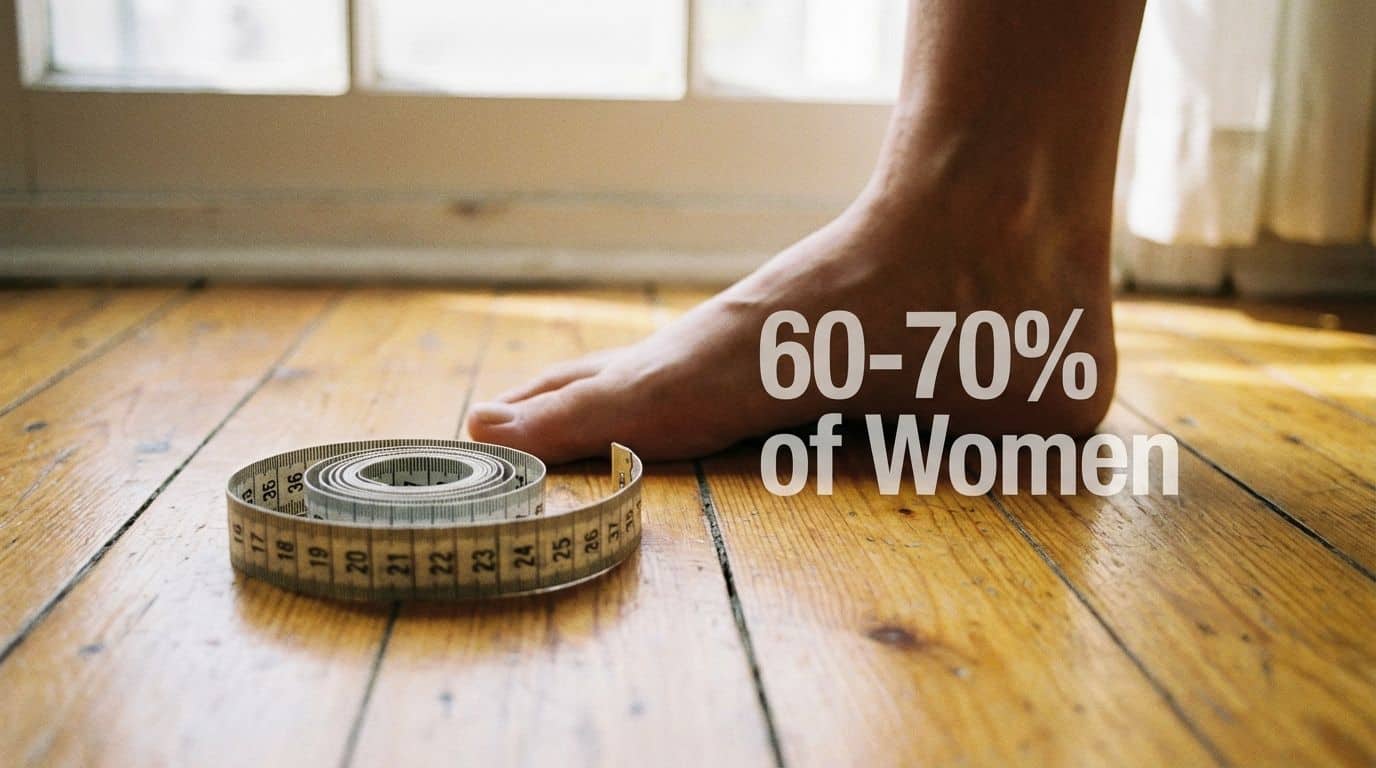
This causes your arches to flatten out, often permanently. Studies show that 60-70% of women experience a permanent increase in foot length or width after pregnancy.
Rigid orthotics like PowerStep act as a scaffold. They hold your arch up when your own ligaments are too loose to do the job. This helps prevent that permanent “arch drop.”
I think of them as a retainer for my feet. They keep everything in the right place while my body goes through its changes.
How Can Orthotics Manage Swollen Feet and Leg Discomfort?
Edema (swelling) is real, and gravity is not our friend here. By supporting the arch, orthotics promote better muscle function, which acts as a pump to push fluid back up the legs.
My podiatrist suggested buying shoes half a size larger during my third trimester and filling the extra space with a supportive orthotic. This gave my swollen feet room to breathe without sacrificing support.
Prefabricated insoles were a lifesaver here because I didn’t want to spend $500 on custom customs for a temporary shoe size.
How Do Orthotics Support Weight Distribution?
As your belly grows, your center of gravity shifts forward. This puts massive pressure on the balls of your feet (the metatarsals).
Orthotics like PowerStep shift that weight back towards the heel where it belongs. This simple shift relieves that burning sensation in the forefoot.
I found that wearing orthotic sandals around the house was better than going barefoot. The stable arch support kept my back from aching while I was cooking or doing dishes.
Types of Orthotics for Moms
There isn’t a “one size fits all” answer here. I learned that what you need depends on your budget, your foot type, and how much coffee you’ve had today (kidding… mostly).
What Are Custom Orthotics?
Custom orthotics are prescription medical devices made from a 3D mold of your foot. They are built to last 3 to 5 years and are typically made from durable materials like carbon fiber or rigid plastic.
The process usually involves a visit to a specialist who takes a cast or a digital scan. These are the heavy hitters for serious issues like severe flat feet or diabetic complications.
However, they come with a hefty price tag. In the US, custom orthotics generally cost between $300 and $800 out of pocket if your insurance doesn’t cover them. I only recommend these if you have a specific medical diagnosis that off-the-shelf options haven’t fixed.
What Are Prefabricated Orthotics?
These are what you find from brands like PowerStep or Superfeet. They are mass-produced based on the average foot shape for a specific shoe size.
Don’t let the lower price fool you. High-quality prefabricated orthotics often use the same materials (like polypropylene shells) as custom ones.
For most moms with general aches, plantar fasciitis, or mild pronation, these work wonders. They cost around $45 to $60, making them an accessible first step.
I keep a pair in my sneakers and another in my boots so I’m never without support.
Comparison: Custom vs. Prefabricated
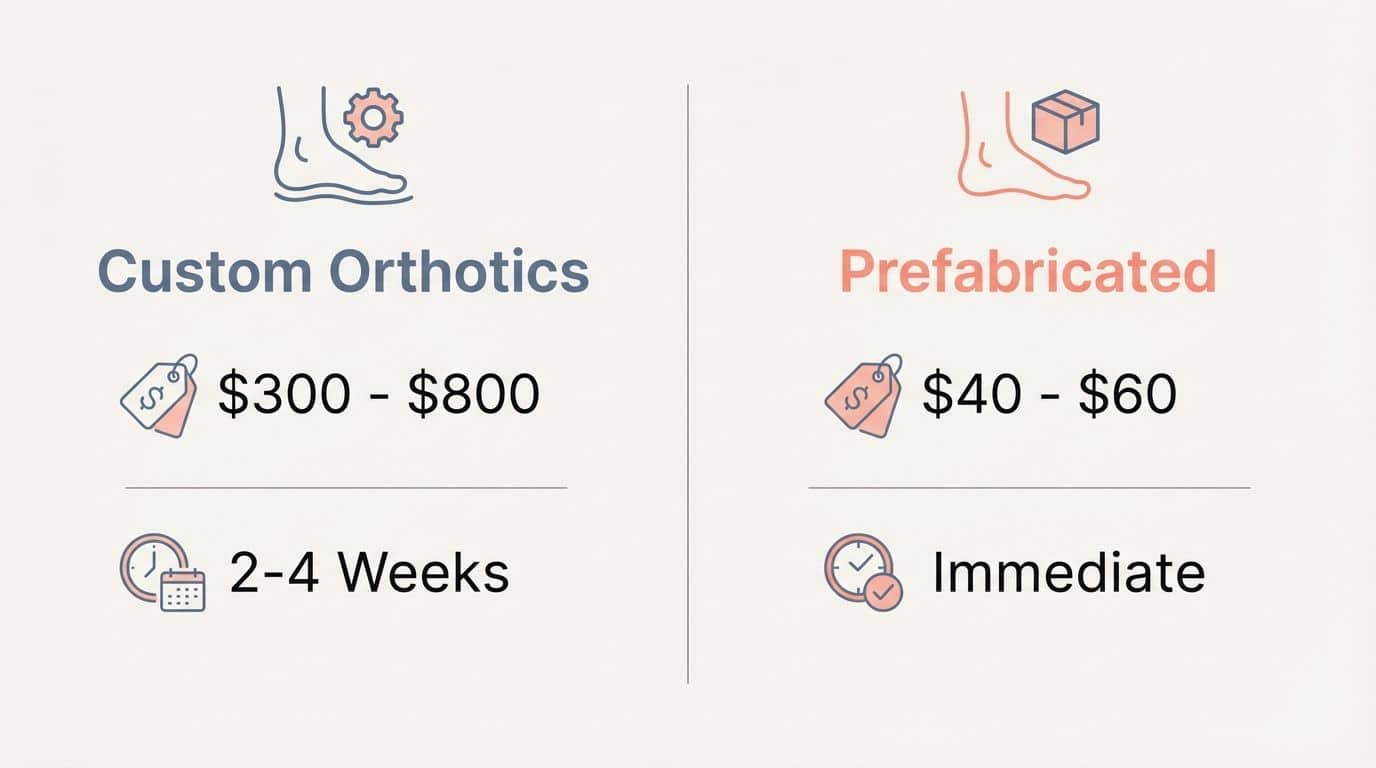
| Feature | Custom Orthotics | Prefabricated (e.g., PowerStep) |
|---|---|---|
| Average Cost (US) | $300 – $800+ | $40 – $60 |
| Lifespan | 3 – 5 Years | 12 – 18 Months |
| Best For | Complex deformities, severe flat feet, diabetes | Plantar fasciitis, arch pain, mild pronation |
| Wait Time | 2 – 4 Weeks (for fabrication) | Immediate |
What Are Maternity-Specific Orthotics?
These are a newer category designed with “pregnancy spread” in mind. They often feature adjustable arches or softer top-covers to accommodate swelling.
Some brands, like the Mother Nurture system mentioned in some circles, use modular parts you can swap as your pregnancy progresses. Personally, I found that a standard PowerStep Pinnacle offered enough stability to get me through without needing a “maternity-only” label.
Using Orthotics Effectively as a Mom
You can’t just throw them in your shoes and run a marathon on day one. I learned the hard way that your feet need time to adjust to their new posture.
How Do I Choose the Right Orthotics?
First, check your arch height. A simple “wet foot test” (step on a piece of paper with wet feet) can tell you a lot.
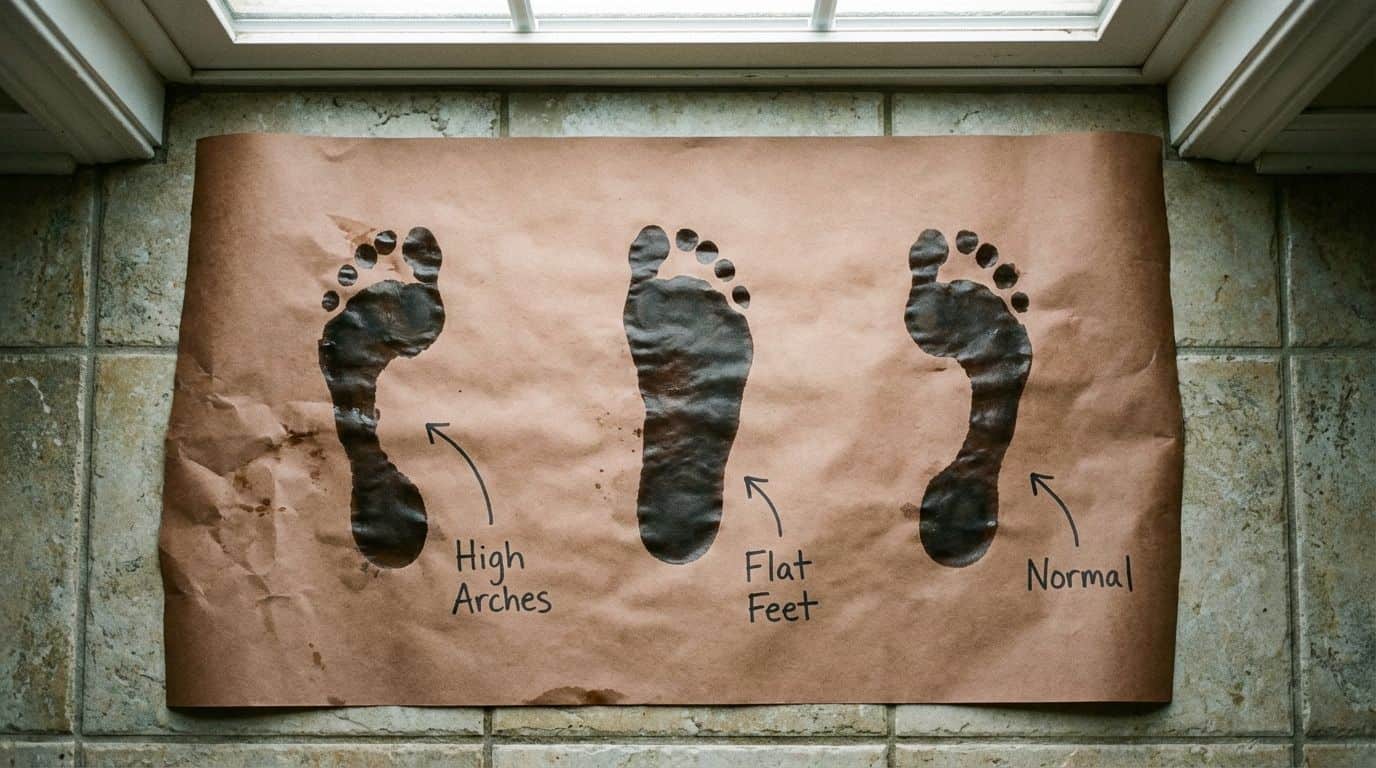
- High Arches: Look for flexible support with extra cushioning to absorb shock.
- Flat Feet: You need a firm, rigid support post to stop the arch from collapsing.
- Plantar Fasciitis: A rigid arch plus a deep heel cup is non-negotiable.
Also, consider your volume. If your shoes are tight, look for “low profile” or “dress” orthotics which are thinner. For running shoes, you can usually fit a full-volume orthotic like the PowerStep Pinnacle.
How Can I Ensure Proper Orthotic Fit?
Take the original liner out of your shoe first! This is the most common mistake I see. If you put an orthotic on top of the factory insole, you will squash your toes.
The orthotic should sit flat. If it curls up at the toes, it’s too long—trim it. If it slides around, it’s too short.
Pro Tip: Follow the “break-in” rule. Wear them for one hour the first day, two hours the second day, and so on. This prevents arch soreness as your foot muscles relearn how to work correctly.
Can I Wear Orthotics with Different Shoes?
Mostly, yes. I have one pair of PowerStep inserts that I swap between my gym shoes and my casual slip-ons.
However, they won’t fit in everything. Ballet flats and high heels are notoriously difficult. For those, I look for specific “3/4 length” orthotics that stop before the toes.
A 2023 study confirmed that combining orthotics with orthotic sandals (like Vionic or PowerStep sandals) gave better pain relief than just using inserts alone. So, I wear supportive slippers at home instead of going barefoot.
How Should I Maintain and Replace Orthotics?
These things live in a sweaty environment, so hygiene is key. I wipe mine down with a damp soapy cloth every week. Never put them in the washing machine—the heat and water saturation will destroy the glue and structure.
Replacing them is also critical. If you see cracks in the hard plastic shell or if the top foam is worn through to the blue layer underneath, they are done.
For active moms, expect to replace prefabricated ones every 12 months. Custom ones can last years, but the top cover might need refurbishing by your podiatrist for a small fee.
FAQs About Orthotics for Moms
I know you probably have a dozen tabs open trying to figure this out. Here are the quick answers to the questions I had when I started.
Can Orthotics Be Used During Pregnancy?
Yes, and they arguably should be. Using them can prevent the permanent arch collapse I mentioned earlier.
My doctor recommended starting them early in the second trimester before the relaxin hormone fully loosened my ligaments. It helped keep my knees aligned as my belly grew.
Are Orthotics Suitable for All Shoe Types?
Not really. They work best in shoes with a removable insole and a closed heel. Loafers, sneakers, and boots are great.
Flimsy sandals or strappy heels usually can’t hold a real orthotic. For those, I try to buy shoes that have arch support built-in.
What’s the Difference Between Orthotics and Regular Insoles?
Regular insoles are just pillows for your feet. They cushion the blow but don’t change your mechanics. Orthotics are structural tools.
Think of it this way: Insoles are like a soft mattress; orthotics are like the bed frame. You need the frame to support the mattress.
How Long Do Orthotics Last?
Custom: 3-5 years for the plastic shell.
Prefabricated (PowerStep): 1-2 years depending on use.
Drugstore Gel: Maybe 3-6 months before they flatten out completely.
Do I Need a Prescription for Custom Orthotics?
Yes, if you want insurance to pay for them. You typically need a prescription for code L3000 (custom foot insert).
Without insurance, you can walk into many specialized running stores or podiatry clinics and pay cash, but a prescription ensures you are getting a medical device tailored to your pathology.
Consulting with Healthcare Professionals
I love a good Google search, but nothing beats a pro looking at your feet. Podiatrists can do a gait analysis where they watch you walk on a treadmill to see exactly where your instability is.
Why Is It Important to Seek Professional Advice?
Because “foot pain” can be a dozen different things. Is it plantar fasciitis? A stress fracture? Tarsal tunnel syndrome?
An expert can diagnose the root cause. For example, my knee pain was actually caused by my flat feet. Treating the knee would have been useless without fixing the arch.
What Questions Should I Ask My Doctor or Podiatrist?
Don’t be shy. Here is my cheat sheet for your appointment:
- “Is my foot shape flexible or rigid, and what type of support does that need?”
- “Will my insurance cover custom orthotics, or do you recommend a specific OTC brand like PowerStep?”
- “Can you check my current shoes to see if they are making the problem worse?”
- “How many hours a day should I wear these to start?”
- “Do I have a leg length discrepancy?” (Common after childbirth due to pelvic shifts!)
Factors to Consider When Selecting Orthotics
Picking the right pair is about balancing three things: what they are made of, how they feel, and what they cost.
Material and Durability
I look for Polypropylene or Carbon Fiber shells. These are the gold standards for durability. If the description just says “foam” or “gel,” I skip it.
For 2025, look for newer materials like PEBAX, which is super lightweight but durable. It returns energy with every step so your legs feel less heavy.
Comfort and Support Levels
Comfort is subjective, but support is physics. You want a “firm but fair” feel. It should press into your arch but not bruise it.
If it hurts after 3 weeks, it’s the wrong fit. Go back to your doctor. Adjustments are often free for custom pairs.
Budget and Insurance Coverage
Here is a money-saving tip: Check your FSA or HSA balance. Most orthotics, including over-the-counter medical grade ones like PowerStep, are eligible expenses.
If you are going the custom route, ask your insurance about “Durable Medical Equipment” (DME) coverage. Some plans cover 80%, leaving you with a manageable copay.
How Will Orthotics for Moms Change in 2025?
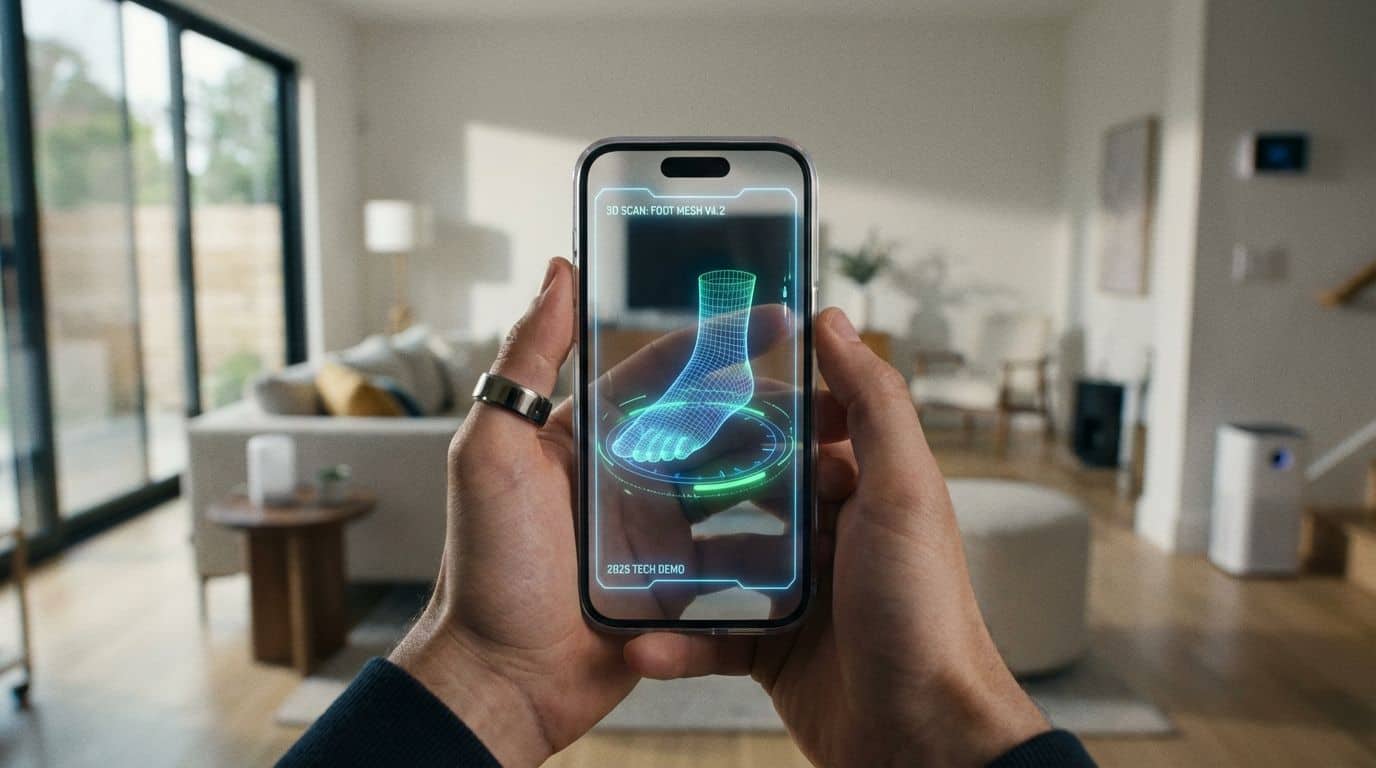
The future is looking pretty cool for our feet. I’m seeing a huge rise in 3D-printed custom insoles. Companies can now use a smartphone scan to print a lattice-structure insole that is perfectly breathable and washable.
We are also seeing a shift toward sustainable materials. Brands are beginning to use plant-based plastics (like those derived from castor beans) to reduce the environmental impact of disposable foam.
Finally, smart insoles are hitting the mainstream. These have sensors embedded that track your steps, gait pressure, and even fatigue levels, sending alerts to your phone when you need to sit down.
It’s an exciting time to be a mom who just wants to walk without pain. Whether you choose a solid pair of PowerSteps or a high-tech 3D printed custom pair, the most important thing is that you take that first step toward taking care of yourself.
People Also Ask
Why should moms consider orthotics for daily life?
I was startled to read a 2024 Kuru Footwear report stating that nearly half of people with foot pain now find it debilitating, especially in active roles like homemaking. Orthotics can stop this pain before it starts by properly supporting your arches, which is a huge relief when you are chasing kids all day.
Can orthotics really help with back or knee pain?
Yes, they absolutely can because your feet are the foundation of your entire kinetic chain. When I finally corrected my foot alignment, it stopped my legs from rotating inward and instantly took the dangerous pressure off my knees and lower back.
Are store-bought insoles enough for busy mothers?
While store-bought gels might feel soft for a few months, they often wear out quickly and do not actually correct your alignment issues. Custom orthotics are a real investment that can last you 1 to 3 years, offering true structural support rather than just a temporary cushion.
How do I know if I actually need orthotics as a mom?
If you wake up with sharp heel pain or notice the soles of your shoes are wearing down unevenly, those are classic signs your feet need extra help.
References
https://www.mother.ly/terms/orthotics/
https://my.clevelandclinic.org/health/treatments/orthotics (2024-08-26)
https://pmc.ncbi.nlm.nih.gov/articles/PMC10659571/
https://pmc.ncbi.nlm.nih.gov/articles/PMC9477759/
https://americanfoot.com/orthotics-are-the-gift-of-mobility/
https://pinnaclevitality.ca/2025/08/15/how-orthotics-reduce-stress-on-your-joints/ (2025-08-16)
https://www.drrobertshire.com/why-and-how-orthotics-help-pregnant-women/ (2021-11-22)
https://pmc.ncbi.nlm.nih.gov/articles/PMC3596423/
https://www.primefootclinic.com/post/orthotics-for-pregnant-women-providing-relief-for-swollen-achy-feet (2025-01-27)
https://pmc.ncbi.nlm.nih.gov/articles/PMC11121192/
https://www.footspecialistnj.com/blog/custom-made-versus-prefabricated-orthotics (2023-10-24)
https://www.ncbi.nlm.nih.gov/books/NBK549527/
https://garnetsolutions.ca/orthotics-and-pregnancy-wellness/
https://pmc.ncbi.nlm.nih.gov/articles/PMC10730764/
https://pmc.ncbi.nlm.nih.gov/articles/PMC10514714/
https://footteamtexas.com/articles/foot-orthotics/how-to-properly-care-for-your-foot-orthotics-a-complete-guide (2025-09-21)
https://www.painscience.com/articles/orthotics.php (2019-10-11)
https://www.pongratzop.com/blog/how-long-do-orthotics-last/ (2024-08-20)
https://www.health.harvard.edu/blog/do-i-need-orthotics-what-kind-2018102915182 (2018-10-29)
https://pmc.ncbi.nlm.nih.gov/articles/PMC9559837/
https://www.mdbonedocs.com/what-questions-should-i-ask-my-foot-doctor/ (2024-04-19)
https://www.mdpi.com/2227-9717/13/6/1796
https://pmc.ncbi.nlm.nih.gov/articles/PMC10443514/
https://footteamtexas.com/articles/podiatry-treatments/how-custom-orthotics-can-transform-your-foot-health-in-2025 (2025-08-18)