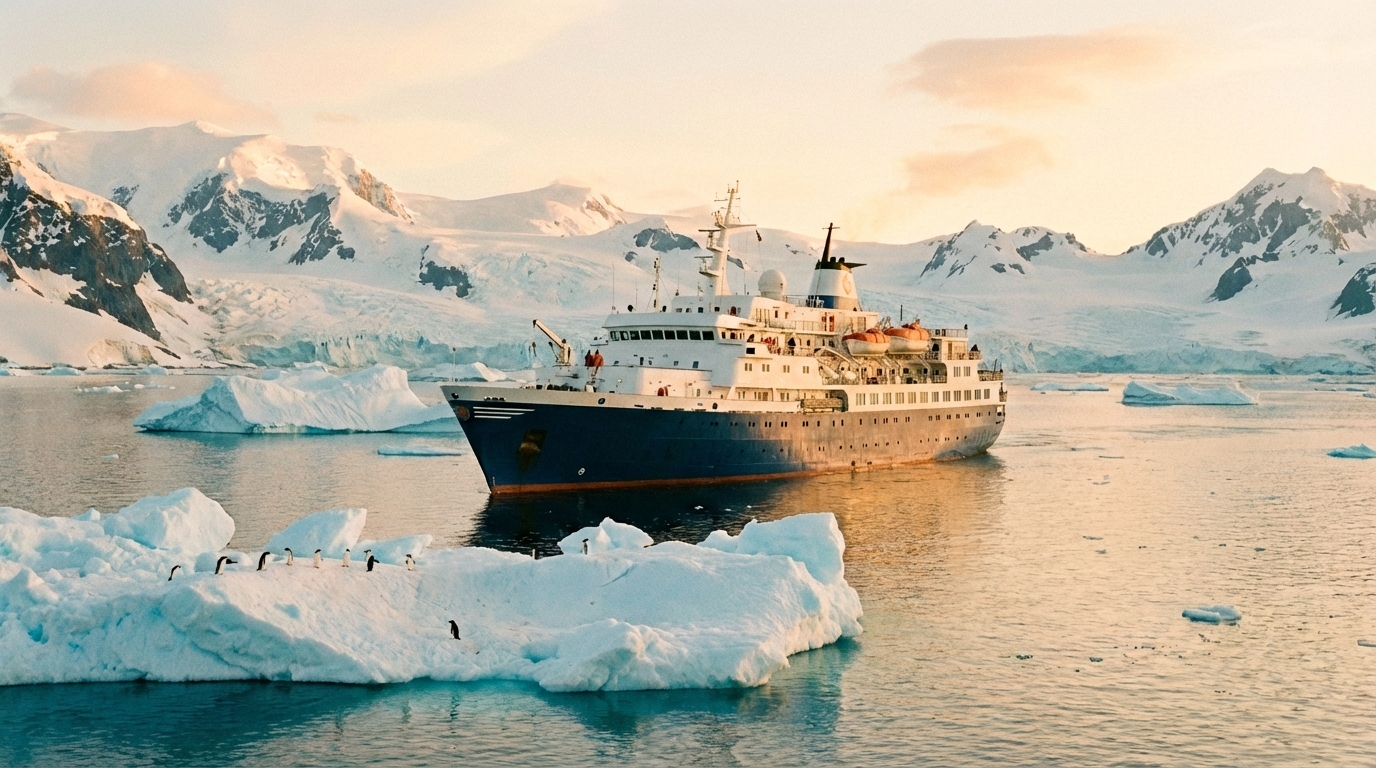
The moment a Zodiac boat cuts through icy water to your first Antarctic landing, you feel it. This isn’t just a vacation, it’s something else entirely. While big cruise ships focus on shows and buffets, expedition travel is designed for one purpose: getting you off the ship and deep into the wild heart of the destination. This shift in focus is what turns a trip to Antarctica from a simple sightseeing tour into a true expedition.
Antarctic expedition cruising grew out of a tradition of scientific research, not mass-market tourism. You can see this legacy in everything from the rugged design of the vessels to the expertise of the crew. Specialized operators like Poseidon Antarctica expedition cruises, Quark Expeditions, and Lindblad-National Geographic build their programs around a core of scientific learning and expert guidance.
Knowing what makes these operators different is key to choosing a trip that meets your expectations. The right choice can transform your journey into the life-changing experience Antarctica is famous for. From the size of the ship to the knowledge of the guides, every detail matters.
Small Ship Advantages in Polar Exploration
The single most important decision you’ll make is your ship size. Vessels carrying 500 to 3,000 passengers offer a completely different experience than expedition ships built for 50 to 200 guests. This isn’t just about crowds, it directly impacts how much you get to explore.
The advantages of a small ship are clear and translate directly to a better, more immersive polar journey. You get more time on shore, greater flexibility, and a much deeper connection to the incredible landscape.
Here are the key benefits a smaller vessel provides:
- More Time Ashore: With fewer passengers, everyone can land at once. You won’t waste precious time waiting in a rotation system like you would on a larger ship.
- Greater Access: Smaller ships can navigate narrow channels and shallow bays that are off-limits to huge cruise ships. This opens up a world of remote and untouched landing sites.
- Flexibility is Key: An expedition can change plans in minutes based on a sudden whale sighting or shifting ice. A small ship can adapt instantly without the logistical nightmare a vessel with thousands of passengers would face.
- IAATO Compliance: Regulations from the International Association of Antarctica Tour Operators (IAATO) limit landings to just 100 people at a time. Small ships can land everyone, while big ships must cycle through small groups.
- Spontaneous Adventures: Launching Zodiacs for 100 guests is quick and efficient. This means your crew can react immediately when a pod of orcas appears, getting you closer to the action.
Purpose-built ships like Poseidon Expeditions’ 114-passenger Sea Spirit are designed for this kind of travel. They feature ice-strengthened hulls and Zodiac systems made for polar conditions. Even competitors design ships for this purpose, like Quark Expeditions’ Ultramarine, which carries two twin-engine helicopters to access truly remote areas. This size hits the sweet spot, creating an intimate feel while still offering stability for crossing the Drake Passage.
This nimbleness is a huge advantage. When a leopard seal is spotted on an ice floe or the evening light becomes perfect for photography, a smaller vessel can get you there in minutes, not hours.
The Expedition Team: Expertise That Defines the Experience
The ship may be your platform for adventure, but the expedition team is who brings Antarctica to life. These experts are the most valuable part of any trip, turning what you see into something you truly understand. They provide the context for the continent’s complex ecosystems, geology, and incredible history of exploration.
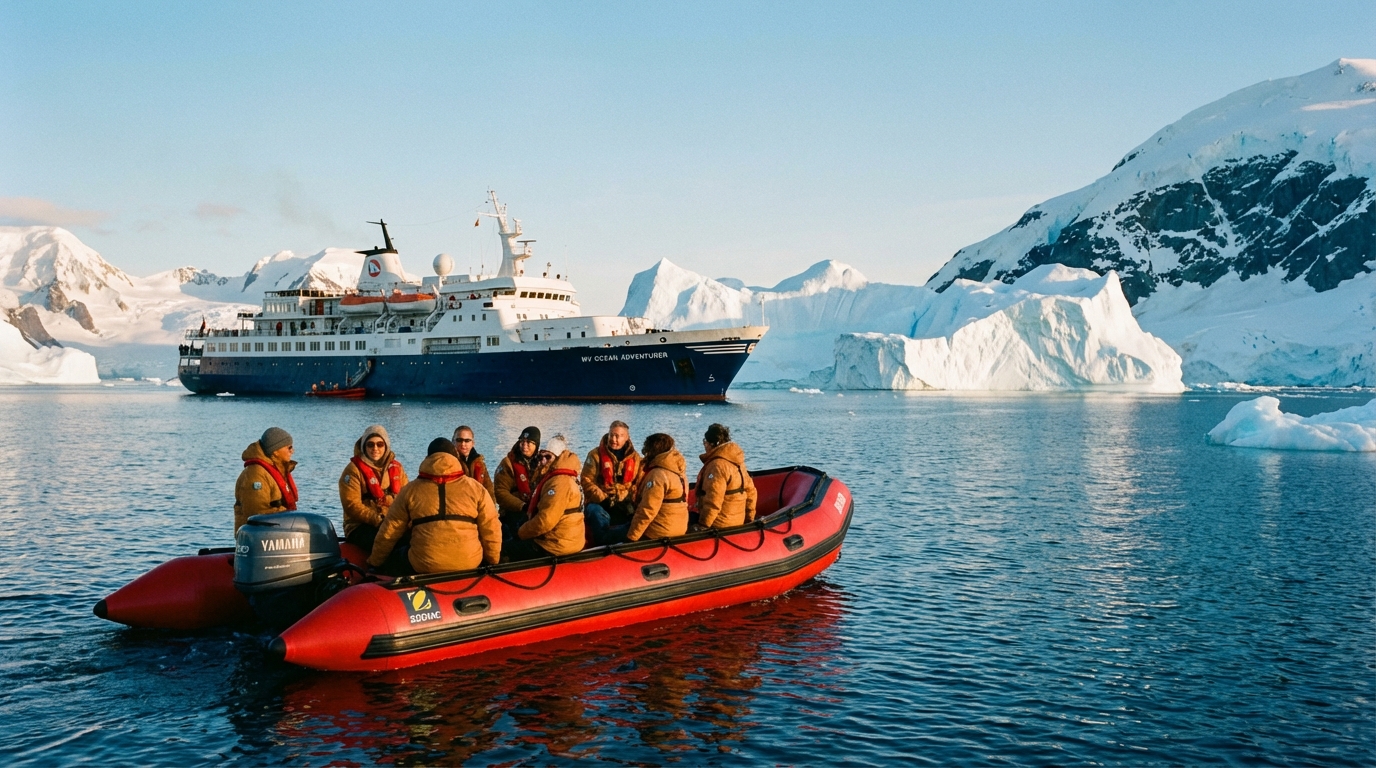
A top-tier expedition team has specialists from many different fields. The best operators maintain a guide-to-guest ratio of around 1:10, ensuring you get personal attention. This is far better than the 1:20 ratio mandated by IAATO.
- Marine Biologists: They’ll help you identify different whale species, explain penguin behaviors, and connect these moments to the larger Antarctic ecosystem.
- Ornithologists: These bird experts can teach you about the various seabirds you’ll encounter, focusing on penguin biology and the conservation challenges they face.
- Glaciologists: They interpret the stunning ice formations, explain how glaciers are changing, and discuss the role of Antarctic ice in our global climate.
- Polar Historians: These storytellers provide context on the “Heroic Age” of exploration, sharing tales of explorers like Sir Ernest Shackleton and Roald Amundsen.
- Naturalist Guides: With years of polar experience, these guides lead Zodiac cruises and shore landings, all while making sure strict environmental rules are followed.
Educational Enrichment and Citizen Science
The strong focus on education is what truly sets expedition cruising apart. Before every landing, the team gives detailed briefings about the site’s importance and what wildlife you can expect to see. In the evenings, they hold recaps to discuss the day’s sightings and prepare you for what’s next.
Many operators now let you become part of the research through citizen science programs. You can actively contribute to real scientific projects, turning your trip into a force for good.
Instead of just observing, you can contribute valuable data on whale migrations to projects like Happywhale or help NASA scientists by recording cloud observations for the GLOBE Observer program.
The Oceanites project, for instance, uses tourist observations to monitor penguin colonies, tracking their populations and breeding success. Happywhale, founded in 2015 by expedition leader Ted Cheeseman, uses photos of whale flukes to identify and track individual animals across the globe. Your photos can help researchers understand whale migration patterns.
Onboard photography workshops are another popular feature. Antarctica is a photographer’s dream, and expert guides can help you capture everything from massive icebergs to close-up portraits of penguins, all while respecting wildlife safety distances.
Authentic Polar Activities and Environmental Commitment
Expedition cruises are all about active engagement. Daily Zodiac trips and shore landings are the core of the experience, but the best operators offer even more ways to connect with the environment.
These core activities get you right into the heart of Antarctica:
- Zodiac Cruising: You’ll navigate through fields of icebergs and along coastal ice cliffs, getting stunningly close to wildlife and unique ice formations.
- Shore Hiking: Guided hikes take you to sprawling penguin colonies, historic explorer huts, and breathtaking viewpoints.
- Sea Kayaking: Paddling in a small group through calm, protected bays offers a quiet and incredibly immersive way to experience the polar world.
- Antarctic Camping: For the truly adventurous, some operators offer the chance to spend a night camping on the ice for an unforgettable wilderness experience.
- The Polar Plunge: A classic Antarctic tradition! This is a quick, exhilarating dip into the frigid polar waters, a true badge of honor for any visitor.
- Citizen Science: You can participate in ongoing research by counting penguins, identifying whales, or collecting water samples for projects like FjordPhyto.
Protecting this pristine environment is the top priority. All responsible operators are members of the International Association of Antarctica Tour Operators (IAATO), which enforces strict guidelines. These rules cover everything from waste management to wildlife approach distances. For example, all visitors must thoroughly clean their boots before and after every landing to prevent introducing non-native seeds or soils. Research by the Scientific Committee on Antarctic Research has shown that well-managed tourism following these protocols has a minimal environmental impact. It also builds a global community of advocates for Antarctica’s protection.